

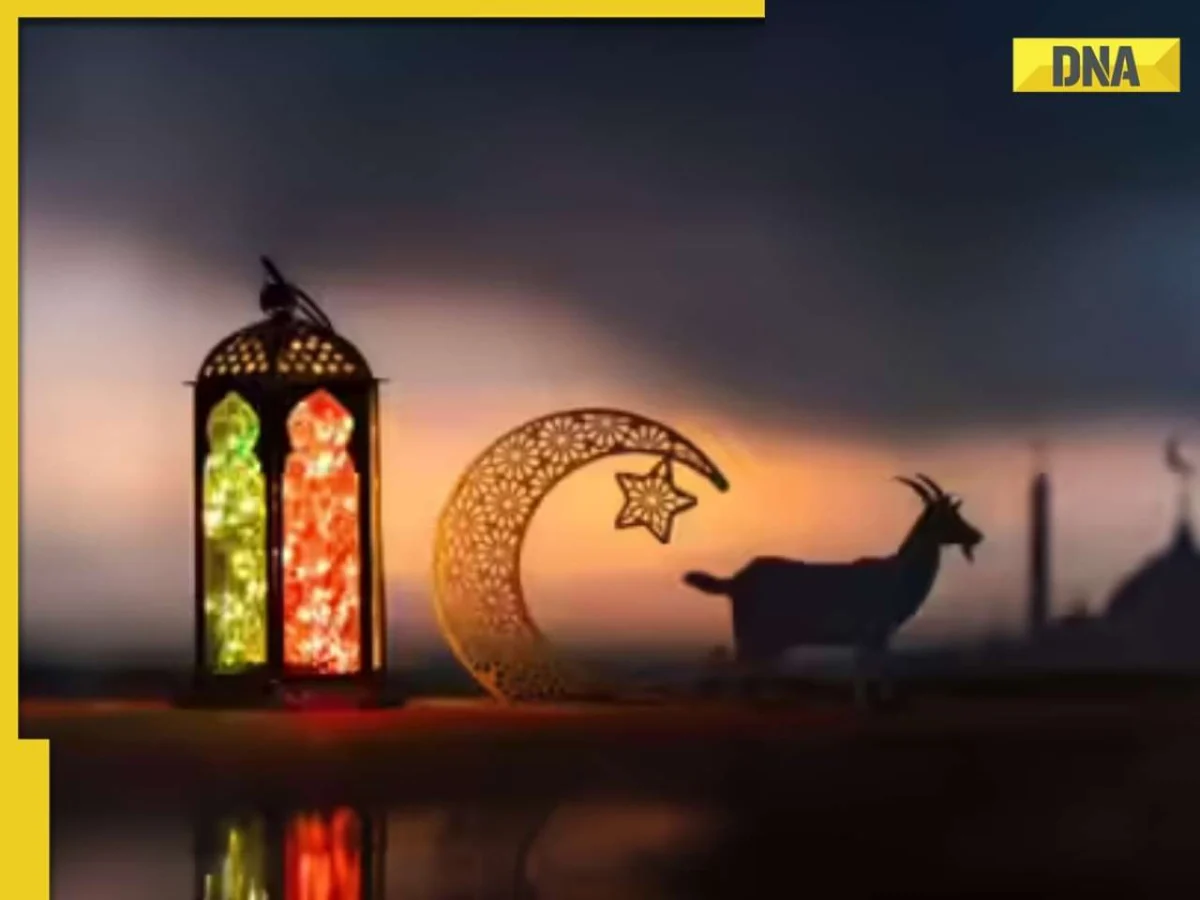
As the auspicious occasion of Eid-ul-Adha, also known as Bakrid, draws near in 2026, Muslims worldwide prepare to commemorate a profound festival rooted in faith, devotion, and the spirit of sacrifice. This sacred observance, steeped in history and spiritual significance, offers a vital opportunity for reflection, gratitude, and the strengthening of bonds within families and communities. To facilitate the sharing of joy, peace, and blessings, we present a comprehensive collection of 30 heartfelt Eid Mubarak wishes, quotes, and messages, designed to resonate with the spirit of this cherished holiday.
Eid-ul-Adha stands as one of the two most significant festivals in Islam, commemorating the willingness of Prophet Ibrahim (Abraham) to sacrifice his son as an act of obedience to Allah. The divine intervention that spared his son, replacing him with a ram, forms the core narrative of this festival, emphasizing the paramount importance of submission to God’s will and the rewards of unwavering faith. Beyond its historical and theological underpinnings, Eid-ul-Adha is a vibrant celebration that brings people together, fostering a sense of unity and shared purpose.
)
The spiritual essence of Eid-ul-Adha is deeply intertwined with the concept of sacrifice, not only in its literal sense through the ritual of animal slaughter (Qurbani) but also metaphorically. It calls for Muslims to sacrifice their selfish desires, ego, and worldly attachments in favor of spiritual growth and devotion to Allah. This act of self-discipline and purification is a cornerstone of the festival, encouraging individuals to strive for a more righteous and compassionate life.

The days leading up to Eid-ul-Adha are marked by anticipation and preparation. Families engage in cleaning their homes, purchasing new clothes, and preparing special delicacies. The air is often filled with the aroma of traditional sweets and savory dishes, reflecting the culinary heritage of various Muslim communities. The Qurbani, a central ritual, involves the sacrifice of a permissible animal, with the meat traditionally divided into three parts: one for the family, one for relatives and friends, and one for the less fortunate. This equitable distribution underscores the Islamic principle of social responsibility and charity.
)
As the crescent moon signals the start of the Islamic month of Dhu al-Hijjah, the pilgrimage to Mecca, Hajj, also culminates. This spiritual journey, undertaken by millions of Muslims, further amplifies the significance of Eid-ul-Adha, as it is the day of the Great Feast of Sacrifice, a culmination of devotion and a profound spiritual experience.
)
In the spirit of spreading goodwill and celebrating this momentous occasion, sharing heartfelt messages and greetings is an integral part of the festivities. These wishes serve as a bridge, connecting loved ones, near and far, and reinforcing the shared joy and blessings of Eid-ul-Adha. Whether spoken, written, or sent digitally, these messages carry the weight of good intentions and the warmth of communal celebration.
)
The Significance of Eid-ul-Adha: A Deeper Dive
Eid-ul-Adha is more than just a festival; it is a profound reminder of several key tenets of Islam:
)
- Unwavering Faith and Submission: The story of Prophet Ibrahim’s willingness to sacrifice his son is a testament to the ultimate surrender to Allah’s command. It teaches believers to place their trust in the Almighty, even in the face of seemingly insurmountable challenges.
- The Spirit of Sacrifice (Qurbani): The ritual of Qurbani is a physical manifestation of this sacrifice. It symbolizes the shedding of material desires and the dedication of one’s resources for the sake of Allah and for the benefit of the community. The distribution of the meat ensures that the blessings of the festival reach those in need, embodying the Islamic values of compassion and empathy.
- Gratitude and Thanksgiving: Following the act of sacrifice and the remembrance of Allah’s mercy, Eid-ul-Adha is a time for profound gratitude. Muslims express their thankfulness for the blessings they have received, for their faith, and for the opportunities to serve humanity.
- Community and Unity: The festival is a powerful unifier, bringing together families, friends, and neighbors in prayer, feasting, and shared celebration. It transcends social and economic divides, fostering a sense of brotherhood and sisterhood among Muslims globally.
- Charity and Compassion: The emphasis on sharing the meat of the sacrifice highlights the importance of charity (Sadaqah) and helping the less fortunate. Eid-ul-Adha serves as a powerful reminder to extend kindness and support to all members of society.
Chronology of Eid-ul-Adha Celebrations
While the exact date of Eid-ul-Adha varies annually according to the Islamic lunar calendar, the preparations and celebrations follow a consistent pattern:
)
- First Day of Dhu al-Hijjah: The sighting of the new moon marks the beginning of the Islamic month of Dhu al-Hijjah. This is a significant period for Muslims, as it is the month in which the Hajj pilgrimage takes place and the festival of Eid-ul-Adha is celebrated. Many Muslims observe voluntary fasting during the first ten days of Dhu al-Hijjah, particularly on the Day of Arafah.
- Day of Arafah (9th Dhu al-Hijjah): The day preceding Eid-ul-Adha is known as the Day of Arafah. This is a highly sacred day, marked by intense prayer, supplication, and remembrance of Allah. It is considered one of the most meritorious days for fasting, as it is believed to expiate the sins of the past year and the coming year. Pilgrims on Hajj spend the entire day in prayer and reflection on the plain of Arafat.
- Eid-ul-Adha (10th Dhu al-Hijjah): This is the main day of the festival. Muslims gather for congregational Eid prayers in mosques and open grounds. Following the prayers, the ritual of Qurbani is performed. Families then gather to share meals and exchange greetings.
- Tashreeq Days (11th, 12th, and 13th Dhu al-Hijjah): These are the three days immediately following Eid-ul-Adha. They are also considered days of feasting and remembrance. The practice of Qurbani may continue during these days, and Muslims are encouraged to engage in prayer, remembrance of Allah, and the continuation of festive gatherings.
Supporting Data and Cultural Practices
The observance of Eid-ul-Adha is deeply ingrained in the cultural fabric of Muslim societies across the globe. While the core tenets remain the same, regional variations in customs and traditions add a unique flavor to the celebrations:
)
- Culinary Traditions: Each region boasts its signature dishes prepared for Eid-ul-Adha. In South Asia, dishes like Biryani, Korma, and various sweets like Gulab Jamun and Jalebi are popular. In the Middle East, grilled meats like Kebabs and Mandi are often central to the feast. North African countries might feature tagines and couscous. These culinary traditions are passed down through generations, adding a rich layer of cultural heritage to the festival.
- Dressing in New Attire: Wearing new or best-available clothing is a common practice, symbolizing a fresh start and the joyous nature of the festival. Families often coordinate their outfits, adding to the festive atmosphere.
- Gifts and Eidi: It is customary for elders to give gifts, known as "Eidi," to younger family members, typically in the form of money. This practice instills a sense of generosity and is a way of sharing the blessings of the festival.
- Community Gatherings: Beyond family, Eid-ul-Adha is a time for visiting friends, neighbors, and extended relatives. These gatherings strengthen social bonds and foster a sense of collective joy and belonging.
- Charitable Contributions: Beyond the obligatory Qurbani distribution, many Muslims also make additional charitable donations during Eid-ul-Adha, further embodying the spirit of compassion and solidarity.
Official Responses and Global Observance
Eid-ul-Adha is a public holiday in many Muslim-majority countries and is widely observed by Muslim communities worldwide. Governments often issue official statements extending greetings and wishing their citizens a blessed festival. Religious scholars and leaders play a crucial role in guiding the community on the religious aspects of the observance, emphasizing the ethical and spiritual dimensions of the festival.
)
The global observance of Eid-ul-Adha highlights its unifying power. Despite geographical distances and cultural differences, Muslims share a common thread of faith and devotion, celebrating this sacred occasion with shared rituals and sentiments. International organizations and interfaith dialogues often acknowledge the significance of Eid-ul-Adha, promoting understanding and respect among diverse communities.
)
Implications of Eid-ul-Adha
The implications of Eid-ul-Adha extend far beyond the immediate festivities:
)
- Spiritual Renewal: The festival provides an annual opportunity for Muslims to reconnect with their faith, reflect on their spiritual journey, and recommit themselves to the principles of Islam.
- Strengthening Family and Social Bonds: The emphasis on togetherness and shared celebrations reinforces familial ties and strengthens the social fabric of communities.
- Promoting Empathy and Social Justice: The act of sacrifice and the equitable distribution of resources serve as a powerful reminder of the importance of compassion, charity, and addressing social inequalities.
- Cultural Preservation: The continuation of traditional practices, culinary arts, and social customs associated with Eid-ul-Adha ensures the preservation of cultural heritage for future generations.
- Global Unity: The shared experience of celebrating Eid-ul-Adha fosters a sense of global solidarity among Muslims, transcending national borders and cultural divides.
Heartfelt Eid Mubarak Wishes, Quotes, and Messages for 2026
As we prepare to welcome Eid-ul-Adha in 2026, here are 30 heartfelt messages to share with your loved ones, embodying the spirit of joy, peace, and blessings:
)
10 Best Eid Mubarak Wishes:
)
- May Allah’s blessings be upon you and your family this Eid-ul-Adha. Eid Mubarak!
- Wishing you a joyous and peaceful Eid, filled with love, laughter, and delicious feasts.
- May this Eid bring you closer to your loved ones and fill your heart with happiness. Eid Mubarak!
- On this blessed occasion of Eid-ul-Adha, I pray for your happiness, health, and prosperity.
- May your faith be strengthened and your prayers answered this Eid. Eid Mubarak!
- Wishing you a day of immense blessings, profound gratitude, and boundless joy.
- May the spirit of sacrifice and devotion fill your life with divine grace. Eid Mubarak!
- Sending you my warmest wishes for a truly wonderful Eid-ul-Adha.
- May this Eid be a source of peace, harmony, and renewed hope in your life.
- Wishing you a Bakrid filled with the sweet aroma of traditions and the warmth of togetherness.
The Best Eid Quotes:
)
- "Eid is a gift from Allah. It is a day to celebrate with loved ones and share the blessings of the Almighty." – Unknown
- "The true spirit of Eid lies not just in the feasting, but in the sharing and the remembering of Allah’s countless blessings." – Unknown
- "Sacrifice is the essence of Eid-ul-Adha. May we learn to sacrifice our selfishness for the greater good." – Unknown
- "Let the spirit of Eid-ul-Adha ignite the fire of compassion and kindness in our hearts." – Unknown
- "On Eid, we celebrate not just a historical event, but the enduring power of faith, obedience, and divine love." – Unknown
- "May this Eid remind us that true happiness comes from giving, sharing, and living in accordance with divine principles." – Unknown
- "Eid-ul-Adha is a beacon of hope, reminding us that with faith and sacrifice, anything is possible." – Unknown
- "The greatest gift of Eid is the strengthened bond of community and the shared joy of faith." – Unknown
- "Let us embrace the lessons of Prophet Ibrahim’s devotion and strive to live lives of unwavering commitment to Allah." – Unknown
- "May the blessings of Eid-ul-Adha illuminate your path and fill your life with divine peace and contentment." – Unknown
10 Best Eid Messages:
)
- Dear family, wishing you a very Happy Eid-ul-Adha. May your homes be filled with joy, your hearts with peace, and your lives with countless blessings.
- To my dearest friends, may this Eid bring you immense happiness, good health, and prosperity. Eid Mubarak to you and your loved ones!
- On this auspicious day of Bakrid, I pray that Allah accepts all your sacrifices and grants you immense rewards. Eid Mubarak!
- May the spirit of Eid-ul-Adha inspire us to be more compassionate, generous, and devoted. Wishing you a blessed celebration.
- Sending you my heartfelt wishes for a beautiful Eid. May it be a day of spiritual reflection, joyous gatherings, and sweet memories.
- Eid Mubarak! May the divine blessings of Allah bring you peace, joy, and fulfillment in every aspect of your life.
- As we celebrate Eid-ul-Adha, let us remember the importance of sacrifice, gratitude, and sharing. Wishing you a truly meaningful and happy celebration.
- May your faith shine brighter this Eid, and may you be blessed with all that your heart desires. Eid Mubarak!
- Thinking of you on this special occasion. Wishing you and your family a very Happy Eid-ul-Adha filled with love and laughter.
- May this Eid be a reminder of the beauty of faith and the strength of unity. Eid Mubarak to you and all your loved ones.
In conclusion, Eid-ul-Adha 2026 is a significant occasion for Muslims worldwide to embrace the core values of faith, sacrifice, and gratitude. By sharing heartfelt wishes and messages, we can amplify the spirit of joy, peace, and blessings, strengthening our bonds and fostering a sense of community. May this Eid be a source of profound spiritual renewal and a celebration of unity and compassion for all.
