

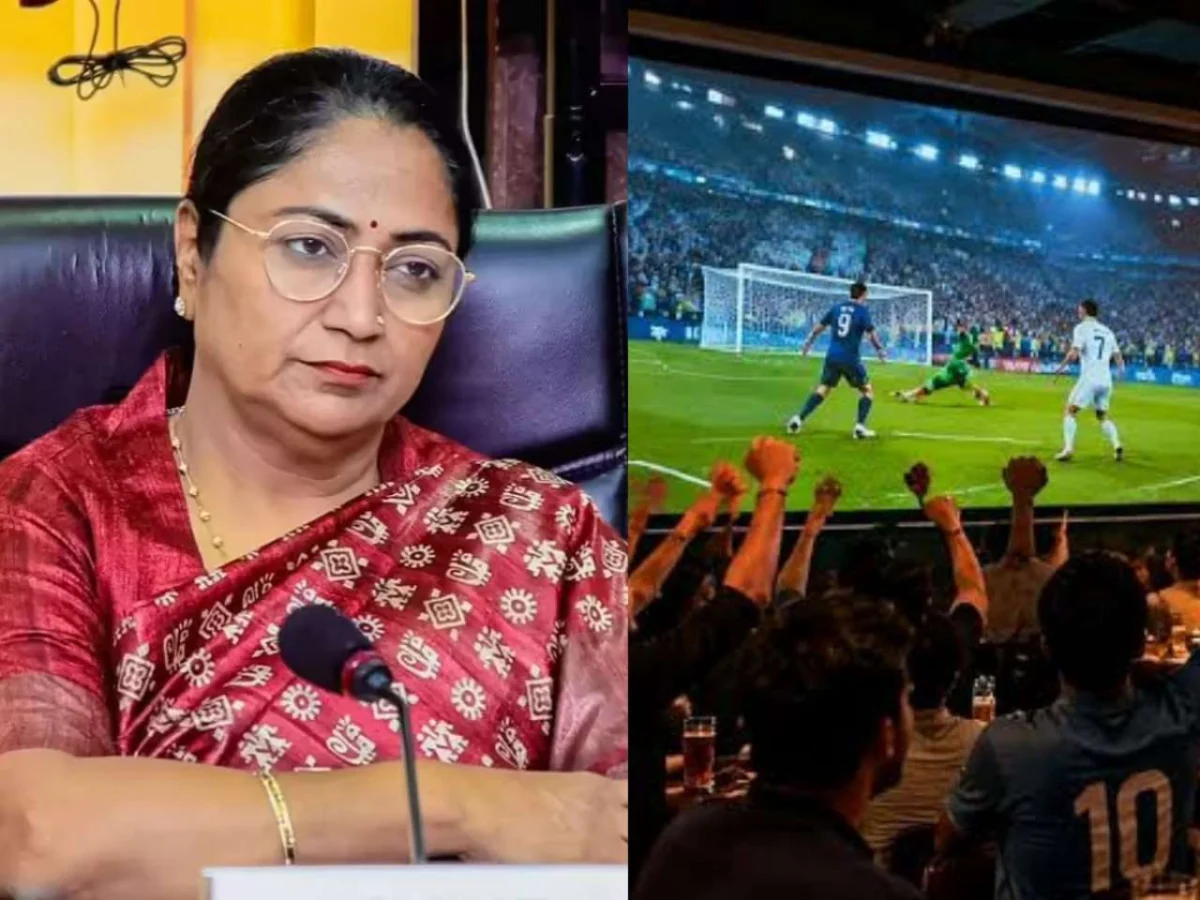
Historic Announcement: Delhi’s Eateries to Open Until 4 AM for FIFA World Cup Final
NEW DELHI, India – In a move set to electrify football enthusiasts across the National Capital Region, Delhi Chief Minister Rekha Gupta has announced a special exemption allowing restaurants, cafes, and other eateries to remain open until 4:00 AM. This unprecedented decision caters directly to the fervent demand of football fans eager to witness the highly anticipated FIFA World Cup 2026 final between South American giants Argentina and European powerhouse Spain. The final, scheduled for July 20, 2026, will kick off at 12:30 AM IST, making the extended hours crucial for communal viewing experiences.
The announcement, made by Chief Minister Gupta, underscores Delhi’s growing embrace of global sporting events and its commitment to fostering a vibrant urban culture. It provides the perfect backdrop for what promises to be a historic clash: a generational battle between football legend Lionel Messi, potentially making his final World Cup appearance at 39, and Spain’s prodigious 19-year-old sensation, Lamine Yamal, a player who openly idolises the Argentine maestro. This final also marks a rare occurrence, being the first in 60 years to feature both the reigning South American and European champions.
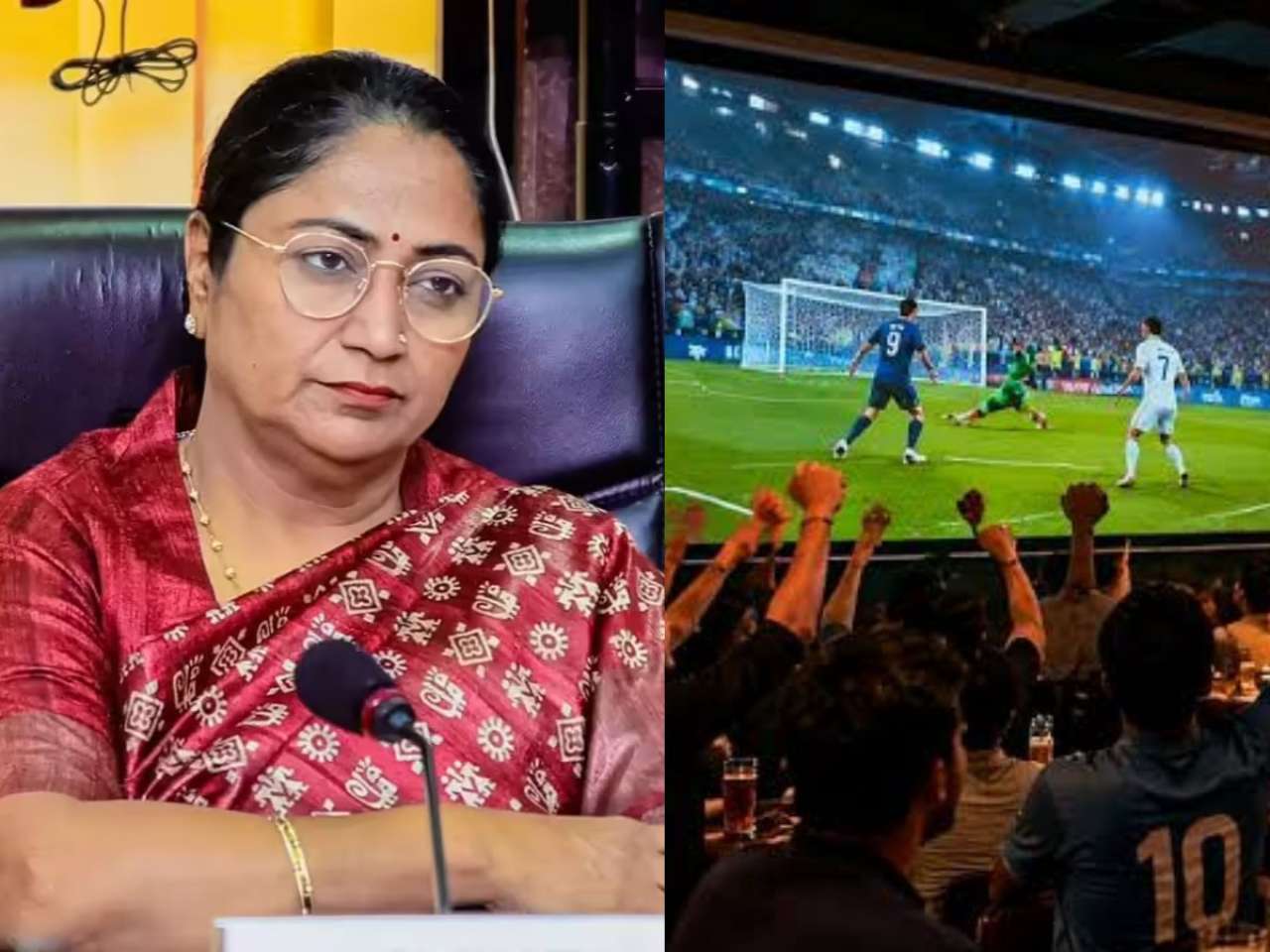
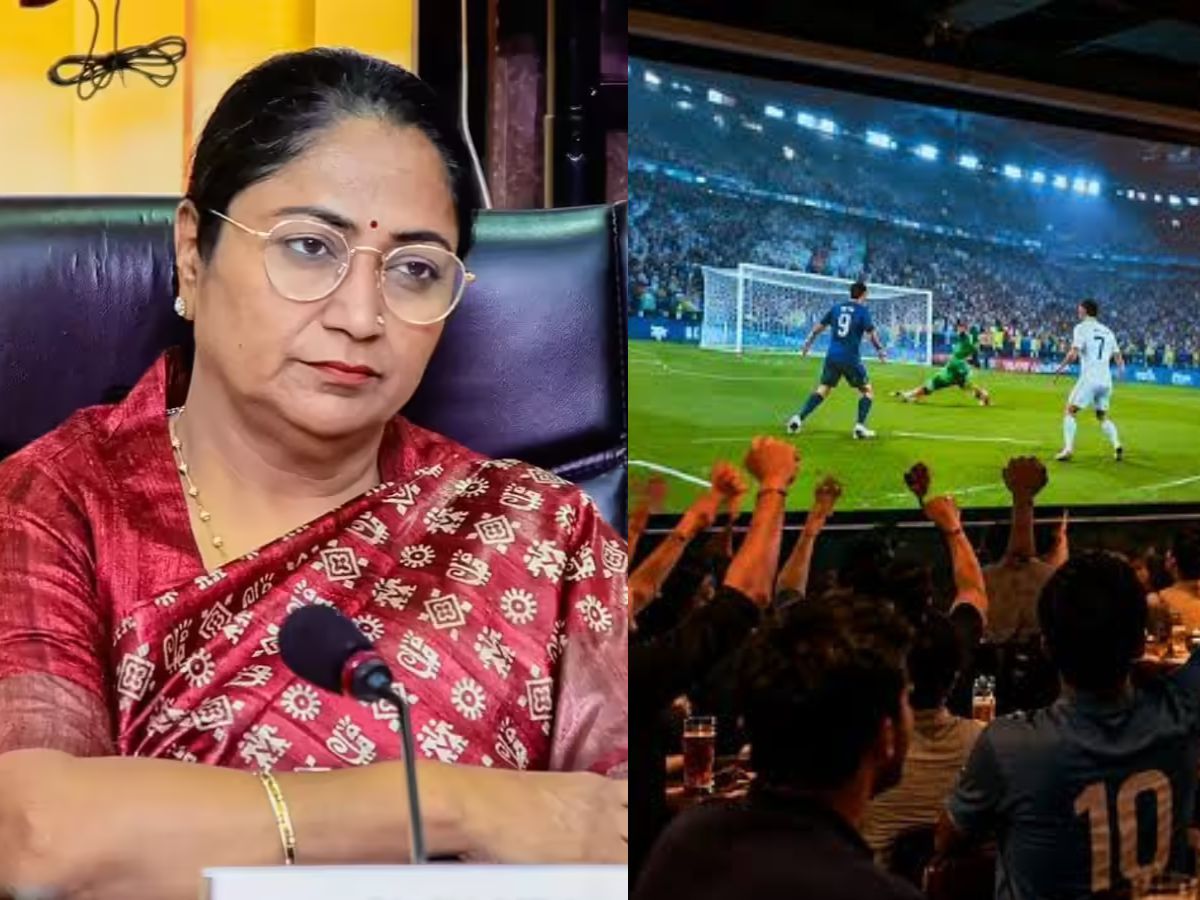
The decision has been met with widespread enthusiasm, transforming what would typically be a quiet Sunday morning into a city-wide celebration of football. From bustling urban cafes to quieter neighbourhood eateries, establishments are now preparing to host thousands of passionate supporters, creating an atmosphere reminiscent of a grand festival.
A Chronology of Delhi’s Late-Night Evolution and Sporting Spectacles
Delhi’s recent decision to extend operating hours for its hospitality sector is not an isolated event but rather a significant step within a broader, ongoing transformation of the city’s nightlife and business environment. For years, the capital has grappled with restrictive operating hours, often limiting restaurants and cafes to closing by midnight or 1 AM. This has been a persistent point of contention for both business owners and residents seeking a more dynamic urban experience.
)
The Genesis of the "24×7 Business-Friendly Operating Framework"
The current administration, under Chief Minister Rekha Gupta, has been a vocal proponent of liberalising Delhi’s economy and enhancing its global appeal. A cornerstone of this vision is the "24×7 business-friendly operating framework," a comprehensive reform initiative launched to simplify licensing, reduce bureaucratic hurdles, and enable businesses to operate round-the-clock where feasible and appropriate. This framework aims to not only boost the city’s economy by increasing revenue and employment but also to align Delhi with other major global metropolises that boast thriving late-night economies. The underlying philosophy is to foster an environment where businesses can cater to diverse consumer demands, whether for essential services or leisure activities, at any hour.
The FIFA World Cup 2026 final serves as a high-profile litmus test and a prime example of how this framework can be leveraged. Prior to this, smaller-scale exemptions or temporary permits might have been granted, but a blanket announcement for such a significant event signals a more systematic and proactive approach from the government. The Chief Minister’s office highlighted that the existing "24×7 business-friendly operating framework" directly facilitated this decision, showcasing its practical application in enabling extended hours for approved venues.

Precedents and Anticipation for Sporting Events
India, and particularly Delhi, boasts a massive and dedicated sports fan base. While cricket traditionally dominates the sporting landscape, football’s popularity has surged dramatically over the past two decades. Major international tournaments like the FIFA World Cup and the UEFA Champions League command significant viewership, often leading to spontaneous gatherings and unofficial late-night screenings in homes and community centres.
In the past, for events like the Cricket World Cup finals or previous FIFA World Cups, some establishments might have applied for special, often cumbersome, one-off permits. However, a city-wide, government-backed directive for late-night operations on this scale is relatively novel. This streamlined approach eliminates much of the red tape for individual businesses, allowing them to focus on preparing for the influx of customers. The anticipation leading up to the 2026 final has been palpable, with social media buzzing for weeks about potential viewing arrangements. Fan groups for both Argentina and Spain, which have significant followings in Delhi, have been particularly active, expressing excitement for the opportunity to celebrate together. This proactive government response reflects an understanding of the cultural significance of such events and a desire to provide legitimate, safe avenues for public enjoyment.
)
Supporting Data: The Match, Fan Culture, and Economic Impact
The FIFA World Cup 2026 final is more than just a football match; it’s a cultural phenomenon with profound implications for the global sporting landscape, Delhi’s fan culture, and its local economy.
The Epicentre of Global Football: Argentina vs. Spain
The final pits two footballing titans against each other in a contest laden with narrative depth. Argentina, the reigning champions from 2022, are seeking their fourth World Cup title, an achievement that would solidify their status as one of the most dominant nations in football history. All eyes are on Lionel Messi, who, at 39, is defying conventional sporting timelines. His return to the world stage, possibly for a swansong performance, adds an almost mythological layer to the event. For many, his presence represents the culmination of an extraordinary career, a final opportunity to witness greatness.
)
Across the pitch stands Spain, a team revitalised and spearheaded by the astonishing talent of Lamine Yamal. At just 19 years old, Yamal has emerged as one of the brightest prospects in world football, captivating audiences with his skill, vision, and maturity beyond his years. The fact that Yamal grew up idolising Messi creates a captivating intergenerational narrative – the established king against the heir apparent. It’s not merely a battle for the coveted golden trophy, but a symbolic passing of the torch, a clash between two distinct eras of footballing brilliance.
Adding to the historical weight, this is the first time in 60 years that a World Cup final features both the reigning South American and European champions, promising a contest of unparalleled quality and strategic depth. The match will be held at the iconic MetLife Stadium in the New York-New Jersey area, temporarily rebranded as the New York-New Jersey Stadium for the tournament. This massive venue, typically home to NFL giants, will be transformed into a global footballing arena, capable of hosting tens of thousands of fans and transmitting the electrifying atmosphere worldwide.
)
Delhi’s Passionate Fan Base
Delhi, much like the rest of India, is home to a passionate and diverse football fan base. While historically influenced by European leagues, the success of South American teams, particularly Argentina and Brazil, has cultivated strong allegiances. Lionel Messi, in particular, commands a near-devotional following in India, often seen as a global icon transcending sport. The opportunity to watch him potentially lift the World Cup trophy for a second consecutive time, and in a public, celebratory setting, is an irresistible draw.
Fans typically congregate in various settings for such high-stakes matches. While many prefer the comfort of home viewing, the communal experience offered by sports bars, pubs, and now, extended-hour cafes and restaurants, holds immense appeal. These venues offer large screens, an electric atmosphere, shared camaraderie, and the immediate collective emotional responses that make live sports so compelling. The extended hours mean that fans can gather, dine, socialise, and celebrate (or commiserate) without the pressure of an early closing time, significantly enhancing the overall experience.
)
Economic Windfall for the Hospitality Sector
The Chief Minister’s announcement is expected to deliver a significant economic boost to Delhi’s hospitality sector. Restaurants, cafes, and eateries, which often see a lull in business during the late-night hours, are now bracing for a surge in customers. This translates into increased revenue from food and beverage sales, potentially higher tips for staff, and an overall uplift in business activity.
Industry experts predict that the extended hours could lead to a revenue increase of 20-30% for participating establishments over the final weekend. This windfall is not limited to just the F&B sector; it has ripple effects across related industries. Food delivery services will likely see a spike in orders, transportation networks (taxis, ride-sharing services) will experience increased demand for late-night commutes, and even local suppliers of ingredients could see an uptick in orders as establishments stock up. Moreover, the creation of temporary employment opportunities, particularly for service staff, security personnel, and cleaners, further contributes to the local economy. This initiative showcases how strategic policy decisions can directly stimulate economic activity, especially during unique cultural events.
)
Official Responses and Public Sentiment
The announcement by Chief Minister Rekha Gupta has resonated widely, drawing reactions from government officials, industry stakeholders, and the public, all contributing to an atmosphere of excitement and anticipation.
Chief Minister Rekha Gupta’s Vision
Chief Minister Rekha Gupta, in her official statement and via her post on X (formerly Twitter), articulated the core rationale behind the decision. "Every generation remembers its World Cup Final. Delhi will remember this one together," she posted, capturing the sentiment of collective experience. She further elaborated, "History is about to be made, and our city is ready." Gupta emphasized that this move was not merely an ad-hoc decision but a direct outcome of the city’s proactive "24×7 business-friendly operating framework," a testament to her administration’s commitment to urban reform. "With the city’s 24×7 business-friendly operating framework already in place under the leadership of Chief Minister Smt. Rekha Gupta, restaurants, cafés and other eligible establishments across Delhi are empowered to extend their operating hours to cater to the immense enthusiasm for the FIFA World Cup 2026 Final," the official CMO Delhi account further elaborated, linking the policy to real-world application. This messaging highlights the government’s dual objective: fostering economic growth and enriching public life.
)
Industry Enthusiasm and Preparations
Representatives from Delhi’s hospitality industry have overwhelmingly welcomed the decision. "This is fantastic news for us," stated Rakesh Sharma, President of the Delhi Restaurant Association. "The FIFA World Cup final is a global spectacle, and now our establishments can truly be a part of it. We anticipate record footfall and revenue. It’s a win-win for businesses and football fans." Individual café owners are already making elaborate preparations. "We’re installing extra screens, planning special menus, and ensuring we have enough staff on duty," shared Priya Singh, owner of ‘The Goal Post Cafe’ in Connaught Place. "The buzz is incredible. We expect to be fully booked." Many establishments are promoting their late-night screenings through social media, using hashtags like #FIFAWorldCup2026, #DelhiFootballFever, and #LateNightDelhi, further amplifying the excitement. Challenges, however, remain. Ensuring adequate staffing for extended hours, managing security, and coordinating with local authorities for smooth operations are key considerations for business owners.
Public Reaction and Fan Frenzy
The public’s reaction has been overwhelmingly positive. Social media platforms are abuzz with fans sharing plans, debating match outcomes, and expressing gratitude for the government’s decision. "This is exactly what Delhi needed! Watching the final with friends in a buzzing cafe is an experience you can’t get at home," exclaimed Rohan Mehra, a self-proclaimed Argentina fan from Dwarka. Another fan, Anya Sharma, rooting for Spain, added, "It makes such a difference to have places open late. It’s a huge relief not to worry about being rushed out right after the whistle." The sentiment underscores a deep desire among Delhiites for more dynamic and accessible nightlife options, particularly for culturally significant events. The #FIFAWorldCup2026 hashtag is trending locally, filled with memes, predictions, and celebratory messages, indicating a city fully immersed in football fever.
)
Implications: A Glimpse into Delhi’s Future
The decision to extend operating hours for the FIFA World Cup 2026 final carries significant implications, pointing towards a broader transformation of Delhi’s urban landscape and its future as a global city.
Enhancing Delhi’s Global Image
By facilitating late-night communal viewing of a major international event, Delhi is consciously projecting itself as a vibrant, modern, and globally connected city. This move aligns the capital with other world cities like London, New York, and Dubai, which offer diverse and accessible entertainment options around the clock. Such initiatives contribute to Delhi’s soft power, making it more attractive for tourism, international events, and global talent. It signals a shift from a historically early-closing city to one that embraces a dynamic, 24/7 lifestyle.
)
A Precedent for Future Events
The success of this initiative could set a powerful precedent for future major events. Whether it’s another FIFA World Cup, the Olympics, major cricket tournaments, or even significant cultural festivals and concerts, the framework established for the 2026 final could be readily adapted. This offers a consistent and predictable policy for businesses, encouraging investment in infrastructure and staffing to cater to such demand. It moves beyond ad-hoc permissions to a more structured approach, indicating a long-term vision for urban event management.
The Future of Delhi’s Nightlife
The "24×7 business-friendly operating framework" is at the heart of this transformation. While the FIFA World Cup final provides a high-profile application, the long-term goal is to foster a more robust and diverse nightlife year-round. This involves not just extending hours for eateries but also potentially for retail, cultural venues, and public services. A truly 24/7 city promises greater economic opportunity, enhanced public convenience, and a richer cultural tapestry. It aims to create a city where businesses can thrive and citizens can access services and entertainment at their leisure, regardless of the hour. This vision aims to position Delhi not just as India’s capital, but as a leading global metropolis.
)
Addressing Challenges and Considerations
While the benefits are clear, extending operating hours also brings forth critical considerations that require careful planning and execution.
- Security: Ensuring public safety and security for late-night crowds will be paramount. This will necessitate enhanced police patrolling, coordination with venue security, and potentially implementing stricter entry protocols at establishments.
- Public Transportation: For the initiative to be truly inclusive and successful, adequate late-night public transportation options (metro, buses, ride-sharing services) must be available to ensure fans can travel safely to and from venues.
- Responsible Consumption: With extended hours, especially for an event as exciting as a World Cup final, ensuring responsible alcohol consumption and preventing public disorder will be a key challenge for both establishments and law enforcement.
- Waste Management and Noise Pollution: Increased late-night activity will generate more waste and potential noise. Effective waste management strategies and noise control measures will be crucial, particularly in residential areas.
- Staff Welfare: Ensuring that hospitality staff working extended hours are compensated fairly and have adequate rest periods is an important ethical and operational consideration for business owners.
Despite these challenges, the overwhelming sentiment is one of optimism. The confluence of a historic football match, a proactive government policy, and an enthusiastic public promises an unforgettable night for Delhi. As the Opta supercomputer predicts Spain with a 59.46% chance of taking home the trophy against Argentina’s 40.54%, the stage is set for a dramatic showdown. With great football, a captivating narrative, and Delhi’s vibrant nightlife buzzing well into the morning, the FIFA World Cup 2026 final is poised to be an indelible chapter in the city’s ongoing evolution. It’s a night where sport, culture, and urban ambition converge, showcasing Delhi’s readiness to embrace its role on the global stage.
