

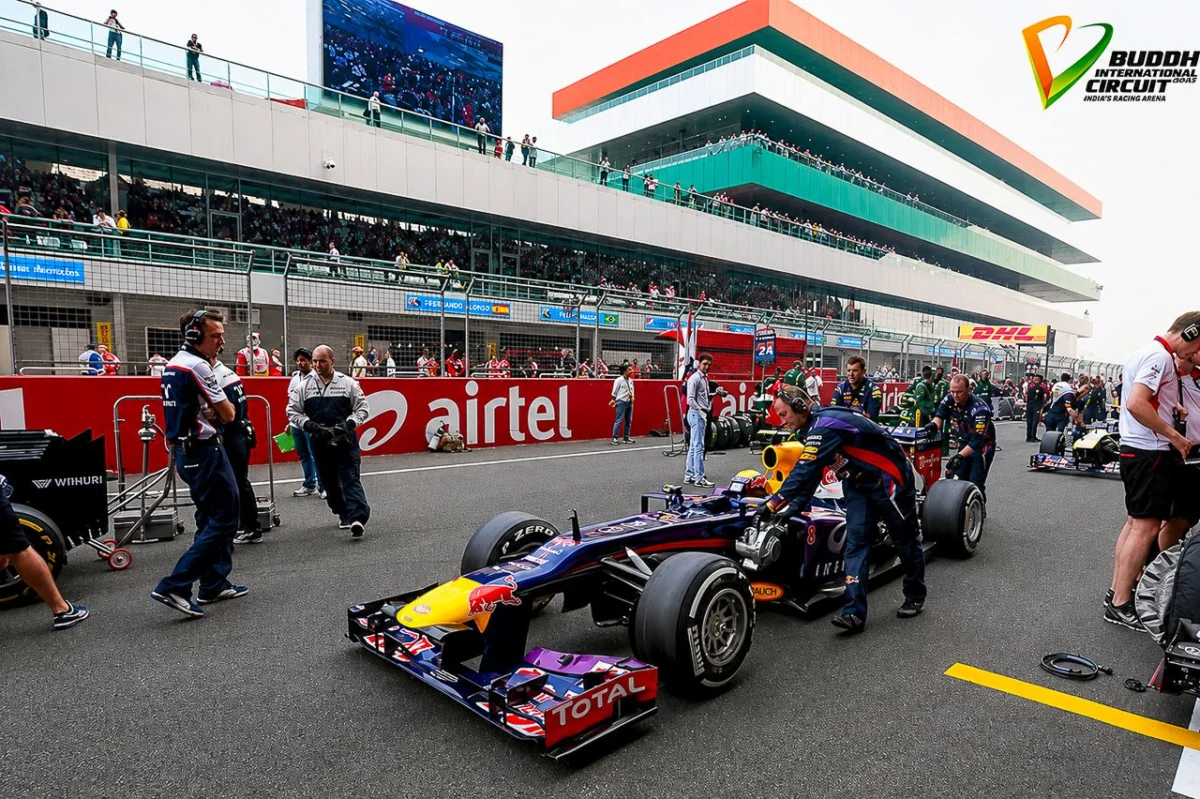
The roar of naturally aspirated V8 engines once echoed through the Yamuna Expressway in 2011, marking what many believed was the dawn of a new era for Indian motorsports. However, that dream was short-lived, sputtering to a halt after just three seasons due to a quagmire of bureaucratic red tape and taxation disputes. Today, more than a decade since Sebastian Vettel took his final bow at the Buddh International Circuit (BIC), the tide is turning. A concerted effort led by the Government of India, in tandem with one of the nation’s largest industrial conglomerates, is paving the way for a Formula 1 return, with a definitive target set for 2028.
Main Facts: A Renewed Vision for Indian Excellence
The resurgence of interest in hosting a Grand Prix is not merely a nostalgic whim but a calculated strategic move. According to recent reports, the Indian government has initiated high-level discussions to resolve the systemic issues that led to the event’s departure in 2013. The primary objective is to re-establish the Indian Grand Prix as a permanent fixture on the FIA Formula 1 World Championship calendar.
Key to this revival is the involvement of the Union Ministry of Youth Affairs and Sports. Minister Mansukh Mandaviya has reportedly taken a proactive stance, chairing meetings with the Federation of Motor Sports Clubs of India (FMSCI) and potential private partners. The most significant development is the emergence of the Adani Group as a central figure in this narrative. The conglomerate is reportedly in the final stages of acquiring the assets associated with the Buddh International Circuit, providing the financial muscle and logistical expertise necessary to meet modern F1 standards.
Furthermore, a dedicated inter-departmental task force is being established. This body, coordinated by NITI Aayog, will serve as a "single-window" clearance system to navigate the complexities of customs, taxation, and international sporting regulations.
Chronology: From Debut to Disarray and the Path to Rebirth
To understand the weight of the 2028 target, one must examine the tumultuous history of the event:
- 2011: The Grand Debut. The inaugural Indian Grand Prix was held at the newly constructed, Hermann Tilke-designed Buddh International Circuit. It was hailed as a technical masterpiece, featuring one of the longest straights in F1 and a challenging "climb" at Turn 3.
- 2012–2013: Success on Track, Failure Off-Track. While the races were well-received by drivers and fans, behind the scenes, the promoters (Jaypee Group) were locked in a battle with the Uttar Pradesh government. The state refused to grant the race "sporting" status, instead classifying it as "entertainment," which carried significantly higher tax implications.
- 2014: The Hiatus Begins. F1 management (then under Bernie Ecclestone) removed India from the calendar, citing the logistical nightmare of clearing equipment through Indian customs and the unresolved tax liabilities.
- 2015–2023: The Dark Decade. The BIC fell into a state of relative disuse for international events. Legal battles over land and debt plagued the original owners, leading to the circuit being sealed at various points.
- 2024–2025: The Turning Point. The successful hosting of MotoGP Bharat at the BIC proved that the circuit remained world-class and that there was still a massive appetite for top-tier motorsports in India.
- 2026–2028: The Roadmap. The government initiates formal talks with Liberty Media (the current owners of F1), focusing on a 2028 return to allow for infrastructure upgrades and legislative amendments.
Supporting Data: The Economic and Sporting Case for India
The push for a 2028 return is backed by compelling data. Formula 1 has seen an unprecedented global explosion in popularity, largely driven by digital engagement and the "Drive to Survive" phenomenon. India, with its young demographic and growing middle class, represents one of the largest untapped markets for the sport.
- Viewership Trends: Internal data suggests that India is among the top five markets globally for F1 social media engagement. Domestic viewership on streaming platforms like FanCode and F1TV has seen double-digit year-on-year growth, despite the lack of a home race or a permanent Indian driver on the current grid.
- Economic Impact: Modern F1 races act as massive economic catalysts. For instance, the Singapore Grand Prix generates approximately $100 million in incremental tourism receipts annually. A 2028 Indian GP is projected to attract over 100,000 international and domestic spectators, providing a massive boost to the hospitality, aviation, and local transport sectors in the National Capital Region (NCR).
- Infrastructure Readiness: The BIC remains an FIA Grade 1 circuit, the highest certification required to host F1. While it requires upgrades to its "Paddock Club" hospitality suites and digital broadcasting infrastructure, the core track layout remains one of the most respected by drivers globally.
Official Responses: A Unified Front
The current momentum is distinguished from previous attempts by the level of synergy between the public and private sectors.
Union Sports Minister Mansukh Mandaviya has emphasized that the government views sports as a pillar of national soft power. "We are looking at all hurdles that previously prevented the smooth conduct of the race. Our goal is to ensure that India is seen as a premier destination for global sporting spectacles," a source close to the ministry stated.
Stefano Domenicali, President and CEO of Formula 1, has been vocal about India’s potential. In recent interviews, he noted, "India is a great market. We have a big interest in returning, but it must be done with the right foundations. We need to ensure that the promoters are stable and that the government is fully supportive of the logistical requirements of a global traveling circus."
The Adani Group, while officially maintaining a "no comment" stance on specific acquisition details, has hinted at its broader ambitions. Karan Adani, Managing Director of Adani Ports and Special Economic Zone (APSEZ), has previously expressed a personal passion for bringing high-octane international events to India, viewing them as essential for the country’s "global brand" positioning.
Implications: More Than Just a Race
The return of Formula 1 in 2028 would carry implications that extend far beyond the asphalt of the Buddh International Circuit.
1. Diplomatic and Brand Image
Hosting an F1 race is often viewed as a "coming of age" for developing economies. For India, it serves as a showcase of its logistical prowess and ease of doing business. By resolving the tax hurdles that famously "chased away" the sport in 2013, the government sends a powerful message to global investors about the stability and predictability of the Indian regulatory environment.
2. Automotive and Engineering Growth
India is currently the world’s third-largest auto market. An F1 presence encourages global manufacturers to look at India not just as a manufacturing hub, but as a center for high-performance engineering. It provides a platform for Indian companies (like Tata or Mahindra, who already have presence in other tiers of motorsport) to deepen their technical collaborations with global giants.
3. The "Sporting" Status and Legal Precedents
One of the most critical implications is the reclassification of motorsports under Indian law. The task force’s work to define F1 as a "sport" rather than "entertainment" will set a precedent for other international events, such as the Olympic bid India is eyeing for 2036. This change will simplify customs duties for temporary imports—a major pain point for international athletes bringing specialized equipment into the country.
4. Tourism and Urban Development
The 2028 return would likely trigger a revitalization of the "Sports City" concept around the Yamuna Expressway. This involves the development of high-end hotels, theme parks, and commercial hubs, turning a seasonal race weekend into a year-round economic engine for the state of Uttar Pradesh.
Conclusion: The Final Lap to 2028
The journey to bring Formula 1 back to India is a marathon, not a sprint. While the 2028 target seems distant, the complexity of the task requires this four-year lead time. The formation of the government task force, the entry of a powerhouse like the Adani Group, and the softening stance of F1 management suggest that the mistakes of the past have been analyzed and are being corrected.
For the millions of Indian fans who have spent the last decade watching races in the early hours of the morning or late at night, the prospect of hearing the lights go out at the Buddh International Circuit once again is more than just a sporting dream—it is a symbol of India’s rising stature on the global stage. If the current trajectory holds, 2028 will not just be a return; it will be a redemption.
