

The landscape of the Indian lifestyle pickup truck segment is on the verge of a significant transformation. Toyota Kirloskar Motor (TKM) has officially set the stage for the debut of the 9th-generation Hilux, with an anticipated launch date of July 28th. As one of the most storied nameplates in automotive history, the Hilux carries a reputation for being "unbreakable," a claim bolstered by decades of service in the world’s most inhospitable environments. The upcoming iteration promises to blend this legendary ruggedness with contemporary technology and a refreshed design language, aiming to capture the growing demographic of adventure seekers and "overlanding" enthusiasts in the Indian market.
Main Facts: The New Face of Ruggedness
Recent teaser campaigns released by Toyota have provided a comprehensive glimpse into what the Indian audience can expect. The 9th-generation Hilux arrives with a more aggressive and athletic stance, moving away from the somewhat utilitarian aesthetic of its predecessors toward a premium, "lifestyle-first" design.
Aesthetic Overhaul and Exterior Enhancements
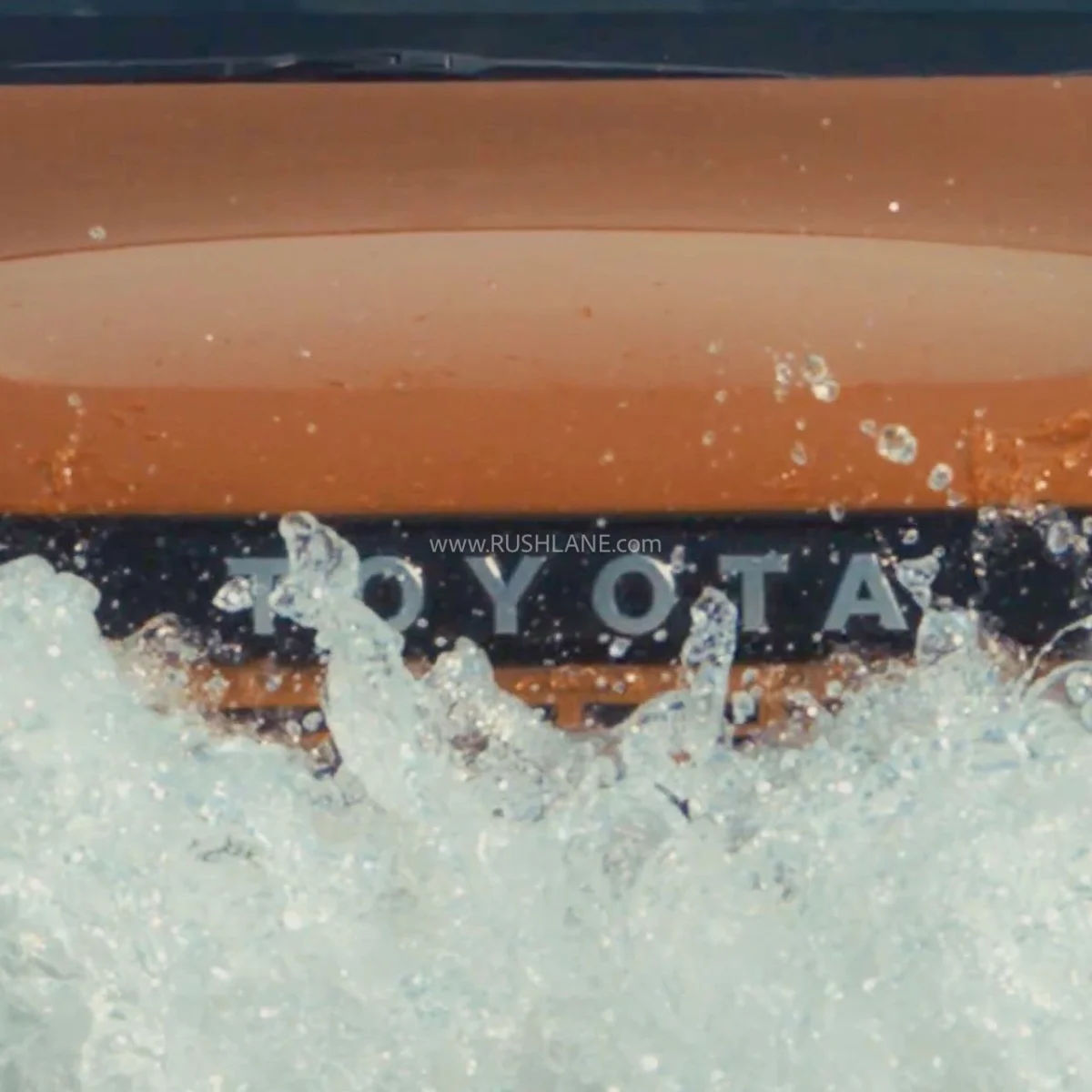
The most striking change revealed in the teaser is the departure from the traditional Toyota oval logo on the front grille. In its place, the new Hilux features bold, metallic "TOYOTA" lettering set against a blacked-out horizontal band. This design choice is a nod to Toyota’s classic off-roaders of the 1970s and 80s, successfully merging retro-cool with modern aggression.
The exterior is further characterized by:
- New Sulphur Metallic Shade: A vibrant, high-visibility color that has previously been reserved for top-tier variants in European markets.
- Advanced Lighting: Sleek, redesigned LED headlamps integrated with sharp Daytime Running Lights (DRLs).
- Structural Sculpting: A heavily stamped bonnet and boxier front bumpers that emphasize the vehicle’s width and stability.
- Blacked-out Elements: To enhance the sporty appeal, the 9th-gen Hilux features blacked-out OVRMs (Outside Rear View Mirrors), alloy wheels, door handles, and "Hilux" branding on the front doors.
- Utility Features: The rear remains functional yet stylish, featuring C-shaped vertical LED tail lamps and a rear bumper with an integrated step to allow easier access to the expansive cargo bed.
The Indian Powertrain Strategy
While global markets are seeing a shift toward electrification—with Toyota introducing 48V mild-hybrid diesel systems in Europe and showcasing Battery Electric Vehicle (BEV) Hilux prototypes in Thailand—the India-spec model is expected to remain rooted in proven internal combustion technology.
The 9th-generation Hilux in India will likely continue to utilize the venerable 2.8-litre, four-cylinder, turbocharged diesel engine. This powerhouse is known for its reliability and immense low-end torque, which is essential for off-roading and hauling heavy loads.
- Power Output: 204 PS.
- Torque (Manual): 420 Nm paired with a 6-speed gearbox.
- Torque (Automatic): 500 Nm paired with a 6-speed torque converter.
Chronology: The Hilux Journey in India
To understand the significance of the 9th-generation launch, one must look at the timeline of the Hilux’s presence in the subcontinent:

- Global Legacy (1968–Present): The Hilux has spanned eight generations globally before this update, selling over 20 million units worldwide. It became a household name through extreme tests, famously including a Top Gear segment where a Hilux survived being placed atop a demolished building.
- The Long Wait (Pre-2022): For decades, Indian off-road enthusiasts clamored for the Hilux, but Toyota remained hesitant due to the niche nature of the pickup market and the dominance of the Isuzu D-Max V-Cross.
- The 8th-Gen Indian Debut (March 2022): Toyota finally brought the Hilux to India in its 8th-generation avatar. It was positioned as a premium lifestyle vehicle rather than a commercial workhorse, sharing its IMV (Innovative International Multi-purpose Vehicle) platform with the Fortuner and Innova Crysta.
- Market Adjustment (2023): Following an initial surge in interest, Toyota recalibrated the pricing and variants of the Hilux to better compete with luxury SUVs, offering heavy discounts at various points to move inventory.
- The 9th-Gen Teaser (July 2024): Toyota begins the countdown for the new generation, signaling a commitment to maintaining its foothold in the premium pickup segment despite the niche volumes.
Supporting Data: Technical Specifications and Interior Tech
The 9th-generation Hilux isn’t just a facelift; it represents a significant upgrade in cabin technology and safety suites. Toyota aims to bridge the gap between a rugged truck and a luxury SUV.
Dimensions and Capability
Built on a high-tensile steel ladder-frame chassis, the Hilux maintains its best-in-class off-roading credentials:
- Water Wading Depth: Expected to remain at 700mm.
- Approach/Departure Angles: Optimized for steep inclines and rocky descents.
- Drivetrain: A standard 4WD system with Electronic Drive Control, Shift-on-the-fly capability, and a limited-slip differential.
Interior Refinement
Inside, the 9th-generation model moves away from the "work truck" feel. The cabin is expected to feature:
- Dual 12.3-inch Screens: One for the digital instrument cluster and a second for the infotainment system.
- Connectivity: Wireless Android Auto and Apple CarPlay, alongside Toyota’s Connected Car tech.
- Comfort: Dual-zone automatic climate control, leather upholstery, and a premium 9-speaker JBL audio system in top trims.
- Safety: A significant addition is the radar-based ADAS (Advanced Driver Assistance Systems) suite, which includes Pre-Collision Systems, Lane Departure Alert, and Dynamic Radar Cruise Control.
Official Responses and Market Positioning
While Toyota Kirloskar Motor officials have remained tight-lipped about the exact pricing, the company’s marketing strategy for the Hilux has always revolved around "emotional appeal" and "unmatched durability."
Industry analysts suggest that Toyota is leveraging the Hilux as a brand-builder. "The Hilux isn’t about volume; it’s about the ‘Halo Effect,’" says a leading automotive market analyst. "By offering a vehicle that can literally go anywhere, Toyota strengthens the rugged image of its entire SUV lineup, including the Fortuner and the Urban Cruiser Taisor."
Toyota’s official teasers, titled "The Hunt Begins," specifically target the adventure community. The focus on water wading and traversing "impossible" terrains in the promotional videos suggests that Toyota is not interested in the commercial fleet market for the Hilux; they are hunting for the buyer who spends their weekends in the Himalayas or the deserts of Rajasthan.
Implications: What This Means for the Indian Auto Industry
The launch of the 9th-generation Toyota Hilux has several far-reaching implications for the Indian automotive sector:

1. The Survival of Diesel in the Premium Segment
While smaller cars are moving toward petrol and CNG, the Hilux’s reliance on the 2.8L diesel engine proves that for high-torque, heavy-duty applications, diesel remains king in India. This launch reaffirms Toyota’s strategy of maintaining a diverse powertrain portfolio, even as they explore hybrids and EVs elsewhere.
2. Pressure on the Competition
Currently, the Isuzu V-Cross is the only direct rival to the Hilux. The V-Cross recently received an update, but it lacks the brand equity and the extensive service network that Toyota commands in India. The arrival of a more tech-heavy Hilux may force Isuzu to rethink its pricing or bring more global-spec features to India.
3. Growth of the "Lifestyle" Sub-segment
The Indian consumer is evolving. There is a growing trend toward "Overlanding"—long-distance self-drive travel to remote areas. Vehicles like the Hilux, which offer a flatbed for camping gear and the mechanical robustness to handle broken trails, are becoming more desirable. The 9th-gen Hilux could act as a catalyst, encouraging other manufacturers (like Mahindra or Tata) to reconsider the lifestyle pickup segment.
4. Pricing and Value Proposition
The current Hilux is priced between Rs 28.52 lakh and Rs 36 lakh (ex-showroom). With the addition of ADAS, dual 12.3-inch screens, and the new design language, the 9th-generation model is expected to command a premium. A starting price of approximately Rs 30 lakh, stretching up to Rs 40 lakh for the top-end automatic variant, would place it firmly in the territory of the Toyota Fortuner and Jeep Meridian.
Conclusion
The 9th-generation Toyota Hilux is more than just a new vehicle launch; it is a statement of intent. By bringing its latest global design and technology to India, Toyota is signaling that the Indian consumer is ready for world-class utility vehicles.
While it will remain a niche product compared to the mass-market Glanza or Hyryder, the new Hilux serves as a beacon for what Toyota stands for: durability, quality, and reliability. When the curtains go up on July 28th, the "unbreakable" legend will begin a new chapter on Indian soil, challenging the boundaries of where a luxury vehicle can go. For those who believe that the journey is more important than the destination, the new Hilux appears ready to be the ultimate companion.
