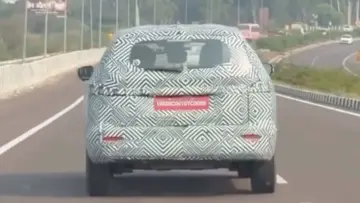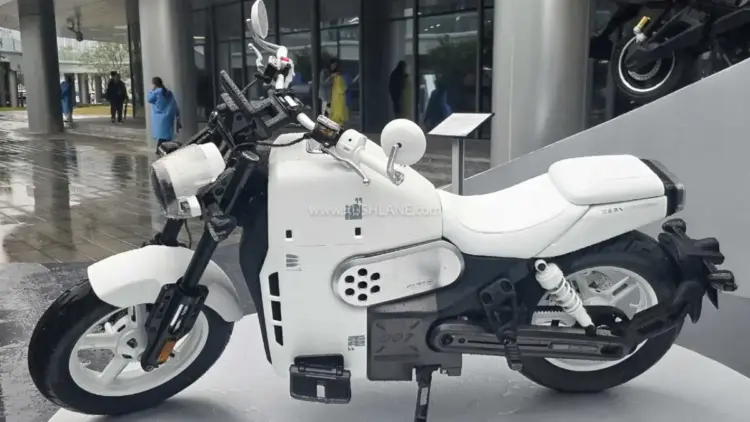
The global automotive landscape is currently witnessing a paradigm shift as traditional four-wheeled manufacturers seek to diversify their portfolios in an increasingly electrified world. Chery Holding Group, a titan of the Chinese automotive industry and a burgeoning name in global markets through its Omoda, Jaecoo, Jetour, and Exeed brands, has officially signaled its entry into the high-tech electric two-wheeler sector.
This move represents more than just a brand extension; it is a calculated foray into a specialized segment of New Energy Vehicles (NEVs). By securing regulatory approval for motorcycle production and unveiling a suite of innovative products—ranging from AI-powered cruisers to adventure-ready scooters—Chery is positioning itself to disrupt the premium two-wheeler market with the same aggressive technological integration that fueled its success in the SUV and passenger car segments.
Main Facts: A Triple-Threat Market Entry
Chery’s entry into the motorcycle industry is characterized by a three-pronged strategy targeting different price points and technological tiers. The company’s commercial vehicle arm recently received the necessary manufacturing credentials from the Chinese government, allowing it to move from the conceptual phase to active production.
1. The Cinnox Brand and the "Grow C3"
The centerpiece of Chery’s debut is the launch of the Cinnox brand, a subsidiary dedicated to premium, tech-forward electric motorcycles. The flagship model, the Grow C3, is being marketed as the "world’s first AI-powered EREV (Extended Range Electric Vehicle) cruiser." Unlike traditional battery-electric motorcycles that rely solely on plug-in charging, the Grow C3 utilizes a small internal combustion engine acting as a generator to replenish the battery on the move, effectively eliminating range anxiety—a primary hurdle for electric motorcycle adoption.
2. The Electric Adventure (ADV) Scooter
Recognizing the global trend toward "adventure styling" in the scooter segment, Chery also showcased a pure electric ADV scooter. Designed for both urban commuting and light off-road excursions, this model promises a range of 150 km to 200 km. Its most notable feature is its compatibility with automotive-grade charging infrastructure, allowing it to be charged at the same stations used by electric cars.

3. The Entry-Level Electric Moped
In a move that aligns with regulatory requirements, Chery has registered a low-cost electric moped with the Ministry of Industry and Information Technology (MIIT). While aesthetically reminiscent of the classic Yamaha Vino, this vehicle serves a dual purpose: acting as a "placeholder" to secure manufacturing licenses and providing a high-volume, entry-level product for the domestic Chinese market.
Chronology: The Road to Two-Wheeled Expansion
The journey from a car-centric manufacturer to a diversified mobility provider has been a multi-step process for Chery:
- Phase 1: Market Dominance in SUVs (2010s–Present): Chery established itself as a leader in the SUV market, particularly with the Tiggo series. The success of its export-oriented brands like Omoda and Jaecoo provided the capital and global supply chain reach necessary for diversification.
- Phase 2: Regulatory Groundwork (Early 2024): Chery’s commercial vehicle division applied for and was subsequently granted a motorcycle manufacturing license by the Chinese government. This was a critical legal hurdle, as motorcycle production in China is strictly regulated and distinct from automotive manufacturing.
- Phase 3: The MIIT Filing (Mid-2024): The registration of an electric moped appeared in the Ministry of Industry and Information Technology’s regulatory filings. This was the first public confirmation that Chery was moving beyond the research phase.
- Phase 4: The Wuhu Technology Event (October 2024): At its headquarters in Wuhu, Chery hosted a major technology showcase. Here, the company officially unveiled the Cinnox brand and the Grow C3 prototype, shifting the narrative from "budget mopeds" to "high-end AI mobility."
Supporting Data: Technical Specifications and Innovations
Chery is leveraging its automotive R&D capabilities to bring features to motorcycles that are typically reserved for high-end electric cars.
Range Extension (EREV) Technology
The Grow C3’s EREV system is a rarity in the motorcycle world. By using a petrol-powered generator to maintain battery levels, the bike offers:
- Unprecedented Range: While specific figures are pending, EREV systems typically double or triple the range of pure-electric counterparts.
- V2L (Vehicle-to-Load) Capability: The Grow C3 can act as a mobile power station, allowing users to plug in external appliances—a feature highly sought after by the "motocamping" and outdoor enthusiast community.
AI and Connectivity
Chery’s "AI-intelligent" branding for the Cinnox line refers to a sophisticated onboard computer system capable of:

- OTA (Over-the-Air) Updates: Ensuring the bike’s software and performance parameters can be improved throughout its lifecycle.
- Advanced Infotainment: A digital instrument console that integrates music, navigation, and phone calls via voice-activated AI assistants.
- Smart Maintenance: Predictive analytics that alert the rider to potential mechanical or battery health issues before they become critical.
The ADV Scooter Performance
The pure electric ADV scooter is designed to bridge the gap between utility and leisure.
- Battery/Range: 150–200 km per charge, positioning it as a leader in the mid-size electric scooter segment.
- Charging Versatility: By supporting automotive chargers, Chery is tapping into the rapidly expanding network of DC and AC car charging piles, significantly reducing the downtime compared to traditional wall-socket charging.
Official Responses and Strategic Vision
While Chery executives have remained relatively tight-lipped regarding specific pricing for the global market, the messaging from the Wuhu technology event was clear: Synergy is the priority.
A spokesperson for Chery’s new Cinnox brand noted that the company’s entry into the two-wheeler space is not an attempt to compete with low-end commuter bikes, but rather to create a "new ecosystem of smart travel." The company views the motorcycle as a secondary vehicle for its existing car customers—a "last-mile" or "lifestyle" addition to the family garage.
Industry analysts suggest that Chery’s use of a "Vino-clone" moped for its initial registration is a common industry tactic. By using a standardized, low-cost body shell and existing hub-motor technology, Chery can streamline the bureaucratic process of obtaining manufacturing permits while its engineers finalize the bespoke technology for the premium Cinnox line.
Implications: A New Era of Competition
Chery’s entry into the electric two-wheeler market carries significant implications for both domestic and international players.

1. Threat to Traditional Manufacturers
Established motorcycle giants like Honda, Yamaha, and Kawasaki have been relatively slow to transition their "lifestyle" and "cruiser" segments to electric power. Chery’s Grow C3 cruiser, with its range-extender technology, addresses the exact concerns—range and refueling time—that have kept traditional riders from switching to EVs.
2. The "Automotive-Grade" Advantage
By using automotive-grade components, software, and charging protocols, Chery brings a level of manufacturing sophistication that smaller electric bike startups often lack. This "cross-pollination" of technology allows for better battery management systems (BMS) and more robust software integration.
3. Global Export Potential
Given Chery’s massive footprint in Southeast Asia, Russia, South America, and increasingly Europe, the Cinnox brand has an immediate path to international markets. In regions where Chery cars are already sold, the brand can leverage existing dealership networks to sell and service its motorcycles, a logistical advantage that new EV startups cannot match.
4. Market Segregation
The registration of the budget moped alongside the high-end Cinnox cruiser suggests Chery will pursue a "bipolar" market strategy. It will provide low-cost mobility solutions for the mass market in developing regions while simultaneously fighting for the high-margin, tech-enthusiast segment in urban centers.
Conclusion
Chery’s expansion into the electric motorcycle industry is a bold testament to the company’s ambitions. By bypassing the traditional internal combustion engine development phase and jumping straight into AI-driven, range-extended electric propulsion, Chery is not just following a trend—it is attempting to redefine the parameters of two-wheeled travel. As the Cinnox brand moves toward its official market launch, the industry will be watching closely to see if the "SUV King" can successfully translate its four-wheeled dominance into a two-wheeled revolution.