

For over eight decades, the identity of Ferrari has been forged in the crucible of internal combustion. The brand’s mythology is built upon the visceral scream of high-revving V12s, the smell of burnt high-octane fuel, and a design language that evokes the passion of Italian craftsmanship. However, the recent unveiling of the Ferrari Luce in Rome has signaled what is perhaps the most radical pivot in the company’s history.
The Luce is not merely a new model; it is a fundamental reimagining of the brand’s DNA. As a five-seat, four-door, all-electric grand tourer, it challenges every traditional pillar of the Maranello legend. While Ferrari has successfully navigated the transition to turbocharging and hybridization with models like the SF90 Stradale and the 296 GTB, the Luce represents a leap into the unknown—an era where the "soul" of the car must be found in software, silicon, and stator windings rather than pistons and valves.
Main Facts: A New Breed of Grand Tourer
The Ferrari Luce arrives as a technological tour de force, boasting specifications that place it at the apex of the burgeoning ultra-luxury EV segment. Built on a bespoke, in-house developed electric architecture, the Luce departs from the mid-engine silhouettes that have defined Ferrari’s modern era.
Performance and Powertrain
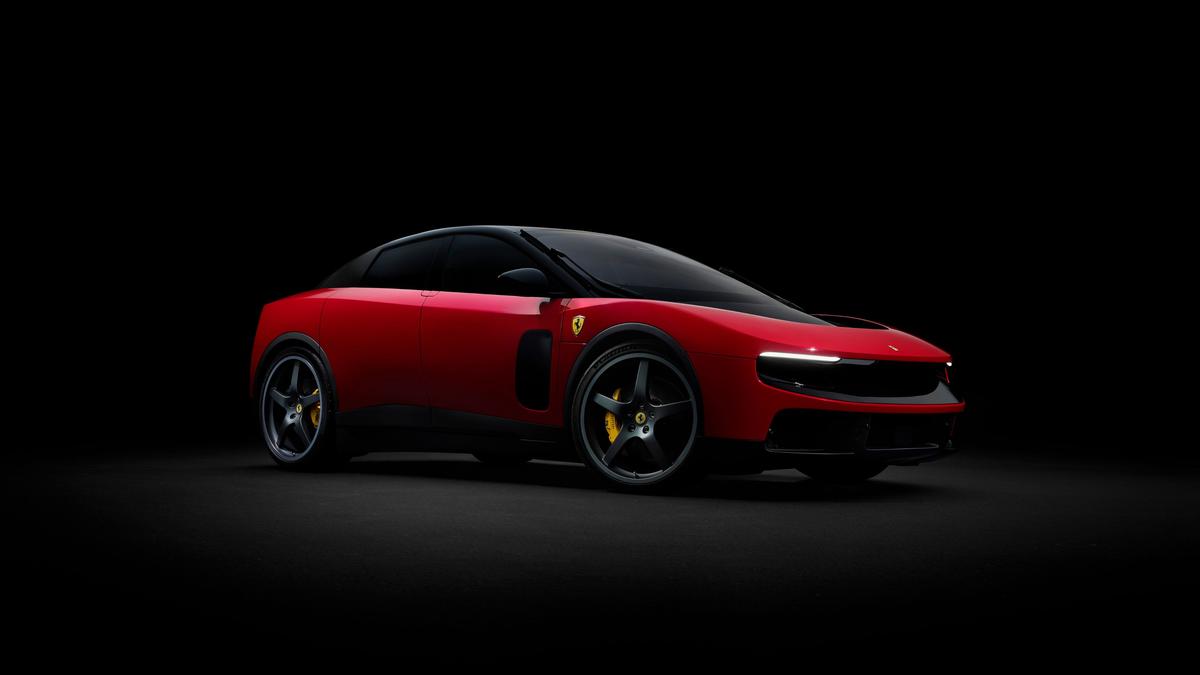
At the heart of the Luce is a quad-motor setup—one for each wheel—producing a combined output of 1,050 horsepower. This allows the 2,260-kilogram vehicle to achieve performance figures that rival the brand’s most focused supercars:
- 0-100 km/h: 2.5 seconds
- 0-200 km/h: 6.8 seconds
- Top Speed: Over 310 km/h
- Battery Capacity: 122 kWh
- Range: Approximately 530 kilometers (WLTP)
The LoveFrom Collaboration
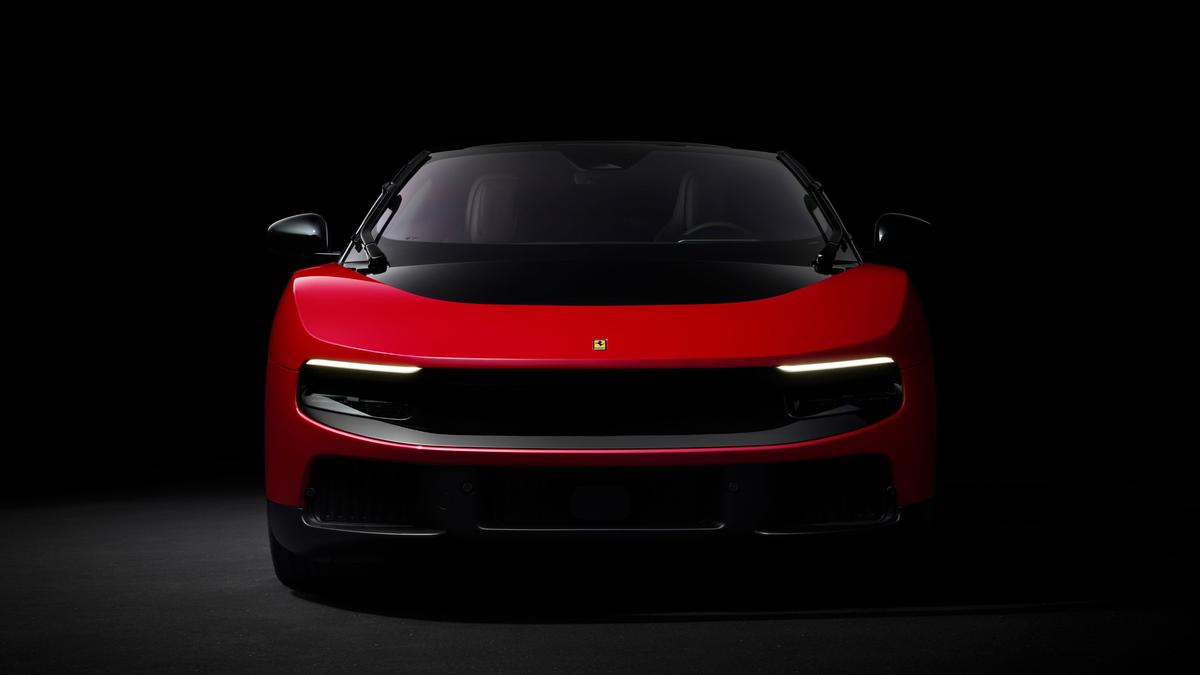
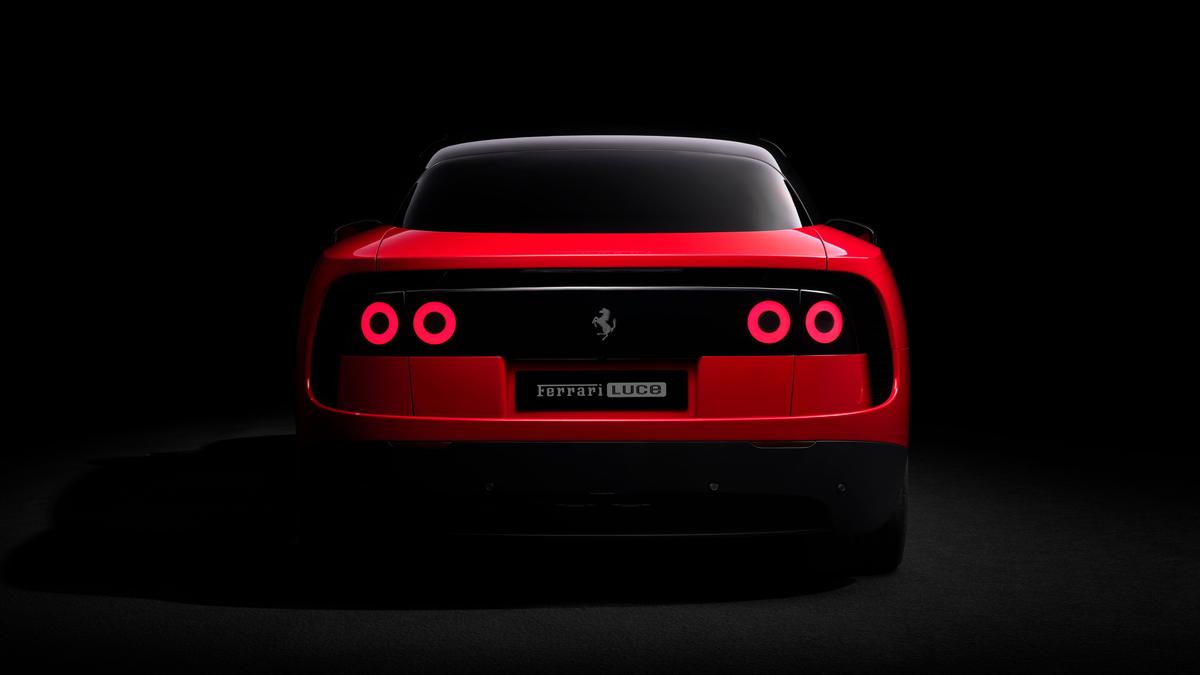
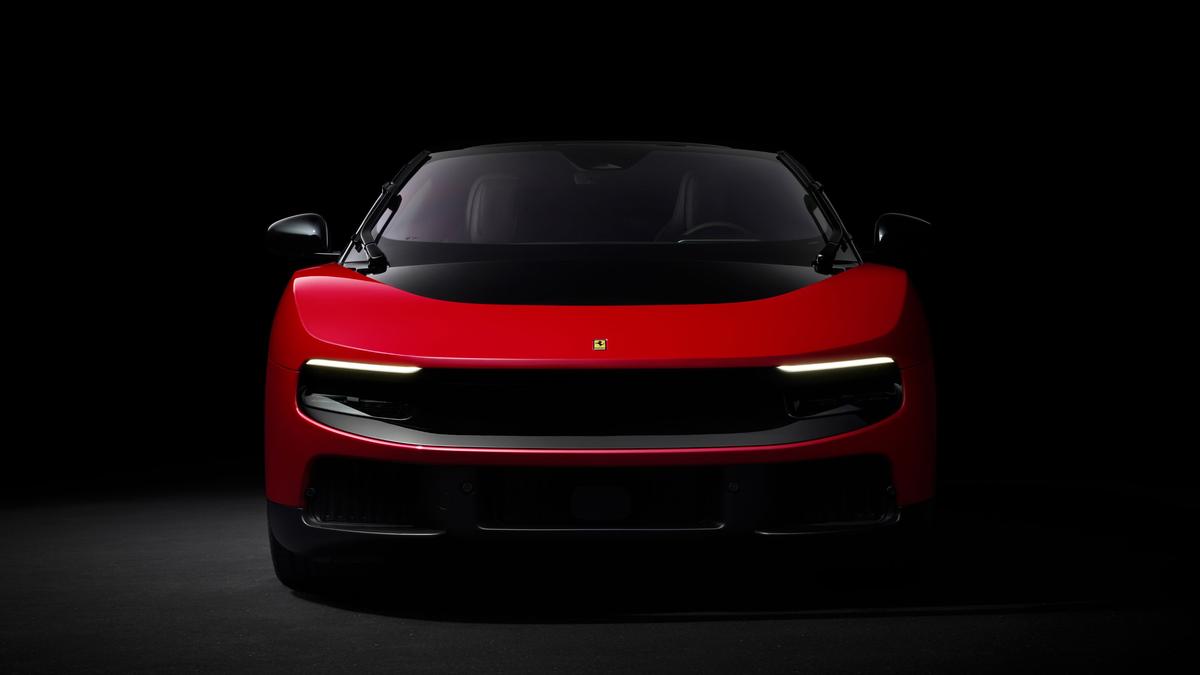
In a move that stunned the automotive world, Ferrari bypassed its usual design constraints by collaborating with LoveFrom, the creative collective founded by former Apple design chief Sir Jony Ive and renowned industrial designer Marc Newson. This partnership has resulted in a "shell-like" exterior characterized by minimalist surfacing, an expansive glasshouse, and a total absence of the aggressive vents and aero-ducts typically associated with the brand.
Market Positioning
Expected to be priced at approximately €500,000 (roughly ₹5 crore in India before duties), the Luce is positioned as an "expansion" of the Ferrari ecosystem. It is intended to sit alongside the petrol-powered range, targeting a new demographic of ultra-high-net-worth individuals who prioritize technological innovation and sustainable luxury over traditional mechanical theater.
Chronology: From Multi-Energy Strategy to Rome Reveal
The path to the Luce began years ago as Ferrari faced increasing regulatory pressure and a shifting global luxury landscape. The company’s journey to this moment has been one of calculated, if controversial, evolution.
The Hybrid Prelude (2013–2023)
The seeds of the Luce were sown with the LaFerrari in 2013, which introduced the brand to electrification via KERS technology. This was followed by the SF90 Stradale in 2019, Ferrari’s first plug-in hybrid. These models served as a proof of concept, demonstrating that electric motors could enhance, rather than diminish, the Ferrari driving experience.

The LoveFrom Alliance (2021)
In September 2021, Ferrari announced a multi-year creative partnership with Exor (Ferrari’s parent company) and LoveFrom. While the specifics were initially vague, it is now clear that the Luce was the primary beneficiary of this alliance. Jony Ive’s philosophy of "simplicity and purity" was integrated into the vehicle’s design from the very first sketches.
The Unveiling and Market Shock (Present)
The Luce was officially revealed in Rome under a veil of high-tech secrecy. However, the immediate reaction was a mix of awe and skepticism. Within 24 hours of the launch, Ferrari’s stock price reportedly dipped by nearly seven percent. Analysts suggest this was not necessarily a vote against the technology, but a reflection of the market’s uncertainty regarding how traditional "Tifosi" (Ferrari fans) and long-term collectors would react to such a departure from the brand’s heritage.
Supporting Data: Engineering the Emotional EV
Ferrari’s engineers were tasked with a seemingly impossible challenge: making a 2.2-ton electric vehicle handle like a lightweight sports car. The technical data suggests a heavy reliance on advanced chassis electronics to bridge this gap.
Weight Management and Dynamics
To combat the inherent weight of the 122 kWh battery, the Luce utilizes:
- Active Suspension: A high-frequency system that counteracts body roll and pitch in real-time.
- Four-Wheel Steering: Enhancing agility at low speeds and stability during high-speed cornering.
- Advanced Torque Vectoring: Because each wheel is powered by an independent motor, the Luce can distribute torque with millisecond precision, effectively "rotating" the car into corners.
Charging Infrastructure
The Luce utilizes an 800V architecture, supporting 350 kW fast charging. According to Ferrari, this allows the car to add 70 kWh of charge (roughly 300km of range) in approximately 20 minutes, addressing one of the primary concerns of the grand touring demographic.
The Interior Ecosystem
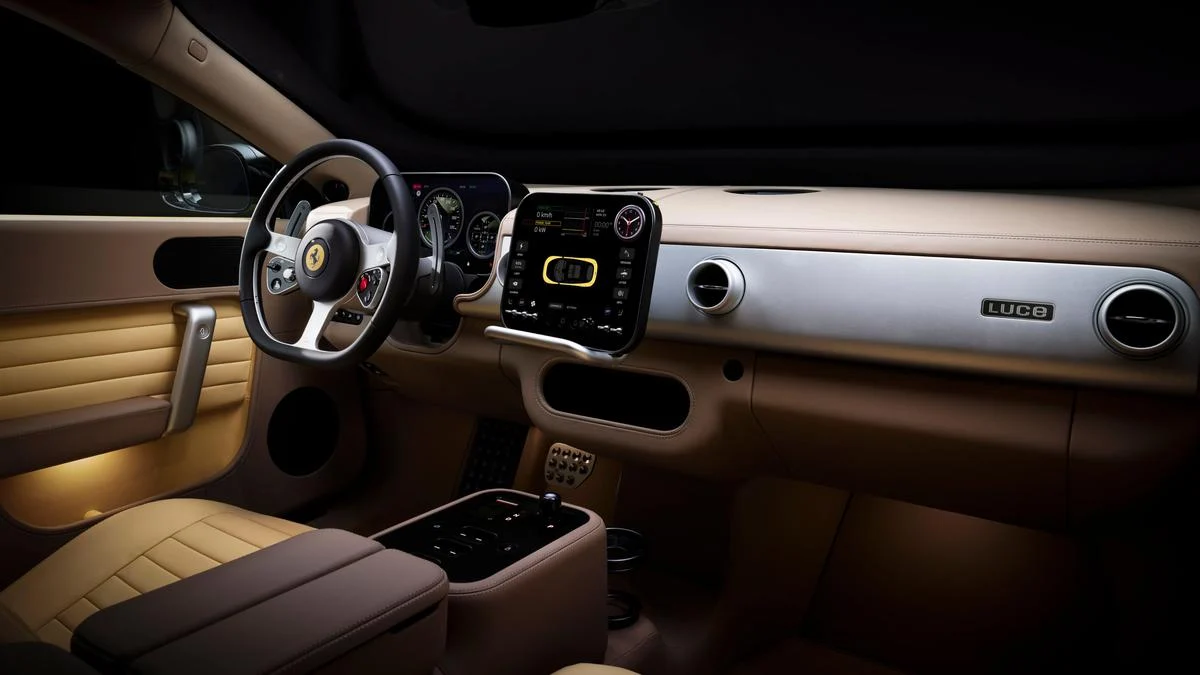
The cabin is a departure from the driver-centric "cockpit" of the past. It features:
- Samsung-developed OLED displays with high contrast and curved geometry.
- Corning Gorilla Glass interfaces for durability and tactile feel.
- E Ink Technology integrated into the vehicle’s key, allowing for dynamic aesthetic changes.
- 21-speaker, 3000-watt audio system, designed to compensate for the lack of engine noise.
Official Responses: Defining the "New Chapter"
Ferrari leadership has been proactive in defending the Luce against claims that it dilutes the brand’s prestige. The company’s official stance focuses on "multi-energy" diversity rather than total replacement.
On the "Authentic" Sound
One of the most criticized aspects of EVs is the lack of auditory feedback. Ferrari’s Chief Product Development Officer has stated that the Luce avoids "fake" synthesised engine noises. Instead, the company has patented a system that uses sensors to capture the natural vibrations of the electric motors and drivetrain. These vibrations are then amplified and transmitted into the cabin. Ferrari describes this as an "authentic" soundscape that provides the driver with a physical connection to the car’s speed and load.
On the Design Philosophy
Ferrari CEO Benedetto Vigna has emphasized that the Luce was designed around the "freedoms" of an EV platform. By removing the need for a massive front-mounted engine or complex exhaust routing, the designers were able to prioritize interior volume and aerodynamic efficiency. "We are not following others," Vigna noted during the launch. "We are defining what a luxury performance car looks like in the 21st century."
Implications: A Brand at a Crossroads
The introduction of the Luce carries profound implications for the future of the automotive industry and the luxury market at large.
1. The Dilution of Brand Equity vs. Innovation
The primary risk for Ferrari is the potential alienation of its core base. For many, a Ferrari is defined by its mechanical "heart." By moving to a silent, tech-heavy platform, Ferrari risks being perceived as just another manufacturer of high-end consumer electronics. If the "feeling" of a Ferrari can be replicated by a Tesla or a Lucid, the brand’s ability to command a massive price premium may be threatened.
2. A Shift in the Competitive Landscape
The Luce moves Ferrari into direct competition with a different set of rivals. While it once fought Lamborghini and McLaren on the track, it must now compete with the likes of the Porsche Taycan Turbo GT and the upcoming electric offerings from Bentley and Rolls-Royce. The battleground has shifted from lap times to "digital experience" and "cabin atmosphere."
3. The "Ive Effect" on Automotive Design
The collaboration with LoveFrom may set a new trend in the industry. As cars become more autonomous and electric, the traditional cues of "power" (hood scoops, exhaust pipes) are becoming obsolete. The Luce’s minimalist, "Apple-esque" aesthetic could influence a decade of automotive design, moving away from aggressive masculinity toward a more clinical, architectural elegance.
4. The Investor Perspective
While the initial stock drop suggests nervousness, long-term investors may see the Luce as a necessary hedge. As global cities move toward banning internal combustion engines, Ferrari must have a viable electric flagship to remain relevant in markets like China and the European Union.
Conclusion: The Ultimate Gamble
The Ferrari Luce is a bold, perhaps even reckless, attempt to capture lightning in a bottle—literally. By discarding the very mechanical attributes that made the brand famous, Maranello is betting that the "Prancing Horse" logo carries enough weight to redefine the concept of performance luxury.
Whether the Luce becomes a landmark success or a cautionary tale depends on one factor: the drive. If Ferrari has truly succeeded in engineering a soul into the silent motors of the Luce, they will have secured their future for another century. If not, they may find that without the roar of the engine, the magic of the brand begins to fade. As the first units begin to reach customers, the world will be watching to see if this new chapter is the start of a revolution or the beginning of an identity crisis.
