

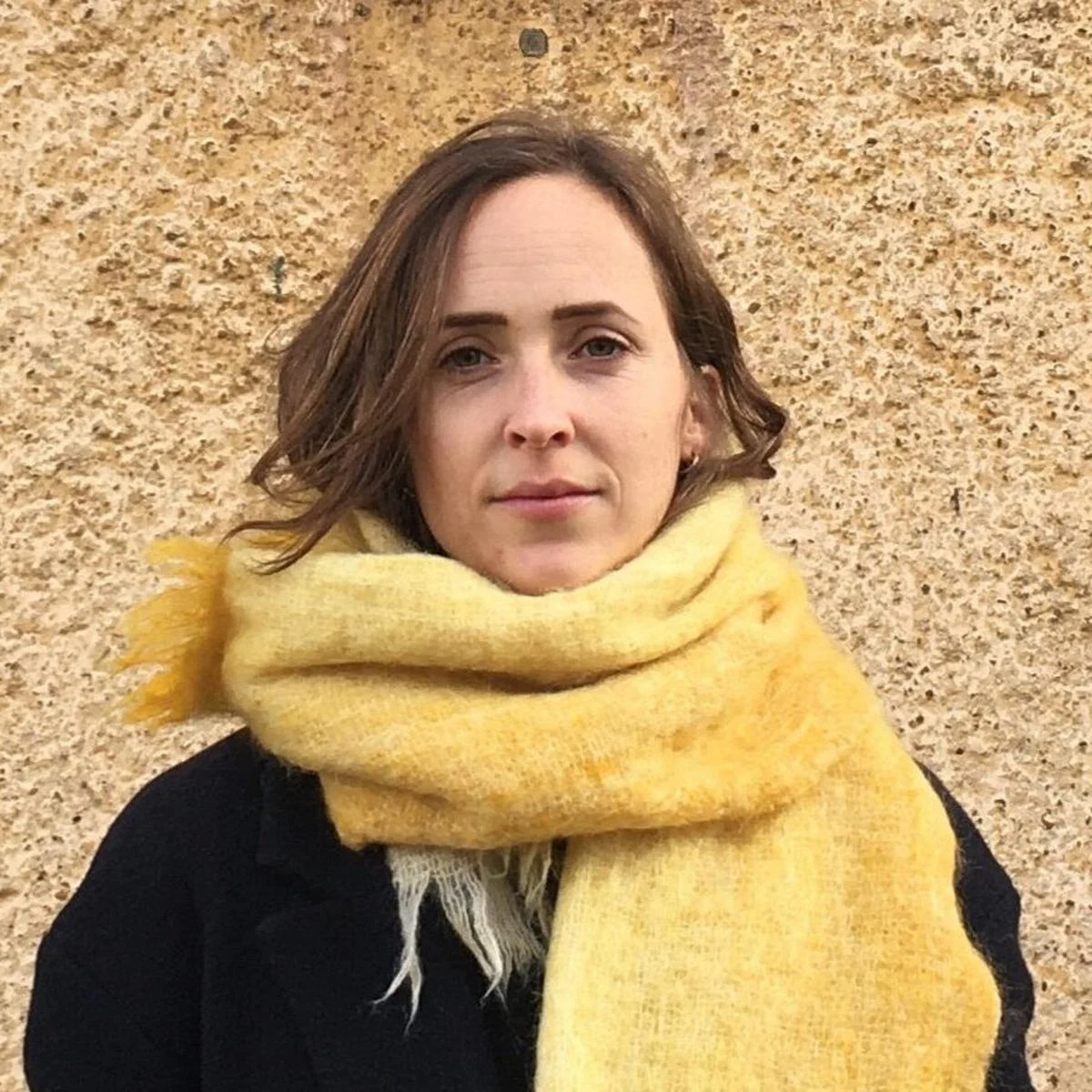
The literary world recently turned its gaze toward a narrative that bridges the gap between the rigid files of British bureaucracy and the fluid traditions of Arabic storytelling. Egyptian author and journalist Shady Lewis has been awarded the prestigious James Tait Black Prize for Fiction for his novel, On the Greenwich Line. Published by Peirene Press and translated with meticulous care by Katharine Halls, the novel has emerged as a definitive critique of the contemporary migrant experience, filtered through the lens of dark satire and institutional absurdity.
The recognition comes at a time of heightened political sensitivity in the United Kingdom, where the themes of Lewis’s work—austerity, the "hostile environment," and the dehumanizing machinery of the state—resonate far beyond the printed page. Through an unnamed narrator working in an East London housing office, Lewis explores the profound weight of being responsible for the "remains" of those the system has already forgotten.
Main Facts: A Narrative of Displacement and Deadlines
At the center of On the Greenwich Line is a protagonist who serves as both a cog in the machine and a witness to its failures. The plot is set in motion when the narrator, a 40-year-old Egyptian migrant working for a local housing authority, finds himself tasked with arranging the funeral of a stranger. The deceased is two decades younger than him, a fact that triggers a profound existential crisis: "Death was going after people half my age, and without any preliminaries at all," the narrator observes.

The novel is not a straightforward procedural but an intricate web of stories. It utilizes the "Greenwich Line"—the Prime Meridian—as a metaphor for the arbitrary divisions created by time, geography, and policy. Lewis’s narrator is elusive, often withholding basic biographical details while leaping between seemingly disparate anecdotes. This stylistic choice serves a dual purpose: it mirrors the protective opacity required of migrants navigating a punitive system, and it pays homage to classical Arabic literary structures.
The James Tait Black Prize, established in 1919 and administered by the University of Edinburgh, is one of Britain’s oldest and most respected literary awards. By selecting Lewis, the judging panel has signaled a shift toward literature that directly engages with the complexities of the modern welfare state and the intersectional identities of those who inhabit its fringes.
Chronology: From Cairo to the Heart of the NHS
To understand the resonance of On the Greenwich Line, one must look at the trajectory of its author. Shady Lewis was born in Cairo and moved to London in 2006. Over the past two decades, he has balanced a career as a journalist with professional roles within the National Health Service (NHS) and various local government authorities.

- 2006: Lewis arrives in London, beginning his journey as part of the Egyptian diaspora in the UK.
- 2006–2024: Lewis works within the British public sector. This period provides him with a front-row seat to the implementation of austerity measures and the shifting policies regarding social housing and migrant welfare.
- The Writing Phase: Drawing from what he describes as "everyday acts of local bureaucrats," Lewis begins crafting a narrative that blends autofiction with the surreal. He seeks to capture how "matters of life and death can be decided according to managerial calculations."
- Publication and Translation: The novel is released in its original Arabic, catching the attention of Peirene Press. Katharine Halls, an award-winning translator, works to bring the nuanced Egyptian dialect and the cold, bureaucratic English of the housing office into a cohesive English edition.
- July 2026: Lewis is announced as the winner of the James Tait Black Prize for Fiction. The announcement coincides with industrial action at the University of Edinburgh, creating a moment where the novel’s themes of austerity and institutional struggle collide with reality.
Supporting Data: The Mechanics of Satire and Storytelling
Lewis’s work is underpinned by a sophisticated understanding of how systems of power utilize language to erase individuals. In the novel, the "database" becomes a character in its own right—a digital graveyard where the lives of migrants are reduced to entries, statuses, and eligibility criteria.
The Influence of Classical Arabic Narrative
One of the most striking elements of On the Greenwich Line is its rejection of the linear Western "arc." Lewis explicitly draws on classical Arabic storytelling techniques, such as those found in One Thousand and One Nights.
- Circular Narratives: Stories lead into one another, creating a nesting-doll effect.
- The Oral Tradition: The narrator attributes his style to his grandmother, emphasizing that storytelling is an inherited tool for survival.
- The Validity of Truth: By presenting multiple, overlapping stories, Lewis asks: "Whose story is more valid?" This challenges the "official" narratives recorded by the state.
The Bureaucratic Landscape
The novel functions as a critique of the "Welfare State" in its late-capitalist form. Lewis notes that working in the NHS allowed him to see the "privilege" and the "failure" of the system simultaneously. The data points in the novel reflect real-world anxieties:

- Housing Scarcity: The narrator’s role in a housing office highlights the desperate competition for resources.
- The Cost of Dying: The central plot point—the funeral of a stranger—exposes the financial and administrative hurdles that even the dead must clear if they lack "status."
Official Responses and the University Boycott
The awarding of the James Tait Black Prize to Shady Lewis was not without its external complications. The University of Edinburgh, which hosts the prize, has recently been the site of significant labor unrest. Staff unions have been engaged in a boycott and strikes over proposed job cuts, pay reductions, and the broader impact of austerity on higher education.
In an official capacity, Lewis and his fellow nominees addressed this tension directly. "It saddened us that the university management’s actions overshadowed the news of the prize," Lewis stated in an interview. He and other authors issued a statement in support of the university staff union, linking the struggles of the academic workers to the very themes of institutional austerity explored in his novel.
Furthermore, the win sparked a discourse on identity in digital spaces. Following a celebratory post by the media outlet The New Arab, some commenters questioned Lewis’s heritage, claiming "Shady Lewis is not an Egyptian name." Lewis responded to these comments with a mix of amusement and analytical rigor, noting that his own life mirrors his protagonist’s: "Identities are social constructs… some of us are boxed into a single one all our lives." This response highlights the ongoing struggle for "hyphenated" writers to be accepted on their own terms without being forced into narrow ethnic or religious categories.

Implications: Literature as a Mirror to the Political Economy
The success of On the Greenwich Line carries significant implications for the future of "migrant literature" and the British literary canon.
1. The Death of the "Grateful Migrant" Narrative
Lewis’s narrator is not the "model minority" often found in earlier immigrant fiction. He is hesitant, humane, occasionally helpless, and deeply cynical about the system he serves. This marks a shift toward more complex, less "palatable" depictions of the diaspora, where the focus is on the psychological toll of assimilation rather than the triumph of it.
2. The Economy of Literary Awards
The controversy surrounding the University of Edinburgh strike underscores Lewis’s point that "literary awards do not operate in a vacuum." They are tied to the political economy of the institutions that grant them. Lewis’s win, and his subsequent support for the strikers, suggests a new era of "activist authorship," where writers refuse to separate their creative accolades from the material conditions of the world.

3. The Power of the "Minor" Story
By focusing on the "little stories" that hide within bigger ones, Lewis makes a case for the importance of the individual in the face of the "big data" of the state. In a world where bureaucracy seeks to streamline human experience into manageable files, the act of telling a rambling, circular, and elusive story becomes a radical act of resistance.
4. Cross-Cultural Translation as Political Act
The collaboration between Lewis and Katharine Halls demonstrates the vital role of translation in bridging political realities. By bringing Lewis’s Cairo-influenced London narrative to an English-speaking audience, the book forces the "host" culture to see itself through the eyes of the "other," effectively flipping the colonial gaze.
In conclusion, Shady Lewis’s On the Greenwich Line is more than a novel about a funeral; it is a post-mortem of the modern state. It challenges readers to look past the Prime Meridian—the line that purports to organize the world—and see the messy, unclassifiable lives of those who live on its edges. As Lewis continues to navigate the dual worlds of public service and high literature, his voice remains a crucial guide through the labyrinth of contemporary identity.
