


New Delhi, July 21, 2026 – In a significant development for global health awareness, Fatty Pancreas Disorder (FPD) has now been officially recognized as a distinct disease entity. This landmark acknowledgment, stemming from extensive research and expert consensus, marks a pivotal shift in our understanding of pancreatic health, elevating a previously overlooked condition to the forefront of medical concern. While fatty liver disease has long been a familiar ailment, the accumulation of excess fat within the pancreatic tissue, FPD, has historically been dismissed as a mere incidental finding. However, new evidence unequivocally links this insidious buildup to a heightened risk of severe and life-threatening conditions, including type 2 diabetes, pancreatitis, and most alarmingly, pancreatic cancer.
The Silent Accumulation: Understanding Fatty Pancreas
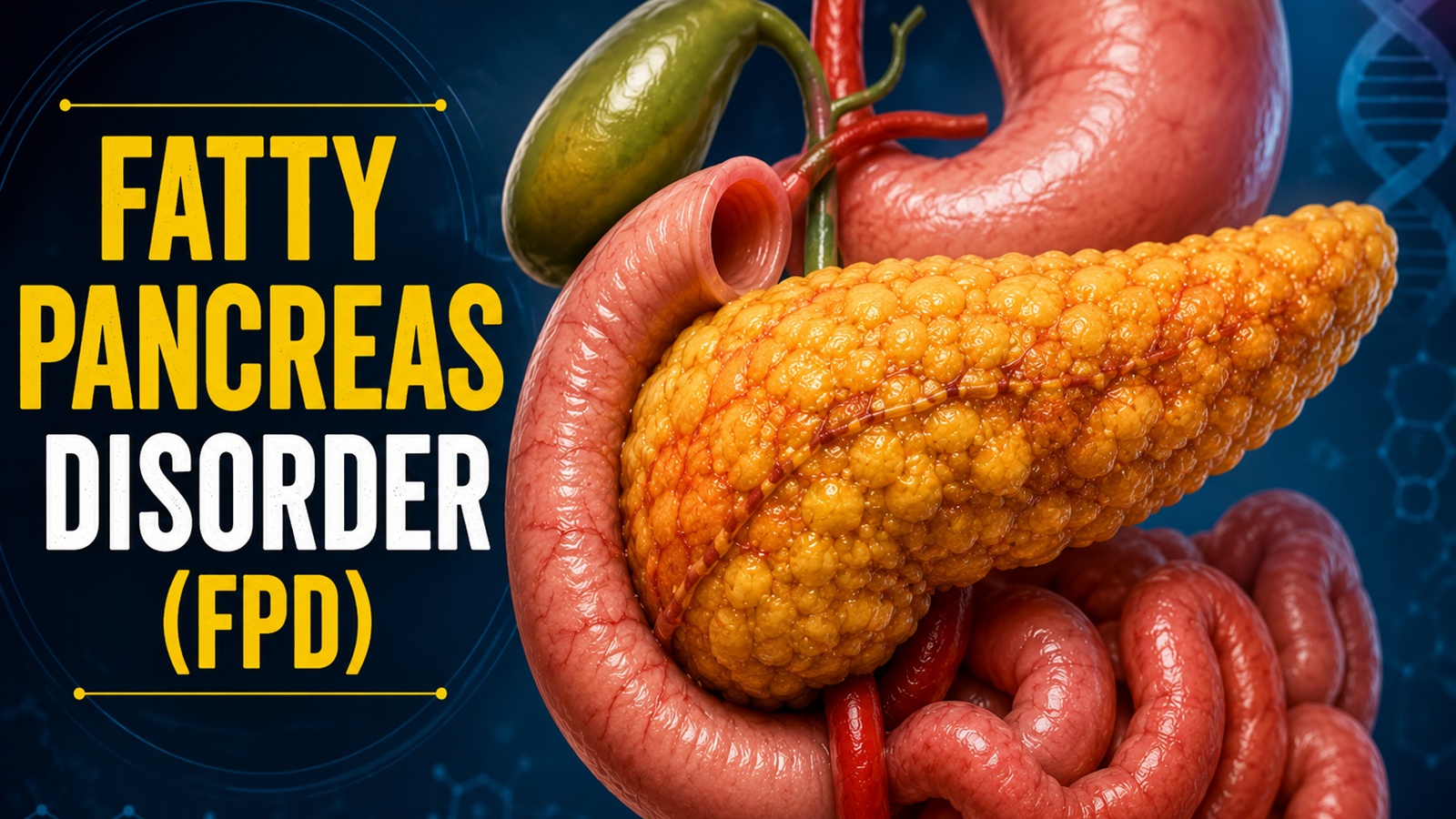
The pancreas, a vital organ nestled behind the stomach, plays a dual role in maintaining our well-being. It is instrumental in both digestion, by producing essential enzymes, and in regulating blood sugar levels through the production of insulin and glucagon. When fat infiltrates pancreatic tissue, it can directly impair the function of these crucial endocrine cells.
Dr. Saiprasad Lad, a distinguished consultant gastroenterologist at Wockhardt Hospitals, Mumbai Central, elaborates on the intricate connection. "Fat accumulation within the pancreas is not just a passive storage issue," he explains. "It actively harms the insulin-producing beta cells. This compromised insulin production makes blood sugar control more challenging, significantly increasing the risk of developing type 2 diabetes, especially for individuals already predisposed. This creates a dangerous cycle where obesity, diabetes, and fatty pancreas mutually reinforce and exacerbate each other."
Historically, the presence of fat in the pancreas was often noted during imaging scans for unrelated medical issues, but it rarely triggered specific diagnostic pathways or treatment protocols. This benign perception is now being dramatically challenged. A comprehensive review published in the esteemed journal Nature Reviews Gastroenterology and Hepatology, coupled with the recent Melbourne Consensus report, has provided the scientific and clinical foundation for this reclassification.
From Incidental Finding to Distinct Disease: The Scientific Evolution
The recognition of Fatty Pancreas Disorder as a distinct disease is a testament to evolving scientific understanding and rigorous research. The Melbourne Consensus report, a pivotal document in this reclassification, emphasizes that while a small, natural accumulation of fat in the pancreas can occur with age, excessive buildup is a pathological process with serious implications.
The report highlights a confluence of factors contributing to the development of FPD. Obesity stands out as a primary driver, with excess adipose tissue in the body creating a metabolic burden that can spill over into pancreatic fat deposition. However, the consensus also acknowledges the role of genetics, suggesting a hereditary predisposition in some individuals. Furthermore, environmental influences and lifestyle choices are significant contributors, underscoring the modifiable nature of many risk factors. Crucially, the report notes that FPD is not exclusive to overweight individuals; lean individuals can also develop this condition, further broadening the scope of concern.
Dr. Ameet Mandot, Director of Hepatology at Gleneagles Hospital, Parel, underscores the gravity of untreated FPD. "If the excess fat is not effectively cleared from the pancreas, it can trigger a cascade of detrimental effects," he states. "This can lead to acute or chronic pancreatitis, a painful and potentially life-threatening inflammation of the pancreas. It significantly elevates the risk of developing type 2 diabetes due to impaired insulin secretion and, in the most severe cases, is increasingly linked to pancreatic cancer."
While not every individual diagnosed with a fatty pancreas will inevitably develop these severe complications, Dr. Lad emphasizes its critical role as an early warning signal. "A fatty pancreas is a potent indicator that underlying lifestyle and metabolic risks need immediate attention," he advises. "It’s an opportunity to proactively intervene and make necessary changes before irreversible damage occurs."
The Hidden Culprits: Unpacking the Causes of FPD
The etiology of Fatty Pancreas Disorder is multifaceted, but a consistently identified culprit is an unhealthy lifestyle. This encompasses dietary habits, physical activity levels, and consumption of alcohol and other toxins.
Dr. Mandot explains the intricate interplay between the liver and pancreas in fat metabolism. "The pancreas and the liver work in tandem to process dietary fats," he notes. "When the liver becomes overburdened with the task of detoxification, perhaps due to poor diet or excessive alcohol consumption, its capacity to process fats diminishes. Consequently, fats that would typically be processed by the liver can be rerouted and stored in other organs, including the pancreas. This overload is a primary mechanism driving the development of fatty pancreas disorder."
Key lifestyle factors contributing to FPD include:
- Sedentary Lifestyle: Lack of regular physical activity hinders the body’s ability to efficiently metabolize fats and sugars, leading to their accumulation.
- Unhealthy Diet: A diet high in processed foods, refined sugars, unhealthy fats (saturated and trans fats), and excessive calories contributes to weight gain and metabolic dysregulation, directly impacting pancreatic fat deposition.
- Excessive Alcohol Consumption: Chronic and heavy alcohol intake is known to damage pancreatic cells and disrupt metabolic processes, increasing the risk of both pancreatitis and FPD.
- Metabolic Syndrome: This cluster of conditions, including high blood pressure, high blood sugar, excess body fat around the waist, and abnormal cholesterol levels, is strongly associated with FPD.
The Stealthy Onset: Diagnosis of Fatty Pancreas Disorder
One of the significant challenges in managing Fatty Pancreas Disorder has been its often asymptomatic nature. "Fatty pancreas typically lacks characteristic signs and symptoms," explains Dr. Mandot. "This means many individuals remain unaware of their condition until it is incidentally discovered during medical imaging such as an ultrasound, CT scan, or MRI, which are usually performed for other diagnostic purposes."
However, some individuals may experience vague, non-specific symptoms that can be easily overlooked or attributed to other common digestive issues. These can include:
- Persistent discomfort in the upper abdomen: A dull ache or pressure in the epigastric region.
- Feeling of fullness after eating: Experiencing satiety quickly, even after small meals.
- Bloating: A sensation of abdominal distension and discomfort.
- Indigestion: General feelings of unease or discomfort in the stomach after meals.
- Unexplained changes in digestive habits: Alterations in bowel frequency or consistency.
Dr. Mandot cautions against self-diagnosis based on these symptoms alone. "While these symptoms can be indicative of digestive distress, they are not exclusive to fatty pancreas," he states. "For individuals who are overweight, even minor changes in digestion and bowel habits warrant attention. However, it’s crucial to undergo proper medical evaluation to determine the underlying cause." The lack of distinct early warning signs underscores the importance of regular health check-ups, especially for individuals with known risk factors.
A Turning Point: Official Recognition and Its Implications
The official recognition of Fatty Pancreas Disorder as a distinct disease by international consensus panels represents a critical turning point in public health. This designation moves FPD from the realm of benign observation to that of a serious medical condition requiring proactive management and targeted interventions.
Chronology of Recognition:
- Pre-2020s: Fatty pancreas was largely considered an incidental finding on medical imaging, with limited clinical significance attached to it. Research was ongoing but lacked widespread consensus on its disease status.
- Early 2020s: Growing body of research, particularly observational studies and meta-analyses, began to highlight a statistically significant association between pancreatic fat accumulation and increased risk of type 2 diabetes, pancreatitis, and pancreatic cancer.
- 2024-2025: International gastroenterology and hepatology societies initiated focused discussions and expert working groups to consolidate existing evidence and define criteria for FPD as a distinct disease.
- 2026 (July): The Melbourne Consensus report, published in Nature Reviews Gastroenterology and Hepatology, provided a comprehensive framework and consensus definition for Fatty Pancreas Disorder, officially recognizing it as a distinct disease entity. This report is expected to guide clinical practice, diagnostic protocols, and future research directions globally.
This official recognition has profound implications for patient care, medical research, and public health strategies:
Supporting Data: The Evidence Base for FPD
The reclassification of FPD is not an arbitrary decision but is firmly grounded in a robust and expanding body of scientific evidence. Studies have consistently demonstrated a strong correlation between the degree of pancreatic fat accumulation and the incidence of various metabolic and malignant diseases.
Key Supporting Data Points:
- Increased Risk of Type 2 Diabetes: Multiple longitudinal studies have shown that individuals with higher levels of pancreatic fat have a significantly increased risk of developing type 2 diabetes. A meta-analysis published in the Journal of Clinical Endocrinology & Metabolism in 2024 indicated that individuals in the highest quartile of pancreatic fat content were nearly 2.5 times more likely to develop diabetes compared to those in the lowest quartile, independent of BMI.
- Association with Pancreatitis: Research indicates that pancreatic steatosis (fatty pancreas) can impair the pancreas’s ability to properly secrete digestive enzymes, potentially leading to autodigestion and inflammation, a hallmark of pancreatitis. Studies in Gastroenterology have shown that patients with FPD have a higher incidence of recurrent acute pancreatitis episodes.
- Link to Pancreatic Cancer: While the direct causal link is still an active area of research, epidemiological studies have revealed a concerning association between FPD and an elevated risk of pancreatic cancer. A retrospective cohort study involving over 50,000 patients, published in Cancer Epidemiology, Biomarkers & Prevention in 2025, found that individuals with significant pancreatic steatosis had a 1.8-fold increased risk of developing pancreatic adenocarcinoma over a 10-year period. The proposed mechanism involves chronic inflammation and cellular stress within the fatty pancreas, creating a microenvironment conducive to malignant transformation.
- Impact on Insulin Sensitivity: Beyond just insulin production, excess fat in the pancreas can also affect insulin sensitivity within the organ itself, further contributing to glucose intolerance.
- Prevalence in Overweight and Obese Populations: While FPD can affect lean individuals, studies consistently report higher prevalence rates in individuals with obesity and metabolic syndrome. For instance, a large-scale cross-sectional study in India in 2023 found that over 40% of individuals with class II or III obesity had evidence of FPD on abdominal ultrasound.
This accumulating data has been instrumental in convincing the medical community of the need to treat FPD not as a passive observation but as an active disease process with significant long-term health consequences.
Official Responses and Expert Consensus
The Melbourne Consensus report represents the most significant official response to the growing body of evidence surrounding Fatty Pancreas Disorder. This report, compiled by leading international experts in gastroenterology, hepatology, and endocrinology, provides a unified definition, diagnostic criteria, and recommendations for clinical management.
Key Statements and Recommendations from the Melbourne Consensus:
- Definition of FPD: The report defines FPD as the presence of excess pancreatic adiposity, typically quantified as a percentage of pancreatic volume or visualized as diffuse or focal fat infiltration on imaging.
- Diagnostic Criteria: While imaging modalities like ultrasound, CT, and MRI are crucial for diagnosis, the consensus emphasizes the need for standardized interpretation and quantification of pancreatic fat.
- Clinical Significance: The report unequivocally states that FPD is associated with increased risks of type 2 diabetes, pancreatitis, and pancreatic cancer, necessitating a shift in clinical perception and management.
- Call for Increased Awareness: Experts urge for greater awareness among healthcare professionals and the public regarding FPD as a distinct disease entity.
- Emphasis on Lifestyle Modification: The consensus strongly advocates for comprehensive lifestyle interventions, including weight management, healthy diet, regular exercise, and reduced alcohol intake, as the cornerstone of FPD management.
- Need for Further Research: While significant progress has been made, the report identifies key areas requiring further investigation, including precise molecular mechanisms linking FPD to cancer, optimal therapeutic strategies, and the development of standardized non-invasive biomarkers for FPD assessment.
Leading medical organizations worldwide are expected to adopt the recommendations of the Melbourne Consensus, integrating FPD into their diagnostic algorithms and clinical guidelines. This will likely lead to increased screening in at-risk populations and a more targeted approach to managing patients with this condition.
The Broader Implications: A Paradigm Shift in Health Management
The official recognition of Fatty Pancreas Disorder carries profound implications that extend beyond individual patient care, signaling a potential paradigm shift in how we approach metabolic health and chronic disease prevention.
Key Implications:
- Enhanced Diagnostic Vigilance: Healthcare providers will now be more inclined to investigate and monitor patients with incidental findings of pancreatic fat, rather than dismissing them. This proactive approach can lead to earlier detection of associated conditions like diabetes and precancerous changes.
- Integrated Disease Management: FPD bridges the gap between metabolic disorders (like obesity and diabetes) and serious gastrointestinal diseases (like pancreatitis and cancer). This recognition necessitates a more integrated approach to patient care, involving collaboration between gastroenterologists, endocrinologists, and oncologists.
- Public Health Campaigns: The elevated status of FPD is likely to spur public health campaigns aimed at educating the general population about its risks and the importance of maintaining a healthy lifestyle. This could lead to greater adoption of preventative measures.
- Pharmaceutical and Research Investment: The official disease status may stimulate increased investment in research and development of novel diagnostic tools and therapeutic interventions specifically targeting FPD and its complications. This could include pharmacological agents to reduce pancreatic fat or targeted therapies for FPD-associated cancers.
- Re-evaluation of Existing Guidelines: Existing guidelines for managing obesity, diabetes, and pancreatitis may need to be revised to incorporate the specific risks and management strategies associated with FPD.
- Economic Impact: Early and effective management of FPD could potentially reduce the long-term healthcare burden associated with its complications, such as diabetes management, treatment of pancreatitis, and advanced cancer care.
The journey from an overlooked finding to a recognized disease entity is a testament to the power of scientific inquiry and the evolving understanding of human health. Fatty Pancreas Disorder, once lurking in the shadows, is now firmly in the spotlight, demanding our attention and prompting a critical re-evaluation of how we safeguard one of our body’s most vital organs. As research continues and awareness grows, the hope is that this newfound recognition will translate into tangible improvements in preventing and treating the serious health consequences associated with this silent, yet formidable, disorder.
