

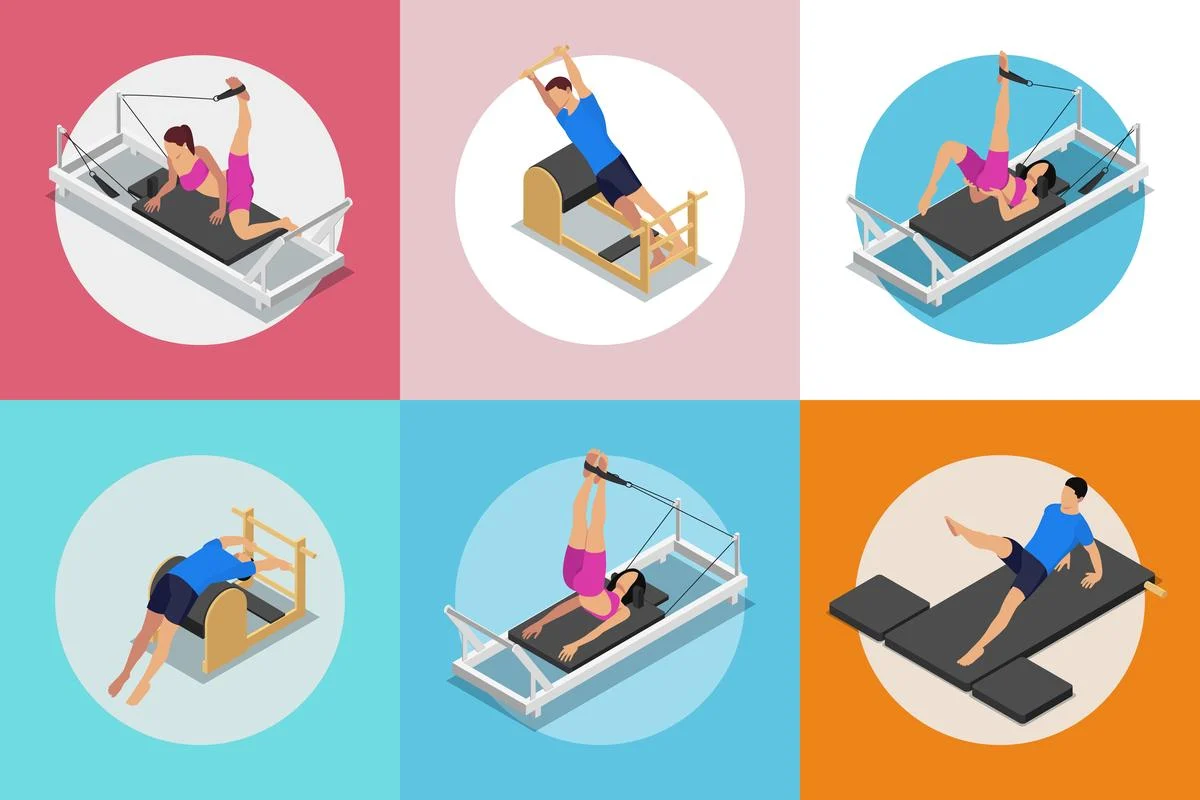
A comprehensive exploration into the enduring popularity and scientific validation of an exercise method that transcends trends, fostering holistic well-being.
In an era increasingly defined by a holistic approach to health and wellness, Pilates has emerged not merely as a fleeting fitness trend, but as a deeply ingrained practice offering profound benefits for both the body and mind. Developed in the early 20th century by the visionary Joseph Pilates, this unique exercise system, originally termed "Contrology," has captivated practitioners for over a century, proving its efficacy through rigorous scientific study and widespread adoption. Far from being solely about building muscle or achieving extreme flexibility, Pilates is a meticulously designed discipline that cultivates core strength, enhances body awareness, and sharpens mental focus, offering a comprehensive pathway to physical and psychological equilibrium.
The Genesis of a Movement: Joseph Pilates and the Birth of Contrology
The story of Pilates is inextricably linked to its creator, Joseph Pilates. Born in Germany in the late 19th century, Pilates himself was a frail child who suffered from various ailments, including asthma and rickets. This personal struggle fueled a lifelong dedication to understanding and developing physical conditioning. His formative years were marked by an intense study of anatomy and a deep immersion in various physical disciplines. He drew inspiration from a diverse range of practices, including gymnastics, boxing, yoga, and Zen meditation, seeking to create a system that would strengthen the body from its very core.
In the early 1900s, Pilates began to refine his theories and develop a series of exercises designed to improve posture, flexibility, and core strength. His initial term for this method, "Contrology," perfectly encapsulates its essence: a conscious and controlled engagement of the body’s musculature, guided by the mind. The focus was on precision of movement, breath control, and the development of a strong, stable "powerhouse" – the deep abdominal and back muscles that form the center of the body.
The outbreak of World War I proved to be a pivotal moment in Pilates’s journey. Interned in England as an enemy alien, he was able to implement his exercise system on fellow internees, demonstrating its therapeutic potential in rehabilitation. It is during this period that he is believed to have developed some of the earliest forms of specialized Pilates apparatus, using springs and other available materials to provide resistance and support for exercises.
Following the war, Pilates returned to Germany. However, disillusioned with the political climate, he made the momentous decision to emigrate to the United States in 1926. Upon arriving in New York City, he established a studio, strategically located near the New York City Ballet. This proximity facilitated an early and enduring connection between Pilates and the world of dance, where the demands for precise body control, strength, and injury prevention made his method particularly appealing. Dancers, recognizing the profound impact of Contrology on their performance and longevity, became some of his earliest and most fervent proponents. The popularity that began in this humble New York studio has since rippled across the globe, evolving and adapting while retaining its fundamental principles.
The Pillars of Pilates: Core Strength, Breath, and Mind-Body Connection
At its heart, Pilates is a sophisticated system of mindful movement that emphasizes the interconnectedness of the body and mind. The core tenets of the practice revolve around several key principles:
-
Core Strength (The Powerhouse): The foundation of Pilates lies in strengthening the deep abdominal muscles, obliques, lower back muscles, and the pelvic floor. This integrated core musculature acts as a stabilizing unit, supporting the spine and facilitating efficient movement throughout the entire body. A strong powerhouse not only enhances physical performance but also plays a crucial role in preventing injuries and alleviating chronic pain.
-
Breath Control: Breath is an integral component of every Pilates exercise. Joseph Pilates believed that breath was the catalyst for movement and a vital tool for cleansing the body and mind. Pilates exercises typically involve deep, diaphragmatic breathing, coordinated with the precise movements. This conscious breathing not only oxygenates the blood and promotes relaxation but also aids in engaging the core muscles and increasing the intensity of the workout.
-
Precision and Control: Every movement in Pilates is executed with deliberate precision and control. Rather than focusing on the number of repetitions, the emphasis is on the quality of each movement. This meticulous attention to detail ensures that the correct muscles are engaged, promoting proper alignment and preventing compensatory movements that can lead to strain or injury.
-
Flow and Movement Efficiency: Pilates aims to create fluid, seamless movements that mimic the natural patterns of the body. By developing coordinated strength and flexibility, practitioners learn to move with greater efficiency and grace, reducing unnecessary tension and conserving energy.
-
Concentration and Mental Focus: Pilates demands a high level of concentration. Practitioners are encouraged to be fully present in their bodies, mindful of every subtle muscular engagement and breath. This mental focus not only enhances the effectiveness of the exercises but also cultivates a state of mindfulness that can extend beyond the studio into daily life, reducing stress and improving overall mental clarity.
Evolution of a Discipline: From Contrology to Contemporary Adaptations
Over the decades, the practice of Pilates has evolved, giving rise to distinct styles that cater to a broader range of practitioners and fitness philosophies. While the core principles remain, these variations offer different approaches to execution and emphasis:
-
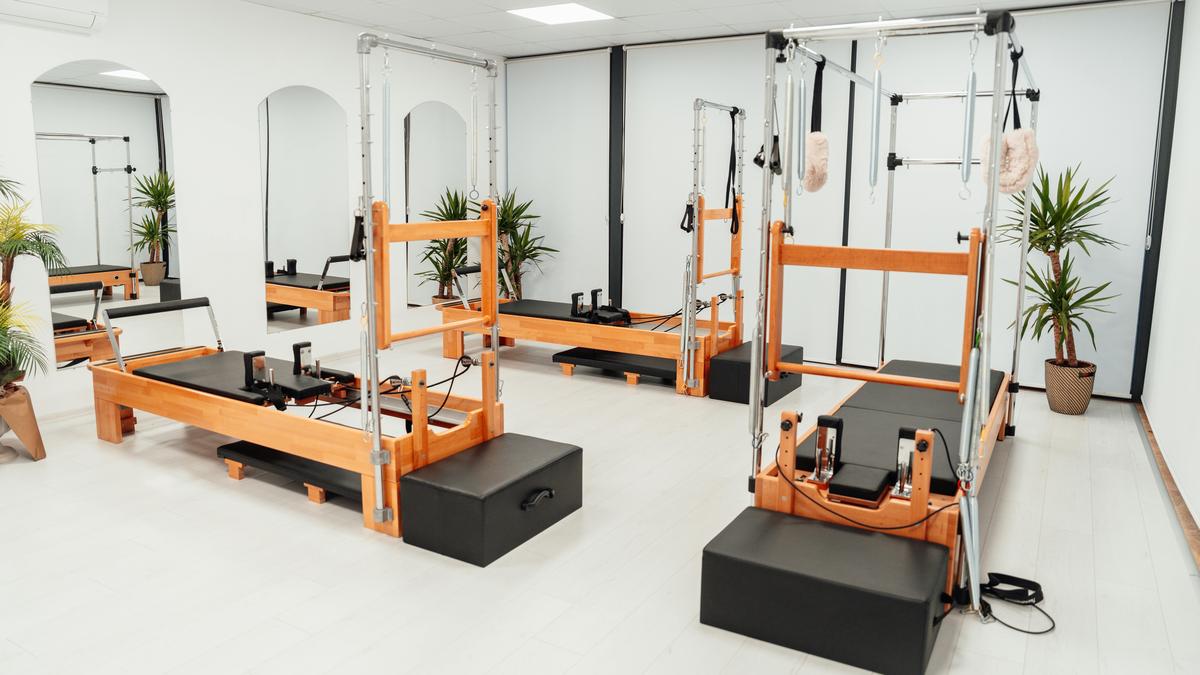
Contrology (The Original Method): This represents the purest form of Joseph Pilates’s original teachings. Contrology is characterized by a specific repertoire of exercises, meticulously sequenced and often performed on specialized apparatus designed by Pilates himself. Joseph Pilates was famously particular about his method, emphasizing that any deviation from his prescribed exercises or order meant it was no longer "Contrology." The focus is on strict adherence to his principles and techniques.
-
Classical Pilates: Developed by Joseph Pilates’s direct disciples, Classical Pilates maintains the integrity of the original method with only minor modifications. These instructors, often referred to as the "Elders," have preserved the legacy of Contrology, ensuring its authentic transmission. While largely faithful to the original, Classical Pilates may incorporate slight adaptations and additional exercises that have become accepted within this lineage. It is often considered to be a direct continuation of Contrology.
-
Contemporary Pilates: This is the most widely practiced and adapted form of Pilates today. Contemporary Pilates embraces innovation and modern scientific understanding of biomechanics and exercise physiology. It often includes more modifications to exercises, incorporates a wider array of specialized equipment beyond the original apparatus, and allows for greater flexibility in the order and combination of exercises. Contemporary Pilates frequently integrates elements from other disciplines, leading to popular hybrid forms.
The adaptability of Pilates has led to its fusion with other popular fitness modalities, creating dynamic and engaging workout experiences. These innovative combinations include:
- Yogilates: A blend of Pilates and yoga, combining the core strengthening and mindful movement of Pilates with the flexibility, balance, and meditative aspects of yoga.
- Cardiopilates: Integrating cardiovascular elements into a Pilates routine, enhancing the workout’s intensity and calorie expenditure while still emphasizing core strength and control.
- Piloxing: A high-energy fusion that combines the power and agility of boxing with the core-strengthening and toning benefits of Pilates and the heart-pumping nature of cardio.
- Aquapilates: Performed in water, this variation leverages the buoyancy and resistance of water to provide a low-impact yet effective full-body workout, ideal for individuals with joint issues or those seeking a gentler approach.
- Aeropilates: This style utilizes trampolines, resistance cords, and other aerial equipment to create dynamic and challenging exercises that improve strength, balance, and cardiovascular fitness while protecting joints.
The Scientific Ascendancy: Pilates as a Validated Wellness Modality
The enduring popularity of Pilates is not merely a testament to its aesthetic appeal or its presence on social media feeds. Increasingly, the scientific community has recognized and validated the profound benefits of this exercise system. Numerous studies, published in reputable journals such as the Journal of Orthopaedic & Sports Physical Therapy and by organizations like the American Council on Exercise, have underscored the efficacy of Pilates across a spectrum of health and fitness domains.
Research consistently highlights Pilates’s significant contributions to:
-
Spinal Stability and Posture: Pilates exercises are exceptionally effective at strengthening the deep muscles that support the spine, leading to improved spinal stability and a noticeable improvement in posture. This, in turn, can alleviate chronic back pain and reduce the risk of future spinal injuries. Studies have shown that Pilates can lead to a significant reduction in lower back pain intensity and disability.
-
Injury Prevention: The emphasis on proper alignment, controlled movement, and core engagement inherent in Pilates significantly reduces the risk of injuries often associated with more high-impact or poorly executed exercises. By building a strong and balanced body, practitioners are better equipped to handle the demands of daily life and athletic activities.
-
Chronic Pain Management: For individuals suffering from chronic pain, particularly in the back and neck, Pilates has proven to be a valuable therapeutic intervention. By strengthening supporting muscles, improving flexibility, and promoting better body mechanics, Pilates can help to alleviate pain and improve functional capacity.

-
Enhanced Balance and Flexibility: The precise movements and focus on controlled range of motion inherent in Pilates naturally lead to improved balance and increased flexibility. This is particularly beneficial for older adults, helping to prevent falls and maintain independence.
-
Improved Mental Health and Stress Reduction: The mindful nature of Pilates, with its emphasis on breath control and present moment awareness, has significant psychological benefits. Studies suggest that Pilates can effectively reduce anxiety levels, promote relaxation, and improve overall mood. The focus required during a Pilates session can act as a form of moving meditation, offering a respite from daily stressors.
-
Bone Health: While not a weight-bearing exercise in the traditional sense, the controlled resistance and muscle engagement in Pilates can contribute to maintaining bone density. This is crucial in preventing conditions like osteoporosis, especially as individuals age.
The scientific validation of Pilates has shifted its perception from a niche fitness practice to a recognized and respected form of exercise for rehabilitation, performance enhancement, and general well-being. Its ability to address multiple facets of health – physical strength, flexibility, posture, mental clarity, and pain management – solidifies its position as a comprehensive and effective approach to lifelong wellness.
The Enduring Appeal: Why Pilates Continues to Captivate
The resurgence and sustained popularity of Pilates in recent years can be attributed to a confluence of factors:
-
Growing Health Consciousness: Modern generations are increasingly prioritizing their health and well-being, seeking out exercise methods that offer more than just superficial physical changes. Pilates, with its focus on holistic health, resonates deeply with this trend.
-
The Digital Influence and FOMO: Social media platforms have played a significant role in showcasing the aesthetic and functional benefits of Pilates. The visual appeal of toned physiques and the aspirational lifestyles often associated with Pilates practitioners can create a "fear of missing out" (FOMO), encouraging more people to try the practice.
-
Accessibility and Adaptability: The evolution of Pilates, with its diverse styles and hybrid forms, has made it accessible to a wider audience. Whether one prefers the precision of classical methods, the innovation of contemporary approaches, or the fusion with other disciplines, there is a Pilates practice to suit nearly every preference and fitness level.
-
Focus on Longevity and Injury Prevention: In an age where awareness of long-term health and injury prevention is paramount, Pilates stands out. Its emphasis on building a resilient and well-balanced body appeals to individuals of all ages who aim to maintain an active and pain-free lifestyle well into their later years.
-
The Mind-Body Connection in a Stressed World: The constant demands of modern life have amplified the need for practices that foster mental well-being. Pilates offers a sanctuary for the mind, providing an opportunity to disconnect from external pressures and reconnect with one’s own body through focused movement and breath.
As the world continues to evolve, the principles of Pilates – core strength, mindful movement, and a deep connection between the body and mind – remain profoundly relevant. It is an exercise method that transcends fads, offering a timeless path to a stronger, more balanced, and more resilient self. Whether one is seeking to rehabilitate from an injury, enhance athletic performance, or simply cultivate a deeper sense of well-being, Pilates offers a powerful and scientifically validated solution, proving that a century-old approach to fitness can indeed be the key to a healthier future.
