

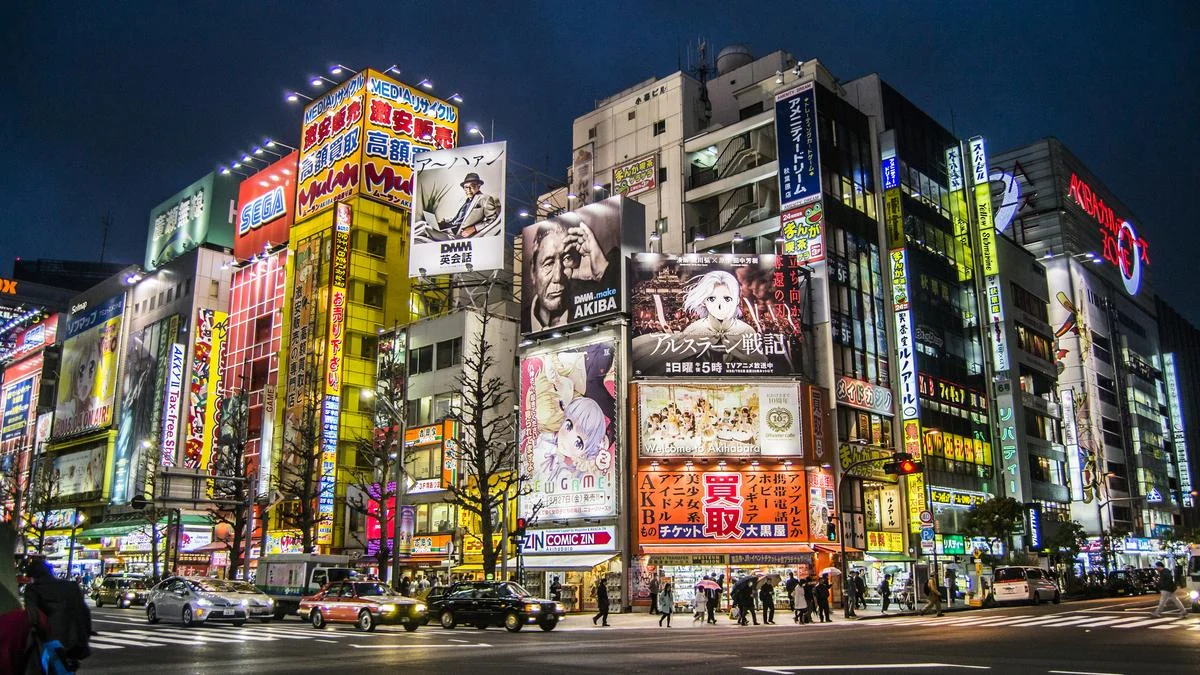
TOKYO – To describe Tokyo is to describe a biological rhythm. For many travelers, the city mirrors the physiological state of a body forty minutes into a high-intensity cardio session: the pulse is elevated, the senses are heightened, and there is an undeniable surge of electric vitality. Yet, beneath the neon-lit freneticism and the thrum of the world’s most efficient transit system lies a city of profound stillness and curated bliss.

For the time-strapped traveler, Tokyo presents a challenge of curation. How does one distill a metropolis of 14 million people and centuries of history into a mere two-day itinerary? This report explores a 48-hour journey through the heart of Japan, balancing high-altitude luxury with subterranean street culture, and Michelin-starred precision with the rustic charm of railway-arch izakayas.
The Chronology: 48 Hours in the Metropolis
Day 1: From Sacred Gates to Digital Dreams
09:00 – The Otemachi Awakening
The journey begins at the Four Seasons Hotel Tokyo at Otemachi. Situated in the city’s primary financial district, the hotel serves as a vertical sanctuary. Guests often wake to a rare sight: the "prima donna" of the Japanese landscape, Mount Fuji, appearing through the morning mist. Breakfast at Pigneto on the 39th floor offers a panoramic introduction to the city, overlooking the sprawling green lungs of the Imperial Palace Gardens. The culinary spread—ranging from Japanese staples to Italian and Thai influences—reflects Tokyo’s status as a global gastronomic crossroads.

11:00 – The Traditional Pulse of Asakusa
Descending from the heights of Otemachi, the itinerary moves to the historic Asakusa district. The focal point is Nakamise-dori, a 250-meter shopping street that has served pilgrims for centuries. The air here is thick with the scent of ningyo-yaki (doll-shaped cakes filled with red bean paste) and yokan sweets. This is Tokyo’s sensory frontline, where traditional red lanterns sway above tourists hunting for handcrafted fans and artisan chopsticks.
12:00 – Spiritual Purification at Senso-ji
At the terminus of Nakamise-dori stands the Senso-ji Temple, Tokyo’s oldest Buddhist site. Entry is marked by the Kaminarimon (Thunder Gate), housing a 700-kilogram red lantern that is meticulously replaced every decade. The experience is one of ritual: visitors purchase o-mikuji (fortune slips) and gather around a massive incense burner, wafting "purifying" smoke over themselves—a practice believed to bestow health and clarity.

14:00 – Subterranean Gastronomy: Tokyo Ramen Street
Lunch is found beneath the tracks of Tokyo Station. "Tokyo Ramen Street" is a subterranean enclave featuring eight of the city’s most prestigious ramen shops. At Hirugao, the specialty is Shio (salt-based) ramen. The process is a quintessentially Japanese blend of efficiency and excellence: diners select their meal from a vending machine, receive a token, and wait. The resulting bowl—featuring slow-roasted pork and eggs cured in premium tare sauce—is a testament to the city’s "quick-service" culinary heights.
16:00 – The Zen of Kiyosumi Garden
To counteract the midday bustle, the itinerary shifts to the Kiyosumi Garden in Koto-ku. This "strolling garden" from the Meiji era is centered around a massive pond where turtles sun themselves on peripheral rocks. The landscape, characterized by "gnarly" ancient trees and stepping stones (isowatari), offers a masterclass in Japanese landscape architecture, prioritizing the harmony between water, stone, and flora.

19:00 – The Digital Frontier: teamLab Planets
As evening falls, the focus shifts to Toyosu for teamLab Planets. This "body immersive" museum represents the pinnacle of Tokyo’s intersection between art and technology. Visitors navigate the space barefoot, wading through knee-deep water where virtual koi fish—rendered in real-time by computer algorithms—scatter upon contact. It is a sensory overhaul that blurs the line between the physical self and digital art.
21:00 – Mixology at the Edge of the Sky
The day concludes at Virtu, currently ranked among the top bars in Asia. Located on the 39th floor of the Four Seasons, the bar specializes in a fusion of French spirits and Japanese seasonal produce. Signature cocktails, such as a blend of fig, cognac, and Japanese black tea, provide a sophisticated nightcap against a backdrop of shimmering skyscrapers.

Day 2: The Art of the Everyday and the Elegance of the Elite
09:00 – The ‘Konbini’ Culture
Day two begins not in a dining room, but in a konbini (convenience store). In Japan, stores like FamilyMart and Lawson are cultural institutions. The "Famichiki" (fried chicken) and the legendary creamy egg sandwiches represent a high-quality, accessible food culture that is unique to the country. It is a necessary ritual for any traveler seeking to understand the daily rhythm of the Tokyoite.
11:00 – Imperial Grandeur
A visit to the Imperial Palace, the primary residence of the Emperor of Japan, offers a look at Japanese Modernist architecture set within Edo-era fortifications. While the inner grounds require a guided tour, the surrounding 5-kilometer moat remains a popular circuit for local runners and a site of architectural majesty, featuring massive stone walls that have survived centuries of seismic activity.

13:30 – The Impressionist Afternoon Tea
Returning to Otemachi, the afternoon is dedicated to "The Lounge" at the Four Seasons. Here, the traditional British afternoon tea is reimagined through a Japanese lens. The current "Orsay Impressionist Exhibition" menu, crafted by Pastry Chef Michele Abbatemarco, features edible homages to Claude Monet and Pierre-Auguste Renoir. Savories like smoked salmon rillettes and sweets like vanilla bavarois are served with the precision of a gallery opening.
17:00 – Ginza: The Global Gold Standard
The late afternoon is reserved for Ginza, Tokyo’s most upscale shopping district. From the iconic "Tiger Yellow" facade of the Onitsuka Tiger flagship to the 12-story Uniqlo emporium, Ginza is a cathedral of commerce. Beyond the global luxury brands (Chanel, Louis Vuitton), the district is home to historic department stores like Mitsukoshi and Matsuya, which have defined Japanese retail elegance since the early 20th century.

19:00 – Michelin-Starred Terroir: Est
Dinner is served at Est, a one-Michelin-starred restaurant helmed by Chef Guillaume Bracaval. The name stands for Emotion, Season, and Terroir. The menu is a dialogue between French technique and Japanese sourcing: Wagyu from Miyazaki, cheese from Hokkaido, and citrus from Shizuoka. The nine-course omakase is a curated journey through the Japanese archipelago, presented with the understated elegance of contemporary fine dining.
21:00 – The Under-Track Izakayas of Yurakucho
The 48-hour journey ends in the smoky, neon-lit alleys of Yurakucho Yokocho. Tucked beneath the active railway tracks of the Yamanote line, these small bars (izakayas) serve as the social heart of the city. Sipping umeshu (plum liqueur) while trains thunder overhead provides a final, visceral reminder of Tokyo’s dual nature: a city of high-tech efficiency that remains rooted in the intimate, gritty charm of its post-war history.

Supporting Data: The Infrastructure of Excellence
The success of a 48-hour Tokyo itinerary is predicated on the city’s world-class infrastructure. According to data from the Japan National Tourism Organization (JNTO), Tokyo remains one of the most accessible cities for international travelers, with a public transport punctuality rate exceeding 99%.
Furthermore, Tokyo holds the distinction of having the highest concentration of Michelin-starred restaurants in the world (over 180 in the 2024 guide), surpassing Paris. This density of culinary excellence ensures that even a short-term visitor can experience world-tier gastronomy within a small geographic radius.

Official Responses and Philosophy
The philosophy of Japanese hospitality, or Omotenashi, is central to the Tokyo experience. Chef Guillaume Bracaval of Est emphasizes that his work is not merely about food, but about a "thinking like an artist" to bridge cultures.
Representatives from the Four Seasons Hotel Tokyo at Otemachi noted that the modern luxury traveler is increasingly looking for "sensory immersion"—the ability to transition from a high-tech digital art installation to a 9th-century spiritual ritual within a single afternoon. This "compressed diversity" is what allows Tokyo to remain relevant in a competitive global tourism market.

Implications: The Future of Urban Tourism
The 48-hour Tokyo model serves as a blueprint for the future of urban tourism. As global travel becomes more fragmented and time-sensitive, cities that can offer a "sensorially devoured" experience—where luxury and street culture coexist seamlessly—will thrive.
Tokyo’s ability to maintain its traditional soul (the Senso-ji rituals and the Yokocho alleys) while leading the world in digital innovation (teamLab) and luxury hospitality suggests a resilient tourism model. For the traveler, the implication is clear: Tokyo is not a city to be merely "seen"; it is a city to be felt, a heartbeat that stays with the visitor long after they have left its neon-lit streets.
