

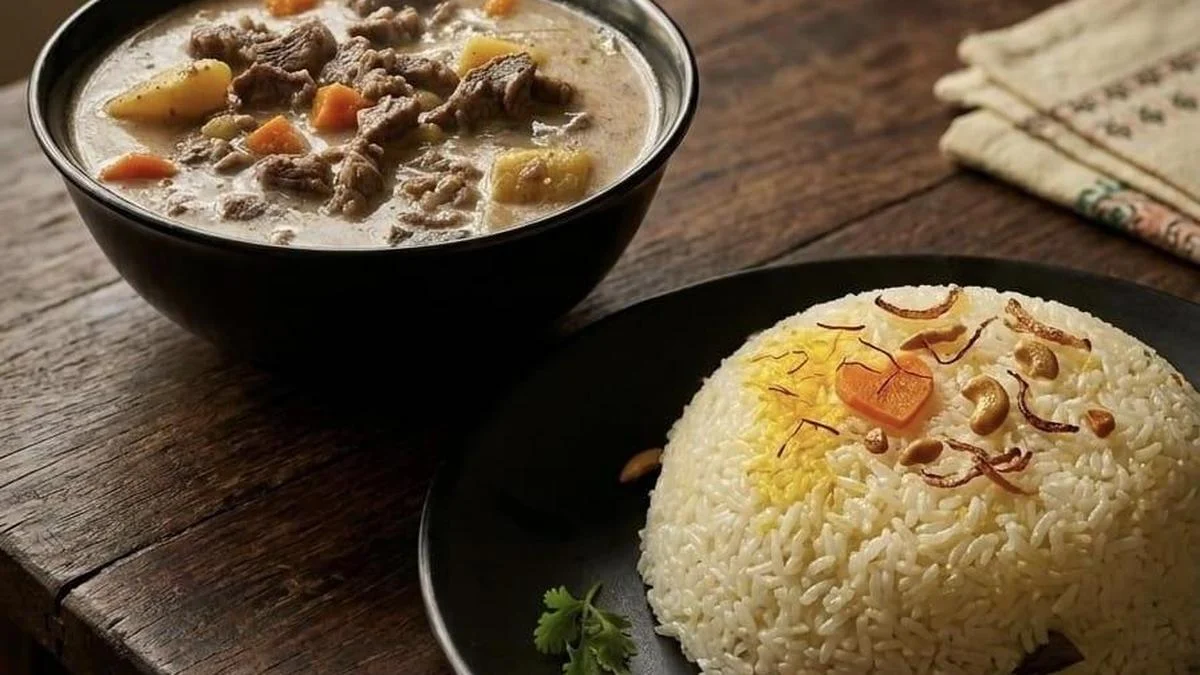
In the humid, salt-tinged air of Kochi, a culinary revolution is simmering, and it smells of cardamom, cinnamon, and fresh coconut milk. For decades, the Kerala stew—affectionately known as Ishtew or Ishtoo—was the quiet protagonist of the breakfast table, a mild-mannered accompaniment to the lacy, fermented rice crepes known as appams. However, in a shift that mirrors the global trend of elevating humble comfort foods, the stew has stepped out of the shadows of the breakfast combo. Today, it stands as a standalone gastronomic icon, fueling a new wave of dedicated restaurants, innovative cloud kitchens, and even specialized food trucks that cater to a generation hungry for both flavor and nostalgia.
Main Facts: The Anatomy of a Culinary Trend
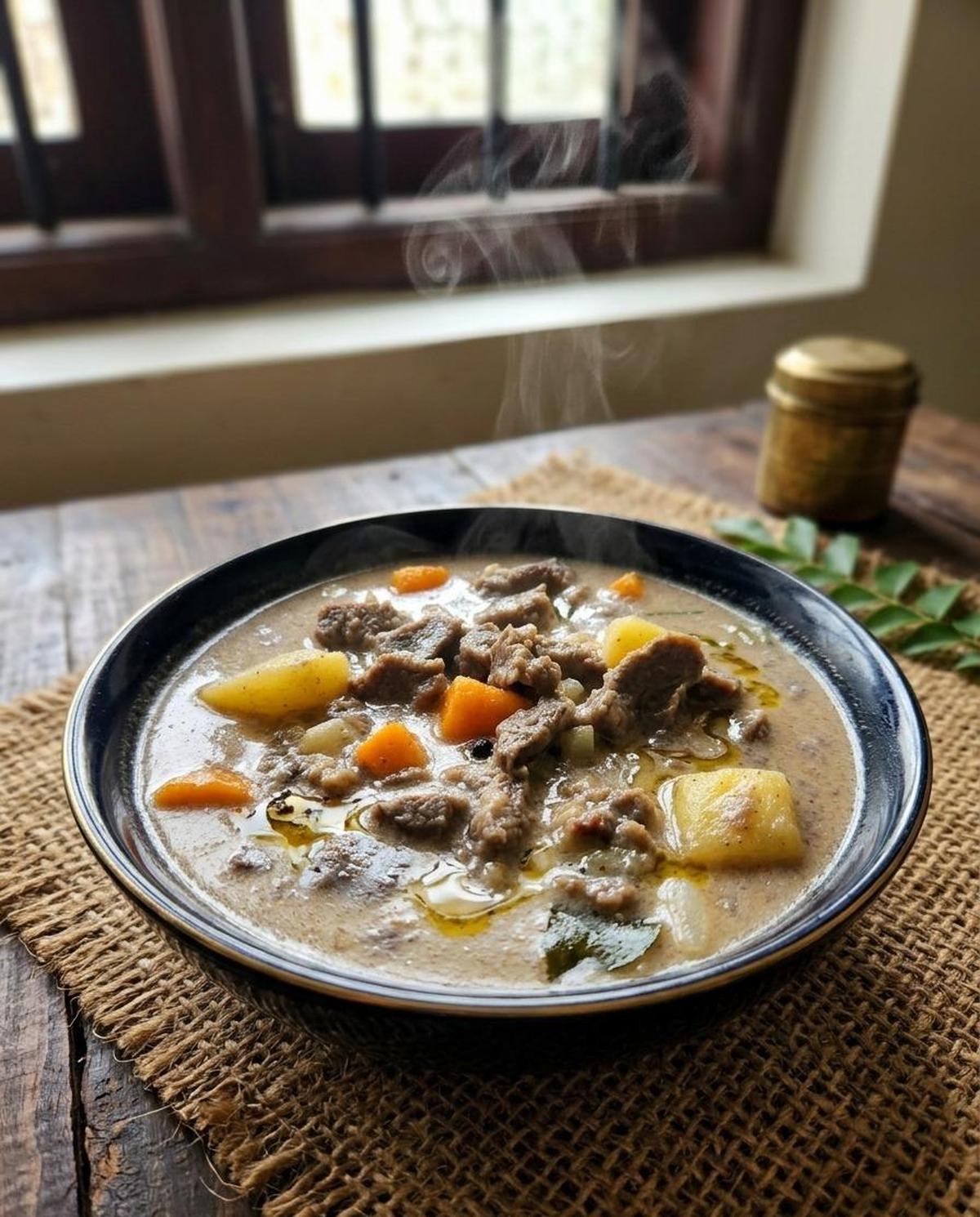
The Kerala stew is a masterclass in subtlety. Unlike the fiery, red-hued curries usually associated with South Indian cuisine, the Ishtew is a pale, creamy broth. Its foundation is the extracted milk of fresh coconuts, infused with the warmth of whole spices: cloves, peppercorns, cinnamon sticks, and bay leaves. Traditionally, it features tender chunks of chicken, beef, or mutton, accompanied by cubed potatoes, carrots, and onions. For the vegetarian palate, the meat is replaced by a medley of seasonal vegetables, yet the soul of the dish remains unchanged.
The current trend in Kochi and across Kerala is marked by three distinct shifts:
- Specialization: Establishments are no longer treating stew as a secondary menu item. Businesses like "Reems Stew and Bread" and "Stewmuch" have built their entire brand identities around this single dish.
- Nostalgia as a Commodity: In a fast-paced urban environment, the stew represents "a warm hug"—a connection to ancestral kitchens and festive mornings of Christmas and Easter.
- Culinary Fusion and Refinement: While the core recipe remains traditional, modern purveyors are experimenting with thickening agents (using cashew paste instead of cornflour) and unconventional pairings, such as serving stew with ghee rice or custom-baked artisanal breads.
Chronology: From Colonial Influence to the "Stew Truck" Era
The history of the Kerala stew is a timeline of cultural intersections, spanning centuries of trade and colonization.
The Colonial Roots (16th – 19th Century)
The dish is a quintessential example of "fusion" before the term existed. Its origins are deeply tied to the Portuguese and British presence in Kerala. The Portuguese are credited with introducing potatoes and carrots to the region, while the British brought the concept of the slow-cooked meat broth. However, the Malayali touch was the substitution of dairy or flour-based thickeners with coconut milk—an abundant local resource. This adaptation was also influenced by the Jewish community in Kerala, who used coconut milk to adhere to Kosher laws that prohibit the mixing of meat and dairy.
The Festive Staple (20th Century)
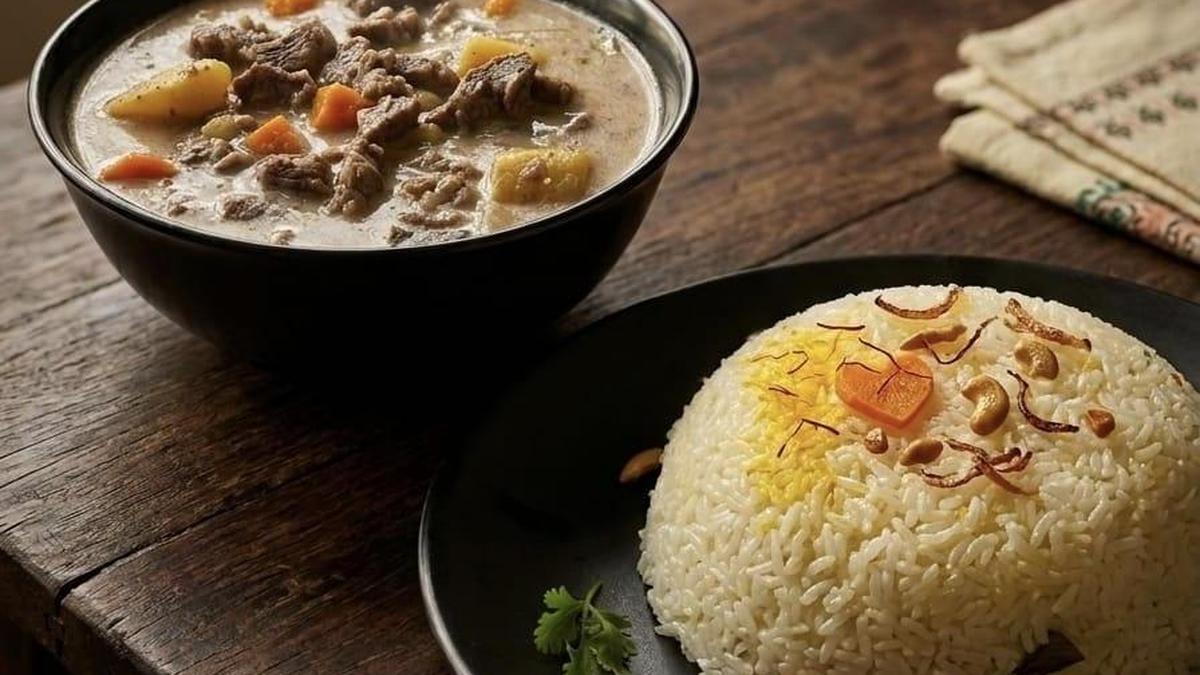
For most of the 1900s, the stew was solidified as a "special occasion" dish. It became an integral part of Syrian Christian and Anglo-Indian heritage. In Kochi’s Anglo-Indian households, mutton stew and bread were the mandatory wedding breakfast. In Syrian Christian homes, it was the reward after the long Lenten fast, served on Easter Sunday.
The Social Media Explosion (2020 – 2023)
The modern commercial boom began recently. Establishments like "Hamza’s Kitchen" on Pipeline Road became viral sensations on social media. Videos of steaming bowls of stew being served with fluffy bread captured the imagination of food bloggers, transforming a domestic staple into a "must-try" street food experience.
The Rise of Dedicated Outlets (2024)
In January 2024, "Reems Stew and Bread" launched its food truck in Kochi, marking a turning point where the dish became mobile and accessible. Simultaneously, cloud kitchens like "Stewmuch" emerged, treating the dish with the same artisanal focus usually reserved for specialty coffee or sourdough bread.
Supporting Data: Regional Variations and the Science of Flavor
The popularity of the stew is supported by its remarkable versatility. Unlike many heavy Indian dishes, the stew is "light on the palate," making it one of the few traditional recipes that transitions seamlessly between breakfast, lunch, and dinner.
The Malabar vs. Kochi Divide
Data from local culinary experts highlights a fascinating regional split in the stew’s preparation:

- The Malabar Stew: Hailing from the northern regions like Kozhikode, this version is typically thicker and carries a mild yellow hue. It has a more aggressive spice profile, with a prominent note of black pepper. In Malabar, it is often paired with ghee rice, a combination that is only now gaining traction in the south.
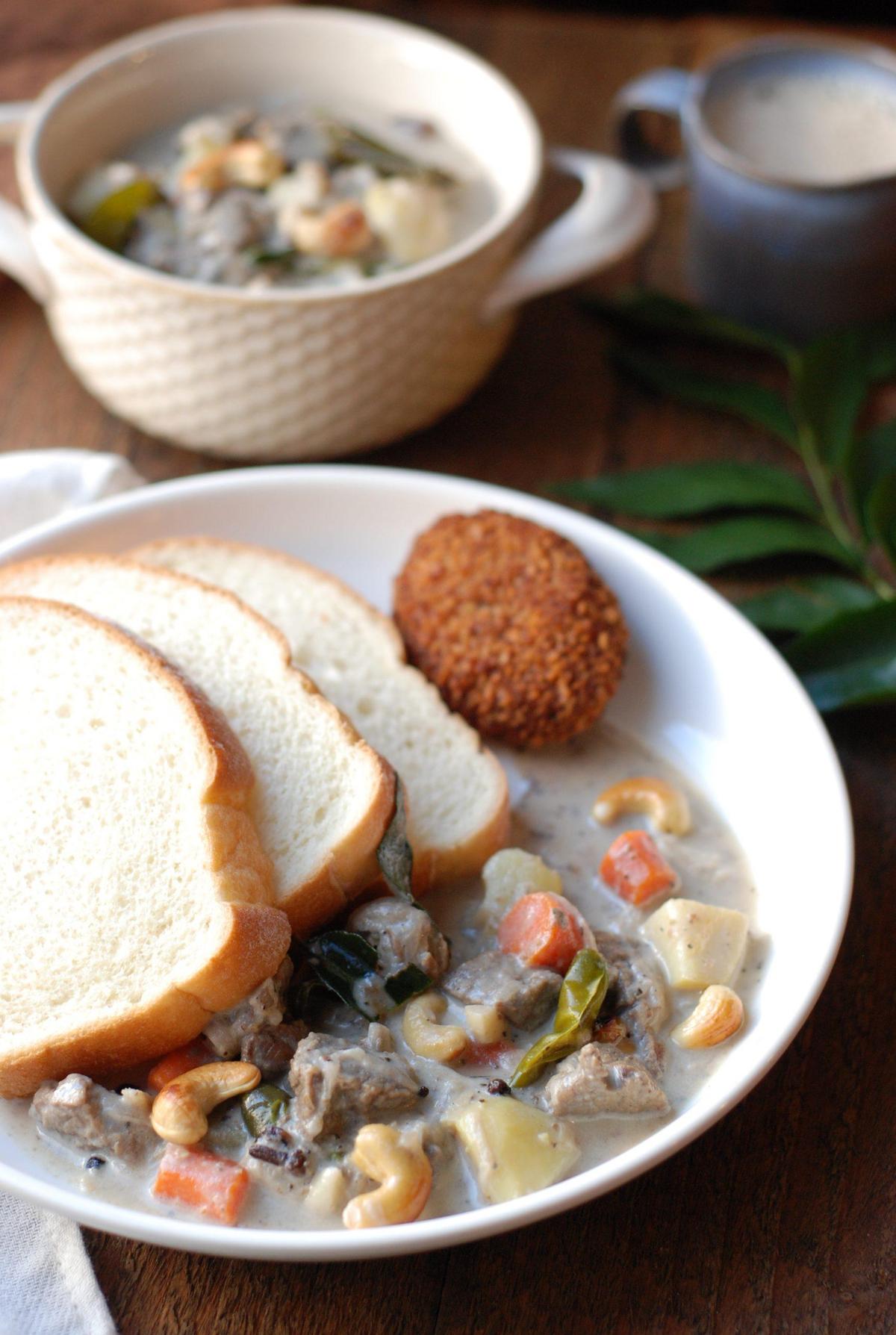
- The Kochi Stew: The central Kerala version is prized for its whiteness and sweetness. It is milder, thinner, and traditionally served with appam or local "local bread" (steamed or toasted slices).
The Thickening Technique
A key differentiator in the high-end stew market is the avoidance of cornflour. Modern commercial stews often use a "hack" passed down through generations: cashew paste. This not only thickens the gravy but adds a rich, nutty undertone that complements the sweetness of the coconut milk.
Official Responses: Voices from the Frontlines of the Trend
The entrepreneurs driving this trend emphasize that they are selling more than just food; they are selling a sensory memory.
Ajoy ET, co-founder of Reems Stew and Bread, notes the emotional pull of the dish. "The response has been sensational," he says. "The bread-stew combination is more than food for the Kochiite. It is part of our celebrations. It is pure nostalgia and a taste of home, which has people coming to us in droves." His wife, Reema, handles the cooking, utilizing recipes inherited from her grandmother, ensuring the authenticity that modern customers crave.
Jishnu KP, founder of the cloud kitchen Stewmuch, spent three years deliberating before launching his stew-centric business. For Jishnu, the stew is the pinnacle of hospitality. "In many kitchens, guests are welcomed with good food—and stew has always had a special place in that hospitality," he explains. Jishnu is also a proponent of cross-pollinating regional styles. "I am trying to build a recipe inspired by a meeting of Malabar and Kochi traditions. Our stew tries to keep a balance between these characteristics."
Tanya Abraham, food historian and author of Eating with History, provides the academic weight to this trend. She explains that the stew’s "layered history" is what makes it so resilient. "The stew is often connected to the Surianis [Syrian Christians], who specifically used pepper and ginger. Potatoes and carrots came with the Portuguese, and the stew took on a variation of their slow-cooked broth-like dish."
Implications: The Future of Kerala’s Gastronomic Identity
The elevation of the Kerala stew has several significant implications for the region’s food economy and cultural preservation.
1. The Professionalization of "Home Food"
The success of dedicated stew outlets suggests a maturing market where consumers are willing to pay a premium for "specialized" traditional food. By moving away from the "multicuisine" restaurant model, these entrepreneurs are proving that a limited, focused menu can achieve higher quality and stronger brand loyalty.
2. Culinary Tourism
Kochi is increasingly positioning itself as a culinary destination. The presence of "stew trucks" and "stew spots" adds a layer of experiential dining that appeals to domestic and international tourists looking for authentic local flavors beyond the standard "fish curry meals."
3. Preserving Heritage Through Innovation
While some might fear that commercializing a festive dish diminishes its value, the current trend suggests the opposite. By introducing stew to the "ghee rice" pairings of the north or the "food truck" culture of the south, young entrepreneurs are ensuring that the recipe survives. They are making a centuries-old colonial legacy relevant to a generation that eats with their eyes on Instagram but seeks comfort in the flavors of their grandparents.
4. Economic Opportunities for Small-Scale Producers
The demand for high-quality stew drives a secondary market for fresh coconut milk, high-grade spices (cinnamon and cardamom from the Western Ghats), and artisanal bread. This creates a localized supply chain that benefits regional farmers and bakers.
In conclusion, the Kerala Ishtew is currently enjoying a well-deserved moment in the sun. It is a dish that managed to absorb the influences of Portuguese explorers, British colonizers, and Jewish settlers, only to emerge as a symbol of Malayali identity. Whether served from a sleek truck in Kakkanad or ordered via an app from a cloud kitchen in Kozhikode, the stew remains a "warm hug" in a bowl—a nuanced, spice-tinged reminder that in the world of fast food, there is still plenty of room for slow-cooked memories.
