

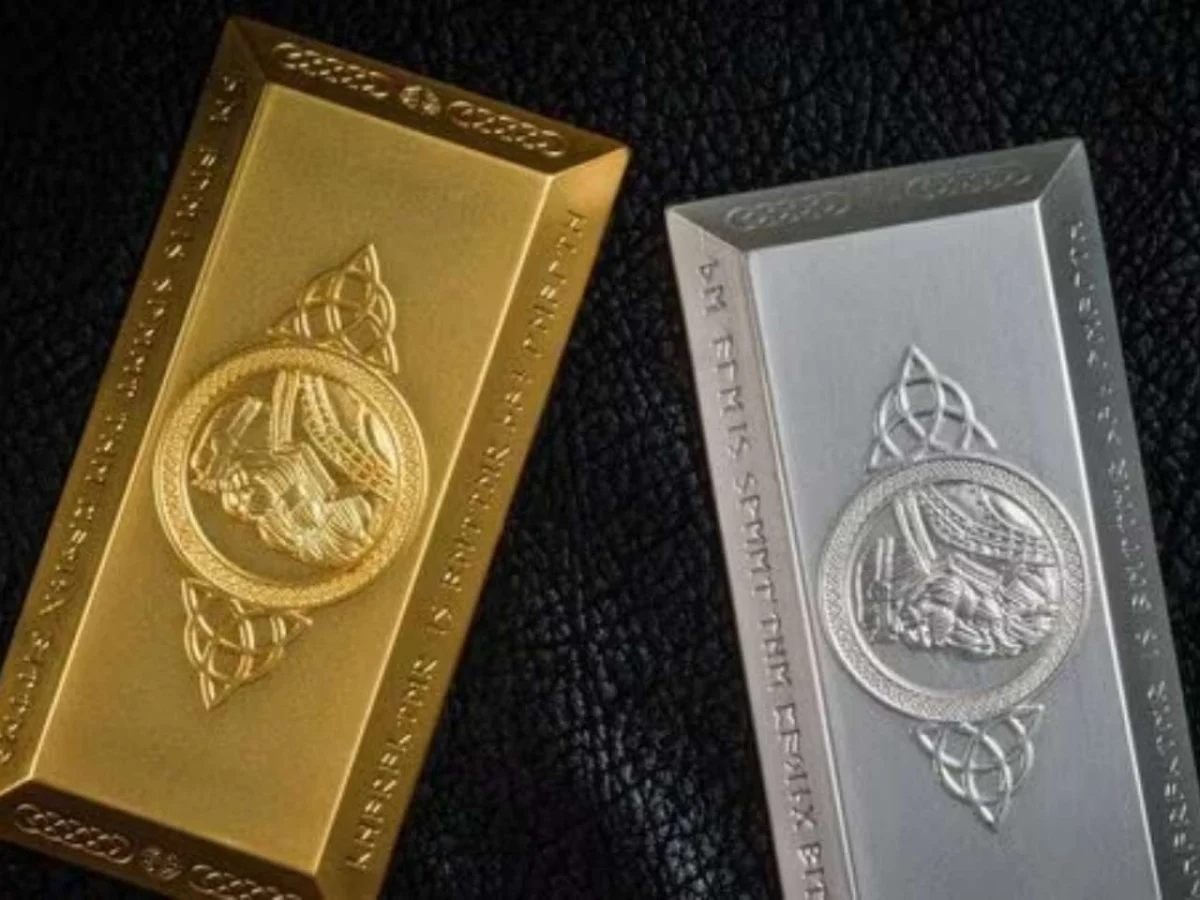
Mumbai, India – As of July 26, 2026, the intricate dance of global economic forces, domestic demand, and currency fluctuations continues to dictate the trajectory of gold and silver prices across India. In a market perennially captivated by precious metals, today’s rates reflect a delicate balance of international sentiment, inflationary pressures, and India’s deep-rooted cultural affinity for these assets. Gold has experienced a marginal uptick, primarily driven by persistent global demand and the looming shadow of inflation, while silver maintains its robust standing, bolstered by its dual role as an investment hedge and an indispensable industrial commodity.
The bullion market, a barometer of economic health and investor confidence, remains a focal point for millions of Indian households, businesses, and investors. The dynamic interplay between international benchmarks, the strength of the Indian Rupee against the US Dollar, and the cyclical rhythm of domestic festivals and wedding seasons creates a unique pricing environment that warrants close observation.
Main Facts: Current Snapshot of Precious Metals
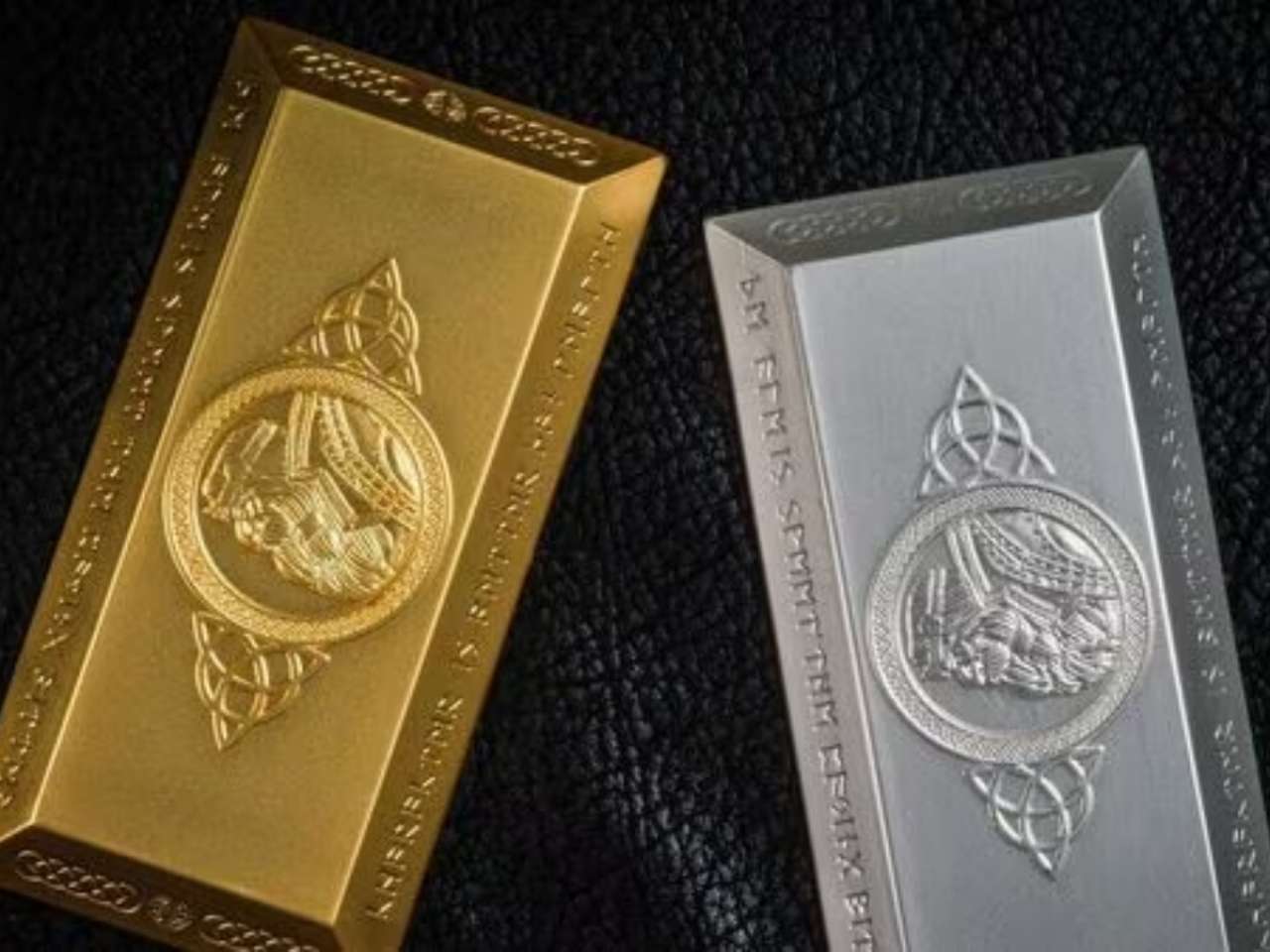
On this Saturday, July 26, 2026, the precious metals market in India presents a nuanced picture. Gold, often seen as a traditional safe haven, has registered a slight increase, reinforcing its appeal amidst ongoing economic uncertainties. The price of 24-karat gold (999 purity) stands at an average of Rs 14,617 per gram, while 22-karat gold, the preferred choice for jewellery, is priced at Rs 13,399 per gram. These figures represent a national average, with regional variations observed across major metropolitan centers.
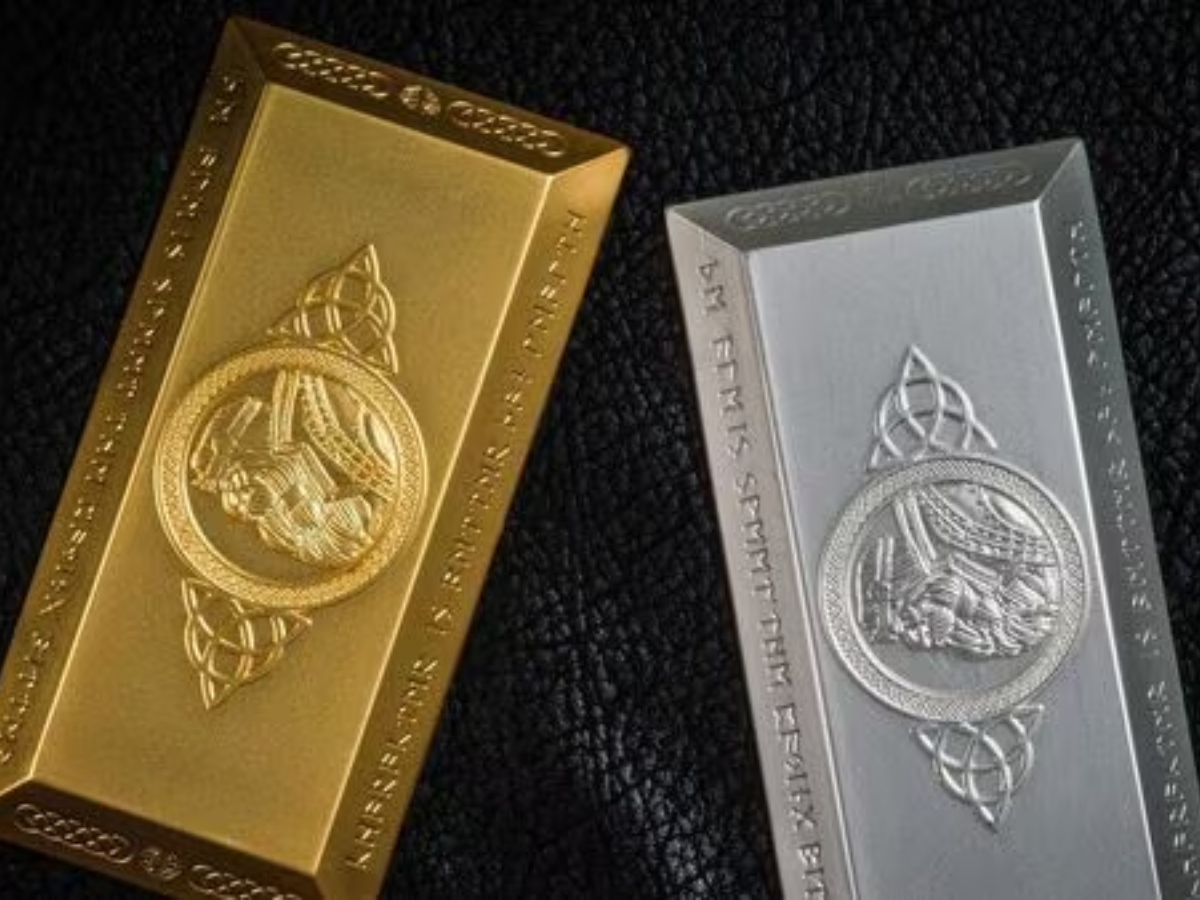
Silver, frequently referred to as "poor man’s gold" but increasingly valued for its industrial utility, is trading robustly. The price for 999 pure silver is approximately Rs 2,39,900 per kilogram, translating to Rs 2,399 per 10 grams. Sterling silver (925 purity), often used in ornaments and silverware, is available at Rs 2,39,000 per kilogram. The market continues to monitor global cues closely, understanding that even minor shifts in international commodity prices or currency valuations can ripple through the domestic market.
)
Chronology: The Path to Today’s Valuations
The current gold and silver prices are not isolated figures but rather the culmination of a complex series of events and trends that have unfolded over the past year and, more acutely, in recent months. The period leading up to July 2026 has been characterized by a mix of global economic headwinds and intermittent periods of optimism, significantly shaping the precious metals landscape.
Early 2025 – Mid-2025: Following a period of aggressive interest rate hikes by major central banks globally in 2024, precious metals experienced some volatility. Gold initially faced pressure as higher interest rates made non-yielding assets less attractive. However, concerns over a potential global economic slowdown and geopolitical tensions, particularly in Eastern Europe and the Middle East, provided a floor for prices, maintaining gold’s safe-haven appeal. Silver, impacted by a slowdown in global manufacturing, saw its industrial demand waver, leading to a more subdued performance compared to gold.

Late 2025 – Early 2026: As central banks signaled a potential plateau or even a pivot in monetary policy, the narrative began to shift. Expectations of rate cuts in late 2025 or early 2026 reignited interest in gold. Persistent inflationary pressures, particularly in key economies, further bolstered gold’s role as an inflation hedge. Simultaneously, a gradual recovery in global manufacturing and an increased focus on green energy initiatives, which heavily rely on silver, began to drive up industrial demand for the white metal. The Indian Rupee also experienced phases of depreciation against the US Dollar during this period, making gold imports more expensive in local currency terms and contributing to domestic price increases.
Mid-2026 (Leading to July 26): The immediate weeks preceding July 26, 2026, have seen continued global economic uncertainty. While some economies show resilience, others grapple with persistent inflation and slowing growth. Geopolitical tensions remain a significant concern, prompting investors to allocate a portion of their portfolios to safe-haven assets. This confluence of factors has provided sustained upward momentum for gold, resulting in the "slight increase" observed today. Silver, benefiting from both its investment characteristics and strengthening industrial demand, has also seen its value appreciate, albeit with its characteristic higher volatility. The festive season in India, though still some months away, begins to cast its shadow, with early procurement by traders and consumers contributing to demand. The current rates, therefore, reflect a market adjusting to ongoing global economic recalibrations and robust domestic fundamentals.
)
Supporting Data: A Deeper Dive into Price Dynamics
Understanding the forces that sculpt gold and silver prices requires a detailed examination of both global and local factors. The figures presented today are not arbitrary but are intricately linked to a complex web of economic indicators and market sentiments.
Gold Prices on July 26, 2026: A Granular View
The national average for 24K gold at Rs 14,617 per gram and 22K gold at Rs 13,399 per gram masks regional variations that are crucial for consumers and traders.
)
- Gold prices in Delhi:
- 24K gold: Rs 14,632 per gram
- 22K gold: Rs 13,414 per gram
- Gold prices in Mumbai:
- 24K gold: Rs 14,617 per gram
- 22K gold: Rs 13,399 per gram
- Gold prices in Kolkata:
- 24K gold: Rs 14,617 per gram
- 22K gold: Rs 13,399 per gram
- Gold prices in Chennai:
- 24K gold: Rs 14,729 per gram
- 22K gold: Rs 13,501 per gram
The slight premium observed in cities like Delhi and Chennai compared to Mumbai and Kolkata can often be attributed to local taxes, specific regional demand patterns (e.g., strong jewellery culture in South India), and logistics costs. Chennai, in particular, frequently reports marginally higher prices due to its vibrant jewellery market and robust consumer purchasing power.
Influencing Factors for Gold:
)
- International Gold Price (COMEX/LBMA): India is a major importer of gold, making global prices set on exchanges like COMEX (New York) and the London Bullion Market Association (LBMA) fixing highly influential. Any movement in the international spot price of gold, typically quoted in US Dollars per troy ounce, directly translates to Indian prices after conversion and duties. Global economic data, geopolitical events, and central bank policies in major economies like the US, Europe, and China are key drivers of these international rates.
- Exchange Rate (INR/USD): The value of the Indian Rupee against the US Dollar is a critical determinant. Since gold is primarily imported and priced in USD globally, a weaker Rupee (i.e., more Rupees needed to buy one US Dollar) makes gold imports more expensive in INR terms, pushing up domestic prices. The Reserve Bank of India’s (RBI) monetary policy and India’s trade balance significantly influence this exchange rate.
- Domestic Jewellery and Investment Demand: India’s cultural relationship with gold is profound. Weddings, festivals like Diwali, Akshaya Tritiya, and Durga Puja, and other auspicious occasions fuel significant demand for gold jewellery and coins. This inherent cultural demand provides a strong underlying support for prices, often outweighing global trends during peak seasons. Furthermore, gold is a popular investment avenue for many Indians, particularly in rural areas, acting as a store of value and a hedge against economic instability.
- Inflationary Pressures: Gold is traditionally considered an excellent hedge against inflation. When the purchasing power of fiat currencies erodes due to rising prices, investors often flock to gold to preserve wealth. The "slight increase" in gold prices today is explicitly linked to "inflationary pressures," suggesting that market participants are seeking refuge in hard assets as the cost of living continues to rise.
- Interest Rate Decisions: Central bank interest rate policies profoundly impact gold. Higher interest rates typically increase the opportunity cost of holding non-yielding assets like gold, as investors can earn better returns from bonds or savings accounts. Conversely, lower interest rates or expectations of future cuts make gold more attractive. The global monetary policy cycle, therefore, remains a crucial watchpoint.
Silver Prices on July 26, 2026: Industrial and Investment Appeal
Silver, while often overshadowed by gold, holds its own distinct market dynamics. The price for 999 pure silver is Rs 2,39,900 per kilogram (Rs 2,399 per 10 grams), and for 925 sterling silver, it is Rs 2,39,000 per kilogram.
- Silver price in Delhi today: Rs 2399 per 10 grams (999 pure)
- Silver price in Mumbai today: Rs 2399 per 10 grams (999 pure)
- Silver price in Kolkata today: Rs 2399 per 10 grams (999 pure)
- Silver price in Chennai today: Rs 2449 per 10 grams (999 pure)
Similar to gold, Chennai exhibits a slight premium for silver, reflecting strong regional demand for silver ornaments and utensils, particularly in South India.
)
Influencing Factors for Silver:
- Global Markets and Industrial Demand: Unlike gold, a significant portion of silver demand (around 50-60%) comes from industrial applications. It is an indispensable component in electronics (e.g., conductors, switches), solar panels (photovoltaics), medical devices, water purification systems, and the automotive industry. Therefore, global economic growth, manufacturing output, and technological advancements directly impact silver prices. A robust global economy with increasing industrial activity tends to push silver prices higher. The recent recovery in global manufacturing and investment in renewable energy technologies have been key drivers for silver.
- Investment Demand: Silver also serves as a precious metal and a store of value, attracting investors seeking diversification and a hedge against inflation and economic uncertainty. Its lower price point compared to gold makes it more accessible for smaller investors. Demand for silver coins and bars is a significant component of this investment appetite.
- Cultural and Jewellery Demand: In certain parts of India, particularly in rural areas and specific cultural contexts, silver ornaments and silverware are more prevalent and culturally significant than gold. This local demand adds another layer of support to silver prices.
- Gold-Silver Ratio: This ratio indicates how many ounces of silver are needed to buy one ounce of gold. It’s a key indicator for analysts. A historically high ratio might suggest silver is undervalued relative to gold, potentially signaling an upcoming rally in silver. Monitoring this ratio provides insights into the relative strength and weakness of the two metals.
Official Responses and Expert Market Sentiment
The daily fluctuations in precious metals rarely elicit direct "official responses" from government bodies. However, the broader market sentiment is shaped by the perspectives of economists, industry experts, and financial analysts.
)
Mr. Rajesh Kumar, a seasoned bullion market analyst based in Mumbai, offered his insights: "The slight increase in gold today is a clear signal of ongoing risk aversion in global markets. Investors are navigating a complex environment of persistent inflation, fluctuating interest rate expectations, and geopolitical instability. Gold remains their preferred sanctuary. For silver, its dual identity is its strength. While it benefits from the safe-haven flows alongside gold, the resurgence in industrial activity, particularly in renewable energy, is providing a robust floor and even upward pressure. We expect this trend to continue in the short to medium term, with gold being buoyed by inflation concerns and silver by industrial demand."
Ms. Anjali Sharma, Chief Economist at a leading private bank, commented on the macro landscape: "The Indian economy, while showing resilience, is not immune to global tremors. The rupee’s stability, or lack thereof, against the dollar plays a crucial role in domestic gold prices. While the RBI is committed to price stability, global commodity prices and crude oil movements continue to exert pressure. The festive season demand for gold, though still some months away, will be a significant factor. We advise investors to consider precious metals as a strategic hedge within a diversified portfolio, rather than a speculative play."
)
The All India Gems & Jewellery Domestic Council (AIGJDC), through its spokesperson, expressed optimism for the upcoming festive and wedding seasons. "Despite the current higher price points, the inherent demand for gold and silver in India remains robust. Consumers view these metals not just as ornaments but as generational assets. We anticipate healthy demand, though perhaps with a shift towards lighter jewellery or purchases spread over time, as consumers adapt to the prevailing price levels."
These expert opinions underscore the consensus that gold and silver are currently supported by fundamental economic drivers and cultural significance, albeit with an acknowledgement of global volatility.
)
Implications: What This Means for Consumers, Investors, and the Economy
The current pricing of gold and silver on July 26, 2026, carries significant implications for various stakeholders in India.
For Consumers:
- Wedding Season Planning: With key wedding months approaching, families planning nuptials will need to factor in these elevated prices. There might be a trend towards more prudent purchases, opting for lighter designs or considering alternatives like silver jewellery where culturally acceptable, especially given silver’s relatively lower cost.
- Festive Purchases: As major festivals loom, consumers might adjust their purchasing patterns. Some might choose to buy gold in smaller denominations (coins, bars) as an investment rather than elaborate jewellery, or spread their purchases over time to average out costs.
- Cultural Significance: Despite price fluctuations, the deeply ingrained cultural importance of gold and silver in India ensures a baseline demand that often proves resilient even in challenging economic times.
For Investors:
- Safe-Haven Appeal: Gold continues to solidify its position as a reliable safe-haven asset, particularly during periods of economic uncertainty and inflationary pressures. For investors looking to protect their capital from currency devaluation or market volatility, gold remains a compelling option.
- Diversification: Both gold and silver offer valuable diversification benefits within an investment portfolio. Their often-inverse relationship with equities and other financial assets can help mitigate overall portfolio risk.
- Silver’s Dual Role: Investors in silver are betting on both its precious metal characteristics and its growing industrial demand. The increasing global push for green technologies, such as solar power and electric vehicles, promises a sustained demand for silver in the long term, adding an attractive growth dimension to its investment profile.
- Long-Term vs. Short-Term: While short-term fluctuations are inevitable, many financial advisors advocate for a long-term view when investing in precious metals, leveraging their historical track record as wealth preservers.
For the Indian Economy:
- Current Account Deficit: India’s substantial reliance on gold imports can significantly impact its current account deficit. Higher gold prices, coupled with strong domestic demand, mean higher import bills, which can put pressure on the rupee and the nation’s foreign exchange reserves.
- Household Savings: Gold has historically been a significant component of household savings in India, particularly in rural areas where access to formal financial instruments might be limited. The appreciation in gold prices translates to an increase in the wealth of these households.
- Jewellery Industry: The domestic jewellery industry, a major employer, is directly affected by price movements. While higher prices can deter some buyers, the industry often innovates with lighter designs and promotional offers to maintain sales volumes.
Future Outlook: Navigating the Road Ahead
The outlook for gold and silver prices remains a subject of intense debate, but several key themes are likely to dominate the narrative in the coming months and years:
)
- Inflation Trajectory: The persistence of global inflation will be a primary driver for gold. If inflation remains elevated, gold’s appeal as a hedge will strengthen, potentially pushing prices further upwards. Conversely, a significant cooling of inflation could temper demand.
- Global Monetary Policy: The future path of interest rates by central banks, especially the US Federal Reserve and the Reserve Bank of India, will be crucial. Any indication of further rate hikes could create headwinds for gold, while anticipated cuts could provide tailwinds.
- Geopolitical Stability: Ongoing geopolitical tensions, conflicts, or significant political uncertainties globally will continue to fuel safe-haven demand for gold.
- Industrial Growth and Green Transition: For silver, the pace of global industrial growth and the accelerated transition to renewable energy technologies will be paramount. Increased investment in solar power, electric vehicles, and 5G infrastructure will directly translate to higher demand for silver.
- Rupee Volatility: The stability of the Indian Rupee against the US Dollar will continue to be a domestic factor influencing local prices.
In conclusion, as of July 26, 2026, gold and silver prices in India stand at elevated levels, reflecting a confluence of global economic anxieties and robust domestic demand. While short-term volatility is an inherent characteristic of these markets, their enduring appeal as stores of value, hedges against inflation, and critical industrial components ensures their continued relevance in India’s financial and cultural landscape. Consumers and investors alike will need to remain agile, closely monitoring global economic indicators and domestic market dynamics to make informed decisions in this ever-evolving precious metals market.
