

Main Facts: The Intersection of Global Sport and New England Heritage
As the international community turns its gaze toward the United States for the FIFA World Cup 2026, Boston is positioning itself as a premier host city. Scheduled to host seven pivotal matches, including a high-stakes quarter-final, the city is bracing for an influx of hundreds of thousands of global visitors. While the matches will be centered at the Boston Stadium—historically and colloquially known as Gillette Stadium—the true pulse of the city lies not in the concession stands of Foxborough, but in the historic cobblestone streets and salt-misted waterfronts of the city proper.
Boston’s culinary identity is anchored by two iconic staples: the lobster roll and New England clam chowder. However, the contemporary food scene has expanded far beyond these traditional confines. Today, the city offers a sophisticated tapestry of flavors ranging from Caribbean goat curry in Dorchester to Michelin-recognized fine dining in the Back Bay. The upcoming World Cup serves as a catalyst for a broader exploration of "The Cradle of Liberty," a city where 19th-century oyster bars coexist with mid-century modern rooftop trattorias. For the visiting fan, the challenge is not finding a meal, but choosing between the "Maine" and "Connecticut" styles of lobster service—a debate as fierce as any local sports rivalry.
Chronology: From 1826 to the Modern Rooftop
To understand Boston’s palate is to trace a timeline that mirrors the American experience itself. The culinary journey often begins at Harvard University, where tradition dictates a visit to the John Harvard statue for good luck before descending into the bustling epicurean hub of Harvard Square.

The 19th Century Foundation: The Union Oyster House
The chronological heart of Boston’s dining history is the Union Oyster House. Established in 1826, it holds the distinction of being the oldest continually operating restaurant and oyster bar in the United States. Housed in a Pre-Revolutionary building, the establishment launched its iconic semi-circular Oyster Bar in 1897. This was the era of "bench-opened" oysters, a tradition of fresh shucking that remains the restaurant’s crowning jewel today. It was here that the foundations of New England seafood culture were solidified, catering to everyone from local tradesmen to future world leaders.
The Mid-20th Century Expansion: Legal Sea Foods
Fast forward to the mid-20th century, and the city’s relationship with the sea evolved into a more expansive, commercial success story. Legal Sea Foods, which began as a fish market in 1950, eventually opened its flagship Harborside restaurant. This move signaled a shift toward large-scale, high-quality seafood dining that utilized Boston’s scenic waterfront as a backdrop. It was during this period that the "lobster roll" cemented its status as a seasonal necessity, with variations developing based on regional preferences for mayonnaise versus drawn butter.
The 21st Century Innovation: Contessa and Mooncusser
In the current decade, Boston has entered a phase of sophisticated fusion and architectural grandeur. Restaurants like Contessa, perched atop the Newbury Hotel, represent the "New Boston." Here, the focus is on "lifestyle dining"—where the aesthetics of the room (Wes Anderson-inspired pink banquettes and Art Deco details) are as curated as the wine list. Simultaneously, chefs like Carl Dooley at Mooncusser are redefining New England ingredients through a global lens, proving that the city’s food scene is no longer a monolith of fried fish and cream-based soups.

Supporting Data: The Anatomy of a New England Menu
The distinction between a tourist meal and an authentic Bostonian experience lies in the details of the ingredients and their preparation.
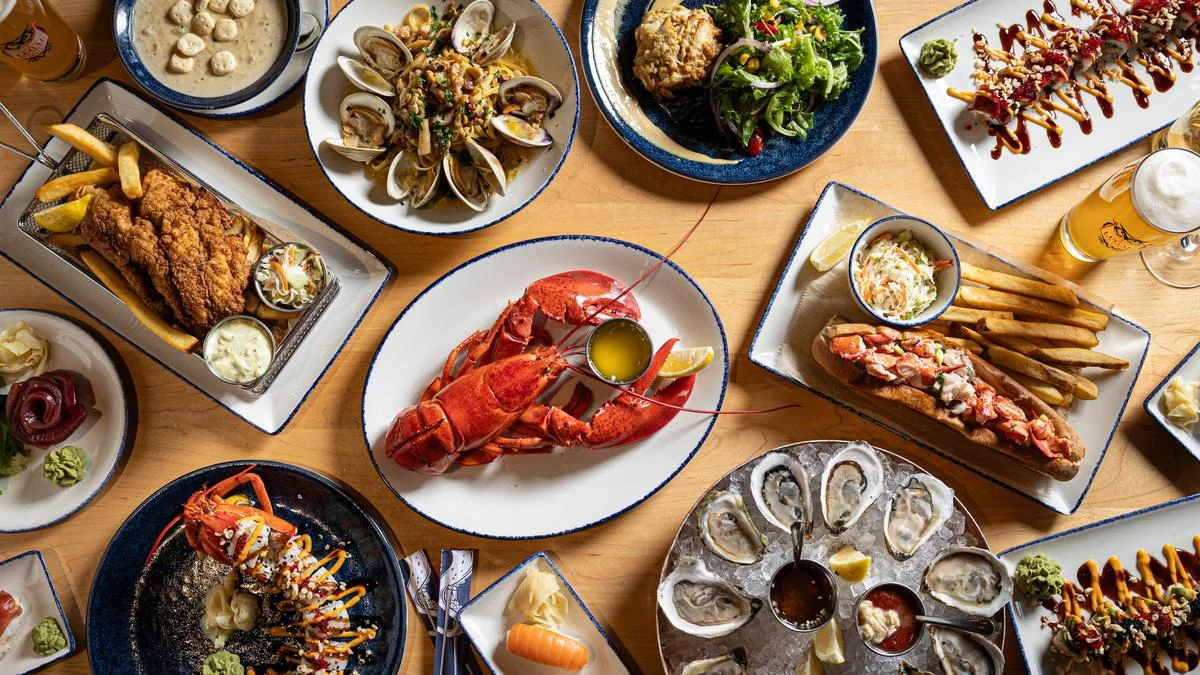
The Lobster Roll Dichotomy
A primary point of data for any visitor is the regional variation of the lobster roll. Boston traditionally serves them in two distinct formats:
- Maine Style: The lobster meat is chilled, lightly tossed in mayonnaise, and served in a cold bun. This style emphasizes the sweetness of the cold-water crustacean.
- Connecticut Style: The meat is served warm, poached in or drizzled with clarified butter, and presented on a toasted, split-top roll. At Legal Sea Foods, the Connecticut version is celebrated for its "glossy" presentation, allowing the richness of the butter to enhance the hearty chunks of locally sourced meat.
The Chowder Standard
Clam chowder remains the city’s most recognizable export. At Harvest in Harvard Square, the dish is treated with architectural precision: a base of rich cream and potatoes, punctuated by salty bacon, and lifted by the freshness of leeks and celery. At the Union Oyster House, the chowder is traditionally accompanied by freshly baked cornbread—a staple so popular that the restaurant processes hundreds of pounds of cornmeal daily to keep up with demand.

Stadium Logistics vs. City Dining
While Gillette Stadium offers standard fare—fried chicken sandwiches, soft pretzels, and fruit cups—the economic impact of the World Cup is expected to drive significant traffic to the city’s independent restaurants. With a capacity of over 60,000 at the stadium, the logistical "spillover" into Boston’s dining districts (North End, Back Bay, and Seaport) is anticipated to reach record highs in 2026.
Official Responses and Expert Insights
To gain a deeper understanding of the city’s evolving landscape, we spoke with industry veterans and culinary innovators.
John Paul, Manager of the Union Oyster House:
Reflecting on the restaurant’s legacy as a "living museum," Paul emphasizes the historical continuity of the space. "We are always packed, with a capacity of 500 diners at a time," he notes. Paul highlights the "Kennedy Booth" (Booth 18), where John F. Kennedy dined every Sunday. The manager observes that while the world changes, the demand for "simple but dramatic" dishes, like the jumbo prawn cocktail and Sam Adams Colonial Ale, remains constant.

Chef Carl Dooley, Mooncusser:
A James Beard Foundation nominee and Top Chef finalist, Dooley offers a more contemporary "insider" perspective. He argues that visitors often overlook the city’s diversity. "Maybe visitors come here for history, but then hopefully they realize the innovation, the arts, and definitely the food scene," Dooley says.
Dooley points toward neighborhoods like East Boston and Allston as the true frontiers of Boston food. He specifically recommends pupusas at La Reina in East Boston, noting the city’s significant Salvadoran population. For those seeking a "Brooklyn vibe," he suggests Allston for its Korean BBQ and independent music venues like Brighton Music Hall. His advice for the 2026 visitor? "Rent a Blue Bike and ride along the Charles River… it’s the best way to experience the city."
Implications: Tourism, Identity, and the 2026 Horizon
The selection of Boston as a FIFA World Cup host city carries significant implications for its international brand. Historically viewed as a "college town" or a "historical site," the city is using its culinary diversity to rebrand as a cosmopolitan metropolis.

The Economic Ripple Effect
The 2026 World Cup is projected to generate hundreds of millions of dollars in local revenue. However, the long-term implication is the "discovery" of Boston’s lesser-known neighborhoods. By steering tourists toward Dorchester for Trinidadian roti or Allston for dive bars and indie music, the city aims to distribute the economic benefits of the tournament beyond the immediate vicinity of the stadium and the Freedom Trail.
Cultural Preservation vs. Modernization
There is a delicate balance being struck between preserving the "old school" charm of places like Harvest and the Union Oyster House and embracing the high-concept luxury of establishments like Contessa. Contessa’s success—becoming one of the city’s toughest reservations—suggests that there is a growing market for upscale, European-style dining that leverages Boston’s skyline.
Conclusion for the Global Fan
For the football fans arriving in 2026, the implication is clear: Boston is a city of layers. One can spend the morning rubbing a bronze statue for luck at Harvard, the afternoon eating oysters where Presidents once sat, and the evening sipping a Vesper Martini on a rooftop overlooking the Public Garden. The "Cradle of Liberty" has evolved into a global kitchen, where the stories that shaped America are now being told through a diverse and innovative culinary language.

As the writer’s journey concludes with a plate of Panettone French Toast at Contessa, the message to the world is simple: come for the football, but stay for the buttered lobster rolls, the briny oysters on ice, and the enduring spirit of a city that knows exactly how to feed its guests.
