

TECHNOLOGY
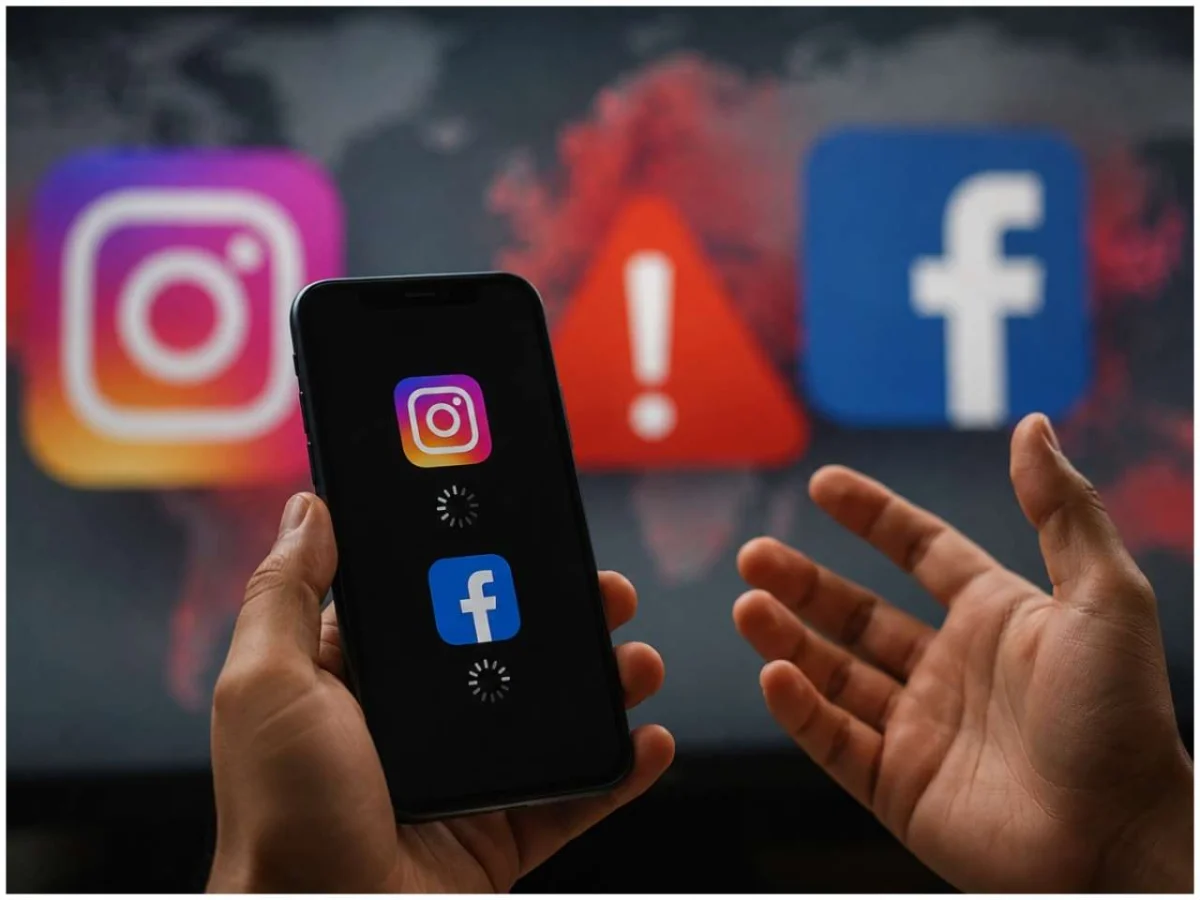
In a significant disruption to global digital life, Meta Platforms—the parent company of social media giants Instagram and Facebook—faced a massive, widespread outage on Sunday, July 19, 2026. Millions of users across numerous countries reported severe issues with logging in, posting content, and refreshing their feeds, effectively plunging vast swathes of the online world into digital darkness. As the crisis unfolded, Meta remained conspicuously silent, offering no immediate explanation or timeline for resolution, further fueling user frustration and concern.
The outage, which began escalating rapidly on Sunday afternoon, underscored the profound dependence of individuals and businesses alike on these ubiquitous platforms. From casual users unable to connect with friends and family to businesses facing immediate financial repercussions, the incident served as a stark reminder of the fragility of our increasingly interconnected digital ecosystem.
Global Digital Disruption: Meta Platforms Grapple with Widespread Outage
The digital world experienced a profound jolt on Sunday, July 19, 2026, as Meta’s flagship platforms, Instagram and Facebook, succumbed to a massive, global-scale outage. Beginning in the early afternoon, users across continents reported an inability to access their accounts, share updates, or even view their news feeds, effectively severing their connections to billions of online interactions. The disruption triggered a cascade of complaints and an outpouring of frustration across the internet, particularly on rival platforms like X (formerly Twitter), which ironically became a primary channel for users to vent their grievances and seek information.
)
The immediate impact was palpable and far-reaching. Personal communications were halted, businesses reliant on Meta for marketing and sales faced significant operational challenges, and content creators saw their engagement—and potentially their income—evaporate instantly. The absence of any official communication from Meta in the initial hours of the crisis only amplified the anxiety, leaving users to speculate about the cause and duration of the unprecedented disruption. This widespread digital blackout not only highlighted the technical vulnerabilities of even the largest tech giants but also exposed the deep-seated reliance of modern society on centralized digital infrastructure.
A Timeline of Digital Silence: How the Outage Unfolded
The widespread issues began to surface around 1:00 PM Indian Standard Time (IST) on Sunday, July 19, 2026, when isolated reports of login failures and feed refresh problems started trickling in. Within minutes, these scattered complaints rapidly coalesced into a torrent, signaling a systemic issue rather than localized glitches. Downdetector, a real-time online platform that monitors the status of websites and services, registered an exponential surge in user-submitted reports for both Instagram and Facebook.

By 2:00 PM IST, the number of complaints on Downdetector had soared past tens of thousands, indicating a truly global problem. Users from diverse geographical locations, including India, parts of Europe, North America, and Southeast Asia, confirmed they were experiencing identical issues. Error messages such as "Couldn’t refresh feed," "Session expired," and "An unknown error occurred" became ubiquitous. Attempts to log in often resulted in endless loading screens or immediate redirection to the login page without success. Posting new content, particularly Reels or Stories on Instagram, proved impossible for many, with uploads consistently failing or getting stuck in a perpetual processing loop.
The peak of reported issues on Downdetector occurred between 1:00 PM and 4:00 PM IST, during which the complaint graphs for both platforms resembled a towering spike, far exceeding typical daily fluctuations. Even after this initial surge, the number of reports continued to rise steadily, suggesting that the problem was either persisting or slowly expanding to affect more users.
)
Throughout these critical hours, Meta Platforms maintained a profound silence. There were no immediate official statements on their corporate newsroom, nor were their designated support accounts on X (such as @Meta or @InstagramComms) updated with any information regarding the outage. This lack of transparency in the face of a major global disruption only served to heighten user frustration and led to a flurry of speculation across other social media channels. Users were left in the dark, without any indication of the cause, the scope, or the estimated time for resolution, transforming a technical glitch into a significant public relations challenge for the tech behemoth.
Echoes of Frustration: Data, Reach, and Real-World Consequences
The sheer volume of reports flooding platforms like Downdetector provided a vivid snapshot of the outage’s magnitude. Downdetector, which aggregates user-submitted reports of service issues, showed unprecedented spikes for both Instagram and Facebook, far surpassing the baseline levels of typical minor glitches. The heatmaps on the service indicated widespread geographical impact, with major population centers across North America, Europe, Asia, and Australia lighting up with complaints. This data confirmed that the problem was not isolated but a systemic failure affecting Meta’s global infrastructure.
)
User Experience and Specific Symptoms:
Beyond general login issues, users detailed a range of frustrating symptoms. On Instagram, many couldn’t refresh their feeds, view stories, or access direct messages (DMs). Uploading new photos or videos, especially the popular "Reels" feature, consistently failed. Facebook users reported similar problems: inability to post status updates, share links, access groups, or interact with their news feed. For many, the apps simply displayed an empty screen or an endless loading spinner, making interaction impossible. The constant failure to connect left users feeling disconnected and disenfranchised from their primary digital communication channels.
Economic Repercussions for Businesses:
The economic fallout from such a widespread outage cannot be overstated, particularly for the millions of small and medium-sized enterprises (SMEs) that rely heavily on Meta’s platforms. Instagram and Facebook have evolved far beyond mere social networks; they are vital marketing, sales, and customer service channels.
)
- Lost Sales and Revenue: E-commerce businesses running ads or processing orders directly through Instagram Shops or Facebook Marketplace experienced immediate cessation of sales. Each hour of downtime translated directly into lost revenue, impacting daily targets and profitability.
- Disrupted Marketing Campaigns: Brands investing heavily in paid advertising campaigns saw their budgets effectively wasted, with ads failing to load or reach their target audiences. Product launches, promotional events, and time-sensitive marketing efforts were severely hampered.
- Customer Service Breakdown: Many businesses use Meta’s messaging services (Facebook Messenger, Instagram DMs) for customer inquiries, support, and bookings. The outage meant a complete breakdown in these critical communication lines, leading to frustrated customers and potential damage to brand reputation.
- Impact on Influencers and Content Creators: For the burgeoning creator economy, where income is often directly tied to engagement and content visibility, the outage was a significant blow. Lost engagement during peak hours meant missed opportunities for sponsored content, affiliate sales, and ad revenue sharing.
Social and Psychological Impact:
The outage also highlighted the deep social and psychological integration of Meta platforms into daily life.
- Disrupted Personal Connections: For countless individuals, Instagram and Facebook serve as the primary means to connect with friends and family, especially across geographical distances. The outage meant an abrupt halt to these personal communications, leading to feelings of isolation and disconnection.
- Information Dissemination: In many regions, Facebook, in particular, acts as a primary source of news and community information. The disruption prevented users from accessing critical updates, local alerts, or even emergency communications in some instances.
- Anxiety and FOMO: The sudden inability to access these platforms triggered feelings of anxiety, frustration, and a fear of missing out (FOMO) on important updates or social interactions. For heavy users, it represented a sudden withdrawal from a deeply ingrained daily habit.
- Migration to Alternative Platforms: Ironically, rival platforms like X, Reddit, WhatsApp (also Meta-owned but often more resilient due to different infrastructure), and Telegram saw a massive surge in activity. Users flocked to these services to confirm the outage, share their frustration, and stay connected, underscoring the fragmented nature of our digital communication landscape when a major pillar falters. Many shared humorous memes and videos on X, depicting the sudden return to a "normal life" without social media, reflecting a coping mechanism for the widespread frustration.
The combined effect of these factors painted a grim picture of the immediate and tangible consequences of Meta’s digital blackout, extending far beyond a mere inconvenience for individual users.
)
Meta’s Silence Amidst the Storm: A Familiar Pattern?
Perhaps one of the most striking aspects of the July 19, 2026, outage was Meta’s prolonged silence. For hours, as millions struggled to connect and frustration mounted globally, the company’s official channels remained dormant. This lack of immediate communication from a technology giant responsible for platforms used by billions worldwide sparked intense criticism and raised questions about its crisis management protocols.
Analyzing Meta’s Non-Response:
There are several potential reasons why a company of Meta’s stature might delay public communication during a major outage:
)
- Internal Investigation: The primary focus during the initial hours of a major incident is typically on identifying the root cause and assessing the scope of the problem. Premature communication risks providing inaccurate information or setting unrealistic expectations for recovery.
- Severity Assessment: Engineering teams would be working frantically to understand if the outage is a minor glitch, a targeted cyberattack, or a fundamental infrastructure failure. A comprehensive understanding is crucial before issuing a statement.
- Preparing a Comprehensive Statement: Major corporations often prefer to issue well-vetted, comprehensive statements rather than piecemeal updates, especially when facing global scrutiny. Crafting such a statement requires coordination across multiple departments (engineering, legal, communications).
However, in an age of instant information and social media, even a brief acknowledgment of the problem, coupled with an assurance that teams are working on a fix, can significantly mitigate user frustration. Meta’s silence, in this context, was widely perceived as a failure in transparency.
Historical Context: A Pattern of Outages:
This wasn’t Meta’s first rodeo. The company has a history of major outages that have similarly disrupted global digital life, often accompanied by initial silence:
- October 4, 2021 (The Great Outage): One of Meta’s most significant outages saw Facebook, Instagram, and WhatsApp go offline for nearly six hours. The root cause was identified as a faulty configuration change to their backbone routers that effectively disconnected Meta’s data centers from the internet, leading to a massive DNS (Domain Name System) failure. This event cost Meta an estimated $60 million in advertising revenue and wiped billions off its market value.
- March 5, 2024: Another widespread outage primarily affected Facebook and Instagram, causing login issues for many users. While less severe in duration than the 2021 event, it underscored ongoing vulnerabilities. Meta later attributed it to an internal technical issue.
- Other Incidents: Numerous smaller, regional outages or service degradations have occurred over the years, often attributed to server issues, software bugs, or network problems.
These past incidents highlight a recurring pattern: when Meta’s vast, complex infrastructure encounters a fault, the ripple effect is immense, and initial communication is often slow. The lessons from these outages, particularly regarding redundancy, faster recovery protocols, and transparent communication, appear to be continually tested.
)
Industry Expectations and Competitor Landscape:
In the tech industry, best practices for managing outages typically include:
- Real-time Status Pages: Providing a dedicated, frequently updated status page (like Google Cloud Status Dashboard or AWS Service Health Dashboard) for users and developers to monitor service health.
- Social Media Updates: Using alternative platforms (like X) to quickly acknowledge the issue and provide updates.
- Proactive Communication: Even if the cause is unknown, a simple "We are aware of issues and are working to resolve them" can go a long way.
During the July 19, 2026, outage, competitors like X, TikTok, and Snapchat likely experienced a surge in user traffic as frustrated Meta users sought alternative platforms for communication and entertainment. This phenomenon, often observed during major outages, underscores the intense competition in the social media landscape and the potential for user migration if reliability issues persist. The outage thus became a competitive advantage for rivals, albeit a fleeting one.
)
Beyond the Glitch: Long-Term Implications and the Digital Future
The July 19, 2026, Meta outage was more than just a technical glitch; it was a potent reminder of the profound implications of our collective reliance on centralized digital platforms. Its reverberations extend beyond immediate user frustration, touching upon economic stability, digital resilience, regulatory scrutiny, and the very future of our interconnected world.
The Fragility of Digital Centralization:
The incident starkly exposed the inherent fragility of a digital ecosystem heavily dominated by a few major tech giants. When a company like Meta, which controls platforms used by over 3.98 billion people monthly, experiences a systemic failure, the consequences are global and immediate. This dependence raises critical questions about the risks associated with such centralization, including single points of failure, the potential for widespread misinformation if communication channels are compromised, and the immense power wielded by these companies over public discourse and commerce.
)
Business Resilience and Diversification:
For businesses, especially SMEs and independent creators, the outage served as a harsh lesson in digital resilience. Many small businesses have built their entire online presence, marketing strategies, and customer engagement almost exclusively on Instagram and Facebook. The outage demonstrated the critical need for diversification:
- Multi-Platform Presence: Maintaining active profiles across various social media platforms (X, TikTok, LinkedIn, Pinterest) reduces dependence on any single service.
- Owned Digital Assets: Investing in an independent website, e-commerce store, and email marketing list ensures that a business can continue operating and communicating with customers even if third-party platforms fail.
- Backup Communication Channels: Having alternative methods for customer support and urgent communications (e.g., WhatsApp Business, SMS, dedicated customer service lines) is crucial.
The outage underscores that while Meta platforms offer unparalleled reach, they should be viewed as tools within a broader, diversified digital strategy, not the sole foundation.
User Trust and Brand Image:
Repeated and prolonged outages erode user trust and damage brand image. While users may return once services are restored due to network effects, a consistent pattern of unreliability can lead to gradual user migration or a diminished perception of the brand’s dependability. In an increasingly competitive digital landscape, trust and reliability are paramount. Meta’s ability to swiftly resolve such issues and communicate transparently post-mortem will be crucial for maintaining its user base and reputation.
)
Regulatory Scrutiny and Digital Infrastructure:
Major outages invariably draw the attention of regulators and policymakers. Governments worldwide are already grappling with questions of antitrust, data privacy, and the societal impact of large tech companies. An incident of this scale could intensify calls for:
- Infrastructure Audits: Regulators might demand independent audits of Meta’s infrastructure to assess its resilience and identify vulnerabilities.
- Service Level Agreements (SLAs): Pressure could mount to establish clearer service level agreements for major digital platforms, especially for businesses that rely on them.
- Antitrust Concerns: The outage might fuel arguments that the concentration of power in a few tech giants makes the entire digital ecosystem too vulnerable, potentially strengthening calls for stricter antitrust enforcement or even breaking up these companies.
The debate around digital public infrastructure and its reliability is likely to gain significant momentum following this event.
Technological Advancement and Redundancy:
Maintaining vast, globally distributed systems like Meta’s is an immense engineering challenge. The outage prompts further discussion within the tech community about:
)
- Advanced Redundancy Measures: Implementing even more robust redundancy across all layers of the infrastructure, from DNS to routing protocols and server architecture.
- Faster Disaster Recovery: Developing and testing quicker, more automated disaster recovery protocols to minimize downtime.
- Decentralization: While a long-term and complex goal, outages like this reignite discussions about more decentralized internet architectures that are less susceptible to single points of failure.
The relentless pursuit of technological resilience will undoubtedly be a key takeaway for Meta and other major tech players.
The Metaverse Vision:
Finally, the outage also casts a shadow over Meta’s ambitious "Metaverse" vision. If the foundational platforms of today’s internet—Facebook and Instagram—are prone to such widespread and prolonged outages, what does that imply for the reliability of an even more immersive, interconnected, and resource-intensive virtual world? Trust in Meta’s ability to build and maintain the infrastructure for the Metaverse will be significantly influenced by its track record in ensuring the stability of its current services.
A Call for Resilience in an Interconnected World
The widespread outage affecting Instagram and Facebook on July 19, 2026, served as a potent and uncomfortable reminder of the profound dependence modern society has developed on a handful of powerful digital platforms. From personal connections to global commerce, the sudden digital blackout highlighted the critical need for robust, resilient, and transparent digital infrastructure. While Meta’s engineers undoubtedly worked tirelessly to restore services, the prolonged silence from the company underscored a significant gap in crisis communication protocols.
)
As the world continues its headlong rush into an ever more interconnected future, events like this underscore the imperative for both platform providers and users to prioritize resilience. For tech giants, this means investing relentlessly in infrastructure, redundancy, and transparent communication strategies. For businesses and individuals, it necessitates a conscious effort to diversify digital presence and communication channels, ensuring that a single point of failure does not lead to complete disconnection. The digital world is too integral to our lives to be left vulnerable, and the July 19th outage serves as a stark, urgent call for greater stability and preparedness in the age of omnipresent connectivity.
