

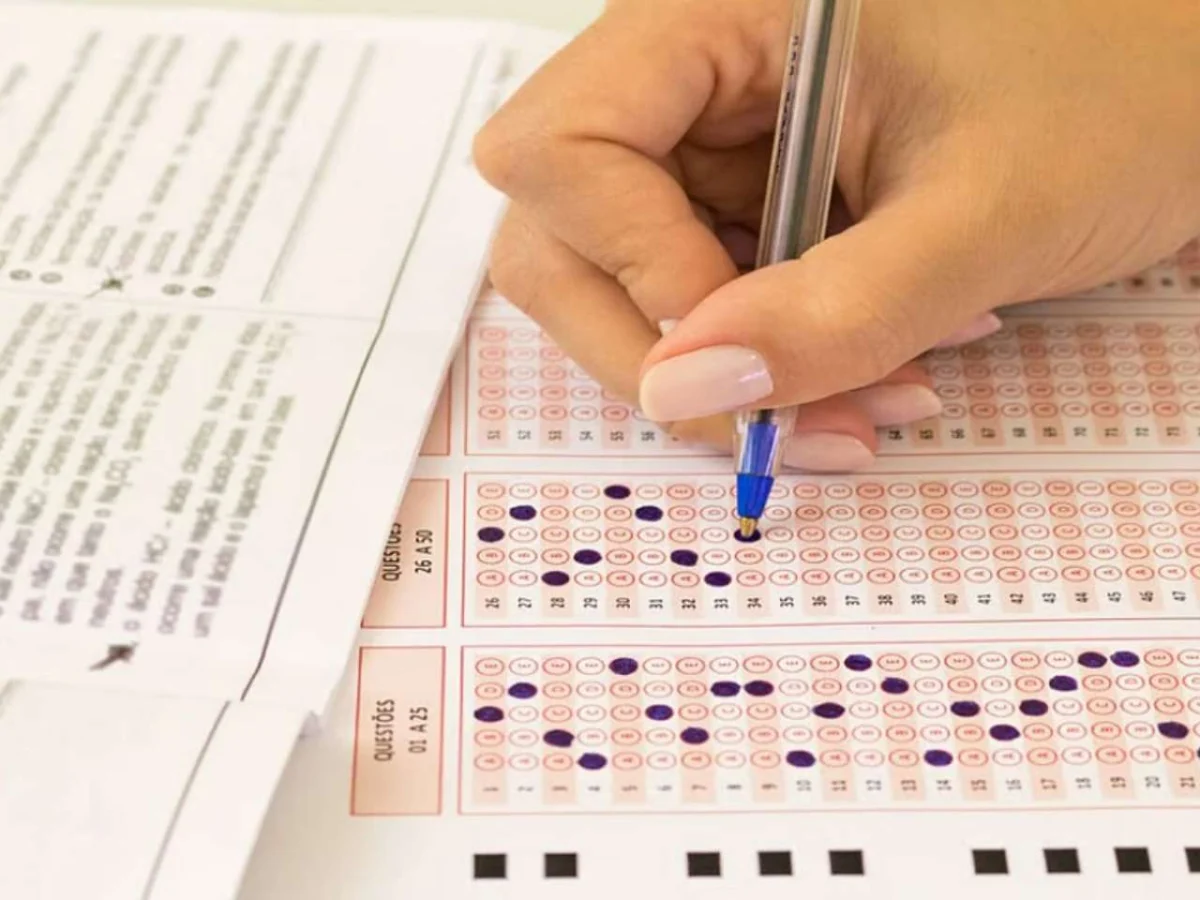
New Delhi, India – July 19, 2026 – The National Testing Agency (NTA), the apex body responsible for conducting crucial entrance examinations in India, has issued a significant alert to candidates and parents participating in the NEET UG 2026 examination. The agency has flagged a disturbing trend of candidates submitting fabricated or AI-generated OMR response sheets as part of their requests for the scrutiny of their results. This move by the NTA underscores a growing concern over the integrity of the examination process and the potential for deliberate manipulation.
In a strongly worded statement released on the social media platform X (formerly Twitter) late Saturday, the NTA revealed that it has received numerous complaints where the OMR sheets submitted for verification were found to be counterfeit. These complaints primarily stemmed from candidates expressing discrepancies between their anticipated scores and the officially declared NEET 2026 results. The agency has unequivocally stated that only original OMR sheets, meticulously downloaded from official NTA platforms, will be accepted for verification. Furthermore, the NTA has issued a stern warning that any attempt to submit fraudulent documents will not only be rejected but could also lead to severe legal repercussions for the complainant.
)
The Escalating Issue: Counterfeit OMR Sheets Surface
The NTA’s statement on X, dated July 18, 2026, read: "NTA is closely monitoring and scrutinizing all complaints. In the wake of many OMR sheets submitted for scrutiny turning out to be fake/AI generated, students and parents are advised to submit only original OMRs for scrutiny. Any fake / AI generated OMR may invite legal action against the complainant." This declaration highlights a calculated effort to undermine the transparent process of result scrutiny. The agency’s vigilance has brought to light a concerning pattern where the verification process itself is being targeted by deceptive practices.

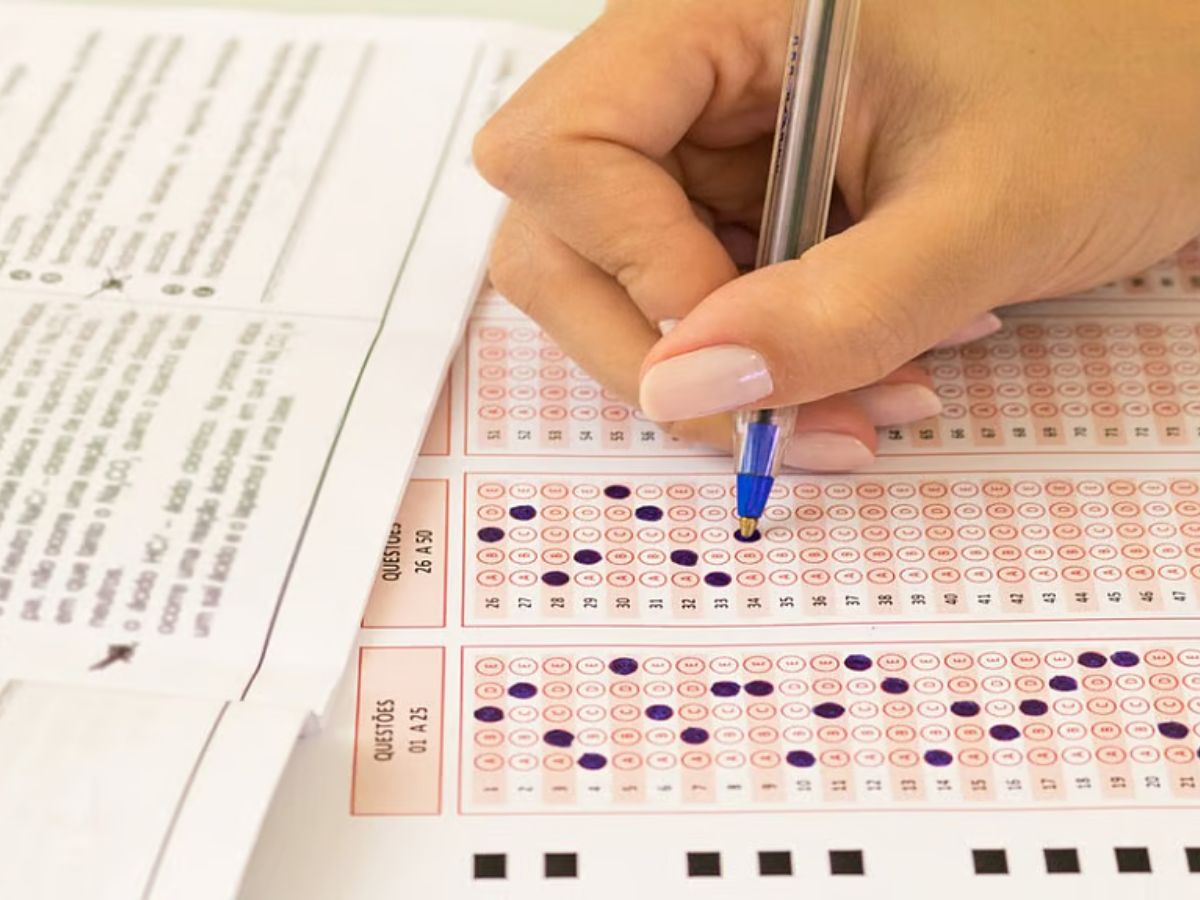
During its routine verification procedures, the NTA has identified a significant number of OMR sheets submitted alongside complaints that bear hallmarks of being either outright forgeries or meticulously crafted using advanced Artificial Intelligence (AI) tools. This sophisticated nature of the fabricated documents suggests a pre-meditated attempt to mislead the authorities and potentially pressure the NTA into re-evaluating scores based on false pretenses. The use of AI in generating these fake OMR sheets is particularly alarming, indicating a new frontier in academic malpractice.
)
NTA’s Stance: Upholding Authenticity and Legal Recourse
The NTA has made it abundantly clear that candidates who harbor genuine doubts about their NEET 2026 scores must rely solely on authentic documentation. This includes only those official documents that have been downloaded through the designated official NTA portals. The agency’s advisory strongly discourages students from resorting to the submission of any edited, manipulated, or AI-generated OMR sheets when filing their complaints. This proactive stance aims to preempt any further attempts at manipulation and to reinforce the sanctity of the examination’s outcome.
)
The implication of legal action is a significant deterrent. It signals the NTA’s commitment to not only identifying but also prosecuting individuals who engage in such fraudulent activities. This could encompass not just the candidates themselves but also any external parties or agencies that might be facilitating the creation and submission of these fake OMR sheets. The legal consequences could range from debarment from future examinations to criminal charges, depending on the severity of the offense and the extent of involvement.
)
Chronology of Events: From Re-test Results to Scrutiny Concerns
The NTA’s stark warning comes in the immediate aftermath of the declaration of the NEET UG 2026 re-test results. The re-examination, a consequence of a widespread paper leak scandal that rocked the original examination, was conducted and its results were fast-tracked, being declared on July 16, 2026. This rapid resolution of the re-test was aimed at providing timely admissions for undergraduate medical courses across India.
)
According to the NTA’s official statistics, a substantial 11.25 lakh candidates have successfully qualified in the NEET UG 2026 examination following the re-test. This figure represents a significant portion of the total applicants, underscoring the competitive nature of medical admissions in the country. Earlier on the same day of the re-test result announcement, the NTA had also released the final answer key for the re-test, a crucial step in the transparency of the examination process. The accelerated pace of these announcements was necessitated by the urgency to complete the admission cycle after the disruption caused by the paper leak.
)
Further details from the NTA revealed that women constituted over 58 percent of the qualified candidates, highlighting the increasing participation and success of female students in STEM fields. The agency also noted that an impressive 138 candidates achieved scores exceeding 690 out of a maximum possible 720 marks, indicating a high level of academic excellence among the top performers. This backdrop of a recently concluded, high-stakes examination, coupled with the lingering impact of the paper leak, makes the emergence of fraudulent OMR sheets a particularly sensitive issue.
)
Supporting Data and Context: The Scale of NEET UG
The NEET UG (National Eligibility cum Entrance Test – Undergraduate) is the sole gateway for admission to undergraduate medical courses, including MBBS, BDS, and AYUSH programs, in all private and government medical colleges across India. The sheer volume of candidates appearing for this examination annually runs into millions, making it one of the largest entrance tests globally. In 2026, the examination saw a massive turnout, with the re-test alone involving over a million candidates.
)
The examination process is designed to be rigorous and transparent, with multiple layers of checks and balances to ensure fairness. The OMR (Optical Mark Recognition) sheets are a critical component of this process, serving as the primary record of a candidate’s responses. The meticulous scanning and evaluation of these sheets are paramount to accurate result declaration.
)
The emergence of fake OMR sheets, especially those generated by AI, presents a new and complex challenge. AI technologies can now create highly convincing replicas of scanned documents, making it difficult for even sophisticated scanning equipment to distinguish them from originals without advanced forensic analysis. This technological advancement necessitates an equally advanced response from examination authorities like the NTA.
)
Official Responses and Future Implications
The NTA’s proactive approach in identifying and publicly addressing the issue of fake OMR sheets is a commendable step towards safeguarding the integrity of its examinations. By issuing a clear advisory and warning of legal action, the agency aims to deter future attempts at deception.
)
Key implications of this development include:
)
- Enhanced Scrutiny Measures: The NTA is likely to implement more stringent verification protocols for all OMR sheets submitted for scrutiny. This might involve advanced digital forensic analysis to detect AI-generated or manipulated documents.
- Collaboration with Law Enforcement: The threat of legal action suggests a potential collaboration with law enforcement agencies to investigate and prosecute individuals involved in the creation and submission of fake OMR sheets.
- Awareness Campaigns: The NTA may launch broader awareness campaigns to educate students and parents about the severe consequences of academic dishonesty and the importance of adhering to official procedures.
- Technological Countermeasures: The agency will need to invest in and develop sophisticated technological tools to identify and counter AI-generated fraudulent documents, staying ahead of evolving deception tactics.
- Reinforcing Trust: By taking decisive action, the NTA aims to reassure the student community and the public that it is committed to maintaining a fair and credible examination system, thereby rebuilding trust that may have been shaken by previous incidents like the paper leak.
The NEET UG 2026 examination is a critical juncture for aspiring medical professionals. Any compromise in the integrity of its assessment process can have far-reaching consequences, impacting not only individual careers but also the quality of healthcare professionals entering the field. The NTA’s firm stance against the misuse of the scrutiny process is a vital step in upholding the meritocratic principles that underpin India’s higher education system. As the agency continues to monitor the situation, it is imperative for all stakeholders to cooperate and uphold the highest standards of academic ethics.
