

CRICKET
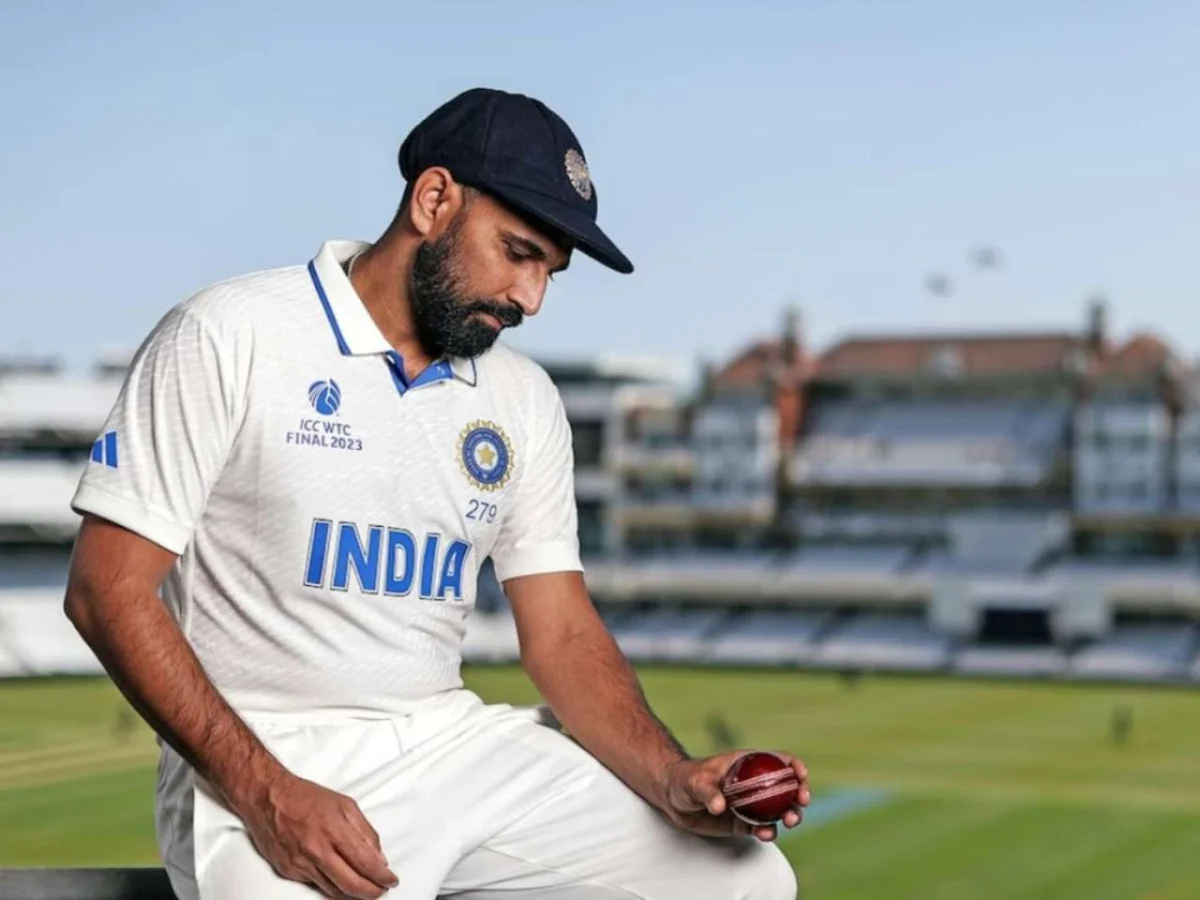
The illustrious international career of Mohammed Shami, a name synonymous with incisive seam bowling and unwavering dedication, appears to be approaching its final chapter. Recent selection decisions by the Board of Control for Cricket in India (BCCI) and the national selectors have strongly indicated a strategic pivot towards nurturing a younger generation of fast bowlers, casting a long shadow over the veteran pacer’s future in the Team India squad. With the 2027 ODI World Cup looming on the horizon, the cricketing fraternity is increasingly questioning whether the 35-year-old’s journey in the blue and white of India has reached its poignant conclusion.
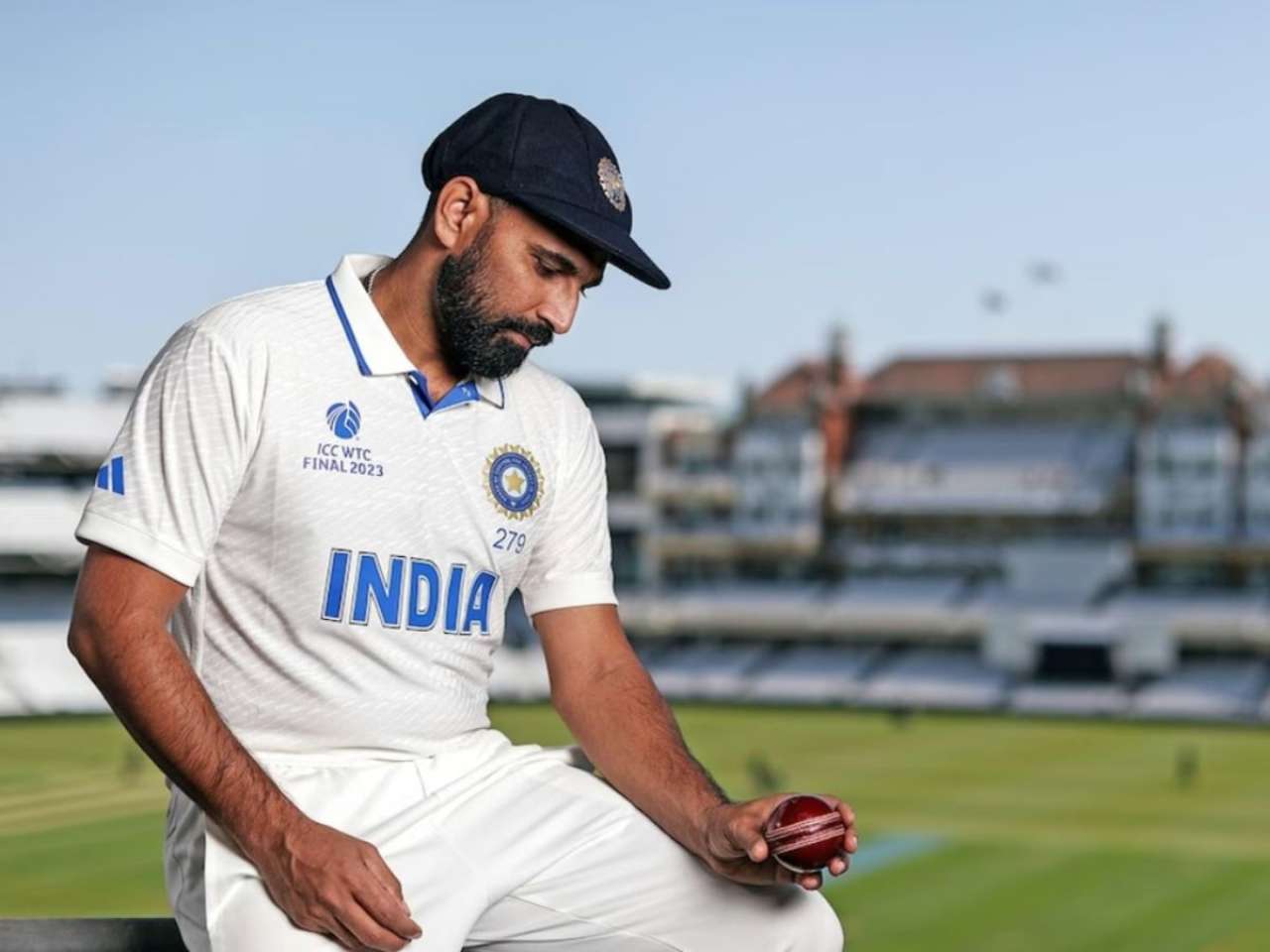
Once a mainstay across all formats, Shami’s absence from the national setup for nearly a year and a half has become a stark indicator of this generational shift. Despite his consistent and often spectacular performances in domestic cricket, the whispers from the selection committee suggest a clear intent to look beyond the seasoned campaigner. The narrative, as it unfolds, points towards a bold strategy designed to future-proof India’s pace attack, potentially leaving one of its most celebrated exponents on the sidelines.
The Unfolding Narrative: A Shift in Strategy
The conversation around Mohammed Shami’s international future intensified following reports highlighting the selectors’ renewed focus on youth. A recent report in Sportstar, a respected voice in Indian sports journalism, revealed that the national selection committee has identified a core group of 15 young fast bowlers. This cohort is slated for intensive development with a clear objective: to form the backbone of India’s pace battery across all formats for the foreseeable future, particularly with an eye on the 2027 ODI World Cup and the next cycle of the World Test Championship. Conspicuously absent from this list is Mohammed Shami, who is set to turn 36 later this year.
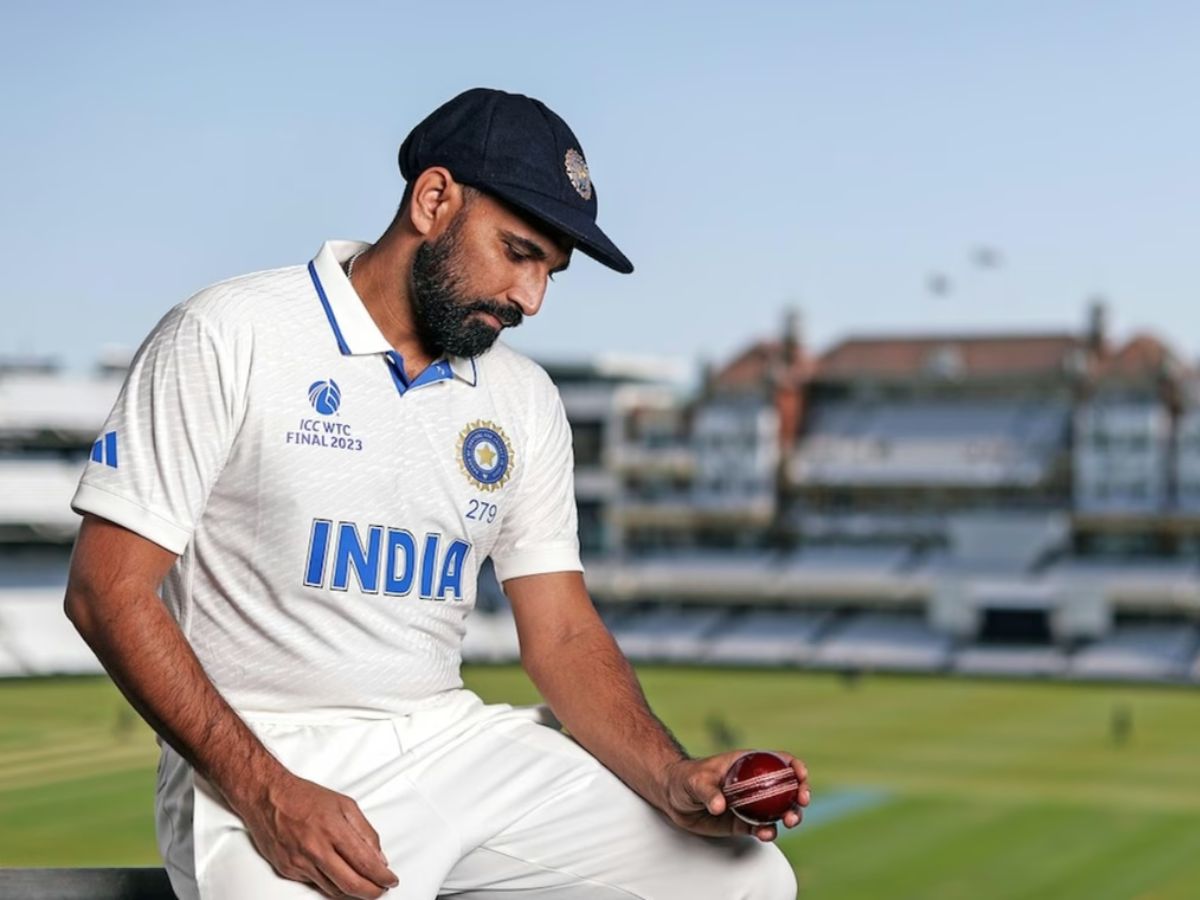)
The implication is clear and undeniably harsh for a player of Shami’s calibre: his age, coupled with the long-term vision of the selectors, makes a comeback increasingly improbable. The last time Shami donned the Indian jersey was on March 9, 2025, a memorable occasion where his contributions were instrumental in India clinching the Champions Trophy. Since that triumphant moment, his path has diverged from the national squad, leading him back to the grind of the domestic circuit.
A Stellar Career’s Chronology: From Debut to Denouement
Mohammed Shami’s journey in international cricket has been nothing short of remarkable, marked by periods of sheer dominance and an uncanny ability to deliver under pressure.

The Rise of a Rarity
Shami made his Test debut in 2013, immediately showcasing his ability to move the ball both ways, generating disconcerting seam movement and surprising bounce. His early years were characterized by raw pace and a relentless pursuit of wickets, quickly establishing him as a vital component of India’s Test attack. He seamlessly transitioned into white-ball cricket, where his mastery of seam and swing, combined with lethal yorkers, made him a formidable opponent.
Peak Performances and ICC Tournament Prowess
Shami’s career truly hit its zenith in the latter half of the 2010s and early 2020s. He was a revelation in the 2019 ODI World Cup, despite joining the squad midway through the tournament. He famously picked up a hat-trick against Afghanistan and finished with 14 wickets from just 4 matches, showcasing his big-match temperament.
)
His prowess in Test cricket was equally impressive. Forming a potent partnership with Jasprit Bumrah, Ishant Sharma, and later Mohammed Siraj, Shami was a central figure in India’s ascent to the top of the Test rankings. His spells in England and Australia, characterized by relentless accuracy and wicket-taking ability, were instrumental in securing historic series victories. He played a pivotal role in India reaching the inaugural World Test Championship (WTC) final in 2021 and again in 2023.
The 2023 ODI World Cup on home soil saw Shami produce a performance for the ages. Initially not in the playing XI, he seized his opportunity with both hands after an injury to Hardik Pandya. He finished as the tournament’s leading wicket-taker with an astonishing 24 wickets in just 7 matches, including multiple five-wicket hauls. His ability to pick up crucial wickets in the middle overs and break partnerships was a key factor in India’s unbeaten run to the final, even though the ultimate glory eluded the team against Australia.
)
The Champions Trophy 2025: A Potential Swan Song
The last recorded international appearance for Mohammed Shami was on March 9, 2025. In what now feels like a bittersweet irony, he played a crucial role in India’s triumph at the Champions Trophy, securing an ICC title that had eluded many of his teammates for years. While the specifics of his performance in that final are not detailed, the fact that he was part of a winning campaign, lifting an ICC trophy, adds a layer of poignancy to his potential exit. It’s a fitting, if unintentional, "swan song" for a player who has given so much to Indian cricket.
The Domestic Grind: Unyielding Spirit
Following his exclusion from the national squad after the Champions Trophy, Shami, true to his character, didn’t relent. He returned to the domestic circuit, showcasing his enduring fitness and skill in the Ranji Trophy. His haul of 37 wickets in the premier first-class competition is a testament to his continued effectiveness and passion for the game. He maintained peak physical condition and demonstrated an unwavering commitment to his craft, doing everything within his power to merit a recall. Yet, despite these compelling performances, the decision-makers, including Chairman of Selectors Ajit Agarkar and influential former cricketer Gautam Gambhir, have seemingly opted for a different path.
)
Supporting Data and The Selector’s Blueprint for 2027
The decision to move on from a player of Mohammed Shami’s stature is not taken lightly and is rooted in a comprehensive strategy outlined by the national selectors and the team management.
The "Sportstar" Revelation: A New Guard
The Sportstar report serves as the primary piece of "data" underpinning this shift. The identification of 15 young pacers signifies a systematic approach to talent development. This isn’t merely about replacing one player; it’s about building an entire ecosystem of fast bowlers capable of sustaining India’s dominance for years to come. The emphasis is on youth, potential, and longevity, qualities that naturally become challenging for even the most brilliant athletes as they approach their late thirties.
)
The Age Factor: A Harsh Reality in Fast Bowling
Fast bowling is arguably the most physically demanding discipline in cricket. The repeated impact on joints, the explosive movements, and the sheer volume of overs bowled take an immense toll on the body. While Shami has maintained remarkable fitness, turning 36 in 2026 places him in a demographic where injuries become more frequent, and recovery times extend. For a long-term plan stretching to the 2027 World Cup and beyond, selectors often prioritize players who are likely to be at their physical peak during those cycles, or at least have several years of high-performance cricket left in them.
Jasprit Bumrah’s Workload Management: The Cornerstone of Strategy
Jasprit Bumrah remains India’s premier fast bowler, an irreplaceable asset across all formats. However, his injury history, particularly stress fractures, has made workload management a critical concern for the team management. The selectors are acutely aware that Bumrah cannot be consistently pushed across all formats without risking further injury. This necessity dictates the creation of a robust "support unit" – a pool of talented pacers who can step in, share the burden, and maintain the attack’s potency when Bumrah is rested or unavailable.
)
This strategy requires not just one or two backups, but a comprehensive pipeline of bowlers ready for the international stage. The 15 young pacers identified are precisely for this purpose: to build depth, foster competition, and ensure that India’s fast-bowling resources are never stretched thin. While Shami could theoretically have been part of this transition, his age makes him a short-term solution rather than a long-term investment in the "support unit" envisioned for 2027 and beyond.
The 2027 World Cup and Beyond: A Vision for the Future
The primary objective driving these selection decisions is the 2027 ODI World Cup and the upcoming World Test Championship cycles. These major ICC tournaments require a squad that is not only skilled but also cohesive, adaptable, and physically capable of enduring intense schedules. Building this core over several years allows for seamless integration, tactical development, and the forging of strong team chemistry.
)
The selectors’ perspective, as gleaned from the Sportstar report, is pragmatic: focus on the future rather than clinging to past glories, no matter how significant. While Shami’s contributions to India reaching the World Test Championship and ODI World Cup finals in 2023 were monumental, the ultimate losses in both tournaments to Australia might have reinforced the idea that a fresh approach, perhaps even a new attacking dimension, is needed to cross the final hurdle.
Emerging Talents: The Unnamed 15
While the specific names of the 15 young pacers are not publicly disclosed in the original report, it is understood that this group would likely include talents who have shown promise in domestic cricket, the Indian Premier League (IPL), and age-group tournaments. These could range from express pace bowlers to swing merchants and seamers, each bringing a unique skill set. The aim is to create a diverse and adaptable pace attack that can thrive in various conditions globally. This strategy highlights the strength of India’s fast-bowling talent pipeline, which has blossomed significantly over the last decade.
)
Official Responses and Expert Interpretations
In the absence of direct, explicit statements from the BCCI or the selection committee regarding Mohammed Shami’s exclusion, their actions and the reported strategy serve as the primary "official response."
The Silence of Strategic Intent
The lack of a formal announcement or a detailed explanation for Shami’s continued absence, despite his domestic heroics, can be interpreted as a firm, strategic decision. The selectors, led by Ajit Agarkar, are seemingly prioritizing a long-term vision over sentimental attachment to veteran players. This approach, while often harsh on individuals, is a common feature of high-performance sports, where the focus invariably shifts to the next generation.
)
The fact that Shami’s name is not part of the identified group of 15 young pacers, even as a mentor or an experienced campaigner to guide them, underscores the idea that the team management views his playing days for India as effectively over. This is a quiet but powerful statement.
The Implicit Nod from Experts
The original article mentions that "people like Ajit Agarkar and Gautam Gambhir overlooked him." While Gambhir’s role here is likely as a prominent voice in cricket commentary or opinion, Agarkar’s position as the Chairman of Selectors makes his "overlooking" a direct reflection of official policy.
)
From a selector’s standpoint, "overlooking" Shami, despite his form, implies that the benefits of integrating younger talent, managing Bumrah’s workload, and building for 2027 outweigh the immediate value Shami might still offer. It suggests a belief that the identified young pacers, given time and exposure, will be able to fill the void and potentially offer a more sustainable solution for the future.
The Precedent of Transition
Historically, many cricketing nations, including India, have grappled with the difficult decision of transitioning away from beloved veterans. While players like James Anderson and Stuart Broad have enjoyed extended careers for England, their situations are often unique, supported by specific team dynamics or Test-only focus. India’s current selection philosophy seems to lean towards a more proactive, rather than reactive, approach to generational change, especially in a physically demanding role like fast bowling across all three formats.
)
Implications: A New Era for Indian Pace Bowling
The apparent conclusion of Mohammed Shami’s international career carries profound implications for the player himself, Team India, and the broader landscape of Indian cricket.
For Mohammed Shami: The End of a Glorious Chapter
For Shami, this marks the twilight of an international journey filled with incredible highs. He will be remembered as one of India’s finest fast bowlers, a master of seam and swing, and a genuine wicket-taker who consistently delivered under pressure. His legacy includes an ICC Champions Trophy title, critical contributions to two WTC finals, and a sensational performance in the 2023 ODI World Cup.
)
While the emotional aspect of an unceremonious exit is undeniable, Shami’s career stands as a testament to his skill, resilience, and passion. What his future holds outside international cricket remains to be seen. He could continue to ply his trade in domestic cricket, potentially exploring coaching or mentoring roles, or even moving into commentary, where his deep understanding of the game would be invaluable. Regardless, his place in the pantheon of Indian fast bowling is secure.
For Team India: Challenges and Opportunities
The immediate implication for Team India is the void left by Shami’s experience, skill, and big-match temperament. His ability to break partnerships, extract movement from unresponsive pitches, and provide crucial breakthroughs will be sorely missed.
)
However, this transition also presents a significant opportunity. Building a new pace attack centered around Bumrah but supported by a fresh cohort of fast bowlers allows for the development of diverse skill sets and strategies. It encourages internal competition, pushing each young pacer to elevate their game. The success of this strategy hinges on the selectors’ ability to identify and nurture genuine talent, and the team management’s capacity to integrate these new faces seamlessly into the high-pressure environment of international cricket.
The burden on Jasprit Bumrah will remain substantial, but the aim is to distribute that workload more effectively across a larger pool of capable pacers. This means the likes of Mohammed Siraj, Arshdeep Singh, Umran Malik, and other emerging talents will need to step up consistently and shoulder greater responsibility.
)
For Indian Cricket: A Clear Vision for the Future
This strategic shift signals a clear philosophy within Indian cricket: a proactive approach to team building, with a strong emphasis on long-term sustainability and future readiness. It reflects a commitment to investing in youth and creating a robust talent pipeline that can sustain India’s competitive edge for years to come.
The decision, while tough on an individual, highlights the increasing depth of fast-bowling talent in India, a stark contrast to previous eras where quality pacers were a rarity. The focus on identifying and developing 15 young pacers underscores the ambition to not only compete but dominate across all formats, ensuring that India remains a cricketing powerhouse with a relentless pace attack.
)
Conclusion: The Passage of Time and the March of Progress
The story of Mohammed Shami’s international career is a compelling narrative of skill, perseverance, and triumph. His potential departure from the national team, while melancholic for many fans, is an inevitable consequence of the passage of time and the relentless march of progress in professional sport. As India looks ahead to the 2027 ODI World Cup and beyond, the focus has unequivocally shifted towards a younger, more future-oriented pace attack.
While the Champions Trophy final in March 2025 might indeed stand as Mohammed Shami’s poignant swan song, his legacy will undoubtedly inspire the next generation of fast bowlers. The difficult decisions made by selectors are a testament to their long-term vision for Indian cricket – a vision that prioritizes building a formidable, sustainable, and youthful force capable of conquering the world stage for years to come. The era of Shami may be drawing to a close, but the era he helped usher in, one of a globally competitive Indian pace attack, is poised to continue its formidable journey.
