

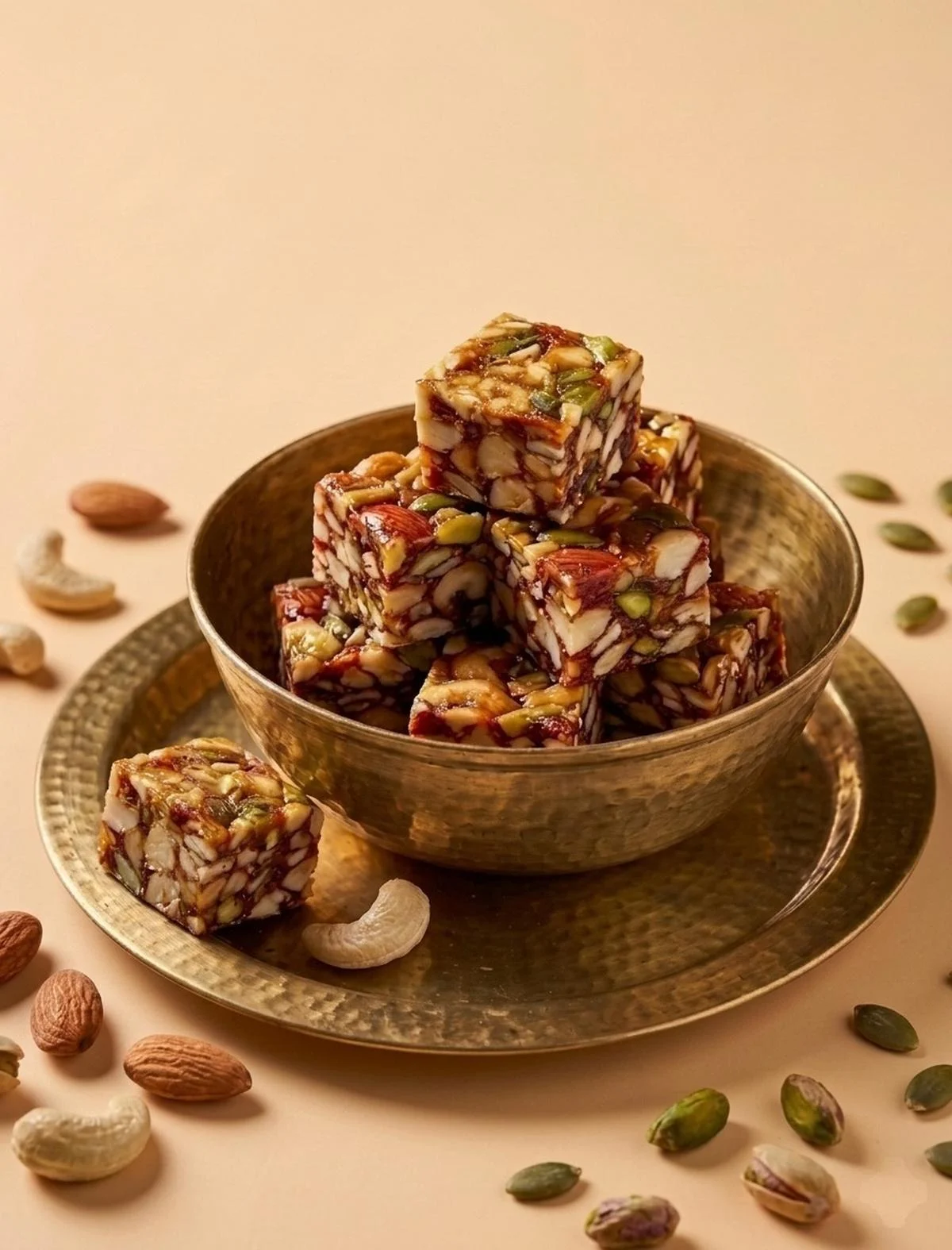
Bengaluru, India – September 12, 2026 – As the aroma of festive delicacies wafts through Bengaluru, a quiet revolution is brewing in its beloved sweet shops. Traditionally a minefield for health-conscious individuals and those managing diabetes, the world of Indian sweets is undergoing a significant transformation. Local confectioneries, renowned for their time-honored recipes, are now artfully reimagining classic mithai by substituting refined sugar with a spectrum of natural sweeteners, including jaggery, dates, figs, and innovative sugar alternatives. This shift reflects a growing consumer demand for healthier options that don’t compromise on the joy and tradition of festive indulgence.
The Rise of Natural Sweeteners in Traditional Indian Confections
For generations, Indian festivals have been synonymous with an abundance of rich, sugary sweets. However, in recent years, a growing awareness of health and wellness has prompted both consumers and producers to seek alternatives. The city’s sweet shops, deeply rooted in culinary heritage, are responding with creativity and precision, offering a delightful array of treats that cater to a broader audience without straying from the beloved flavors and textures of traditional Indian sweets.
Asha Sweet Center, a landmark in Malleshwaram’s 8th Cross for an impressive 75 years, has been at the forefront of this movement. The establishment now boasts two distinct categories of "sugar-free" sweets. Their most health-conscious offerings are crafted with absolutely no added sugar, deriving their sweetness entirely from natural ingredients. These include a delectable dry fruit barfi, where dates, figs, cranberries, and various seeds provide a rich, inherent sweetness. Complementing this are their dry fruit laddus and dry fruit bars, all meticulously prepared to deliver a satisfying taste experience without a trace of refined sugar.
"We have sweets that have no form of sugar at all," explains Darshini Mayur Garg, the managing partner of Asha Sweet Center. "In that category, we have our dry fruit barfi, where the sweetness comes from dates, figs, cranberries, and seeds. Similarly, we have dry fruit laddus and dry fruit bars."
Beyond these completely sugar-free options, Asha Sweet Center also offers a range of sweets made with jaggery or specialized sugar alternatives. These are specifically formulated to be diabetic-friendly, as the alternatives used contain no sugar and are significantly lower in calories. This expanded selection includes popular favorites like besan laddus, Mysore pak, son papdi, and kaju barfi, all re-engineered for those with dietary restrictions.
"Then we also have sweets that are made with jaggery or sugar alternatives," Ms. Garg elaborates. "The latter is diabetic-friendly, as these alternatives have no sugar and are low in calories. Our diabetic-friendly range is our way of making traditional Indian sweets more accessible to them without moving too far away from the flavors and textures they know and love." This commitment to inclusivity ensures that individuals managing diabetes can partake in the festive spirit without health concerns.
India Sweet House, another prominent Bengaluru-based brand, has also embraced this trend, particularly in time for festivals like Ganesh Chaturthi. Their modak offerings this year include a unique variety featuring a jaggery-infused kaju katli for the outer layer and a filling of coconut and jaggery, reminiscent of a traditional holige.

More recently, in celebration of International Women’s Day, India Sweet House launched its "Sanjeevani Barfi." This innovative sweet is entirely sugar-free, deriving its sweetness from a blend of dry fruits, dates, figs, and almonds, further enriched with pumpkin and cucumber seeds. "The sweetness is derived from the dates and the figs that we have used," Shwetha Rajashekar, co-founder at India Sweet House, stated, adding that this particular sweet is available year-round, signifying its broad appeal beyond festive occasions.
The popular chain Kanti Sweets has also introduced a dedicated sugar-free range. Their approach utilizes jaggery and dates as primary sweeteners. Their zero-sugar dry fruit laddus are a prime example, sweetened exclusively with dates, offering a rich and natural sweetness. Additionally, Kanti Sweets offers kaju katli and peda that are sweetened solely with jaggery, ensuring no added sugars are used.
A Growing Demand for Healthier Indulgences
The shift towards healthier sweet options is not merely a niche trend; it is a response to a palpable and growing consumer interest. Sweet shops are observing a discernible increase in demand for these alternative preparations.
"We have definitely seen growing interest in this category," confirms Asha Sweet Center’s Darshini Mayur Garg. "Customers today are more conscious about what they consume, but that doesn’t mean they want to give up the traditions associated with festivals."
Ms. Garg further explains the evolving consumer mindset: "There is a mixed crowd that also feels that when you are having a sweet, you might as well have it in its best form. It is a personal choice. People who have health or dietary restrictions choose to buy these sweets." She also highlights the inherent nutritional value of many traditional Indian sweets, emphasizing the use of premium ingredients like dry fruits, whole grains, and ghee. "Once in a while, you can indulge," she suggests, implying that even traditional sweets can be part of a balanced diet.
Shwetha Rajashekar of India Sweet House echoes this sentiment. "Mithai is always associated with indulgence. You may control how much you eat. If you indulge in it every day, then you are conscious about your intake. But during festivals, we generally see an uptake in overall mithai sales, not specifically these. Festivals are to celebrate!" This perspective underscores that the demand for healthier options coexists with the traditional celebratory aspect of festivals, rather than replacing it entirely.
This growing demand signifies a broader cultural shift, where health and tradition are no longer seen as mutually exclusive. Consumers are actively seeking ways to maintain their dietary goals without sacrificing the cultural and emotional significance of traditional foods. The innovation seen in Bengaluru’s sweet shops is a testament to their adaptability and commitment to serving their diverse clientele.

The Evolution of Sweetmaking: A Chronology of Innovation
The introduction of sugar-free and healthier sweet options in Bengaluru’s confectioneries is a recent but significant development, driven by evolving consumer preferences and a proactive approach from the sweet makers.
- Pre-2010s: Traditional sweet shops primarily focused on classic recipes, with refined sugar being the dominant sweetener. Health consciousness was less pronounced, and sugar-free options were virtually non-existent.
- Early 2010s: A nascent awareness about sugar’s health implications began to emerge. Some smaller, health-focused bakeries or home-based businesses might have experimented with natural sweeteners, but mainstream sweet shops remained largely traditional.
- Mid-2010s: The concept of "sugar-free" began gaining traction in the broader food industry. This paved the way for some established sweet shops to tentatively explore alternatives like jaggery as a substitute for refined sugar in certain traditional sweets. However, truly sugar-free options, relying on natural fruit sugars or specialized alternatives, were still rare.
- Late 2010s: With the rise of diabetes and other lifestyle diseases, the demand for diabetic-friendly and healthier options intensified. Established brands like Asha Sweet Center and Kanti Sweets started to consciously develop and market "sugar-free" ranges, often using dates, figs, and sometimes artificial sweeteners in their formulations. India Sweet House also began experimenting with jaggery-based sweets.
- Early 2020s: The COVID-19 pandemic accelerated health consciousness globally and in India. Consumers became more aware of their dietary intake and sought out healthier alternatives across all food categories. This period saw a significant uptick in the availability and variety of sugar-free sweets. Brands started to highlight the natural sweetness derived from fruits like dates and figs more prominently.
- 2024-2026 (Present): The trend has solidified. Bengaluru’s sweet shops are now offering sophisticated and diverse sugar-free and naturally sweetened options. Innovations like Asha Sweet Center’s completely sugar-free dry fruit barfi and India Sweet House’s Sanjeevani Barfi demonstrate a commitment to using natural ingredients for sweetness. The focus is on taste parity with traditional sweets, making these healthier versions appealing to a wider audience, not just those with dietary restrictions. The range now includes everything from laddus and barfis to modaks, showcasing a broad adoption of these healthier practices across various sweet types.
This timeline illustrates a progressive integration of health-conscious practices into the traditional sweet-making industry, moving from a mere consideration of alternatives to a robust offering of innovative and delicious healthier sweets.
Supporting Data and Consumer Insights
The growing demand for healthier sweets is underpinned by several key factors, including increasing health awareness, a rising incidence of lifestyle diseases like diabetes, and a desire to maintain cultural traditions without compromising well-being.
- Diabetes Prevalence: India has one of the highest numbers of people living with diabetes globally, with Bengaluru itself witnessing a significant increase in diabetic cases. This demographic actively seeks out food options that can help manage their blood sugar levels. According to various health surveys, the prevalence of diabetes in urban Indian populations, including Bengaluru, has been on a steady upward trajectory over the past decade.
- Consumer Awareness: Modern consumers are more informed about the impact of sugar on their health. Social media, health blogs, and readily available nutritional information have empowered individuals to make more conscious food choices. This awareness extends to traditional foods, prompting a demand for healthier versions of beloved treats.
- Ingredient Focus: The shift is not just about removing sugar but also about highlighting the benefits of the ingredients used. Dates, figs, and nuts are recognized for their nutritional value, including fiber, vitamins, and minerals. This positive framing makes the healthier sweets more appealing. For example, dates are a good source of natural sugars, fiber, and antioxidants, making them an excellent natural sweetener.
- Festival-Specific Demand: While the demand for healthier sweets is present year-round, it sees a noticeable surge during festive seasons. Festivals are times of indulgence and celebration, and individuals who might otherwise be strict with their diets are more inclined to seek out treats that align with their health goals, allowing them to participate fully in the festivities.
- Market Trends: The global trend towards healthier food options, including reduced sugar consumption, is strongly influencing the Indian market. This global shift is reflected in the local offerings of sweet shops.
The success of these initiatives is evident in the repeat purchases and positive feedback received by sweet shops offering these healthier alternatives. This sustained demand validates the business strategy and signals a long-term shift in consumer preferences within the Indian confectionery market.
Official Responses and Industry Outlook
The sweet industry, while traditionally conservative, is increasingly recognizing the importance of adapting to evolving consumer needs. The proactive approach of businesses like Asha Sweet Center, India Sweet House, and Kanti Sweets is likely to set a precedent for other confectioneries.
- Industry Adaptability: The sweet industry’s willingness to innovate demonstrates its adaptability. By incorporating natural sweeteners and exploring sugar-free formulations, these businesses are not only catering to specific dietary needs but also broadening their customer base. This proactive stance is crucial for long-term sustainability and growth in a competitive market.
- Government and Health Body Support: While there might not be direct official mandates for sugar reduction in traditional sweets, public health campaigns promoting healthier eating habits indirectly encourage such shifts. Organizations promoting awareness about diabetes and lifestyle diseases often highlight the benefits of reducing refined sugar intake, thereby supporting the market for alternatives.
- Future Prospects: The outlook for healthier Indian sweets is promising. As awareness continues to grow and research into natural sweeteners advances, we can expect even more innovative and delicious options to emerge. The trend is likely to move beyond just "sugar-free" to encompass a broader range of nutritional enhancements and ingredient transparency. The focus will likely be on creating sweets that are not only healthier but also offer enhanced nutritional profiles.
The integration of natural sweeteners into traditional Indian sweets represents a harmonious blend of heritage and modernity. It ensures that the joy of festive indulgence remains accessible to everyone, regardless of their dietary requirements, while also promoting a healthier approach to enjoying these beloved culinary traditions. The sweet shops of Bengaluru are leading the way, proving that tradition and innovation can indeed go hand-in-hand, creating a sweeter, healthier future for all.
