

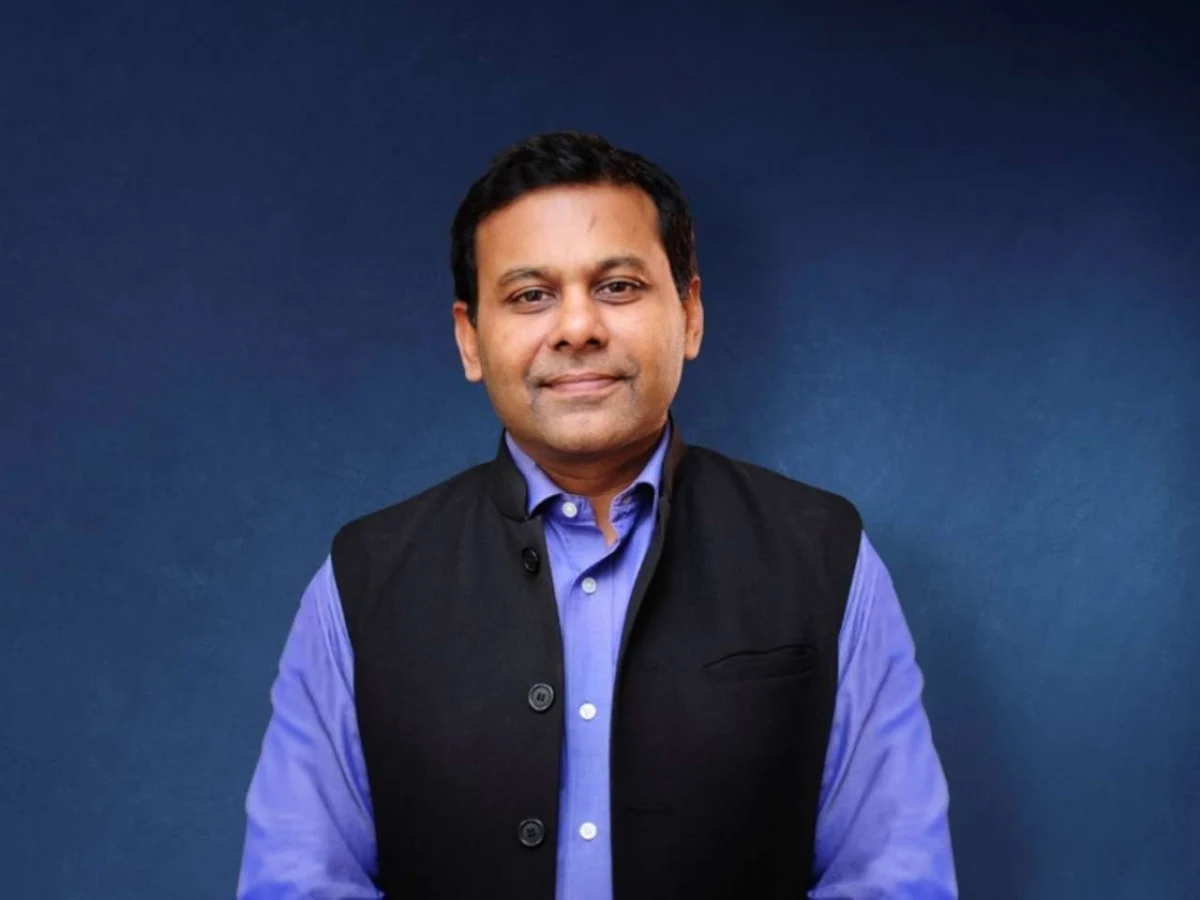
New Delhi, India – Vineet Gupta, an alumnus of the prestigious Indian Institute of Technology (IIT) Delhi, stands as a testament to the transformative power of vision and perseverance in the Indian education landscape. His journey, which began with helping thousands of Indian students chart their course to global universities, has culminated in the establishment of two of India’s most ambitious private universities: Ashoka University and Plaksha University. This narrative is not merely about building institutions; it is about a profound belief in nurturing homegrown talent and providing world-class learning opportunities within India, a mission born from years of observing the aspirations and challenges faced by Indian youth.
Gupta’s story is a compelling illustration of "coming full circle." For years, through his venture Jamboree Education, he was instrumental in guiding students through the intricate application processes for leading international universities. Yet, a persistent question gnawed at him: why should bright Indian minds be compelled to leave their homeland to access superior educational environments? This introspective query became the bedrock upon which Ashoka and Plaksha were conceived, aiming to bridge the perceived gap in higher education and offer an alternative that rivaled global standards.
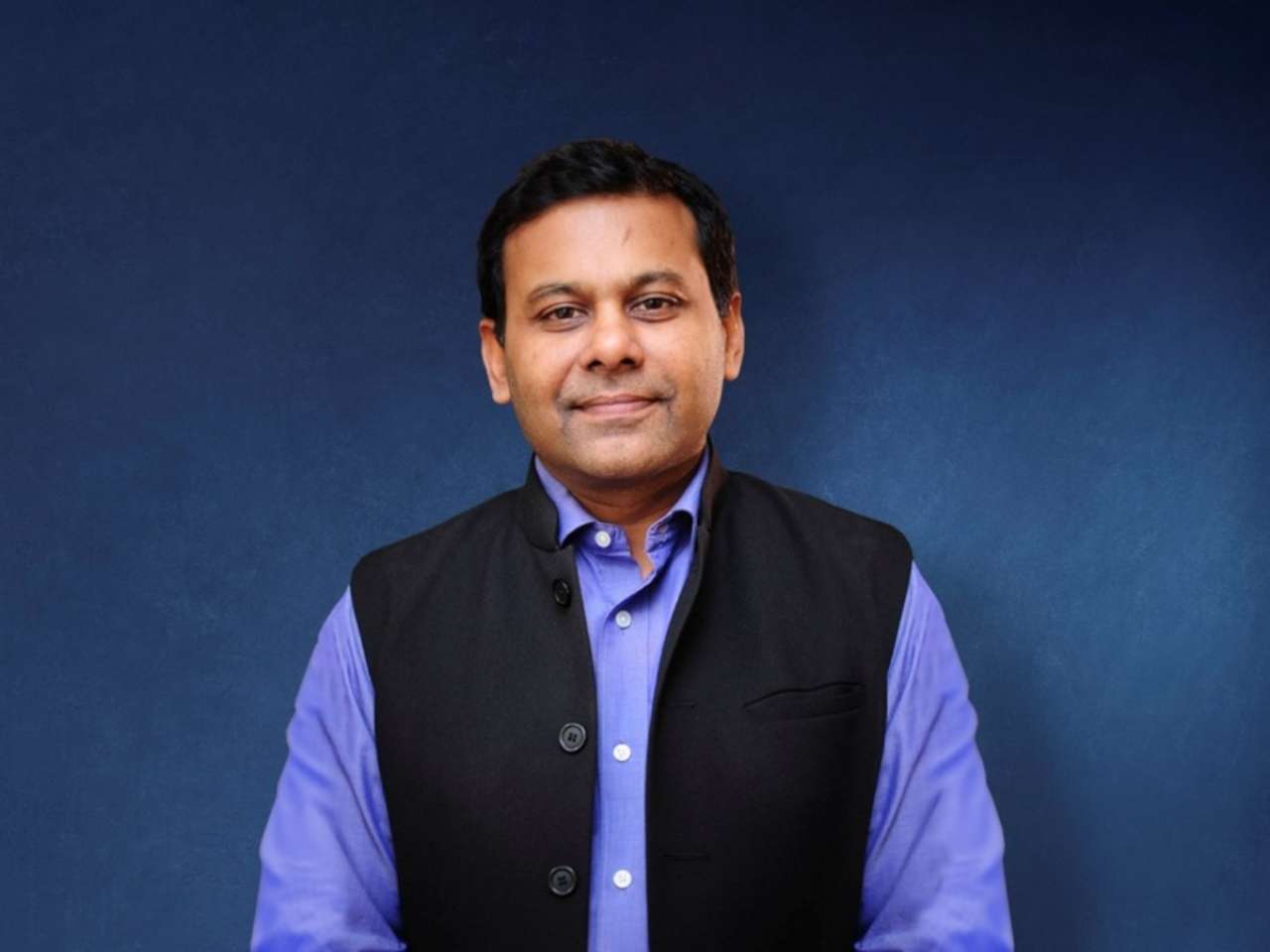
The Genesis of an Institution Builder: Early Life and Education
Vineet Gupta’s formative years were shaped in Chandigarh, within a typical middle-class Indian household. His father, a senior civil servant, instilled a strong sense of duty and the importance of education as a pathway to a secure future. While the family prioritized good schooling, financial constraints were a recurring reality, a backdrop that likely underscored the value of opportunity and merit. Gupta’s early education at St. John’s School in Chandigarh, where he commuted by bicycle, provided a foundational understanding of academic rigor.
The family’s relocation to Delhi brought Gupta to Delhi Public School (DPS), RK Puram, a crucible of academic excellence. Here, he found himself amidst a cohort of exceptionally bright students, fostering a competitive yet collaborative spirit. The school’s robust IIT preparation culture, a common feature in many Delhi schools, set him on a trajectory towards IIT Delhi. The IIT experience, as Gupta himself describes, was a humbling revelation. The transition from being a topper in his local school to being surrounded by equally brilliant minds from across the nation, all vying for excellence, was a significant turning point. It was a microcosm of the competitive global stage, preparing him for the larger challenges he would later undertake.
)
A Divergent Path: Rejecting Conventional Routes
Upon graduating from IIT Delhi, Gupta was presented with a spectrum of conventional career choices that typically beckon IIT alumni. A Public Sector Undertaking (PSU) job offered stability and a sense of national service. Admission offers from foreign universities promised international exposure and cutting-edge research opportunities. The allure of the civil services, a revered career path in India, was also a viable option. However, Gupta chose a path less trodden.
Around 1992, he ventured into entrepreneurship, establishing a styrofoam packaging business. This endeavor, undertaken with limited capital and the support of his father and a partner, demonstrated an early appetite for risk and innovation. While the business experienced growth, the inherent challenges of manufacturing in India – from infrastructure to regulatory hurdles – eventually led Gupta to sell the venture by 2005. This period of entrepreneurial exploration, while financially rewarding, also provided invaluable lessons in navigating complex business environments and managing operational challenges.

The Birth of Jamboree Education and a Growing Concern
Simultaneously, a significant development was unfolding in Gupta’s personal life that would profoundly influence his future. His wife, Akrita Kalra, a gifted educator, had established Jamboree Education from their garage. What began as a modest test-preparation initiative for overseas admissions steadily grew into one of India’s most recognized companies in the field.
Following his exit from the packaging business, Vineet Gupta became actively involved in Jamboree. His strategic acumen and leadership transformed the organization from a few local centers into a nationwide network. It was during this phase, while deeply immersed in the world of overseas education, that Gupta began to observe a disquieting trend. He witnessed a stark dichotomy: Indian students with impressive academic scores, often in the 94-95% range, were readily securing admissions into globally renowned institutions like UC Berkeley and the University of Wisconsin-Madison. Conversely, these same bright minds often found themselves struggling to gain entry into top Indian institutions, where admission cut-offs frequently soared to 98% or even 99%.
)
This disparity sparked a critical question in Gupta’s mind: was India adequately catering to the academic aspirations of its brightest young minds?
A Defining Incident: The Catalyst for Change
A particular incident deeply resonated with Gupta and served as a potent catalyst for his subsequent endeavors. He recalled a bright student who had secured admission to a prestigious university abroad. However, the family’s apprehension about sending their only son overseas prevented him from availing this opportunity. Years later, this student returned to Jamboree, seeking preparation for an MBA. The intervening years, spent in an evening college with limited academic engagement, had evidently dulled the student’s academic spark and ambition.
)
"Somewhere, I felt maybe we are letting down our students," Gupta reflected in a recent conversation. This poignant realization underscored a critical need: to create an environment within India that could foster and retain the intellectual capital of its youth, providing them with world-class educational experiences without the compulsion to seek them abroad. This feeling of responsibility, this sense of unmet potential, became the genesis of what would eventually evolve into Ashoka University.
Ashoka University: Championing Liberal Arts and Critical Thinking
The nascent idea of establishing a high-quality university in India began to take shape through discussions with like-minded individuals. A collective of visionary founders came together, united by a shared commitment to academic excellence and a desire to address the identified gaps in India’s higher education sector. Ashoka University was conceived around 2007, with its doors officially opening in 2014.
)
At a time when the private education sector in India was largely dominated by the proliferation of engineering colleges, Ashoka deliberately carved a different path. It focused on a substantial investment in liberal arts, humanities, social sciences, and sciences. The founders recognized that a truly engaged and contributing citizen requires a foundation that extends beyond vocational training.
For Gupta, the concept of a liberal education was never about merely importing a Western model. He firmly believes that an educated individual must possess the capacity for deep reading, clear writing, robust debate, and critical thinking, coupled with a genuine desire to improve society. "Technology has to solve for people and society," he argues, emphasizing that in the age of rapid technological advancement and the burgeoning influence of artificial intelligence, a strong foundational understanding of humanistic and social principles is more crucial than ever. This philosophy is embedded in Ashoka’s curriculum, fostering an environment where students are encouraged to question, explore, and connect diverse fields of knowledge.
)
Plaksha University: Reimagining Engineering Education for the Future
With Ashoka University successfully establishing itself as a beacon of liberal education, Vineet Gupta and his fellow founders turned their attention to another critical area: engineering education. Recognizing the evolving demands of the 21st-century technological landscape, they envisioned an institution that would move beyond traditional, rigid engineering disciplines.
Around 2015-16, the concept of Plaksha University began to crystallize, and it officially commenced operations in 2021. Plaksha’s core philosophy is rooted in a project-based, interdisciplinary approach. It deliberately breaks down the silos that often characterize conventional engineering programs. The university offers cutting-edge programs such as Computer Science and Artificial Intelligence (launched even before AI became a widespread buzzword), Robotics and Autonomous Systems, Biosystems Engineering, and a unique interdisciplinary program in Data Science, Economics, and Business.
)
Plaksha’s research endeavors are strategically aligned with addressing "grand challenges" in critical sectors like health, agriculture, energy, and cybersecurity. This focus ensures that the education provided is not only academically rigorous but also socially relevant and geared towards solving real-world problems. The university aims to cultivate a new generation of engineers who are adaptable, innovative, and equipped to tackle complex global issues.
Supporting Data and Growth Metrics
The impact of Vineet Gupta’s vision is quantifiable through the growth and aspirations of Ashoka and Plaksha Universities.
)
-
Ashoka University: Currently, Ashoka University is home to approximately 4,000 students. The institution has set ambitious goals for expansion, aiming to reach around 8,000 students in the coming years. This growth reflects a strong demand for its unique liberal arts-focused curriculum and its growing reputation for academic excellence and research. The university has consistently ranked among the top private universities in India, attracting both domestic and international faculty and students. Its alumni network is rapidly expanding, with graduates making significant contributions across various sectors.
-
Plaksha University: While younger and still in its foundational stages, Plaksha University has already enrolled around 800 students. Its innovative approach to engineering education has garnered significant attention, positioning it as a potential leader in reimagining technical education in India. The university’s focus on emerging technologies and interdisciplinary problem-solving is expected to drive its future growth and influence.
)
Looking Ahead: Deepening and Strengthening
When asked about future plans, Vineet Gupta reiterates a clear strategic priority. There are currently no immediate plans to expand these institutions geographically, either by establishing campuses abroad or elsewhere in India. The paramount focus, he emphasizes, is on deepening and strengthening the existing institutions. This involves a commitment to enhancing academic rigor, fostering cutting-edge research, attracting world-class faculty, and continuously refining the student learning experience. The objective is to ensure that both Ashoka and Plaksha achieve their full potential as centers of excellence.
Gupta, often lauded as an "institution builder," accepts this title with characteristic humility. "I don’t think I ever thought that I want to be called that," he states. "The idea was just to create good institutions." This understated approach belies the profound impact of his work. He began by facilitating access to global educational opportunities for Indian students and has since dedicated his efforts to creating world-class educational paradigms within India itself.
)
Implications for India’s Higher Education Landscape
Vineet Gupta’s initiatives at Ashoka and Plaksha Universities represent a significant paradigm shift in India’s higher education sector. Their success has several crucial implications:
- Reducing the Brain Drain: By offering high-quality, globally comparable education within India, these institutions help retain talent that might otherwise seek opportunities abroad. This contributes to building a stronger domestic talent pool for research, innovation, and economic development.
- Diversifying Educational Offerings: Ashoka’s emphasis on liberal arts and humanities provides a much-needed alternative to the dominant engineering and medical streams, fostering a more well-rounded and critically thinking citizenry. Plaksha’s interdisciplinary approach to engineering prepares students for the complex, multidisciplinary challenges of the future.
- Setting New Benchmarks: The success of these private universities is likely to inspire other institutions, both public and private, to re-evaluate their curricula, pedagogical methods, and research focus. This can lead to a broader elevation of educational standards across the country.
- Fostering Innovation and Entrepreneurship: By nurturing critical thinking and interdisciplinary problem-solving, these universities are poised to become incubators of innovation and entrepreneurship, contributing to India’s economic growth and global competitiveness.
- Promoting Holistic Development: The focus on critical thinking, communication skills, and societal engagement at Ashoka, and the problem-solving orientation at Plaksha, contribute to the holistic development of students, preparing them not just for careers but for meaningful lives and active citizenship.
Vineet Gupta’s journey from guiding students overseas to building world-class universities at home is a powerful narrative of ambition, empathy, and a deep-seated belief in India’s potential. His legacy is not just in the bricks and mortar of Ashoka and Plaksha, but in the countless bright minds who will be nurtured within their walls, equipped to shape a better future for India and the world.
