

For the better part of the last three years, the narrative surrounding the midsize sedan segment in India has been dominated by a European duopoly. The Volkswagen Virtus and the Skoda Slavia, with their punchy turbocharged engines and taut driving dynamics, successfully repositioned the sedan as an object of desire for the driving enthusiast. Meanwhile, the long-standing segment leader, the Honda City, seemed to have receded into a more conservative, albeit steady, role.
However, the arrival of the 2026 Honda City marks a definitive shift in strategy. With a refreshed design language, a significant leap in onboard technology, and a sophisticated strong-hybrid powertrain, Honda is no longer content with being the "sensible" choice. The 2026 iteration is a calculated effort to reclaim the throne by blending traditional Japanese refinement with modern efficiency and a surprising turn of speed.
I. Main Facts: The 2026 Honda City at a Glance
The 2026 Honda City is not a mere cosmetic exercise; it is a comprehensive mid-life evolution designed to address the changing priorities of the premium sedan buyer. Priced between INR 11.99 lakh and INR 20 lakh (ex-showroom), the City continues to bridge the gap between mass-market affordability and entry-level luxury.
Key Highlights include:
- The e:HEV Powertrain: A self-charging strong-hybrid system featuring a 1.5-litre Atkinson-cycle engine paired with two electric motors.
- Performance Metrics: A combined power output of 126 PS and a substantial 253 Nm of peak torque, enabling a 0-100 km/h sprint in 7.9 seconds.
- Fuel Efficiency: An industry-leading real-world efficiency that can exceed 23 km/l under varied driving conditions.
- Advanced Safety: The "Honda Sensing" suite of Advanced Driver Assistance Systems (ADAS) is now more integrated, offering Level 2 autonomous features.
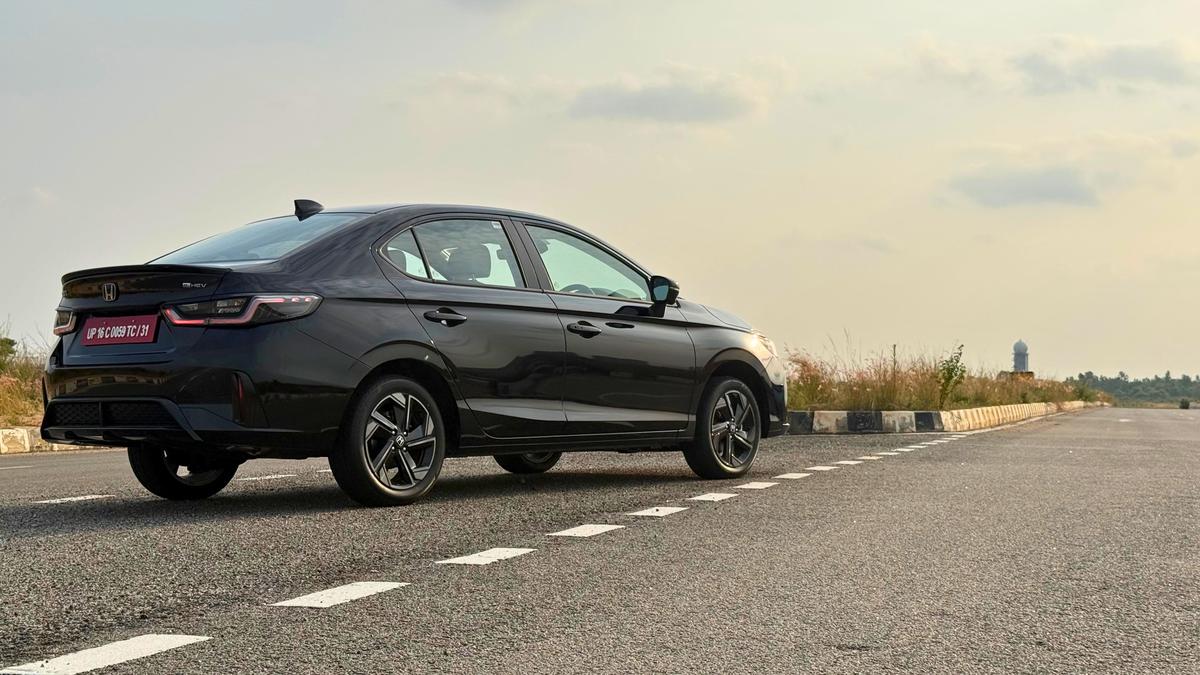
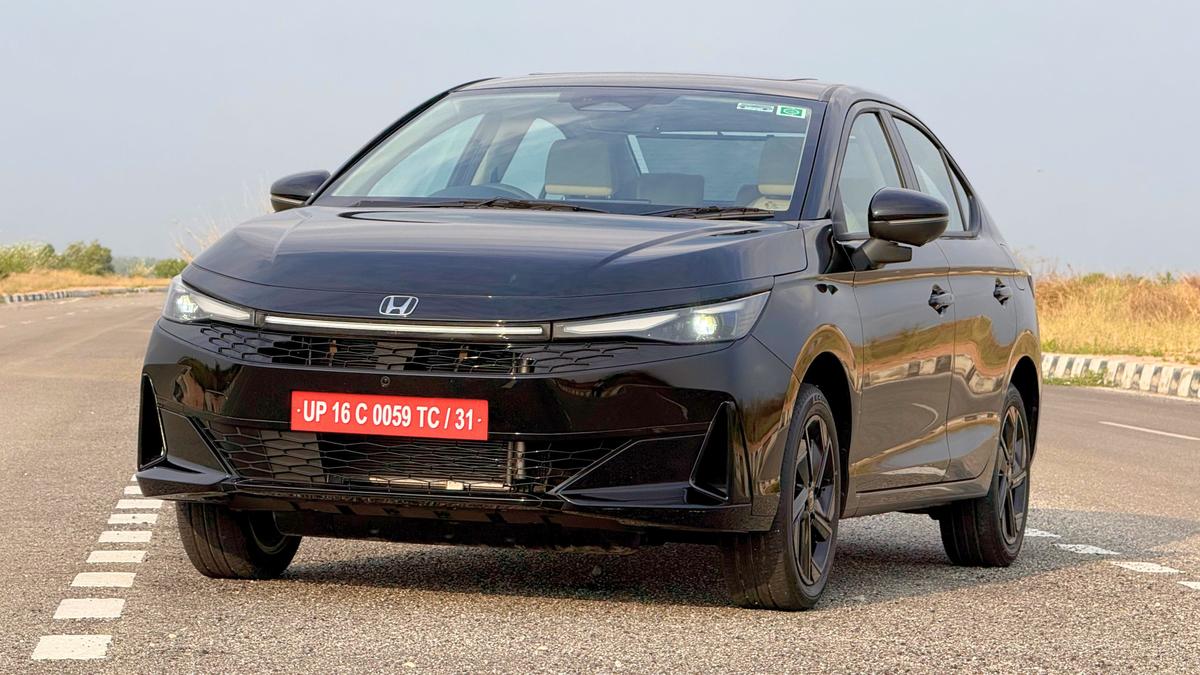
- Aesthetic Refinement: Updated "Blade-Eye" LED headlamps, a connected rear light bar, and a more streamlined front fascia.
II. Chronology: The Evolution of an Icon
To understand the significance of the 2026 model, one must look at the City’s trajectory over the last quarter-century. Since its introduction in the late 1990s, the Honda City has been the benchmark for the Indian "executive" sedan.
- The Early Era (1998–2008): The City established Honda as a premium brand in India, known for its high-revving VTEC engines and low-slung, sporty stance.
- The Luxury Pivot (2008–2020): Successive generations focused on "Man Maximum, Machine Minimum," prioritizing cabin space and rear-seat comfort, which cemented its status among chauffeur-driven professionals.
- The Hybrid Transition (2022–2024): Honda introduced the e:HEV technology in the fifth-generation platform, testing the waters for high-efficiency electrification in a market still dominated by pure internal combustion engines (ICE).
- The 2026 Refresh: This latest update represents the culmination of these eras. It retains the legendary space and comfort of its predecessors but injects the performance-oriented "electric-first" feel required to compete with the turbocharged rivals from Europe.
III. Supporting Data: A Deep Dive into Engineering and Ergonomics
Exterior Design: Understated Sophistication
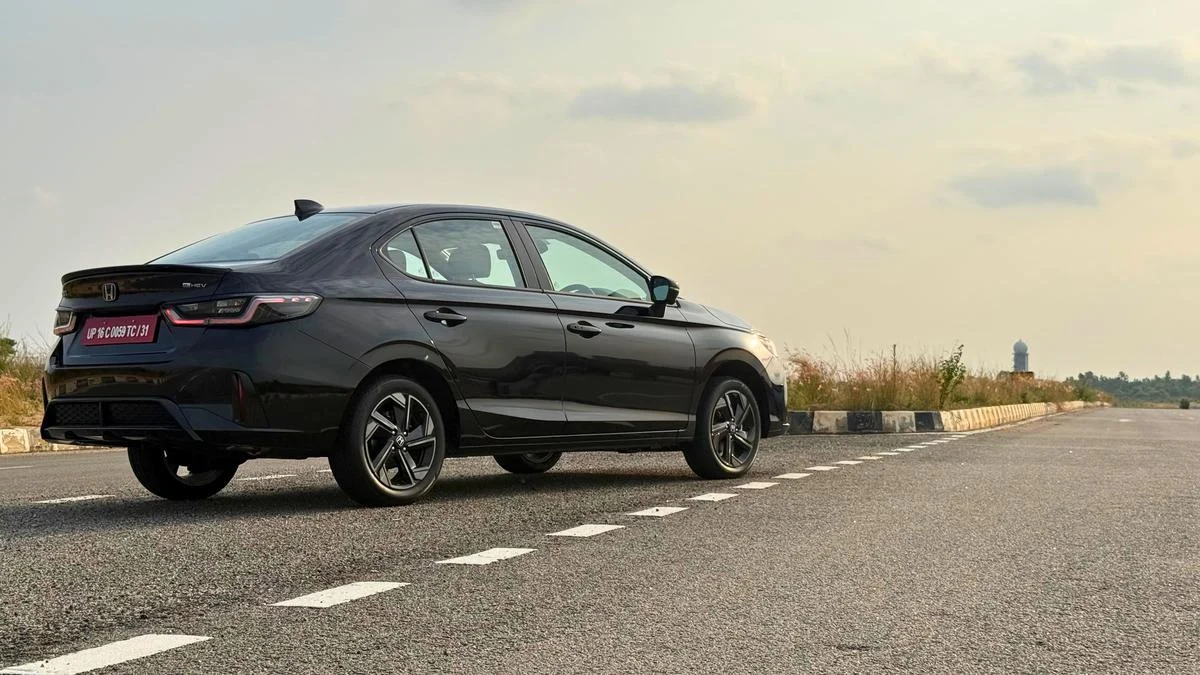
Honda has avoided the trend of "over-styling" that has characterized some of its Korean and European competitors. The 2026 City remains one of the longest cars in its class at 4,594 mm. The design philosophy focuses on "Clean and Elegant." The new front grille is less cluttered, and the "Blade-Eye" LED headlamps provide a sharper, more focused gaze. The inclusion of a connected light bar at the rear follows modern design trends but is executed with a subtlety that maintains the car’s mature silhouette.
The Cabin: The Gold Standard for Space
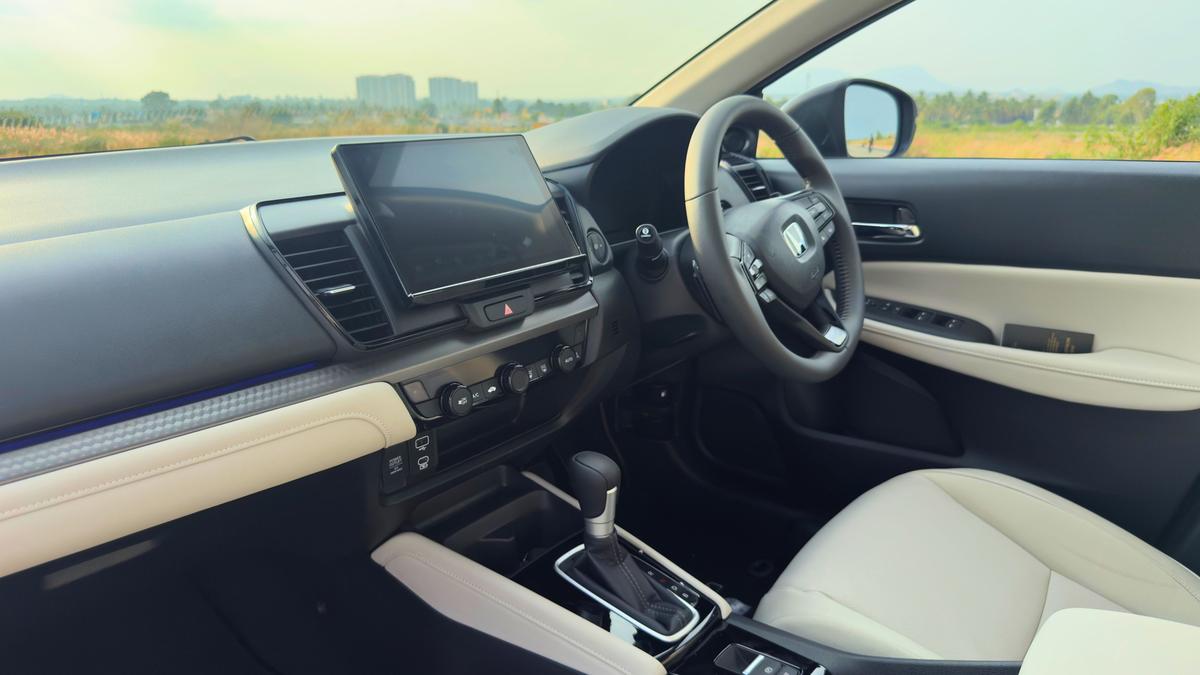
The interior of the City has long been its "ace in the hole." The 2026 model continues this tradition with an ivory-and-black theme that maximizes the sense of airiness.
- Ergonomics: The seating remains a highlight, offering superior thigh support and cushioning that rivals vehicles from a segment above.
- Technology Integration: The updated 8-inch infotainment system, while perhaps not as high-resolution as some competitors, offers wireless Apple CarPlay and Android Auto.
- Amenities: Ventilated front seats, a 360-degree camera system, wireless charging, and USB-C ports ensure the City meets the expectations of the modern, tech-savvy buyer.
The e:HEV Powertrain: The Mechanical Heart
The most compelling data point of the 2026 City is its hybrid architecture. Unlike "mild hybrids" that merely assist the engine, Honda’s "strong hybrid" system allows the car to run on pure electricity for significant portions of city driving.
- Engine: 1.5L i-VTEC (Atkinson Cycle) optimized for thermal efficiency.
- Electric Motors: One motor acts as a generator, while the other drives the wheels.
- Drive Modes: The system seamlessly switches between EV Drive (pure electric), Hybrid Drive (engine powers the generator, motor drives the wheels), and Engine Drive (engine locks directly to the wheels for highway cruising).
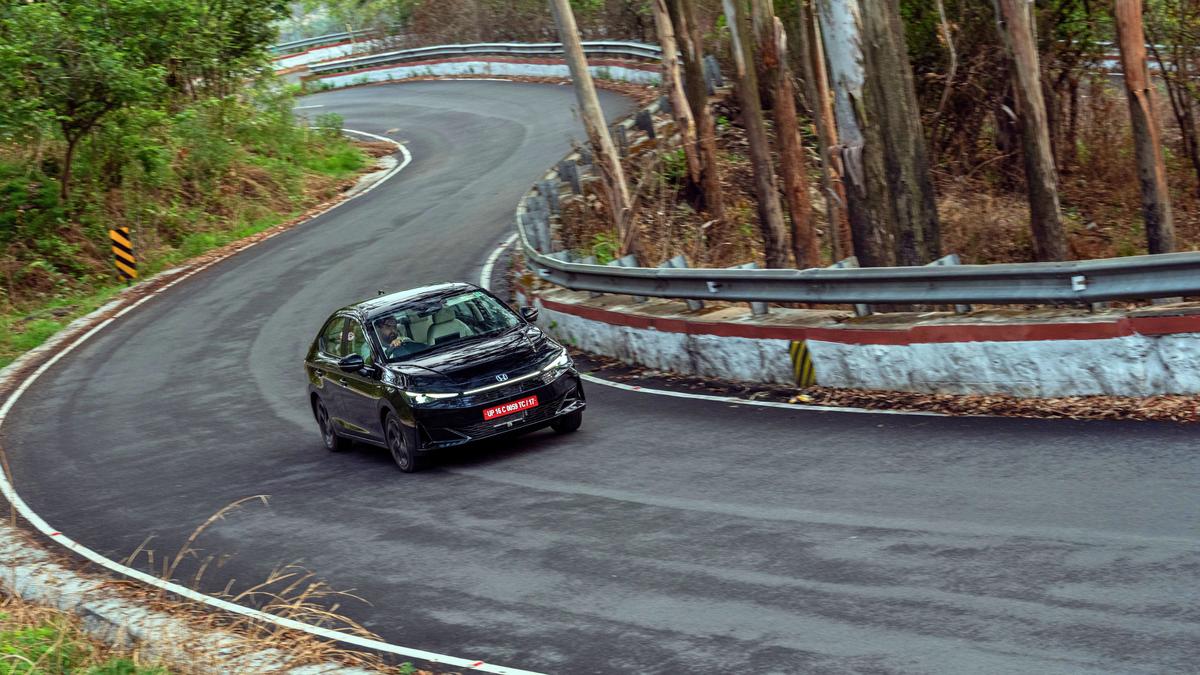
During a test run through the varied terrain of Bengaluru’s outskirts—stretching from congested urban corridors to the steep, winding inclines of Nandi Hills—the City Hybrid returned a fuel economy of 23.5 km/l. This figure is nearly double what a conventional petrol sedan might achieve in similar conditions.
Ride and Handling: A Masterclass in Composure
While the Virtus and Slavia are praised for their "stiff" and "sporty" setups, the Honda City opts for a more "resolved" ride quality. The suspension has been tuned to mask road imperfections with remarkable maturity. Whether encountering highway expansion joints or broken rural tarmac, the City maintains a flat, composed stance. This "luxury-grade" ride quality is perhaps the car’s most underrated attribute, making it an exceptional long-distance cruiser.
IV. Official Responses: Honda’s Strategic Positioning
While Honda’s official communications emphasize "safety and sustainability," the 2026 City’s packaging reveals a clear intent to appeal to a broader demographic. By standardizing six airbags and the Honda Sensing suite across more variants, the company is positioning the City as the safest family choice in the segment.
Industry analysts suggest that Honda’s focus on the hybrid powertrain is a strategic response to the lack of diesel options in the midsize sedan market. With diesel engines being phased out due to stricter emission norms, the e:HEV system provides the high torque and low running costs that former diesel buyers crave, but with the added refinement of a petrol-electric setup.
Furthermore, Honda’s restraint in pricing—starting at INR 11.99 lakh—allows it to compete with the base versions of the Hyundai Verna and the German twins, while the top-end Hybrid variant offers a unique value proposition for those willing to pay a premium for technology and efficiency.
V. Implications: The Future of the Indian Sedan
The 2026 Honda City arrives at a crossroads for the Indian automotive industry. As SUVs continue to dominate market share, the sedan must justify its existence through superior comfort, better fuel efficiency, and a more "premium" image.
1. The Hybrid vs. Turbo-Petrol Debate
The City Hybrid changes the "performance" conversation. For years, performance was equated with turbocharging (as seen in the Virtus GT). However, the instant torque of the City’s electric motor (253 Nm) provides a different kind of performance—one that is more accessible in daily traffic. The implication is that the market may begin to value "effortless" electric torque over the "explosive" but laggard-prone delivery of small turbo engines.
2. Economic Relevance
In an era of fluctuating fuel prices, the City Hybrid’s 23.5 km/l real-world efficiency is a powerful psychological tool. It transforms the sedan from a "luxury purchase" into a "smart investment." As more cities consider low-emission zones, a self-charging hybrid that can operate in EV mode becomes increasingly future-proof.
3. Safety as a Standard
By integrating Level 2 ADAS features like Collision Mitigation Braking and Lane Keep Assist, Honda is forcing its competitors to move beyond basic safety features. The "Low-Speed Follow" function in the hybrid variant, which allows the car to handle stop-and-go traffic autonomously, is a significant quality-of-life improvement for urban commuters.
Final Verdict: The Smartest Contender
The 2026 Honda City does not try to be a sports car, nor does it try to mimic the ruggedness of an SUV. Instead, it doubles down on the core strengths of the sedan format: elegance, space, and a plush ride.
While the Volkswagen Virtus and Skoda Slavia will likely remain the darlings of the enthusiast community for their "raw" driving feel, the Honda City Hybrid emerges as the more complete, well-rounded package for the modern family. It is a car that understands the reality of Indian roads—where refinement in traffic is often more valuable than top-end speed on a track.
In the final analysis, the 2026 Honda City may not be the loudest voice in the room, but its blend of sophisticated hybrid technology and timeless comfort makes it arguably the smartest choice in the segment today. It is a reminder that in the world of automotive excellence, sometimes the most enduring fight is won not with volume, but with polish.
