

The first monsoon showers in the Eastern Ghats do not arrive with a whisper; they arrive as a transformation. As the parched, brown landscapes of north Andhra Pradesh are draped in drifting mists, the mountain range undergoes a dramatic metamorphosis. Seasonal streams, dormant for months, suddenly pulse with life, while the rugged slopes are painted in a staggering array of greens. For the growing community of trekking enthusiasts in Southern India, this seasonal shift marks the beginning of a "green season" that reveals the mountains as cooler, quieter, and profoundly revitalized.
In recent years, the Eastern Ghats—long overshadowed by the Western Ghats and the Himalayas—have emerged as a premier destination for monsoon expeditions. Guided by professional outfits like Eco Hikes and Hikoi Adventures, a diverse demographic of seasoned trekkers, urban families, and first-time walkers are venturing into the mist-shrouded peaks. This resurgence is not merely about physical exertion; it is a movement toward ecological awareness and a deeper connection with the indigenous heritage of one of India’s oldest geological formations.
Main Facts: A New Frontier for Adventure Tourism
The Eastern Ghats of Andhra Pradesh, particularly the regions surrounding Visakhapatnam and the Araku Valley, host some of the most significant elevations in the range. At the heart of this trekking boom is Arma Konda (also known as Jindhagada Peak). Standing at an elevation of 1,690 meters, it is the highest mountain peak in both Andhra Pradesh and the entire Eastern Ghats.
The appeal of the monsoon season lies in the unique microclimate of these higher altitudes. While the plains may suffer from humidity and the lower foothills experience torrential downpours, the ridges above 1,000 meters offer a different experience. Here, the weather is characterized by a "cool drizzle" and "passing clouds," making long-distance trekking more comfortable than in the sweltering summer or the bone-dry winter.
Key trekking destinations now include:
- Summit Trails: Jindhagada Peak, Sinkaram Gutta, Galikonda, and Endric Peak.
- Waterfall Circuits: Jalada, Tamkota, Tarabu, and Peddhabayalu.
- Geological Wonders: The Gosthani caving and exploration trail in the Ananthagiri Hills.
Chronology: The Seasonal Evolution of the Ghats
The trekking calendar in the Eastern Ghats is dictated by the rhythm of the southwest monsoon.

The Pre-Monsoon Transition (June)
As the heat of May dissipates, the first "pre-monsoon" showers begin to soften the soil. During this phase, trekking groups begin scouting routes that have been altered by summer wildfires or erosion. The air begins to clear of the haze common in the dry season, offering the first glimpses of distant ridgelines.
The Peak Monsoon (July – September)
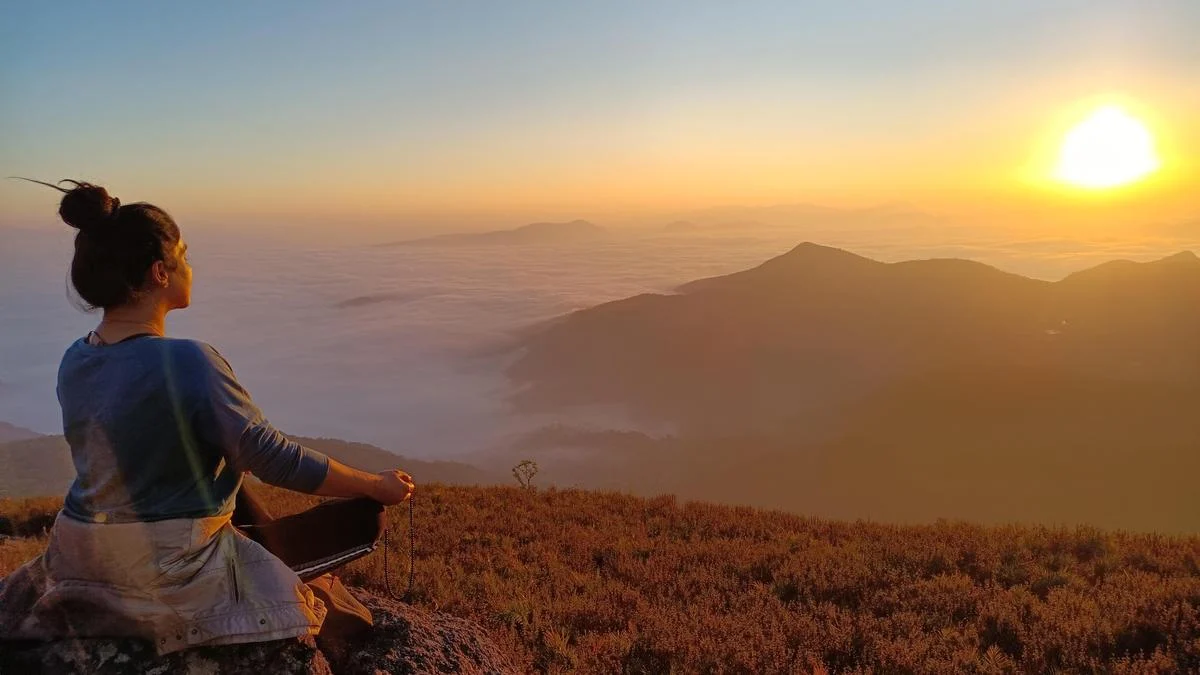
This is the primary window for "Above the Clouds" trekking. Organizers typically schedule two-day expeditions during this period. Day one often involves a steady ascent through deciduous forests, transitioning into high-altitude grasslands. The overnight experience—whether camping under reinforced weather-proof tents or staying in local village homestays—is a core part of the chronology. By day two, trekkers aim for the summits to witness the "sea of clouds" phenomenon, where the valleys are completely submerged in white mist, leaving only the peaks visible.
The Post-Monsoon Flourish (October)
As the heavy rains subside, the waterfalls reach their maximum aesthetic beauty. This is the peak season for family-oriented "waterfall walks." The trails are still lush, but the risk of flash floods in the streams decreases, allowing for safer exploration of the Kandulapalem and Madugula cascades.
Supporting Data: Topography and Trail Specifications
The Eastern Ghats offer a distinct topographical profile compared to other Indian ranges. Unlike the dense, often impenetrable evergreen canopies of the Western Ghats, the higher reaches of the Eastern Ghats (above 1,300 meters) open into vast, rolling grasslands.
Elevation and Difficulty Grading
| Trail Name | Peak Elevation | Distance | Difficulty |
|---|---|---|---|
| Arma Konda (Jindhagada) | 1,690m | 10-12 km (round trip) | Moderate |
| Galikonda | 1,500m | 28-35 km (circuit) | Demanding |
| Endric Peak | 1,370m | 15 km | Moderate |
| Jalada Waterfalls | ~800m | 2-5 km | Easy/Beginner |
Naveen Rongali of Eco Hikes highlights Galikonda as a standout route due to its sheer scale. "It offers one of the longest trekking routes in the Eastern Ghats," Rongali explains. "During the monsoon, natural springs become active along the higher sections, solving the water scarcity issues we face in winter and allowing us to attempt 35-kilometer routes that would otherwise be too grueling."
Floral Diversity
A unique feature of these monsoon trails is the presence of Fishtail Palms (Caryota urens). These trees, interspersed with high-altitude grasslands, give the Eastern Ghats a prehistoric aesthetic that differs significantly from the Himalayan pine forests or the shola grasslands of the Nilgiris.

Official Responses: Insights from the Trailblazers
Professional trekking organizers emphasize that while the monsoon brings beauty, it also brings a requirement for heightened expertise. The lack of a "comprehensive network of officially marked trails" remains a significant challenge for the region.
The Philosophy of Safety
Vamsi Thenakani of Hikoi Adventures notes that their itineraries, such as the trek to Heaven Valley at Sinkaram Gutta, are planned with a "safety-first" protocol. "Every trek is backed by first-aid, emergency communication, and an evacuation strategy," says Thenakani. "Reaching the summit is never more important than safety. If the Gosthani River or the Tarabu streams show signs of rising unexpectedly, we cancel or reroute immediately."
The "Leave No Trace" Mandate
Both Eco Hikes and Hikoi Adventures have responded to the increased footfall by implementing strict environmental codes. They actively promote "Leave No Trace" principles, ensuring that the surge in tourism does not result in the littering of pristine peaks like Arma Konda. They argue that responsible trekking can actually help protect these areas by creating a "citizen-watch" system against illegal logging or poaching.
Implications: Ecology, Culture, and Climate Change
The rise of monsoon trekking carries significant implications for the local environment and the indigenous communities that call these mountains home.
Cultural Integration
A trek through these Ghats is an inadvertent masterclass in anthropology. The trails often pass through the ancestral lands of the Bhagata, Valmiki, Kondadora, and Konda Dhora tribes. The monsoon marks the start of their farming season. Trekkers witness traditional terrace farming and "podu" (shifting cultivation) practices that have remained unchanged for generations.
Naveen Rongali points out that this interaction is vital: "Trekkers get an opportunity to understand how people have lived in harmony with these mountains. We work closely with local tribal guides whose deep ecological knowledge is indispensable for navigating the shifting monsoon terrain."

Ecological Warning Signs
However, the frequent visits by seasoned guides have also allowed them to act as informal environmental monitors. The observations are concerning. Vamsi Thenakani reports a noticeable decline in wild date plants, which were once abundant at the 4,000-foot mark.
"Rainfall has become less predictable," Thenakani observes. "Seasonal streams behave differently, and the flowering and fruiting cycles of several plants appear to have shifted." These changes suggest that even the remote ridges of the Eastern Ghats are not immune to the broader effects of climate change, emphasizing the need for trekking to remain low-impact and conservation-oriented.
The Necessity of "Walking Wisely"
As the Eastern Ghats gain popularity on social media, the risk of "amateur accidents" increases. Organizers stress that the "cool weather" can be deceptive. Common mistakes include:
- Inappropriate Footwear: Standard sneakers lack the lug depth required for slippery clay-rich soil.
- Poor Navigation: The absence of trail markers means getting lost in the mist is a high probability for solo hikers.
- Stream Hazards: Water levels in the Eastern Ghats can rise due to rain occurring kilometers away at the headwaters, leading to sudden surges in seemingly calm streams.
Conclusion: The Future of the Green Range
The Eastern Ghats are currently in a state of transition—not just seasonally, but economically and socially. The monsoon treks represent a shift in how urban Indians interact with the natural world: moving away from passive sightseeing toward active, responsible engagement.
As groups like Eco Hikes and Hikoi Adventures continue to map these ancient ridges, the hope is that the Eastern Ghats will be recognized not just as a weekend getaway, but as a vital ecological corridor that requires protection. For those willing to brave the mist and the mud, the reward is a glimpse of a world that feels "richly alive"—a landscape where every drifting cloud and hidden waterfall tells the story of a mountain range finally finding its voice in the rain.
Practical Information:
- Best Time to Visit: July to October for greenery and waterfalls; November to January for clear skies and views.
- What to Pack: Lightweight rain protection (ponchos are preferred over umbrellas), high-traction trekking shoes, and hydration bladders.
- Contact: Interested explorers can reach out to Eco Hikes (@ecohikes) or Hikoi Adventures (@_hikoi_adventures) via Instagram for guided itineraries and safety briefings.
