

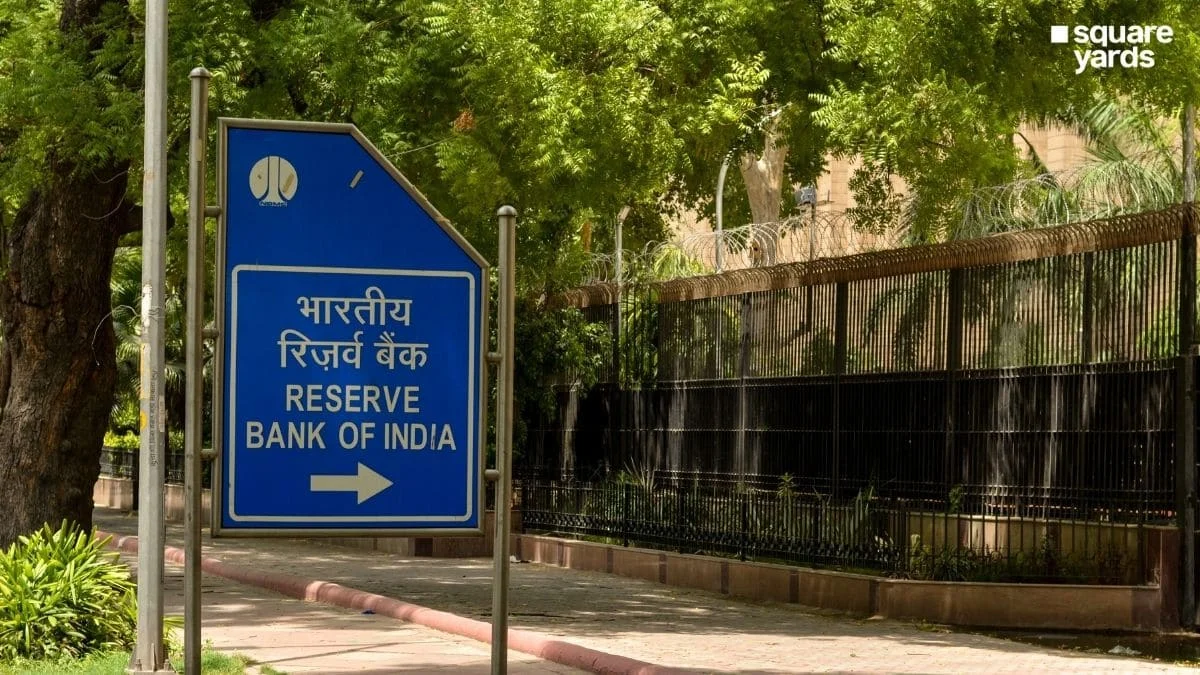
MUMBAI – In a move that signals a continued commitment to macroeconomic stability and inflation management, the Reserve Bank of India (RBI) announced on August 5, 2026, that it would maintain the status quo on key interest rates. Following the conclusion of the three-day Monetary Policy Committee (MPC) meeting, RBI Governor Sanjay Malhotra confirmed that the repo rate remains unchanged at 5.25%.
This decision marks the fourth consecutive time the central bank has opted to hold rates, reflecting a "wait-and-watch" approach amidst shifting global economic dynamics and domestic inflationary pressures. The policy stance remains "neutral," providing the RBI with the flexibility to pivot in either direction depending on how economic data evolves in the coming quarters.
1. Main Facts: The MPC’s Strategic Pause
The RBI’s decision to keep the repo rate at 5.25% was largely expected by market analysts, yet it carries significant weight for the Indian economy, particularly the capital-intensive real estate sector. The repo rate—the rate at which the central bank lends to commercial banks—serves as the primary tool for controlling liquidity and influencing inflation.
Key Highlights of the Announcement:
- Repo Rate: Fixed at 5.25%.
- Standing Deposit Facility (SDF) Rate: Remains at 5.00%.
- Marginal Standing Facility (MSF) Rate and Bank Rate: Stay at 5.50%.
- Policy Stance: Neutral, focusing on the withdrawal of accommodation to ensure inflation aligns with the target while supporting growth.
- GDP Projection: The RBI maintained its growth forecast for the 2026-27 fiscal year, citing robust domestic demand and a recovery in rural consumption.
Governor Sanjay Malhotra emphasized that while the domestic economy remains resilient, the MPC must remain vigilant. "The decision to maintain the status quo is a calibrated move to ensure that the progress made in disinflation is not undone by volatile global commodity prices or erratic weather patterns affecting food inflation," the Governor stated during the press briefing.
2. Chronology: The Journey to 5.25% Stability
To understand the significance of this fourth consecutive pause, one must look at the trajectory of India’s monetary policy over the last 24 months.
- Late 2024 – Early 2025: Following a period of aggressive rate hikes to combat post-pandemic inflation and global supply chain disruptions, the RBI reached a peak repo rate.
- Mid-2025: As inflation began to cool within the RBI’s tolerance band of 2% to 6%, the central bank shifted from a "hawkish" stance to a "neutral" one, eventually settling the rate at 5.25%.
- Late 2025 – Early 2026: The first three pauses occurred during this period. The MPC observed that previous rate hikes were still filtering through the system, a process known as monetary policy transmission.
- August 3-5, 2026: The latest MPC meeting. Despite some calls for a rate cut to stimulate the affordable housing segment, the committee voted in favor of stability, citing the need to anchor inflation expectations firmly at the 4% target.
3. Supporting Data: Real Estate and Economic Indicators
The decision to hold rates has a direct correlation with the health of the Indian real estate market. Since the introduction of the External Benchmark Lending Rate (EBLR) regime, most home loans are now directly linked to the repo rate.
Impact on Borrowing Costs
With the repo rate held at 5.25%, the EBLR for most major banks is expected to hover between 8.25% and 9.15%. For a borrower with a ₹50 lakh loan for 20 years, this stability means the Monthly Recurring Installment (EMI) remains predictable at approximately ₹42,000 to ₹45,000, depending on the bank’s spread.
Housing Market Resilience
Data from the first half of 2026 suggests that the housing market has decoupled slightly from interest rate sensitivity.
- Sales Volume: Major metropolitan areas (Mumbai, Delhi-NCR, Bengaluru, Pune) saw a 7% year-on-year growth in residential sales despite the absence of rate cuts.
- Inventory Levels: Overhang has reduced to an average of 14-16 months across Tier-1 cities, down from 22 months in 2023.
- Price Appreciation: Property prices in key micro-markets have risen by 8-12% annually. This appreciation often outweighs the potential savings from a minor 25-basis-point rate cut, suggesting that "waiting for the bottom" may be a counterproductive strategy for buyers.
4. Official Responses: Industry Leaders Weigh In
The real estate fraternity has largely welcomed the RBI’s focus on stability. While a rate cut would have been a sentimental booster, the predictability of the current regime is seen as a foundation for sustainable growth.
Bhavesh Kothari, Founder & CEO of Property First Realty, highlighted the confidence this brings to the market:
"A stable interest rate environment gives greater confidence to both buyers and developers, while supporting the housing sector’s long-term growth. We are seeing a shift where buyers are prioritizing the quality of the asset and the reputation of the developer over minor fluctuations in interest rates. This policy provides the necessary visibility for long-term financial planning."
Manan Joshi, Founder of Sarvam Properties, noted the impact on emerging markets:
"A stable policy environment helps maintain affordability and reinforces buyer confidence, particularly in emerging residential markets. In the outskirts of major cities where infrastructure is just catching up, price stability combined with steady home loan rates is the primary driver of conversion from leads to actual sales."
Representing the development side, Mr. Jash Panchamia, Executive Director of Jaypee Infratech Limited, focused on the mid-income segment:
"This stable interest rate environment, coupled with healthy financing options, is expected to sustain demand, particularly in the mid-income housing segment, where genuine end-user demand remains strong. Developers can now plan their project launches and construction timelines with a clearer understanding of their cost of capital."
5. Implications: What This Means for Stakeholders
The RBI’s decision creates a ripple effect across different segments of the economy. Below is an analysis of the implications for various stakeholders.
A. For Potential Homebuyers: The Cost of Delay
For those on the fence, the "wait-and-watch" strategy may carry hidden costs. While a future rate cut is possible, the current trend of rising property prices and construction costs means that the "entry price" of a home is increasing faster than the potential savings from a lower interest rate.
- Predictability: Buyers can lock in loans now without the fear of immediate EMI hikes.
- Eligibility: Loan eligibility remains stable, allowing buyers to maximize their budget based on current income levels.
B. Segment-Wise Impact: Affordable vs. Luxury
The impact of the 5.25% repo rate is not uniform across the board.
- Affordable and Mid-Income (₹30 Lakh – ₹75 Lakh): This segment is the most EMI-sensitive. The RBI’s pause is a relief, as it prevents these buyers from being priced out of the market. However, this segment also feels the pinch of inflation the most, making the RBI’s focus on price stability crucial for their long-term purchasing power.
- Premium and Luxury (Above ₹1.5 Crore): This segment remains largely insulated from repo rate movements. High-net-worth individuals (HNIs) often rely on internal accruals or have a lower Loan-to-Value (LTV) ratio, making them less sensitive to minor interest rate fluctuations. Demand here continues to be driven by lifestyle upgrades and investment diversification.
C. For Real Estate Developers: Project Viability
For developers, the cost of borrowing for land acquisition and construction remains steady.
- Liquidity: Banks are likely to maintain healthy credit flow to "Grade A" developers.
- Planning: With interest rates being a major component of project costs, stability allows for more accurate budgeting and prevents the "cost overruns" that often plague the industry during volatile rate cycles.
D. The Broader Economic Signal
By holding the rate at 5.25%, the RBI is signaling that the Indian economy is in a "Goldilocks" zone—not too hot to trigger runaway inflation, and not too cold to require emergency stimulus. This creates a fertile ground for Foreign Direct Investment (FDI) in the commercial and residential real estate sectors, as international investors value policy consistency above all else.
6. Conclusion: The Path Ahead
The RBI’s decision to maintain the repo rate at 5.25% on August 5, 2026, is a testament to the central bank’s "stability-first" philosophy. For the housing sector, which has historically been the backbone of domestic capital formation, this move offers a window of opportunity.
While the dream of a "low-interest-rate era" might be tempered by the reality of global inflation, the current environment offers something perhaps more valuable: predictability. As property prices continue their upward trajectory driven by genuine end-user demand, the message from the RBI is clear—the era of volatile shocks is, for now, in the rearview mirror. Homebuyers and developers alike would be wise to utilize this period of equilibrium to solidify their positions in the market.
