

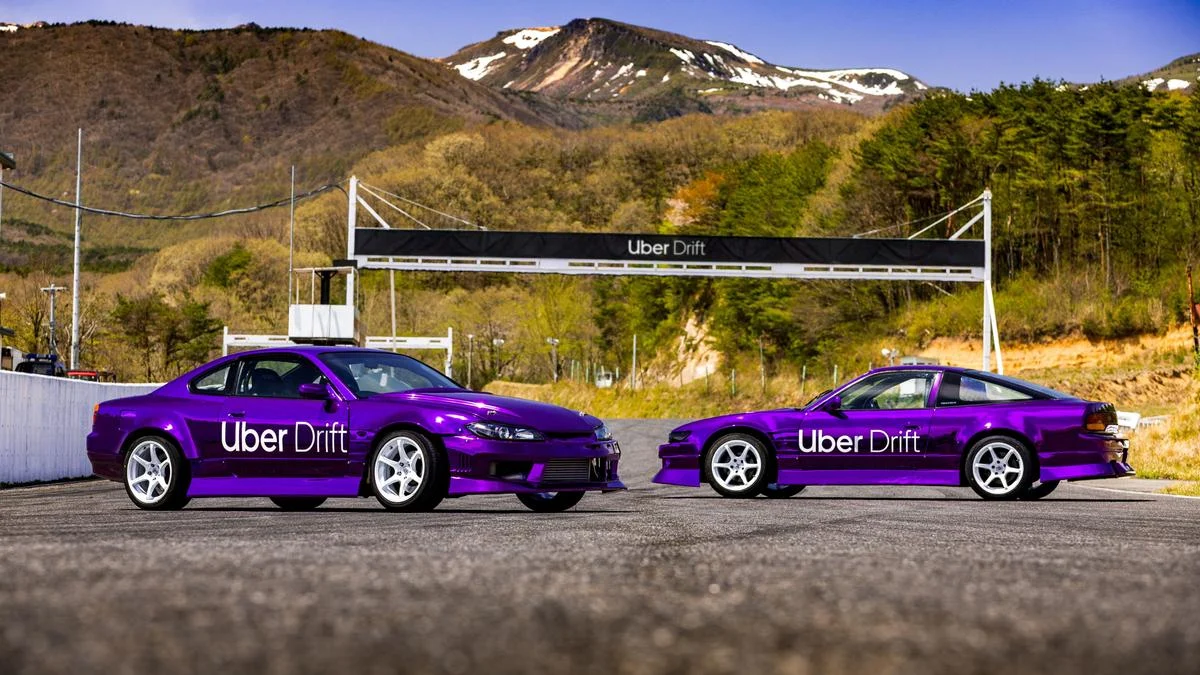
MOBARA, JAPAN — There is a fleeting, transcendent moment—somewhere between the first violent transition and the second lungful of acrid tire smoke—when drifting ceases to be mere automotive theatre and begins to make profound, visceral sense.
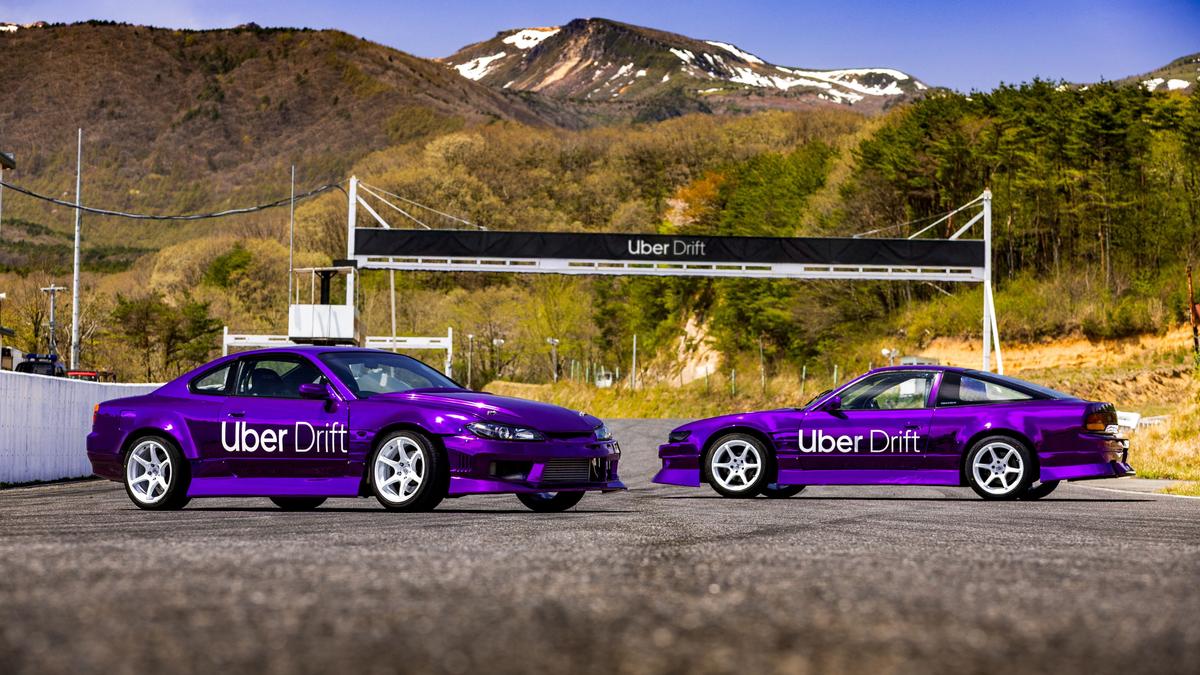
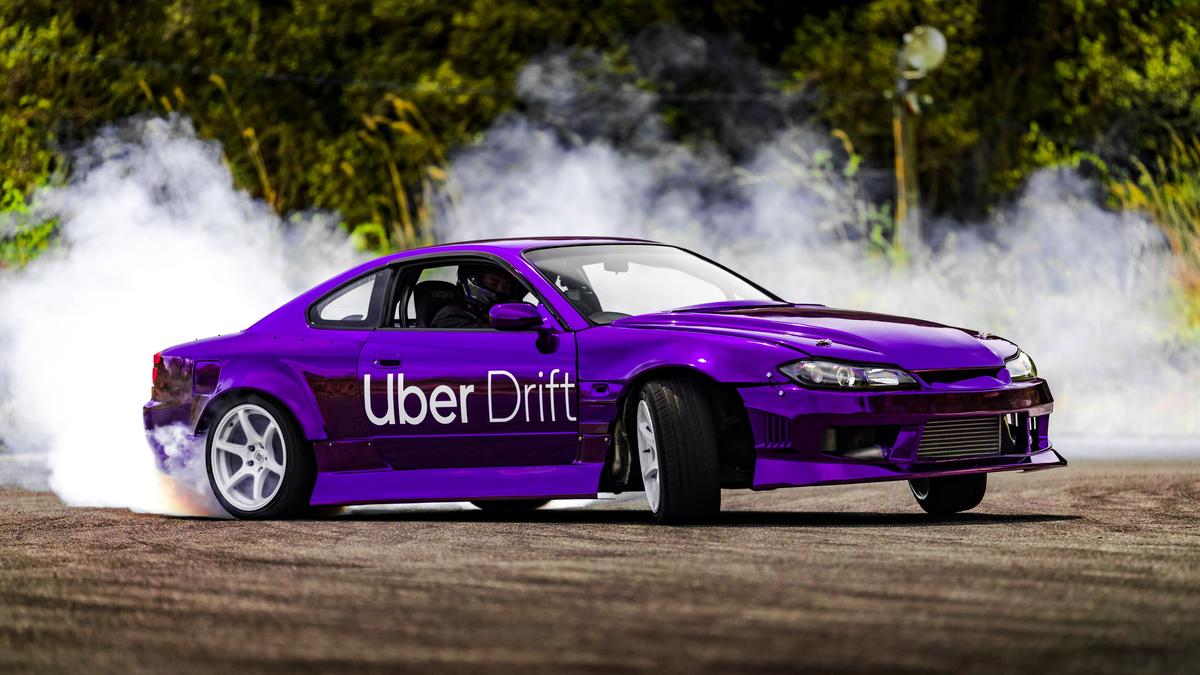
For many, this realization occurs at the Mobara Twin Circuit, a storied asphalt arena nestled roughly 90 minutes outside the neon sprawl of Tokyo. Strapped into the bucket seat of a Nissan Silvia S15, the world outside becomes a blur of grey and green. Fausto, a reigning drift champion, holds the car at an angle that defies the laws of mechanical physics. He balances opposite lock with millimetric precision while another car, a Nissan 180SX, hovers mere inches from the passenger window.
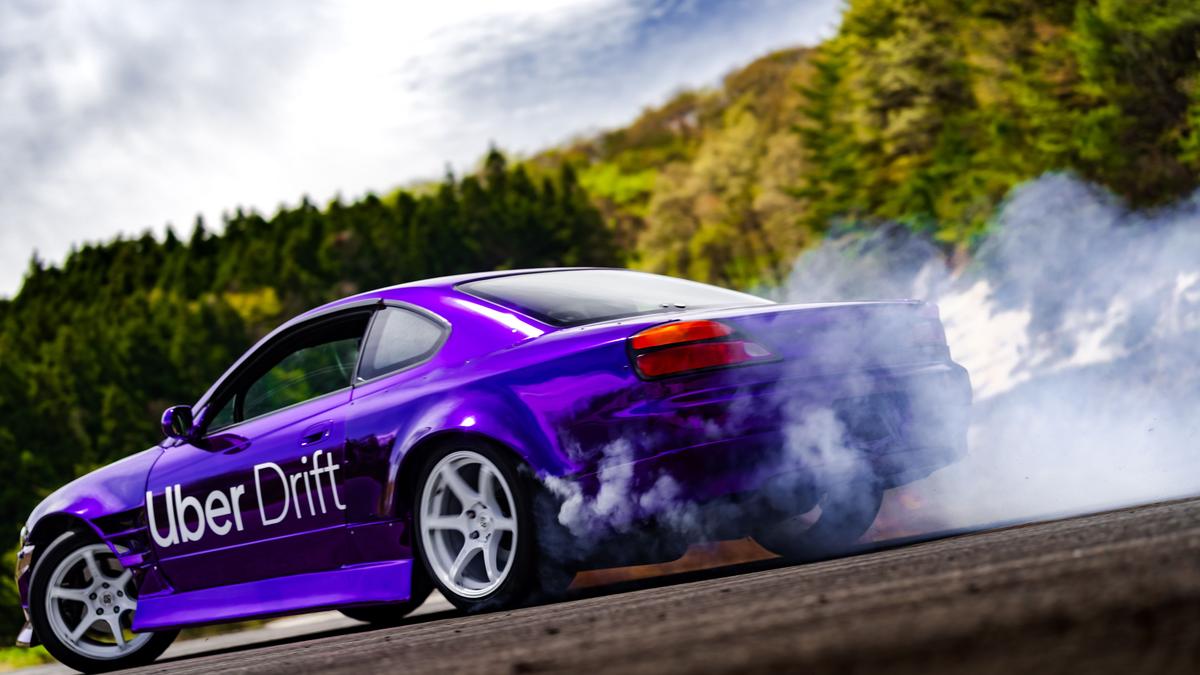
The rear tires do not merely spin; they evaporate. The engine screams as it hammers against the rev limiter, a mechanical heartbeat pulsing through the chassis. Every survival instinct screams that a catastrophic collision is imminent. Yet, within the cabin, the atmosphere is one of clinical focus. This is the paradox of Japanese drifting: it is a discipline defined by precision disguised as violence, and commitment masqueraded as madness.
Main Facts: The Art of Controlled Instability
Drifting, unlike almost every other form of motorsport, is not a race against the clock. It is a judged competition where the objective is to abandon grip in favor of style, angle, and proximity. While traditional racing—from Formula 1 to GT3—is built around the "traction circle" and the pursuit of maximum adhesion, drifting is the art of intentionally unsettling a vehicle and maintaining control once the limit of traction has been breached.
In professional Japanese competition, such as the D1 Grand Prix or Formula Drift Japan, drivers are evaluated on four primary pillars:
- Commitment: The speed and aggression with which a driver enters a corner.
- Angle: The degree to which the car is sideways relative to its path of travel.
- Fluidity: The smoothness of transitions between slides.
- Proximity: In tandem battles, how closely the "chase" car can mimic the "lead" car without making contact.
To the uninitiated, it looks like chaos. To the Japanese, who birthed the sport, it is a highly technical "ballet of friction." Modern drift cars are marvels of specialized engineering. They feature "angle kits" that allow front wheels to rotate up to 60 or 70 degrees—far beyond the limits of a road car—to prevent spinning out. Suspension geometry is meticulously tuned to stabilize a sideways chassis, and engines are built to provide massive bursts of low-end torque to keep tires spinning regardless of gear or speed.
Chronology: From the Mountain Passes to the Global Stage
To understand the soul of drifting, one must look to the Touge—the narrow, winding mountain passes of rural Japan.
The 1970s: The Birth of the Slide
The foundations of drifting were laid by Kunimitsu Takahashi, a legendary motorcyclist turned racing driver. In the 1970s, Takahashi became famous for hitting apexes at high speeds and then sliding through the exit, maintaining higher exit speeds than his "grip" counterparts. His aggressive style earned him multiple championships and a cult following among street racers.
The 1980s: The Rise of the Drift King
During the mid-80s, a young driver named Keiichi Tsuchiya began practicing Takahashi’s techniques on the treacherous mountain roads of the Nagano prefecture. Tsuchiya, who would later be known globally as the "Drift King," realized that drifting wasn’t just a way to go fast—it was an expression of car control that resonated with the Japanese "Zoku" (subculture) spirit. In 1987, several popular car magazines and tuning shops produced "Pluspy," a video showcasing Tsuchiya’s illegal mountain drifting. It became an underground sensation, effectively legitimizing drifting as a standalone discipline.
The 1990s – 2000s: Professionalization
By the 1990s, drifting had moved from the mountains to dedicated circuits. In 2000, Tsuchiya and Daijiro Inada founded the D1 Grand Prix, the world’s first professional drifting series. This turned a fringe hobby into a corporate-backed sport, leading to the development of iconic chassis like the Nissan Silvia (S13, S14, S15), the Toyota AE86, and the Mazda RX-7 as the "gold standard" for the sport.
The Present Day: Cultural Integration
Today, drifting is a global phenomenon, but its heart remains in Japan. It survives in the late-night meets at Daikoku Parking Area in Yokohama and in the grassroots "matsuri" (festivals) held at circuits like Ebisu and Mobara.
Supporting Data: The Engineering of Oversteer
The technical demands of drifting require a total rethink of automotive physics. Data from professional drift teams suggests that a competitive car must balance three conflicting forces:
- Torque Management: Unlike circuit racing where top-end horsepower is king, drift engines (often the legendary 2JZ-GTE or SR20DET) are tuned for a "flat" torque curve. This ensures that the driver can break tire traction at any point in the power band with a simple "clutch kick" or throttle jab.
- Weight Transfer: Drifters use weight transfer as a primary steering tool. By "flicking" the car in the opposite direction before a turn (the Scandinavian Flick), they use the car’s inertia to break the rear tires loose.
- Tire Consumption: At a professional level, a set of high-performance rear tires can be reduced to wires and smoke in less than two minutes of active drifting. Teams at events like Mobara often go through 20 to 40 tires in a single weekend.
The "Uber Drift" experience utilizes these technical realities to provide a bridge between the spectator and the athlete. By using Formula Drift-licensed drivers, the program ensures that the "violence" felt by the passenger is actually a highly calculated maneuver.
Official Responses and the "Uber Drift" Initiative
The rise of "automotive tourism" has prompted major brands to seek authentic entries into Japanese car culture. Traditionally, the drifting scene was insular and difficult for foreigners to navigate due to language barriers and the "underground" nature of many tracks.
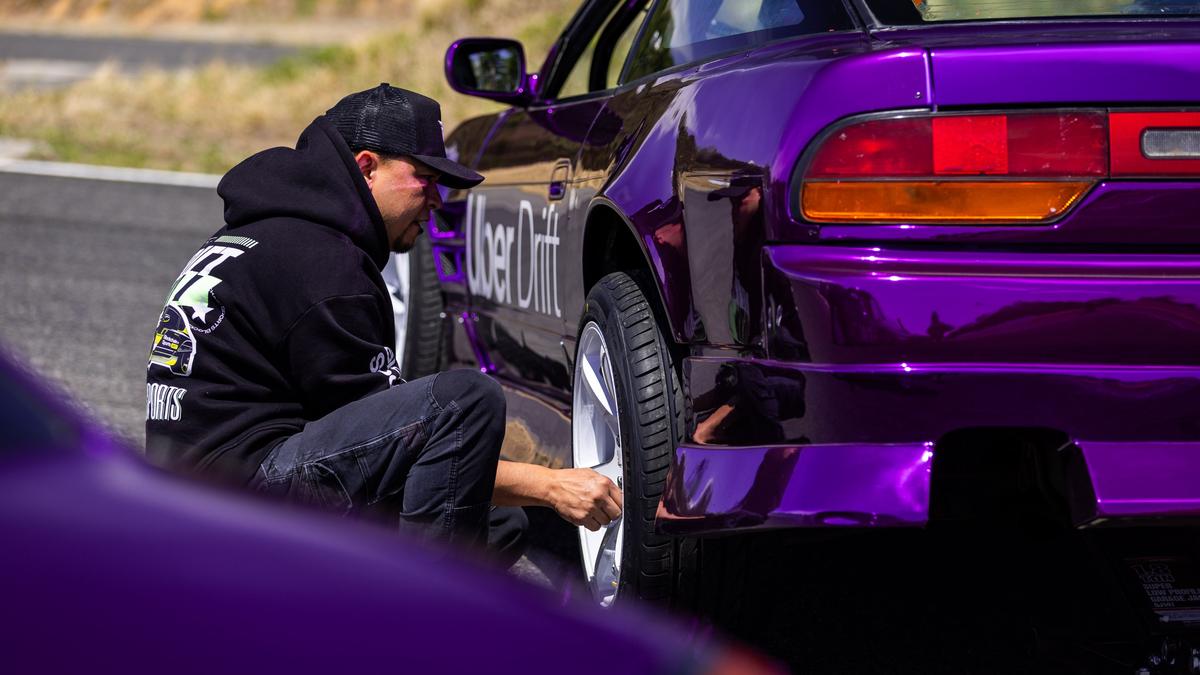
In a move to democratize this access, Uber launched the "Uber Drift" experience as part of its "Go Anywhere" global campaign. This initiative represents a significant shift in how the industry views car culture—moving it from a niche interest to a premium travel experience.
"We wanted to offer something that wasn’t just a ride, but a deep dive into a culture that defines Japan," an Uber spokesperson noted during the program’s launch. "Mobara Twin Circuit is hallowed ground for drifters. Bringing people here with professional drivers like Fausto allows them to feel the G-forces and the precision that you simply cannot capture on a screen."
Local track officials at Mobara have also welcomed the initiative, noting that such programs help fund the maintenance of grassroots circuits which are often under threat from urban sprawl and noise complaints. "It keeps the spirit of the Touge alive in a safe, controlled environment," said a circuit representative.
Implications: The Future of a "Raw" Sport
The existence of programs like Uber Drift and the continued popularity of the D1GP suggest that drifting is entering a new era of maturity. However, this professionalization brings its own set of implications:
1. The Preservation of the Internal Combustion Engine (ICE):
As the automotive world pivots toward electrification, drifting remains one of the last bastions of the ICE. The sound, the smell of fuel, and the specific power delivery of turbocharged engines are central to the drift experience. The sport may eventually become a "living museum" for gasoline-powered performance.
2. Tourism and Cultural Export:
Japan has successfully turned its street-racing heritage into a viable tourism product. For the Japanese government, car culture is now a "soft power" export, much like anime or sushi. Experiences that offer "authentic" access are becoming vital to the tourism economy.
3. The "Un-sanitized" Experience:
The appeal of drifting lies in its roughness. Unlike the clinical, sterile environments of modern F1 tracks, places like Mobara are gritty. The cars have zip-tied bumpers and mismatched body panels—scars from previous "wall taps." There is a growing demand for these raw, unfiltered experiences in an increasingly digital and sanitized world.
Conclusion
Drifting in Japan is more than a sport; it is a philosophy of resilience and control. It teaches that even when life (or a car) is sliding out of control, there is a way to navigate the chaos with grace. Whether it is a professional tandem run at 100 mph or a midnight run on a mountain pass, the goal remains the same: to find the perfect balance on the edge of disaster.
As the tire smoke clears at Mobara Twin Circuit, the passenger steps out of the Nissan S15 with shaking hands and a newfound respect for the drivers. What looked like madness from the grandstands was, in reality, a masterclass in physics and human composure. In the world of drifting, losing control is merely the beginning of the journey.
