

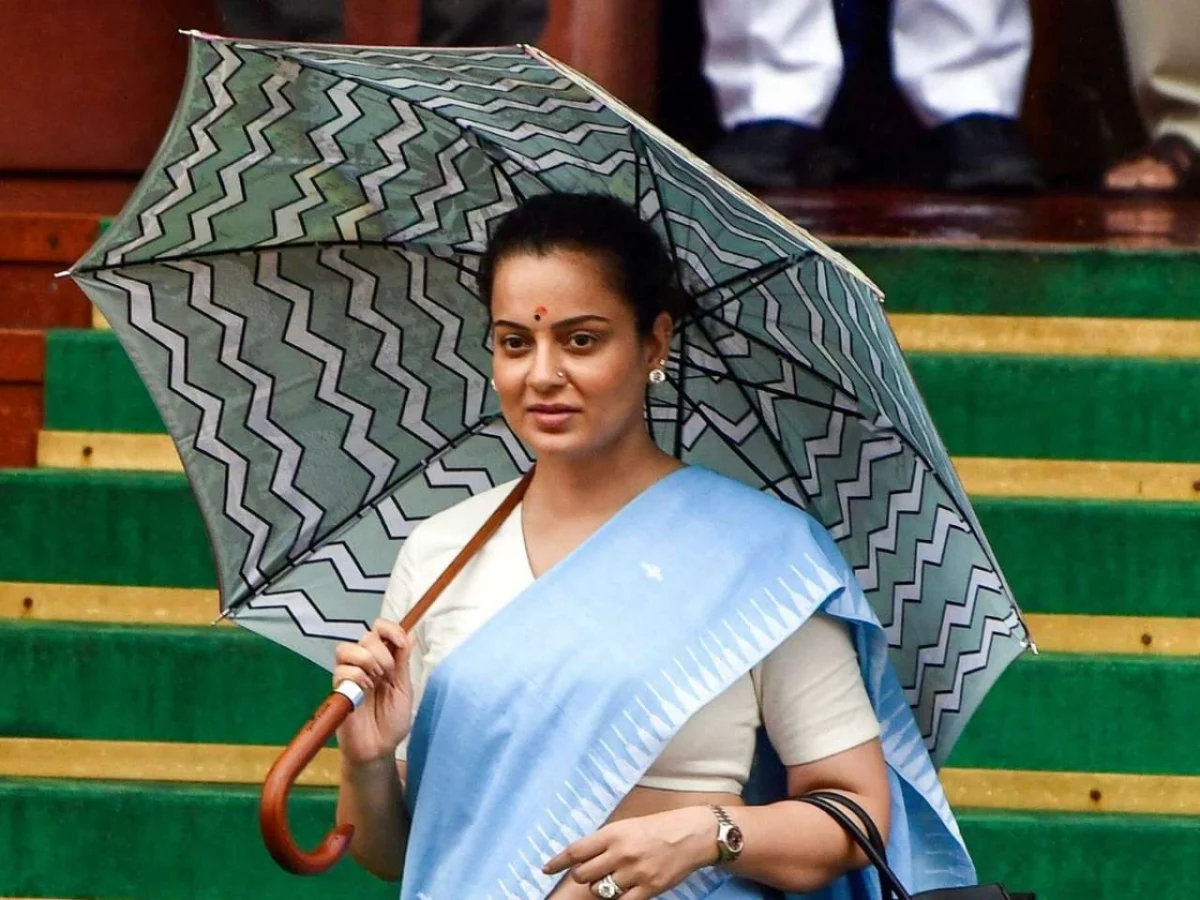
New Delhi, India – In a swift and notable shift in public discourse, acclaimed actress and newly elected Bharatiya Janata Party (BJP) Member of Parliament, Kangana Ranaut, has reversed her strongly worded criticism of Generation Z. Weeks after a public denouncement that labeled the demographic as "Generation Gutter" and questioned their cultural and societal contributions, Ranaut has now heralded them as "the strength of our country" and "a great asset." This dramatic re-evaluation, articulated in recent interactions with the media outside Parliament, has sparked considerable discussion and highlighted the volatile nature of public opinion and political messaging.
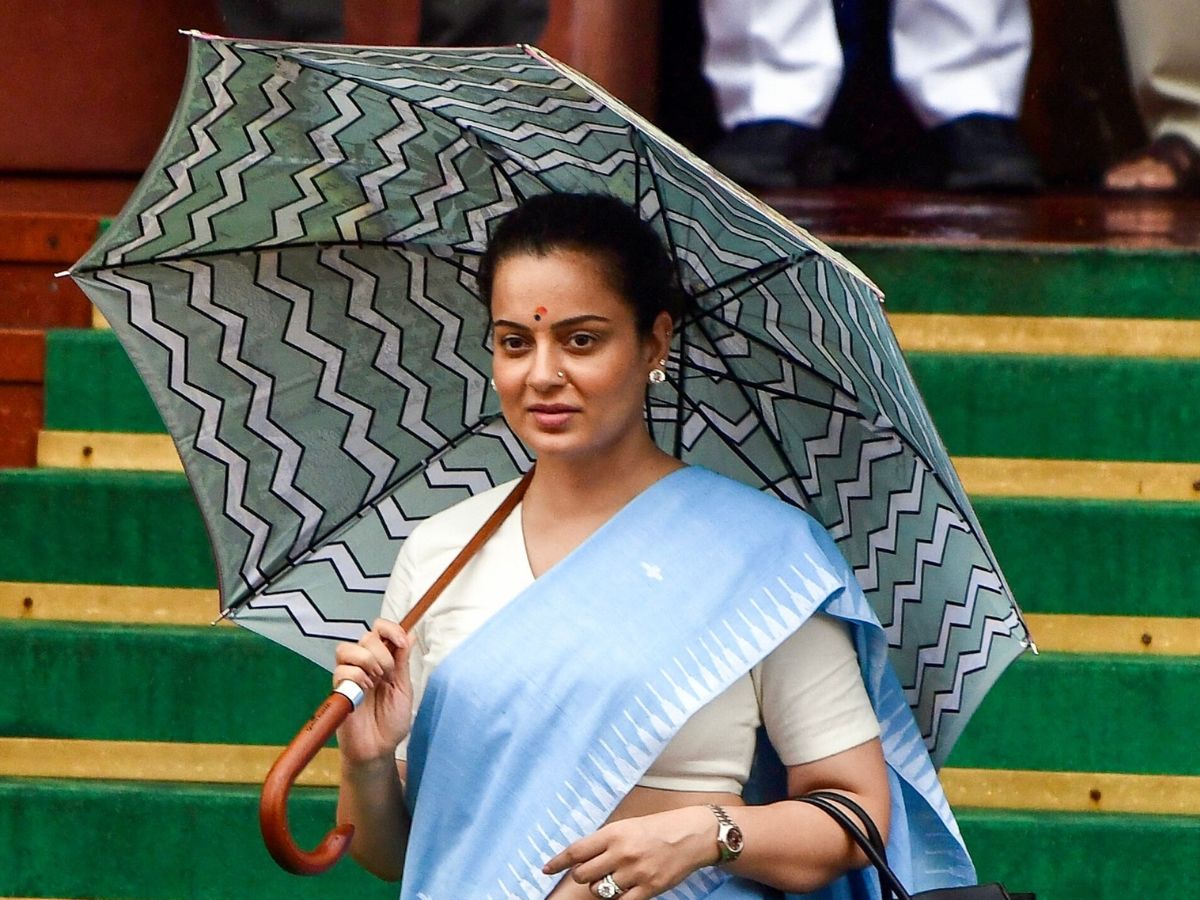
The transformation in Ranaut’s stance comes after significant backlash for her earlier remarks, which were perceived by many as harsh, dismissive, and lacking in empathy towards young people expressing legitimate concerns. Her latest pronouncements suggest a strategic recalibration, potentially influenced by the need to bridge generational divides and align with a more inclusive narrative, particularly as she embarks on her political journey.
)
A Stark Contrast: From Scathing Critique to High Praise
Ranaut’s initial broadside against Generation Z was unleashed in the wake of protests concerning the NEET (National Eligibility cum Entrance Test) paper leak. At the time, she shared videos of young demonstrators at Jantar Mantar, led by the Citizens for Justice and Peace (CJP), describing the footage as "puke-inducing" and expressing profound disappointment. Her Instagram post, which garnered widespread attention, articulated a deeply critical view: "Never in my life have I seen so much ugliness in one place," she stated, decrying the language and communication style of the protestors as "startling and obscene." She famously coined the term "Generation Gutter," further elaborating that these individuals "contribute little to the system, are academically deficient, and do not make good homemakers because of perceived ugliness and corruption." Her critique extended to what she termed "so-called westernised Indian women," whom she also broadly dismissed.

However, in her more recent statements, the tone has undergone a seismic shift. Speaking to reporters on Friday, Ranaut declared, "Gen Z is our nation’s strength and, in a sense, its greatest asset." She expressed her delight that young people are increasingly embracing and championing the nation’s culture and identity. "We are very happy that our young people are increasingly emerging as ambassadors of our culture and its identity," she was quoted as saying by The Indian Express.
)
Furthermore, Ranaut has gone as far as to suggest that Generation Z is actively integrated into the current government’s fabric. "Our government has been carrying out their mandate for a long time. Gen Z is fantastic," she asserted, attempting to draw a distinction between the perceived few who are critical and the broader demographic. "It’s not like the ten to fifteen abusers are members of Generation Z," she added, seemingly attempting to compartmentalize and mitigate the impact of her earlier generalizations.
)
A Nod to Tradition and Leadership
Adding another layer to her revised perspective, Ranaut invoked the name of Mohan Bhagwat, the Sarsanghchalak of the Rashtriya Swayamsevak Sangh (RSS). She stated, "We have also had the opportunity to listen to Mohan Bhagwat ji, whom we hold in the highest regard, and benefit from his wisdom and experience. It is a matter of great happiness that the country’s youth are connecting with us and embracing our cultural identity." This inclusion suggests an attempt to align the aspirations of Gen Z with the broader cultural and ideological framework championed by prominent nationalist organizations, framing their engagement with national identity as a positive development to be nurtured.
)
Chronology of a Controversial Stance
The narrative surrounding Kangana Ranaut’s evolving views on Generation Z can be charted through a series of public pronouncements and subsequent reactions:
)
- Weeks Prior to Current Statements: Following the NEET paper leak protests, Kangana Ranaut took to her social media platforms to express extreme disapproval of the Gen Z demonstrators. She shared videos of the protests, labeling the participants with derogatory terms such as "Generation Gutter," and criticizing their appearance, language, and perceived lack of contribution to society. This initial stance was met with significant criticism online.
- Public Backlash and Criticism: Ranaut’s "Generation Gutter" remarks ignited a firestorm on social media. Numerous users condemned her language as divisive, judgmental, and disrespectful towards young citizens exercising their democratic rights. Actor Sonu Sood publicly labeled her comments as "shameful," reflecting the widespread disapproval.
- "Friendship Day" Overture: In a seemingly conciliatory move following the backlash, Ranaut extended wishes to her "Gen Z friends" on Friendship Day. This gesture, while an attempt at reconciliation, was viewed by some as a superficial response to the deep-seated criticism her earlier remarks had generated.
- Recent Parliamentary Interactions: In her latest interactions with the press outside Parliament, Ranaut made a complete turnaround, praising Gen Z as a national asset and integrating them into the narrative of national strength and cultural resurgence. This marks the most significant shift in her public commentary on the demographic.
Supporting Data and Context
While Ranaut’s statements are largely opinion-based, the context of her remarks is rooted in broader societal trends and political discourse. Generation Z, typically defined as individuals born between the mid-to-late 1990s and the early 2010s, are characterized by their digital nativity, their engagement with social justice issues, and their often vocal participation in public discourse.
)
The NEET paper leak protests, which served as the catalyst for Ranaut’s initial criticism, are indicative of the growing activism among young Indians concerning issues of educational fairness, meritocracy, and systemic accountability. These protests involved significant use of social media for organization and dissemination of information, a hallmark of Gen Z’s engagement with civic issues.
)
Ranaut’s current praise for Gen Z’s embrace of cultural identity can be seen in the context of a broader national discourse that emphasizes the preservation and promotion of Indian traditions and values. Her reference to Mohan Bhagwat further underscores this connection, highlighting the appeal of cultural nationalism to certain segments of the youth.
)
Official Responses and Political Implications
While there have been no official statements from government bodies directly addressing Kangana Ranaut’s shifting opinions on Generation Z, her role as a BJP MP imbues her pronouncements with political weight. Her initial criticism was seen by many as an attempt to discredit and delegitimize youth-led protests, particularly those that may have been critical of the government or its policies.
)
Her subsequent U-turn, however, could be interpreted in several ways:
)
- Strategic Political Realignment: As a new entrant into parliamentary politics, Ranaut may be seeking to broaden her appeal and avoid alienating a significant demographic of young voters. The backlash she faced likely served as a lesson in the potential repercussions of strong, negative public statements.
- Embracing a Nationalist Narrative: Her current positive framing of Gen Z’s engagement with cultural identity aligns with the BJP’s broader narrative of cultural revival and national pride. By portraying Gen Z as active participants in this movement, she can potentially garner support for the party among the youth.
- Influence of Party Line: It is also possible that her revised stance reflects an internal party consensus or guidance on how to engage with the youth demographic, especially in the lead-up to future elections.
The juxtaposition of her "Generation Gutter" remark with her current "great asset" pronouncement highlights the fluidity of political rhetoric and the potential for rapid shifts in public messaging. Her invocation of Mohan Bhagwat suggests an attempt to position the embrace of cultural identity by Gen Z as a positive development that resonates with the ideological underpinnings of the ruling party and its affiliated organizations.
)
Implications and Future Outlook
Kangana Ranaut’s dramatic shift in perspective on Generation Z raises several important questions about public discourse, political accountability, and the role of youth in society.
)
Firstly, it underscores the power of public opinion and social media in holding public figures accountable for their statements. The widespread criticism she faced undoubtedly played a role in prompting her revised stance.
)
Secondly, it highlights the complex relationship between youth activism and established political power. While Gen Z is increasingly vocal on a range of issues, their engagement can be met with both support and dismissal from different political factions.
)
Thirdly, Ranaut’s journey from critic to advocate for Gen Z demonstrates the potential for evolving political strategies. Her current framing suggests an attempt to harness the energy and aspirations of the younger generation for political gain, by aligning them with a narrative of cultural strength and national progress.
)
As Kangana Ranaut continues her tenure as an MP, her public pronouncements will undoubtedly be watched closely. Her ability to navigate the complexities of intergenerational dialogue and her evolving relationship with Generation Z will be a significant aspect of her political journey and her impact on the broader national conversation. The question remains whether this U-turn represents a genuine shift in perspective or a calculated political maneuver, but its impact on the discourse surrounding young people in India is undeniable.
