

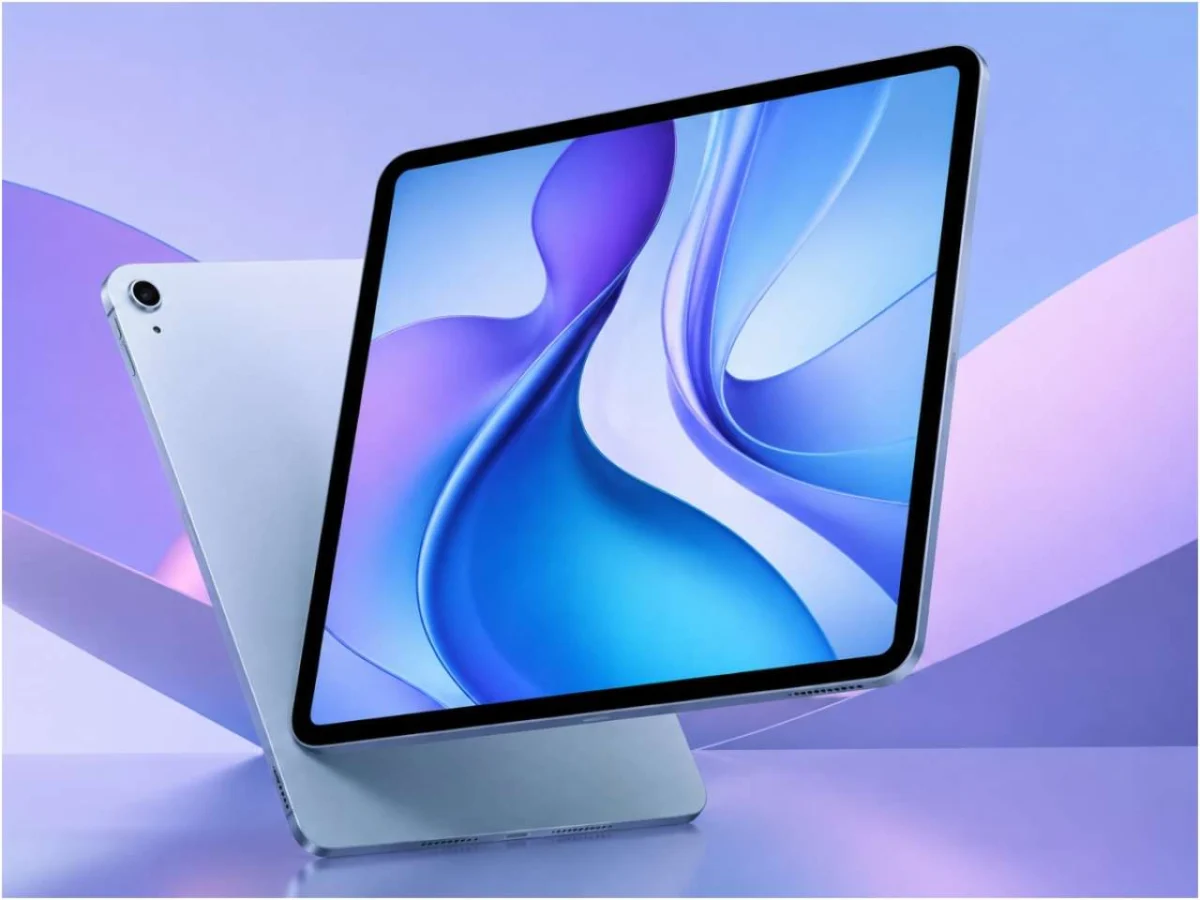
CUPERTINO, CALIFORNIA – August 1, 2026 – After nearly seven years of prioritizing internal performance enhancements, Apple’s venerable iPad Air is reportedly gearing up for its most transformative redesign since 2020. Industry whispers and supply chain insights suggest that the popular mid-range tablet will finally shed its familiar exterior in 2027, embracing a completely fresh aesthetic, a cutting-edge OLED display, and the formidable power of the next-generation M5 chip. This strategic shift marks a pivotal moment for the iPad Air, promising to redefine its role within Apple’s tablet ecosystem and invigorate the broader tablet market.
The Dawn of a New Era for iPad Air: Main Facts Unveiled
For years, the iPad Air has served as Apple’s sweet spot, expertly balancing premium features with a more accessible price point than its Pro counterpart. However, its external design, while still elegant, has remained largely consistent since its significant refresh in 2020. During this period, Apple meticulously focused on iterating the device’s internal architecture, equipping it with increasingly powerful M-series silicon – from the M1 to the current M4 chip – without altering its fundamental form factor. This consistent design language has, until now, made it the longest-running external design in Apple’s contemporary tablet lineup.
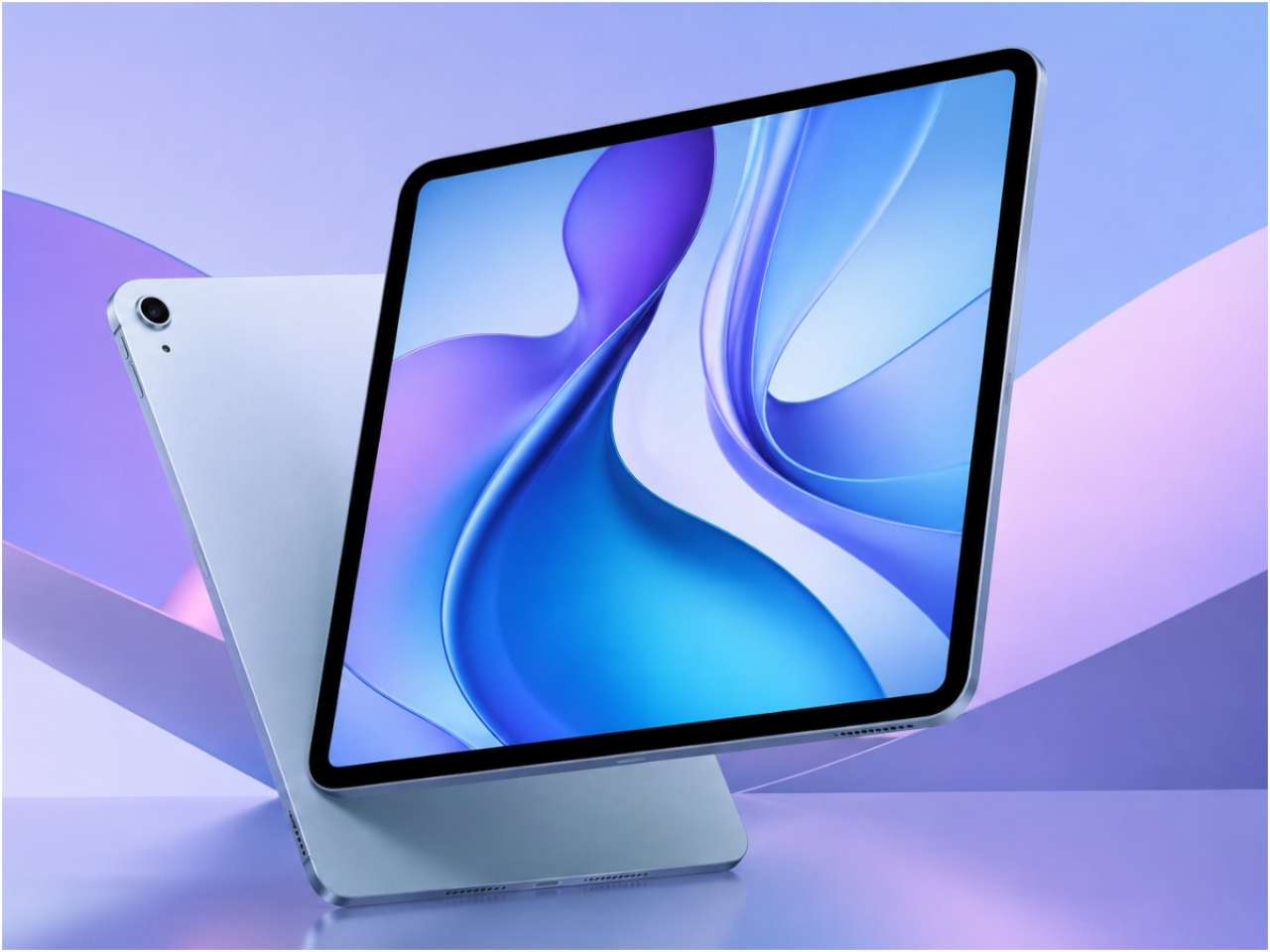
The impending 2027 overhaul, if reports hold true, signals a dramatic departure from this strategy. The core tenets of this rumored redesign revolve around three major pillars:
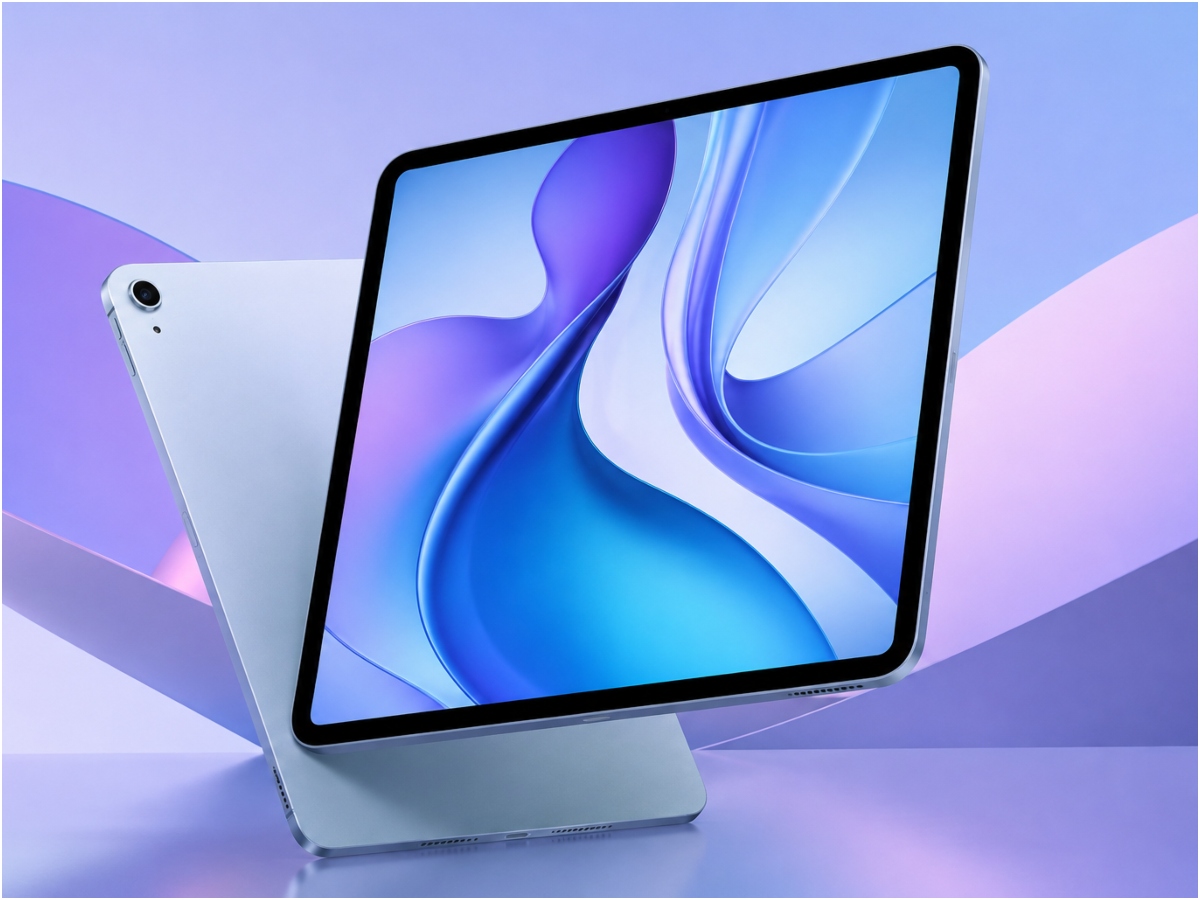
- A Completely New External Design: Moving beyond subtle refinements, the iPad Air is expected to adopt a fresh industrial design, likely drawing inspiration from the thinner, lighter profile introduced with the 2024 iPad Pro.
- Revolutionary OLED Display Technology: A significant leap from the current LCD, the integration of an OLED panel promises unparalleled visual fidelity, including deeper blacks, superior contrast ratios, enhanced color accuracy, and improved power efficiency. Samsung Display is reportedly poised to be a primary supplier for these single-stack LTPS OLED panels.
- The Potent M5 System-on-a-Chip (SoC): As Apple continues its relentless pursuit of silicon excellence, the M5 chip is anticipated to deliver substantial gains in processing power, graphical capabilities, and, crucially, a vastly improved Neural Engine to support advanced Artificial Intelligence (AI) features.
This comprehensive upgrade package is not merely an incremental update; it represents a strategic repositioning of the iPad Air, aiming to inject fresh innovation into a product line that has long relied on its internal might.
)
A Chronological Journey: The Evolution of the iPad Air and Apple’s Tablet Strategy
To fully appreciate the significance of the rumored 2027 redesign, it’s essential to trace the iPad Air’s journey and Apple’s broader tablet philosophy.
The Genesis: A Lighter, Thinner Pro Alternative (2013-2019)
The original iPad Air, launched in 2013, was a groundbreaking device. It introduced a significantly thinner and lighter chassis compared to its predecessors, hence the "Air" moniker, effectively bridging the gap between the base iPad and the more powerful, professional-grade models. Subsequent iterations, such as the iPad Air 2 (2014) and the third-generation iPad Air (2019), continued this tradition, offering a compelling blend of portability and performance, often adopting design cues from the iPad Pro of their respective eras, but with slightly less advanced features and a more accessible price.

The 2020 Redesign: A Modern Blueprint for the Mid-Range
The fourth-generation iPad Air, unveiled in 2020, marked a pivotal moment. It embraced the flat-edged, industrial design language pioneered by the iPad Pro, moving away from the curved edges of previous models. This refresh introduced a larger, edge-to-edge Liquid Retina display, integrated Touch ID into the power button, and transitioned to the versatile USB-C port. Critically, it also became the first iPad Air to support the second-generation Apple Pencil and the Magic Keyboard, blurring the lines between the Air and Pro models in terms of accessory compatibility and productivity potential. This 2020 design established the external template that has persisted to this day.
The Era of Internal Dominance (2020-2027): A Silicon-First Approach
Following the 2020 redesign, Apple shifted its focus almost exclusively to internal hardware upgrades for the iPad Air. This period saw the tablet benefit immensely from Apple’s groundbreaking M-series chips:
)
- M1 (2022): The fifth-generation iPad Air was the first mid-range iPad to receive a desktop-class chip, the M1. This move propelled the Air into a new league, offering performance that rivaled many laptops and significantly outstripped its tablet competitors.
- M2 (Not directly in Air, but contextual): While the Air skipped the M2, the Pro models adopted it, further pushing the boundaries of tablet performance.
- M3 (Not directly in Air, but contextual): Similar to M2, the M3 continued to advance Apple’s silicon prowess, setting the stage for future iPad iterations.
- M4 (2024): The latest iPad Air models (6th generation, 2024) were equipped with the M4 chip, a testament to Apple’s commitment to bringing its most advanced silicon to a wider range of devices. This chip brought even greater CPU and GPU performance, alongside a significantly enhanced Neural Engine tailored for AI workloads.
This seven-year span of internal-only upgrades, while delivering staggering performance gains, created a growing expectation for an external refresh. The consistency of the 2020 design, while functional, began to feel less "new" as other Apple products, notably the iPad Pro, evolved. Apple’s rationale likely involved several factors: optimizing manufacturing costs, maximizing the lifespan of a successful design, and prioritizing the monumental task of developing and integrating its M-series chips across its product lines.
The iPad Pro Precedent (2024): Paving the Way for OLED and Ultra-Thin Designs
A crucial piece of the chronological puzzle is the 2024 refresh of the iPad Pro. This generation was a landmark, introducing Apple’s first OLED display on an iPad (branded as "Ultra Retina XDR") and showcasing an unprecedentedly thin and light chassis. The 13-inch iPad Pro, in particular, became the thinnest Apple product ever. This bold move by Apple effectively set a new benchmark for premium tablets and, more importantly, demonstrated the company’s capability and willingness to implement these advanced technologies across its tablet lineup. The success and positive reception of the 2024 iPad Pro’s design and display technology provide a strong precedent for the rumored 2027 iPad Air overhaul.
)
The anticipation for 2027 isn’t merely about incremental updates; it’s about the iPad Air finally catching up to and re-establishing its own visual identity and technological leadership in the mid-range segment, leveraging the innovations first introduced in its Pro sibling.
Supporting Data: A Deep Dive into Rumored Features and Market Context
The reports circulating about the 2027 iPad Air are rich with details, painting a picture of a device that will be significantly more advanced than its predecessors.
)
The Lure of OLED: A Visual Revolution
The most impactful change expected for the iPad Air is the adoption of an OLED (Organic Light-Emitting Diode) display. This technology represents a substantial upgrade from the current Liquid Retina LCD panels, offering a myriad of benefits:
- Perfect Blacks and Infinite Contrast: Unlike LCDs, which rely on a backlight, each pixel in an OLED display emits its own light. This allows pixels to be completely turned off, resulting in true, inky blacks and an infinite contrast ratio, making images "pop" with incredible depth.
- Vibrant and Accurate Colors: OLED panels typically offer a wider color gamut and superior color accuracy, bringing photos, videos, and graphics to life with breathtaking realism.
- Faster Response Times: OLED pixels can change states much faster than LCDs, leading to smoother motion, less ghosting, and a more responsive feel, particularly beneficial for gaming and fast-paced content.
- Improved Power Efficiency (for dark content): While OLED can consume more power for bright, all-white screens, it is significantly more power-efficient when displaying dark content, as individual pixels are off. This could translate to better battery life for users who often view dark mode interfaces or watch movies with many dark scenes.
- Thinner Display Assembly: OLED panels are inherently thinner as they don’t require a separate backlight layer, contributing to the overall slimness of the device.
The reports specifically mention Samsung Display supplying single-stack LTPS OLED panels. Let’s break down what this means:
)
- LTPS (Low-Temperature Polycrystalline Silicon): This backplane technology allows for smaller transistors and higher electron mobility, enabling higher pixel density, faster refresh rates, and improved power efficiency compared to amorphous silicon (a-Si) used in older LCDs. It’s a standard for high-performance mobile displays.
- Single-Stack OLED: This refers to the configuration of the OLED emissive layers. A single-stack design means there is one layer of red, green, and blue emissive material. While excellent, it’s generally more cost-effective and can have a shorter lifespan or lower peak brightness compared to a "two-stack" or "tandem-stack" OLED structure, which layers emissive materials for enhanced brightness and longevity. Apple’s iPad Pro (2024) utilizes a tandem-stack OLED, indicating a potential differentiation strategy where the Air gets a premium OLED experience, but the Pro retains an even more advanced, brighter, and potentially longer-lasting version. This ensures the Pro maintains its "ultimate" display status while the Air still receives a substantial upgrade over LCD.
The M5 Chip: Fueling the Future of AI on iPad
The integration of Apple’s next-generation M5 chip is another cornerstone of the 2027 iPad Air’s anticipated enhancements. Building upon the already formidable M4, the M5 is expected to deliver:
- Faster Performance: Incremental yet significant gains in CPU and GPU performance, ensuring seamless multitasking, demanding content creation, and high-fidelity gaming.
- Improved Battery Efficiency: Each successive M-series chip has brought not just more power but also greater efficiency, translating to longer battery life even with more intensive workloads.
- Advanced AI-Powered Features: This is where the M5 is truly expected to shine. Apple has been aggressively investing in on-device AI capabilities, as evidenced by the M4’s powerful Neural Engine. The M5 will likely feature an even more robust Neural Engine, capable of executing complex AI tasks directly on the device. This could unlock a host of new features:
- Enhanced Generative AI: More sophisticated text generation, image manipulation, and content creation tools.
- Proactive Assistance: A more intelligent Siri, contextual suggestions, and personalized experiences across apps.
- Advanced Image and Video Processing: Real-time AI enhancements for photos and videos, superior object recognition, and more powerful editing capabilities.
- Accessibility Improvements: AI-driven features to assist users with various needs.
These AI capabilities will be crucial as Apple continues to integrate its "Apple Intelligence" framework across its devices, making the iPad Air a central hub for smart, adaptive computing.
A Completely Redesigned Chassis: Thinness and Aesthetics
Beyond the internal components, the "completely new design" refers to a significant overhaul of the iPad Air’s physical form. Following the precedent set by the 2024 iPad Pro, the Air is expected to feature:
)
- A Thinner and Lighter Profile: Apple consistently strives for thinner and lighter devices. The OLED panel’s inherent slimness will facilitate this, potentially making the 2027 iPad Air one of the slimmest tablets on the market, enhancing its portability and appeal.
- Refined Aesthetics: While retaining the modern flat-edged design, subtle refinements to the chassis, bezels, and perhaps even camera bump could be introduced. The goal is likely a sleeker, more contemporary look that visually distinguishes it from the 2020 design.
- Potential Material Changes: While still predominantly aluminum, Apple’s ongoing commitment to sustainability might lead to the use of more recycled materials or even new finishes.
- Accessory Compatibility: A new design might necessitate new accessories, such as a redesigned Magic Keyboard and potential updates to the Apple Pencil to leverage new capabilities or a more integrated design.
Market Positioning and Segmentation:
The introduction of OLED and a new design for the iPad Air raises important questions about Apple’s tablet segmentation. With a base iPad, the Air, and the Pro, Apple maintains a tiered product strategy. The 2027 Air, with its premium display and powerful chip, will likely further blur the lines with the Pro, especially for users who don’t require the absolute bleeding edge of performance or the Pro’s unique features like ProMotion (higher refresh rates) or tandem-stack OLED. Apple will need to carefully calibrate the pricing and feature set of the Air to ensure it remains a distinct and compelling option without cannibalizing Pro sales or making the base iPad seem redundant. It could solidify the Air as the "prosumer" choice, ideal for advanced users who aren’t necessarily professionals but demand high performance and a premium experience.
Official Responses: Apple’s Silence and the Whispers of the Supply Chain
As is customary with Apple, there has been no official confirmation or denial regarding any of these rumored updates and upgrades for the 2027 iPad Air. Apple maintains a notoriously tight-lipped policy regarding unreleased products, a strategy that serves multiple purposes:
)
- Preventing Cannibalization: Announcing future products too early can deter customers from purchasing current models, impacting sales.
- Controlling the Narrative: Apple prefers to unveil its innovations on its own terms, in carefully orchestrated launch events, ensuring maximum impact and message control.
- Flexibility in Development: Product development cycles are dynamic, and specifications can change. By not committing early, Apple retains the flexibility to adjust plans without public retraction.
Despite this official silence, the tech world thrives on leaks and rumors. These reports often originate from a combination of sources:
- Supply Chain Insights: Manufacturers of components (like display panels from Samsung Display, or chip foundries) often have early knowledge of Apple’s product plans.
- Industry Analysts: Reputable analysts with deep connections within the tech industry often publish reports based on their findings. While the original article references a generic "recent reports" and "AppleDrop" on X (formerly Twitter), major figures like Mark Gurman of Bloomberg or Ming-Chi Kuo are known for their accurate predictions based on supply chain intelligence.
- Developer Beta Releases: Occasionally, hints of future hardware can be found within software code.
The consistent nature of these leaks, particularly regarding the OLED display and the M5 chip, lends significant credibility to the possibility of a major 2027 redesign. The sheer scale of the rumored changes suggests that these are not minor adjustments but fundamental shifts in product strategy that require long lead times for component sourcing and manufacturing.
)
Implications: Reshaping the Tablet Landscape and Apple’s Future Vision
The rumored 2027 iPad Air redesign carries profound implications for consumers, Apple, and the broader tablet market.
For Consumers:
)
- Elevated User Experience: Users can anticipate a vastly improved visual experience with the OLED display, making everything from browsing to media consumption and creative work more immersive and enjoyable. The M5 chip will ensure that the iPad Air remains a powerhouse for years to come, capable of handling the most demanding applications and AI-driven workflows.
- Enhanced Productivity and Creativity: With advanced processing and AI capabilities, the iPad Air could become an even more indispensable tool for students, professionals, and creatives, offering features previously exclusive to higher-end devices.
- Potential Price Adjustments: While the Air traditionally sits below the Pro in price, the integration of advanced and more expensive components like OLED could lead to a price increase. Apple will face the challenge of justifying this potential increase while maintaining the Air’s value proposition. The current Indian pricing (e.g., Rs 89,900 for the 11-inch 128GB model) might see an upward revision.
- Longer Upgrade Cycles: A significantly upgraded iPad Air could encourage users of older iPads to finally upgrade, and for new users, it offers a device that is more future-proof, extending the effective lifespan before feeling outdated.
For Apple:
- Reinforced Market Leadership: The tablet market, while mature, remains competitive. A revolutionary iPad Air would solidify Apple’s dominance, especially in the premium segment, fending off challenges from Android tablets.
- Innovation Perception: The redesign demonstrates Apple’s continued commitment to innovation beyond just internal silicon. It showcases their ability to integrate cutting-edge display technology and advanced AI into a widely accessible product.
- Ecosystem Cohesion: The M5 chip and its AI capabilities will undoubtedly play a crucial role in Apple’s overarching strategy for "Apple Intelligence," ensuring the iPad Air remains a core component of a seamlessly integrated and intelligent ecosystem across iOS, iPadOS, and macOS.
- Manufacturing and Supply Chain Challenges: Scaling OLED production for a mass-market device like the iPad Air will present significant manufacturing and logistical challenges, requiring robust partnerships with suppliers like Samsung Display.
- Sustainability Goals: Apple’s commitment to environmental responsibility will likely influence the design and materials used, potentially incorporating more recycled content and aiming for a smaller carbon footprint.
For Competitors:
)
- Increased Pressure to Innovate: A highly upgraded iPad Air will undoubtedly put immense pressure on Android tablet manufacturers. Rivals will need to accelerate their own development in areas like display technology, custom silicon, and AI integration to remain competitive in the mid-to-high-end tablet space.
- Strategic Repositioning: Competitors might need to rethink their own product strategies, either by focusing more on niche markets or by attempting to match Apple’s advancements, which can be costly.
Long-Term Vision for the iPad Lineup:
The 2027 iPad Air could be seen as a stepping stone towards Apple’s broader long-term vision for the iPad. As computing paradigms shift towards more immersive experiences (e.g., augmented reality, spatial computing with devices like the Apple Vision Pro), powerful displays and advanced on-device AI will become increasingly critical. The iPad Air’s evolution ensures it remains a relevant and powerful platform, capable of adapting to future technological demands and user expectations. It suggests a future where even Apple’s "mid-range" devices offer truly premium experiences, further blurring the lines between tablets and traditional computers.
Conclusion: A Resurgence on the Horizon
The reports pointing to a comprehensive redesign of the Apple iPad Air in 2027 signify more than just an incremental product update. It represents a strategic re-energizing of a beloved device, a commitment to bringing cutting-edge display technology and powerful AI capabilities to a broader audience. While Apple’s official silence remains, the consistency of these rumors, coupled with Apple’s historical product evolution and the precedent set by the 2024 iPad Pro, paints a compelling picture of a tablet poised for a monumental resurgence.
)
When it eventually arrives, the 2027 iPad Air, with its anticipated OLED display, M5 chip, and fresh design, is expected to become one of the most significant upgrades in the device’s history, setting a new benchmark for what a mid-range tablet can achieve and cementing its position as a cornerstone of Apple’s innovative ecosystem.
Current Apple iPad Air Price in India (Contextual):
For reference, the current edition of the iPad Air is available in 11-inch and 13-inch models and four vibrant colors: Space Grey, Blue, Purple, and Starlight. The 11-inch version in India is priced as follows:
)
- 128GB: Rs 89,900
- 256GB: Rs 101,900
- 512GB: Rs 125,900
- 1TB: Rs 161,900
These prices are subject to change and will likely be influenced by the advanced technology integrated into the rumored 2027 model.
