

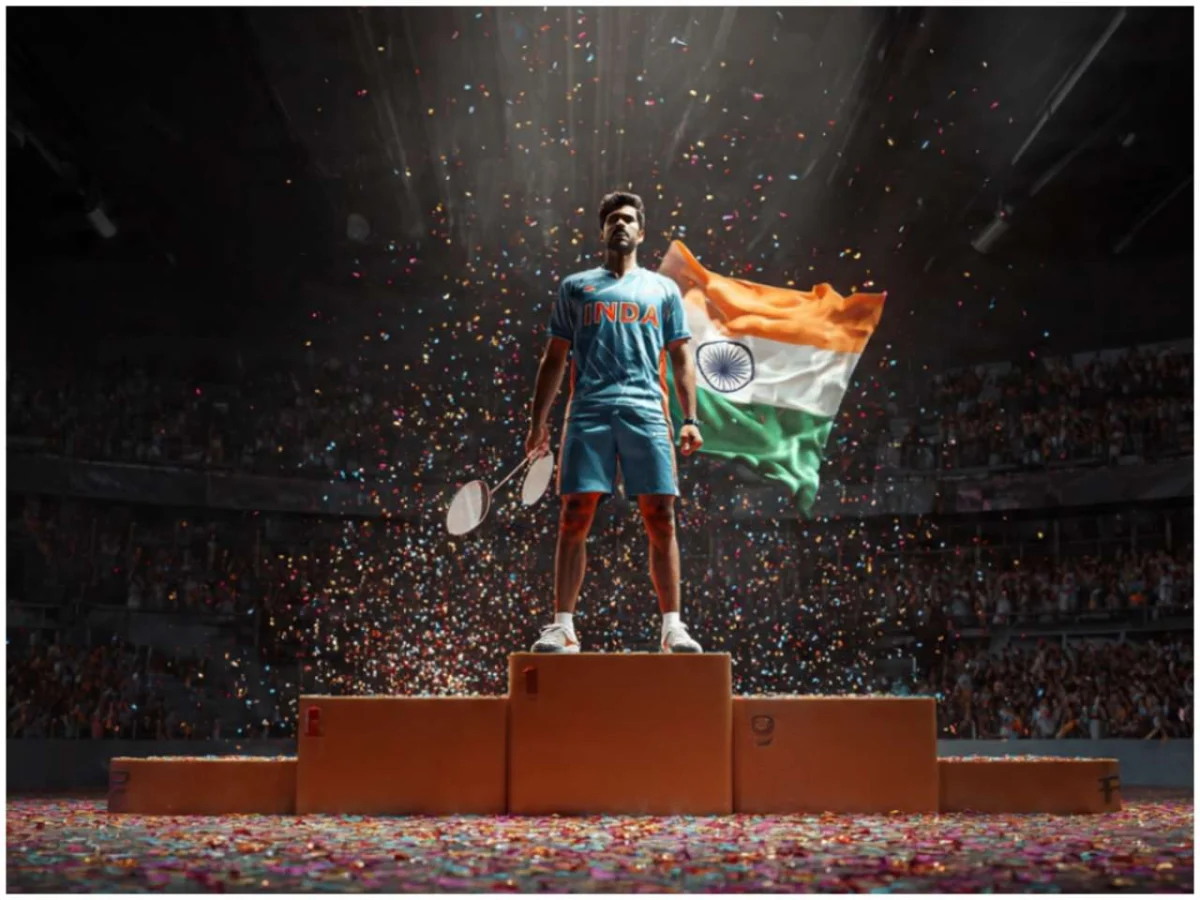
New Delhi, [Insert Date] – The year 2026 has etched itself into the annals of Indian sports history as a watershed moment for badminton. With shuttlers clinching an unprecedented five major international titles across singles and doubles, India’s presence on the global badminton stage has demonstrably transformed from sporadic individual brilliance to a robust, systemic powerhouse. This remarkable surge is not merely a fleeting success but a vivid testament to a meticulously cultivated athlete-development system, spearheaded by government initiatives like Khelo India and the Target Olympic Podium Scheme (TOPS), which are now bearing fruit across all levels of the sport.
The headlines of 2026 were dominated by a diverse array of champions, showcasing both the enduring might of established stars and the thrilling emergence of a new generation. Asmita Chaliha’s commanding victory at the Korea Masters, Tanvi Sharma’s breakthrough triumph at the Thailand Open, PV Sindhu’s timeless mastery at the Japan Open, Devika Sihag’s impressive claim of the Thailand Masters, and the formidable men’s doubles duo of Satwiksairaj Rankireddy and Chirag Shetty lifting the Singapore Open title collectively painted a picture of a nation truly coming into its own in the world of shuttlecock and net. This confluence of achievements underscores a profound shift, demonstrating that India’s badminton ecosystem is now equipped to consistently produce world-beaters.
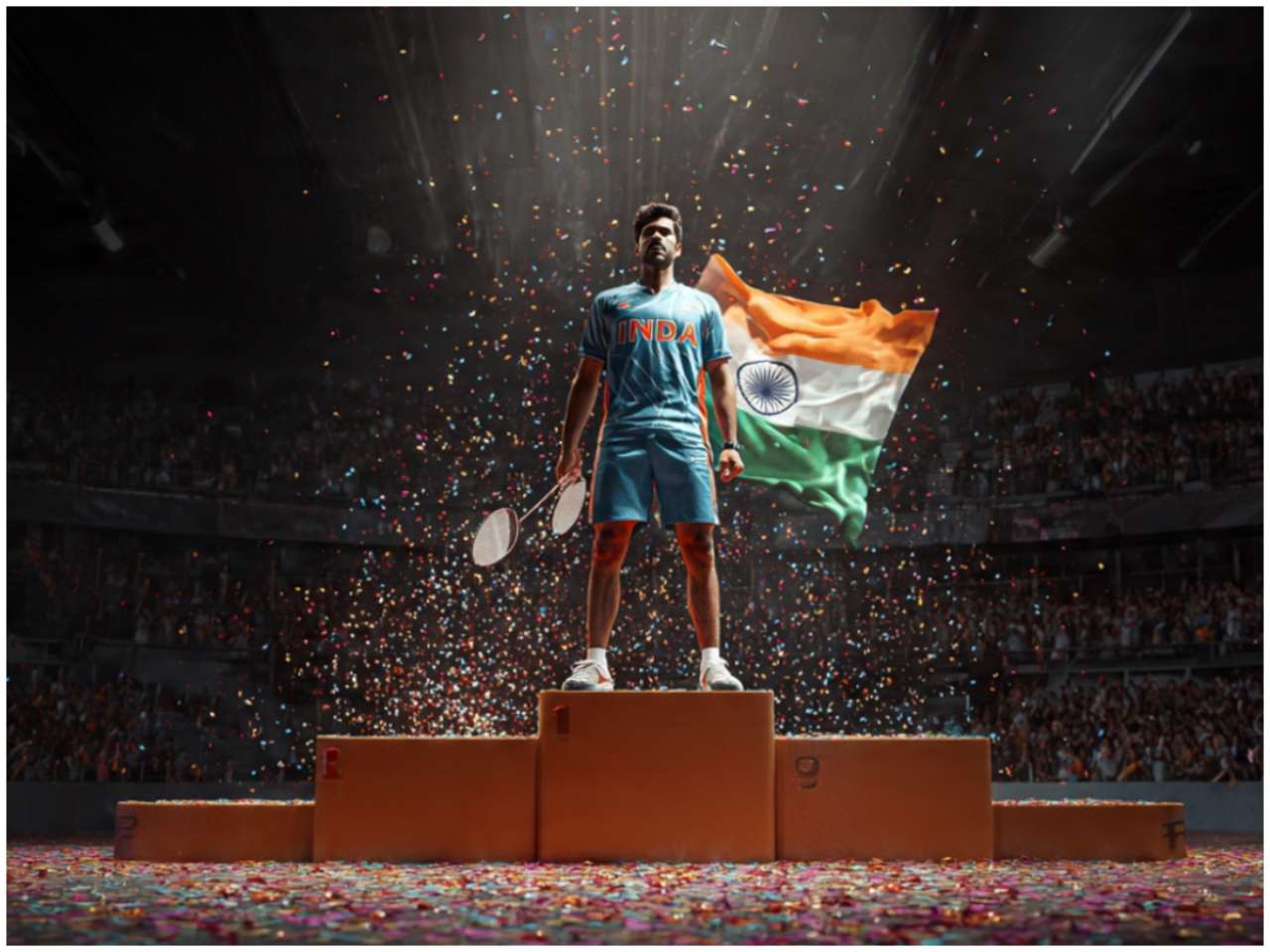
The Golden Year of 2026: A Roll Call of Champions
The year began with a palpable buzz, and Indian shuttlers wasted no time in converting potential into podium finishes. The five international titles clinched in 2026 were a powerful declaration of intent, affirming India’s rising stature in the fiercely competitive world of badminton.
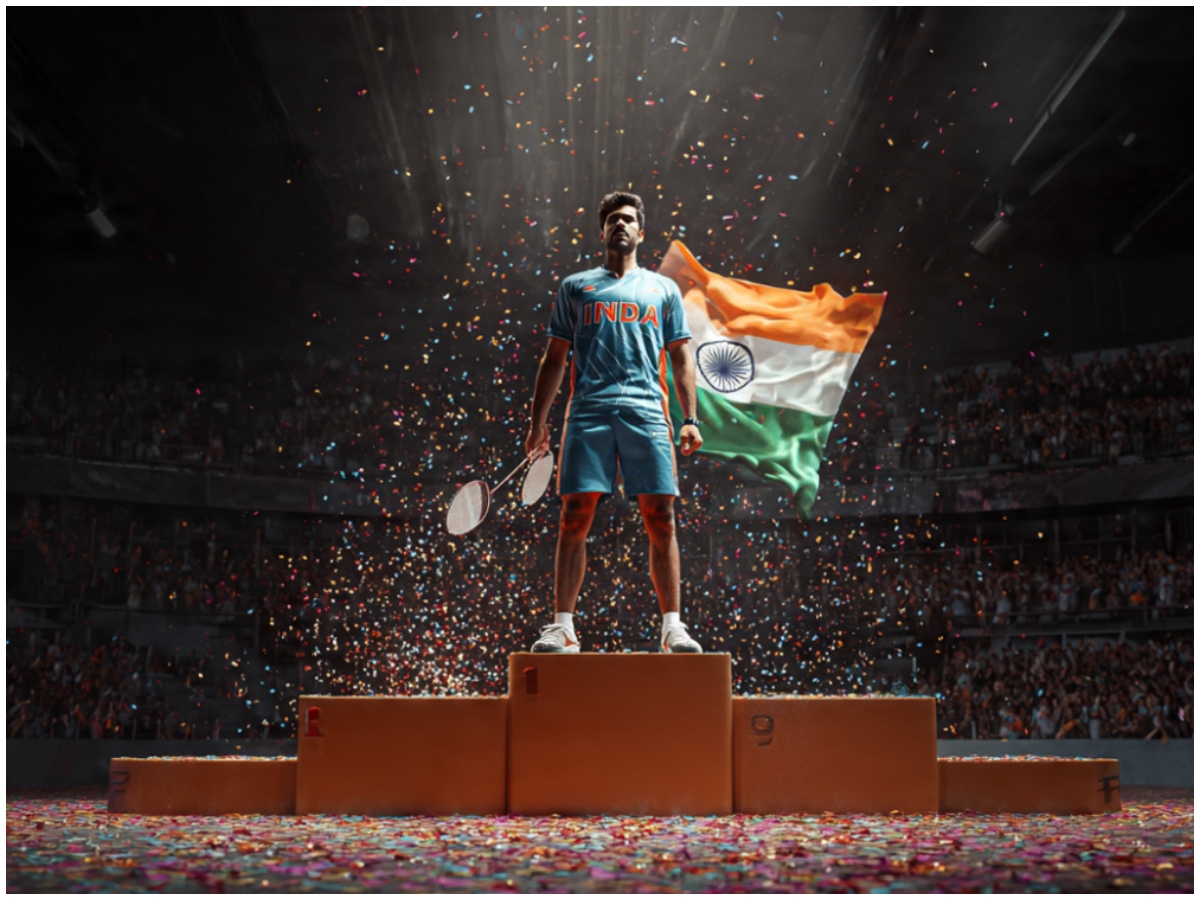
PV Sindhu’s Enduring Legacy: Arguably the most recognizable face in Indian badminton, PV Sindhu continued to defy expectations, proving that her hunger for success remains insatiable. Her triumph at the prestigious Japan Open was a masterclass in resilience and tactical brilliance, reminding the world of her unwavering class. This victory was not just another title for Sindhu; it was a beacon for aspiring athletes, demonstrating that sustained excellence requires not only talent but also continuous adaptation and relentless dedication. Her ability to stay at the pinnacle of the sport, even as new talents emerge, speaks volumes about the support system that allows veterans to prolong their careers and maintain peak performance.
)
Satwiksairaj Rankireddy and Chirag Shetty: Men’s Doubles Dominance: The dynamic duo of Satwiksairaj Rankireddy and Chirag Shetty further solidified their reputation as one of the world’s most formidable men’s doubles pairs. Their electrifying performance at the Singapore Open, culminating in yet another major title, underscored India’s growing strength beyond singles categories. Their aggressive, synchronized play and unwavering mental fortitude have made them a consistent threat on the BWF World Tour, and their success in 2026 was a reaffirmation of their status as torchbearers for Indian men’s doubles. Their win was a testament to specialized coaching, strategic planning, and the physical conditioning provided through national programs.
The Rise of the Young Guard: While established stars continued to shine, 2026 was equally significant for the emergence of fresh talent.

- Asmita Chaliha made a significant statement with her victory at the Korea Masters. Her journey to the title was marked by powerful smashes and agile court coverage, signaling her readiness to challenge higher-ranked opponents. Her win, particularly in a strong badminton nation like Korea, highlighted the growing confidence and skill of India’s emerging singles players.
- Tanvi Sharma’s fairytale run to claim the Thailand Open title was perhaps one of the most exciting narratives of the year. Still in her formative years, Sharma displayed maturity beyond her age, combining deft touch with relentless energy. Her victory sent ripples through the badminton world, marking her as a player with immense potential and a bright future.
- Devika Sihag added to the tally with her impressive performance at the Thailand Masters. Her triumph showcased the depth of talent bubbling beneath the surface, proving that India’s talent pipeline is robust and capable of producing multiple champions simultaneously. These victories by younger players are particularly encouraging, as they validate the long-term investment in grassroots development and talent identification programs.
This collective success underscores a broader narrative: Indian badminton is no longer reliant on a handful of superstars. The widespread victories in 2026 illustrate a systemic growth, where both seasoned campaigners and promising youngsters are thriving, a direct result of comprehensive planning and investment.
From Sporadic Brilliance to Systemic Excellence: The Underlying Transformation
For decades, Indian badminton often celebrated individual triumphs – from Prakash Padukone’s All England Open victory in 1980 to Pullela Gopichand’s similar feat in 2001, and later, the sustained brilliance of Saina Nehwal and PV Sindhu. These were moments of immense pride, but they often felt like isolated peaks rather than part of a continuous mountain range. The year 2026, however, presented a different picture: one of a well-oiled machine consistently churning out champions. This shift is attributable to a more structured, pervasive athlete-development system.
)
The bedrock of this transformation lies in two pivotal government initiatives: Khelo India and the Target Olympic Podium Scheme (TOPS). These programs have collectively revolutionized the approach to sports development in India, moving beyond ad-hoc support to a strategic, multi-layered framework.
Khelo India: Nurturing Talent from the Grassroots
Khelo India, launched with the vision of transforming India into a global sporting nation, has been instrumental in expanding the base of sports participation and identifying talent at a nascent stage. Its philosophy is simple yet profound: create a widespread sporting culture, provide accessible infrastructure, and offer structured pathways for athletes to progress.
)
- Expanded Grassroots Training: Khelo India has established a vast network of training centers across the country. As of July 2026, the government reported a staggering 1,067 Khelo India Centres and 267 supported academies. These facilities serve as crucial hubs for young athletes to begin their sporting journeys, providing initial coaching, equipment, and a competitive environment. For badminton, this means thousands of children now have access to quality courts and basic coaching, fostering a larger pool of potential champions.
- Infrastructure Development: The program has focused heavily on upgrading and building new sports facilities. By July 2026, the government had approved 349 new sports infrastructure projects worth an impressive Rs 3,176 crore. This investment ensures that athletes, especially in badminton, have access to modern courts, training halls, and ancillary facilities, which are critical for skill development and injury prevention.
- Athlete Support: Beyond infrastructure, Khelo India provides direct support to identified talent, including scholarships, coaching, and allowances, ensuring that financial constraints do not hinder promising athletes from pursuing their dreams. This comprehensive support system allows athletes to focus entirely on their training and development.
TOPS: Elevating Elite Performance
While Khelo India focuses on building the foundation, the Target Olympic Podium Scheme (TOPS) is designed to propel elite athletes to international glory. TOPS provides high-performance athletes with specialized support to compete at the highest levels, including the Olympics and World Championships.
- Comprehensive Funding: TOPS offers substantial funding to identified elite athletes, covering a wide array of needs critical for international success. This includes expenses for foreign training stints, which expose athletes to diverse coaching methodologies and sparring partners; participation in international competitions, crucial for gaining experience and ranking points; organizing specialized coaching camps with top international coaches; and procuring state-of-the-art specialized equipment, which can make a significant difference in performance.
- Holistic Development: The scheme emphasizes a holistic approach to athlete development, incorporating sports science, nutrition, psychology, and rehabilitation. This ensures that athletes are not only physically prepared but also mentally robust and capable of handling the immense pressure of elite competition. The integration of these disciplines allows for a data-driven approach to training, optimizing every aspect of an athlete’s preparation.
The synergy between Khelo India and TOPS is undeniable. Khelo India acts as the wide net, capturing and nurturing talent at the grassroots, while TOPS refines and polishes the brightest gems, equipping them with the resources needed to conquer the world stage. This two-pronged strategy is precisely why India’s stronger badminton outcomes in 2026 reflect a broader and more structured athlete-development system, rather than just reliance on a few established stars.
)
Building the Foundation: Infrastructure and Ecosystem Development
The tangible improvements in India’s sports infrastructure have played a pivotal role in strengthening the entire ecosystem where badminton players train and compete. The focus has been on creating an environment conducive to continuous improvement, from basic training to elite-level performance.
The Ministry of Youth Affairs and Sports, currently under the dynamic leadership of Mansukh Mandaviya, has been at the forefront of this infrastructural overhaul. Their reports in 2026 highlighted not only the physical expansion of facilities but also the qualitative improvements in athlete support. The induction of badminton athletes under Khelo India, coupled with robust academy support, access to expert coaching, and athlete allowances, signifies a deep commitment to nurturing talent.
)
The 2026 Khelo India framework placed an unprecedented emphasis on integrating modern sports science into athlete development. This includes:
- Sports Science: Utilizing biomechanics, exercise physiology, and performance analysis to optimize training regimens and prevent injuries.
- Nutrition: Providing tailored dietary plans to meet the specific energy and recovery needs of high-performance athletes.
- Psychology: Offering mental conditioning and psychological support to enhance focus, resilience, and competitive temperament.
- Rehabilitation: Ensuring swift and effective recovery from injuries, allowing athletes to return to play stronger and safer.
- Data-based Athlete Development: Employing analytics to track progress, identify areas for improvement, and personalize training programs, moving away from generic approaches to highly individualized plans.
For elite players, TOPS augments these services by providing additional assistance for overseas training, participation in international competitions, advanced coaching camps, and access to specialized, cutting-edge equipment. This comprehensive infrastructure and support system ensures that Indian shuttlers are not just training hard, but training smart, with every possible advantage at their disposal.
)
The Coaching Revolution: Nurturing Talent from Grassroots to Elite
Beyond facilities and funding, the quality of coaching is arguably the most critical determinant of sporting success. India’s recent badminton triumphs are a clear indicator that a significant revolution has taken place in its coaching methodologies and structures. The focus has decisively moved beyond basic training towards specialized coaching, integrating advanced sports science, psychology, performance analysis, and athlete safety protocols.
A landmark development in this regard was the formation of the Ministry of Youth Affairs and Sports’ 2026 coaching task force, led by none other than national badminton legend and revered coach, Pullela Gopichand. His vision, deeply rooted in both his playing and coaching experience, has been instrumental in shaping the new coaching paradigm. The task force recommended a structured coaching pathway designed to seamlessly guide athletes from the grassroots level to elite international competition. This pathway emphasizes:
)
- Practical Training: Moving away from purely theoretical approaches to more hands-on, adaptive, and match-scenario-based training.
- Integration of Sports Science: Ensuring that coaches are not just teaching techniques but are also informed by the latest in sports science, using data to monitor athlete development, prevent overtraining, and optimize performance.
- Continuous Professional Development: Investing in the training and upskilling of coaches themselves, ensuring they remain updated with global best practices and modern coaching techniques.
- Athlete-Centric Approach: Tailoring coaching methods to individual athlete needs, recognizing that each player has unique strengths, weaknesses, and learning styles.
This structured approach ensures that talent is identified early and nurtured consistently with expert guidance throughout an athlete’s career. The impact is evident in the technical prowess and tactical acumen displayed by both established players like Sindhu and the emerging talents like Chaliha, Sharma, and Sihag. Gopichand’s leadership in this transformation signals a long-term commitment to developing a world-class coaching ecosystem capable of producing a steady stream of international champions.
Bridging the Gap: International Exposure and Competition
To compete with the world’s best, athletes must regularly test their skills against them. The Indian badminton ecosystem has significantly enhanced opportunities for international exposure, which has been a critical factor in the recent surge of success. This exposure helps players understand different playing styles, adapt to varying conditions, and build the mental fortitude required for high-stakes international tournaments.
)
Through TOPS and the Annual Calendar for Training and Competitions (ACTC), Indian athletes receive robust support to train abroad and compete at major international events.
- Foreign Training: Short and long-term training stints in badminton powerhouses like Malaysia, Indonesia, and Denmark allow Indian shuttlers to spar with top players, learn from different coaching philosophies, and experience diverse training environments. This cross-cultural exchange of knowledge and techniques is invaluable.
- International Competitions: Regular participation in the BWF World Tour, Grand Prix events, and other major championships is crucial. It provides athletes with:
- Competitive Experience: The pressure of international tournaments is unique and can only be learned through consistent exposure.
- Ranking Points: Essential for qualifying for higher-tier tournaments and major events like the World Championships and Olympics.
- Adaptability: Learning to perform in different time zones, climates, and against varying levels of competition.
- Exposure to Best Practices: Observing the training and match strategies of top international players.
The success of younger players like Tanvi Sharma and Devika Sihag at international tournaments is a direct outcome of this increased exposure. They are no longer confined to national circuits but are actively competing and winning against seasoned international opponents, accelerating their development and building crucial confidence. This strategic investment in international exposure is closing the gap between Indian talent and global excellence.
)
The Rise of the Next Generation: Youth Development Initiatives
The performances of India’s emerging shuttlers in 2026 unequivocally demonstrate that the next generation is not only getting more opportunities but is also fully prepared to compete at a higher level. This readiness is a direct testament to the comprehensive youth development initiatives currently in place.
Khelo India continues to provide a well-defined pathway from grassroots talent identification to higher-level competition. This structured progression ensures that promising youngsters are not lost in the system but are instead channeled into appropriate training and competitive environments. A significant addition to this ecosystem is the KIRTI (Khelo India Rural Talent Identification) initiative.
)
- KIRTI Initiative: This innovative program uses assessment centers and data-based methods to systematically identify sporting potential among children aged 9 to 18. By employing scientific assessments, KIRTI aims to uncover hidden talent in rural and remote areas, ensuring that no potential champion is overlooked due to lack of opportunity or awareness.
- As of June 2026, over 1.8 lakh assessments had been conducted, demonstrating the extensive reach of the program.
- A remarkable 23,080 athletes were subsequently supported through various Khelo India programs, highlighting the effectiveness of KIRTI in feeding talent into the national sporting pipeline.
At the elite level, TOPS further strengthens this youth development by providing specialized support for foreign training, international competitions, coaching camps, and advanced equipment to young athletes identified with high potential. Furthermore, government assistance to National Sports Federations covers critical areas such as bringing in foreign coaches, providing scientific and medical support, and facilitating participation in international events, ensuring that young talent receives world-class backing.
Crucially, Khelo India competitions themselves serve as vital platforms, giving young athletes invaluable opportunities to gain competitive experience, perform under pressure, and measure their progress against peers. Players like Tanvi Sharma and Devika Sihag are shining examples of how these multi-faceted initiatives are empowering emerging talent to make a significant impact beyond junior-level competitions, firmly establishing their presence on the senior international stage. Their success is a strong indicator that the future of Indian badminton is in very capable hands.
)
The Road Ahead: Sustaining Dominance and Overcoming Challenges
India’s badminton success in 2026 marks a pivotal moment, offering a golden opportunity to transform recent triumphs into long-term global competitiveness and potentially, sustained dominance. However, the journey ahead is fraught with challenges, and maintaining this upward trajectory will require continuous innovation, strategic investment, and unwavering commitment.
The primary challenge lies in maintaining depth across both singles and doubles categories. While the current crop of players is formidable, the sport is dynamic, and rivals are constantly evolving. India must ensure a continuous supply of new players capable of stepping up as established stars move towards the latter stages of their careers. This means intensifying efforts in talent identification and nurturing.
)
Another significant test will be consistency on the biggest stages. While international titles are impressive, the ultimate measure of a badminton superpower lies in its performance at the World Championships and the Olympic Games. India will need a steady supply of players capable of challenging for medals at these marquee events, while simultaneously remaining competitive across the demanding BWF World Tour circuit.
To turn this winning run into sustained dominance, several strategic imperatives must be addressed:
)
- Continued Investment in Grassroots: The success of Khelo India and KIRTI must be sustained and expanded. The framework, which combines talent identification, infrastructure, coaching, competitions, and sports science, is proving effective. Badminton is already a priority discipline under the program, and this focus must continue, perhaps with even greater allocation of resources and specialized programs for the sport. The ongoing expansion of KIRTI, with its data-driven approach, will be crucial in widening the talent pool.
- Refining the Coaching Pathway: The recommendations of Pullela Gopichand’s task force need to be continually implemented, reviewed, and updated. This includes investing in advanced coaching education, attracting top international coaches, and fostering a culture of continuous learning among domestic coaches.
- Expanding Sports Science and Medical Support: To prevent injuries, optimize recovery, and maximize performance, the integration of cutting-edge sports science, nutrition, psychology, and rehabilitation services must be further strengthened and made accessible to a broader cohort of athletes.
- Ensuring Adequate International Exposure: While progress has been made, the global badminton landscape is fiercely competitive. Ensuring that promising athletes have sufficient opportunities to train and compete abroad, gaining exposure to diverse playing styles and high-pressure environments, remains paramount.
- Strengthening National Sports Federations: The Badminton Association of India (BAI) plays a critical role. Government support to NSFs for foreign coaches, scientific and medical backing, and facilitating participation in international events must be robust and consistent, empowering the BAI to execute its long-term development plans effectively.
India’s performance in 2026 is a powerful statement of intent and a testament to the efficacy of its structured sports development programs. It signals a new dawn for Indian badminton, moving beyond individual glory to collective excellence. The challenge now is to consolidate this foundation, continue to innovate, and strategically navigate the complexities of international competition to establish India as an undeniable, enduring force in world badminton for decades to come. The potential is immense, and with continued dedication, India stands on the cusp of a golden era for the sport.
Find your daily dose of All Latest News including Sports News, Entertainment News, Lifestyle News, explainers & more. Stay updated, Stay informed- Follow DNA on WhatsApp.
