

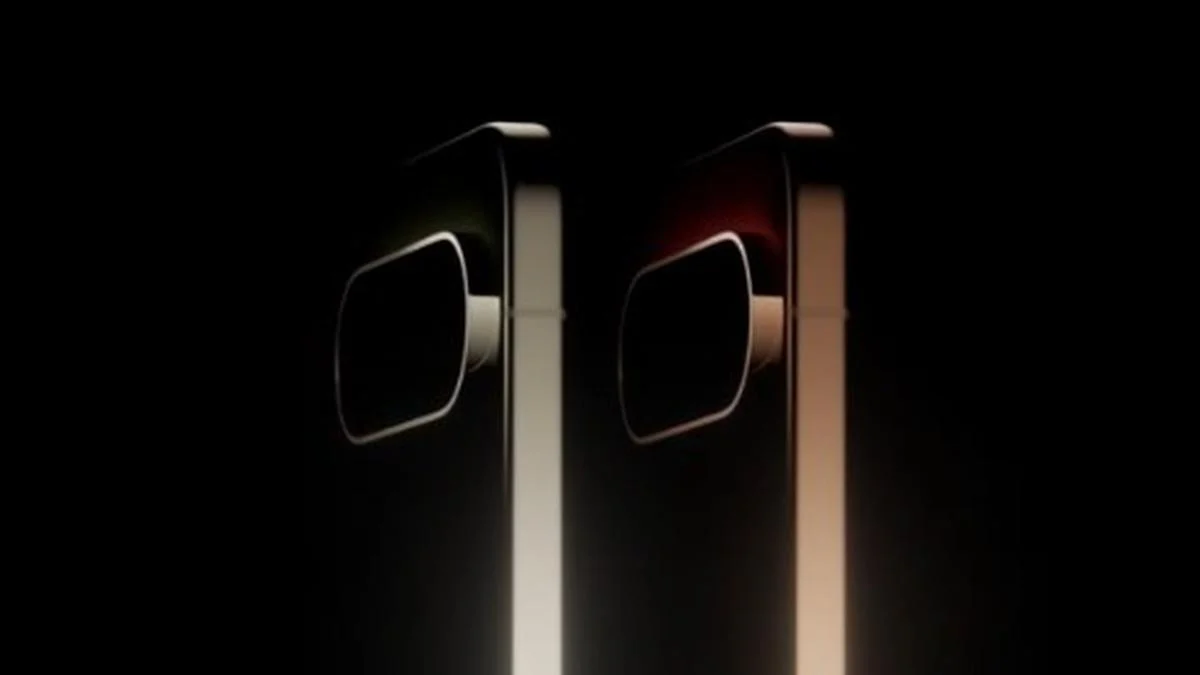
New Delhi, India – August 11, 2026 – In a highly anticipated move poised to redefine the landscape of premium smartphones, Google is on the cusp of launching its cutting-edge Pixel 11 series. The unveiling, scheduled for August 13, signals a significant escalation in Google’s hardware ambitions, intensifying its rivalry with established giants like Apple and Samsung. Beyond mere specification bumps, the new lineup—comprising the Pixel 11, Pixel 11 Pro, Pixel 11 Pro XL, and the third-generation Pixel 11 Pro Fold—is expected to cement Google’s leadership in the burgeoning field of on-device artificial intelligence, leveraging advanced iterations of its Gemini AI models to simplify user interactions and unlock unprecedented creative and productivity capabilities. Accompanying the smartphones will be the Google Pixel Watch 5, hinting at a cohesive ecosystem play.
This launch isn’t just about new devices; it’s a strategic declaration from the Mountain View tech titan, asserting its vision for a future where personal computing is seamlessly integrated, intuitively intelligent, and profoundly secure. The Pixel 11 series, powered by Google’s custom-designed 2nm Tensor G6 silicon, promises to deliver not only raw performance but also a deeply optimized AI experience that aims to make complex tasks effortless for the user. With an industry-leading commitment to seven years of both OS and security updates, Google is also making a bold statement about device longevity and sustainability, a growing concern for consumers worldwide.
Main Facts: A Glimpse into Google’s Next Chapter
Google’s impending launch event on August 13 (with an early morning stream for Indian audiences at 3:30 AM IST) will introduce its most ambitious smartphone generation to date. The Pixel 11 series, expected to include the standard Pixel 11, the more advanced Pixel 11 Pro, the larger Pixel 11 Pro XL, and the innovative Pixel 11 Pro Fold, represents a multi-pronged attack on the high-end smartphone market. This diverse portfolio aims to cater to a wide spectrum of premium users, from those seeking a flagship compact experience to power users desiring the largest displays and early adopters keen on the revolutionary form factor of a foldable device.
At the core of this new generation lies the Tensor G6, Google’s bespoke 2nm processor, engineered to deliver unparalleled performance, particularly in AI and machine learning tasks. This custom silicon is complemented by substantial memory and storage configurations, with reports suggesting up to 16GB of RAM and 512GB of internal storage for the Indian market, ensuring robust multitasking and ample space for the increasing demands of AI-driven applications. Security remains paramount, with the integration of the dedicated Titan security co-processor, a hallmark of Pixel devices.
Software-wise, the Pixel 11 series is anticipated to ship with Android 17, the latest iteration of Google’s mobile operating system, promising an even more refined and AI-integrated user experience. The standout feature, however, will undoubtedly be the deeply embedded and upgraded Gemini AI, poised to transform how users interact with their devices, from sophisticated on-device processing to advanced generative capabilities for content creation and editing. Google is also pushing boundaries with an unprecedented commitment: seven years of guaranteed OS updates and seven years of security updates, setting a new benchmark for software longevity in the industry.
The design philosophy, while not expected to be a radical departure from the Pixel 10 series, will likely feature refinements to its distinctive aesthetic, including the prominent camera visor, a blend of glossy and matte finishes, and enhanced display technologies. Alongside the smartphones, the Google Pixel Watch 5 is also slated for release, promising tighter integration within Google’s expanding hardware ecosystem and further advancing its ambient computing vision.
Chronology: The Evolution of Pixel and the Road to 11
The journey of Google’s Pixel line has been one of gradual evolution, marked by a consistent drive to showcase the purest Android experience fused with cutting-edge computational photography and, more recently, advanced on-device AI. The Pixel series, which succeeded the Nexus program in 2016, began with a clear mission: to build devices where hardware and software work in seamless harmony, directly controlled by Google.
Early Pixel devices garnered acclaim for their camera capabilities, often outperforming rivals with fewer lenses, thanks to Google’s pioneering software algorithms. This established Google’s prowess in computational photography, a foundational pillar that continues to define the Pixel brand.
A pivotal shift occurred with the introduction of the custom Tensor chip, first seen in the Pixel 6 series. This marked Google’s strategic move away from off-the-shelf Qualcomm Snapdragon processors, enabling deeper integration between hardware and software, specifically optimized for Google’s machine learning and AI initiatives. The Tensor chip was Google’s answer to Apple’s highly successful A-series chips, aiming to unlock unique AI features that would differentiate Pixel phones in a crowded market. Each subsequent Tensor generation has seen improvements in performance, efficiency, and AI capabilities, paving the way for the sophisticated Tensor G6 in the Pixel 11.
The foray into foldables with the Pixel Fold (and its subsequent second generation) demonstrated Google’s commitment to innovation in form factors, attempting to combine the utility of a tablet with the portability of a smartphone. The Pixel 11 Pro Fold, being the third iteration available in India, signifies a maturing product line, addressing feedback and refining the user experience in this nascent yet promising category.
Over the years, Pixel launches have typically occurred in the fall, aligning with major Android releases. The August 13, 2026, launch for the Pixel 11 series continues this tradition, strategically positioning Google’s flagship devices ahead of the crucial holiday shopping season and in direct competition with anticipated releases from Apple and Samsung. The consistent rollout of "Pixel Feature Drops" between major releases has also kept the Pixel ecosystem fresh, adding new functionalities and improving existing ones, building anticipation for the comprehensive upgrades found in a new generation. This continuous improvement model, coupled with a growing emphasis on privacy and security through the Titan chip, has steadily built the Pixel brand’s reputation as a secure, intelligent, and user-centric platform.
Supporting Data: Deep Dive into the Pixel 11 Ecosystem
The Pixel 11 series represents a culmination of Google’s technological advancements, meticulously engineered to offer a premium, AI-centric experience.
The Tensor G6: Google’s 2nm AI Powerhouse
The heart of the Pixel 11 series will be Google’s custom-designed 2nm Tensor G6 silicon. This fabrication process signifies a significant leap in chip technology, allowing for a higher transistor density, leading to enhanced processing power and, crucially, superior power efficiency. Compared to previous Tensor generations, the G6 is expected to deliver substantial gains in CPU and GPU performance, but its true strength lies in its specialized AI cores. These cores are optimized for Google’s machine learning models, enabling faster on-device AI processing for tasks like real-time language translation, advanced image processing, generative AI applications, and enhanced voice recognition, all without relying heavily on cloud connectivity. This not only boosts speed but also significantly improves user privacy and reduces latency. The Tensor G6 will be a direct competitor to Apple’s A-series and Qualcomm’s Snapdragon chips, with Google betting on its bespoke AI integration as a key differentiator.
Memory, Storage, and Unwavering Security
The Pixel 11 series is rumored to offer configurations up to 16GB of RAM, particularly for the Indian market, which is a substantial leap for a Pixel device. This increased RAM capacity is essential for smoothly handling the intensive demands of advanced AI models running simultaneously, complex multitasking, and ensuring future-proofing for upcoming software features. Storage options up to 512GB cater to the growing need for storing high-resolution media, large application files, and locally processed AI data. Complementing this hardware is the Titan security co-processor, a dedicated chip designed to protect sensitive user data, encrypt device boot processes, and resist physical attacks, making the Pixel 11 one of the most secure smartphones on the market.
Android 17 and Unprecedented Software Support
Shipping with Android 17 out of the box, the Pixel 11 series will showcase the very latest in Google’s mobile operating system. While details on Android 17 are sparse pre-launch, it is expected to further integrate AI throughout the UI, offer enhanced privacy controls, and introduce new customization options. The most groundbreaking software commitment, however, is Google’s pledge of seven years of both OS updates and security updates. This unprecedented duration significantly extends the usable lifespan of the device, offering unparalleled value to consumers, reducing electronic waste, and setting a new industry standard that surpasses even Apple’s typically long support cycles.
Gemini: The Brains Behind the Brilliance
Google’s Gemini AI is poised to be the star of the show. The Pixel 11 series will feature "new and upgraded models of Gemini," indicating a significant evolution in its capabilities. Users can expect Gemini to simplify a vast array of tasks, from intelligent task automation and personalized recommendations to advanced content creation and editing. Imagine Gemini offering context-aware suggestions across apps, summarizing long articles instantly, generating creative text or images from simple prompts, or even performing complex photo and video edits with a few voice commands. The rumored "Pixel Glow," an LED around the camera visor indicating conversations with the Assistant, could be a subtle yet powerful visual cue for these advanced AI interactions, making the device feel more responsive and alive.

Display Technologies: A Feast for the Eyes
The Pixel 11 series promises stunning visual experiences across its lineup:
- Pixel 11: A 6.3-inch Actua display with a dynamic refresh rate between 60 to 120 Hz and an impressive 3,000 nits of peak brightness, ensuring vibrant colors and excellent outdoor visibility.
- Pixel 11 Pro: Elevates the experience with a 6.3-inch Super Actua OLED display, featuring a more advanced 1 to 120 Hz adaptive refresh rate for ultimate fluidity and power efficiency, and a peak brightness of 3,500 nits.
- Pixel 11 Pro XL: Boasts a expansive 6.9-inch Super Actua OLED display with a smooth 120 Hz refresh rate and the same 3,500 nits peak brightness, ideal for media consumption and productivity.
- Pixel 11 Pro Fold: Features a 6.5-inch Actua OLED cover display (120 Hz, 3,300 nits) and an expansive 8-inch main Super Actua flex display with a dynamic 1 to 120 Hz refresh rate and 3,300 nits peak brightness, offering a seamless transition between phone and tablet modes.
These displays are designed not only for vibrant visuals but also for efficiency, adapting refresh rates to content to save battery life.
Battery Life and Charging: Powering the Experience
Battery capacities across the series reflect the demands of powerful processors and high-refresh-rate displays:
- Pixel 11: 5,000 mAh battery with 45W wired and 25W wireless charging.
- Pixel 11 Pro: 5,100 mAh battery with 45W wired charging.
- Pixel 11 Pro XL: 5,200 mAh battery with 45W wired charging.
- Pixel 11 Pro Fold: 5,100 mAh battery with 45W wired charging.
While charging speeds are competitive, Google’s focus remains on optimizing battery life through software and hardware integration, rather than solely on ultra-fast charging.
Camera Systems: Computational Photography Reimagined
Google’s camera prowess is legendary, and the Pixel 11 series is set to continue this tradition with enhanced hardware and software:
- Pixel 11: 48MP main, 13MP ultrawide, 10.8MP telephoto, and a 13MP front camera.
- Pixel 11 Pro/Pro XL: Both are likely to feature a potent 50MP main, 48MP ultrawide, 48MP telephoto lens, and a high-resolution 42MP front camera, promising exceptional detail and versatility.
- Pixel 11 Pro Fold: Expected to carry over a 48MP main, 10.5MP ultrawide, 10.8MP telephoto, and dual 10MP front cameras (on cover and main screen).
These sensor upgrades, combined with the Tensor G6’s advanced image signal processor and Gemini’s AI capabilities, will likely unlock new levels of computational photography, including improved low-light performance, more natural portrait effects, and potentially generative AI photo editing features that go beyond simple enhancements.
Design Philosophy: Refined and Recognizable
Google is not expected to overhaul the design of the Pixel 11 series, opting instead for refinement. The distinctive "huge camera visor" will remain a signature element, evolving subtly to integrate new sensors. The standard Pixel 11 and Pro models are likely to feature glossy backs, offering a premium feel, while the Pixel 11 Pro Fold is anticipated to maintain a matte finish for better grip and resistance to fingerprints. This continuity ensures brand recognition while allowing for internal upgrades and subtle aesthetic improvements.
Google Pixel Watch 5: The Smart Companion
The Pixel Watch 5, launching alongside the phones, will be a crucial component of Google’s ecosystem. Expected improvements include longer battery life, enhanced health tracking sensors (e.g., more accurate heart rate, potential new health metrics), and further refinements to the Wear OS experience, offering seamless integration with the Pixel 11 phones for notifications, health data, and smart home control.
Indian Market Pricing and Availability
The Indian pricing strategy positions the Pixel 11 series firmly in the premium segment:
- Pixel 11: ₹89,999
- Pixel 11 Pro: ₹1,19,999
- Pixel 11 Pro XL: ₹1,29,999
- Pixel 11 Pro Fold: ₹1,89,999
These prices reflect the advanced technology and premium positioning, competing directly with top-tier offerings from Apple and Samsung. The launch on August 13 in India, coinciding with the global unveiling, underscores Google’s increasing focus on key emerging markets.
Official Responses: Google’s Vision and Anticipation
While specific official responses regarding the Pixel 11 series remain under embargo until the launch event, Google’s broader strategy and philosophical underpinnings for its hardware division have been consistently articulated by its leadership. Sundar Pichai, CEO of Google and Alphabet, has frequently emphasized the company’s long-term commitment to AI-first computing and ambient intelligence. "Our goal is to build the most helpful devices in the world," Pichai stated in a previous earnings call, highlighting the Pixel line’s role as a manifestation of Google’s AI capabilities.
Rick Osterloh, Senior Vice President of Devices & Services, has similarly championed the deep integration of hardware and software as a differentiator for Pixel. "When we build the entire experience, from the chip to the cloud, we can deliver truly unique and helpful features that aren’t possible otherwise," Osterloh remarked during a past Pixel launch, a sentiment that perfectly encapsulates the promise of the Tensor G6 and enhanced Gemini integration.
The anticipated launch keynote will likely feature executives detailing the specific advancements of the Tensor G6, demonstrating the expanded capabilities of Gemini, and showcasing the innovative features across the Pixel 11 lineup and the Pixel Watch 5. Expect strong messaging around privacy, security, and sustainability, reinforced by the unprecedented seven-year software support commitment. While the detailed specifications and pricing have been widely speculated, the official event will be the platform for Google to directly communicate its vision and ambition for the future of personal technology.
Implications: Reshaping the Premium Smartphone Landscape
The launch of the Google Pixel 11 series carries significant implications for the smartphone market, user experience, and Google’s strategic position in the tech industry.
Intensified Market Competition
The Pixel 11 series, particularly with its advanced Tensor G6 chip and deeply integrated Gemini AI, positions Google as an even more formidable competitor to Apple and Samsung. Google’s strategy is not to win solely on hardware specifications but on the seamless, intelligent experience created by its unique software-hardware synergy. The longer software support policy could also sway environmentally conscious consumers and those seeking greater long-term value, directly challenging competitors to match or exceed this commitment. The Pixel 11 Pro Fold, now in its third generation, signals Google’s intent to capture a larger share of the nascent but growing foldable market, pushing innovation in form factors against Samsung’s established Fold and Flip lines.
Redefining User Experience with On-Device AI
The upgraded Gemini AI is poised to fundamentally alter how users interact with their smartphones. Moving more AI processing on-device means faster, more private, and more contextually aware assistance. This could lead to genuinely proactive features that anticipate user needs, enhance creativity through generative tools, and streamline daily tasks to an unprecedented degree. The Pixel Glow feature, if implemented, is a small but indicative step towards making AI interactions more intuitive and less abstract, fostering a deeper connection between user and device. This AI-first approach could set a new standard for smartphone intelligence, making devices truly "helpful" in ways that go beyond simple app execution.
Strengthening Google’s Ecosystem Play
The simultaneous launch of the Pixel Watch 5 alongside the Pixel 11 series underscores Google’s commitment to building a cohesive hardware ecosystem. This strategy, similar to Apple’s, aims to create a sticky environment where devices work seamlessly together, offering a unified user experience across smartphones, wearables, and potentially other smart home devices. This integration enhances brand loyalty and makes it more compelling for users to invest further in Google’s product offerings.
A Nod to Sustainability and Longevity
The commitment to seven years of OS and security updates is a landmark decision with far-reaching implications. For consumers, it means greater longevity for their investment, reducing the pressure for frequent upgrades. For the industry, it sets a new benchmark for device support, potentially influencing other manufacturers to extend their update policies. From an environmental perspective, longer software support contributes to sustainability by reducing electronic waste, aligning with growing global concerns about tech’s ecological footprint. This move could resonate deeply with a demographic increasingly valuing responsible consumption.
Future of Smartphones: AI and Foldables
The Pixel 11 series reinforces two major trends shaping the future of smartphones: the dominance of AI and the evolution of foldable form factors. Google is positioning itself at the forefront of both, using its AI expertise to push the boundaries of what a smartphone can do, and refining its foldable design to make it more accessible and practical. The advancements in display technology, battery efficiency, and camera systems across the lineup demonstrate a holistic approach to innovation, ensuring that Google remains a key player in driving the industry forward.
In conclusion, the Google Pixel 11 series launch is more than just a product release; it is a strategic declaration of intent. Google is leveraging its core strengths in AI and software development, combined with increasingly sophisticated hardware, to carve out a distinct and influential position in the premium smartphone market. With a strong focus on intelligent assistance, robust security, and unparalleled longevity, the Pixel 11 lineup is poised to not only compete but potentially redefine expectations for the next generation of personal technology.
