

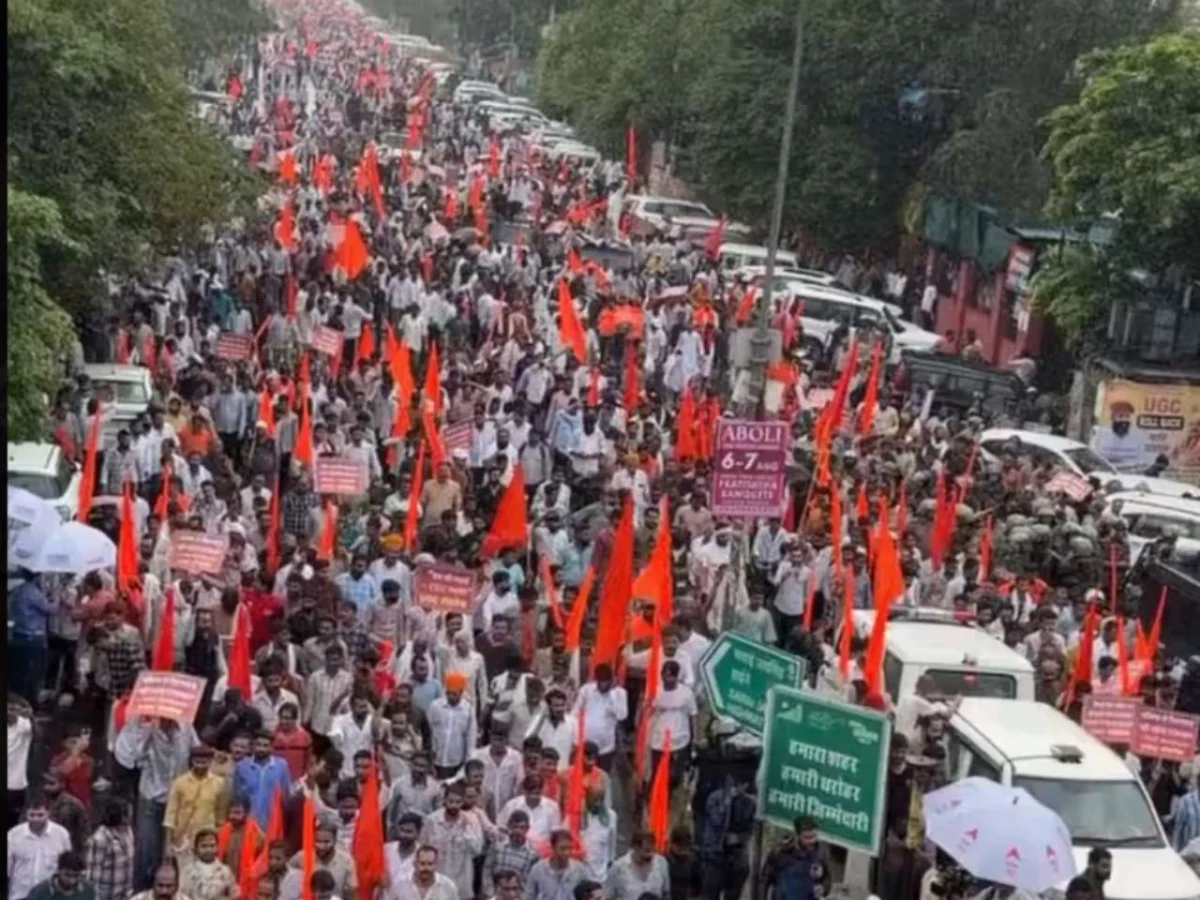
New Delhi, India – August 6, 2026 – Weeks after a nationwide uproar over the alleged NEET-UG paper leak, India finds itself embroiled in another fervent national debate, this time centered on the deeply entrenched system of caste-based reservations. A confluence of online activism and burgeoning street protests signifies a significant resurgence of anti-reservation sentiment, pushing the contentious issue back into the national spotlight and posing a complex challenge for policymakers and political parties. While these disparate groups may not be unified under a single banner, their collective voice is increasingly demanding a fundamental re-evaluation, and in some cases, a complete overhaul, of India’s affirmative action policies.
The Shifting Landscape of the Quota Debate
The current wave of anti-reservation activism is characterized by its multi-pronged approach, leveraging the pervasive reach of social media alongside traditional methods of public demonstration. This renewed vigor has been amplified by a series of high-profile events and figures, bringing the long-standing debate over social justice and meritocracy to the forefront of public consciousness once again.
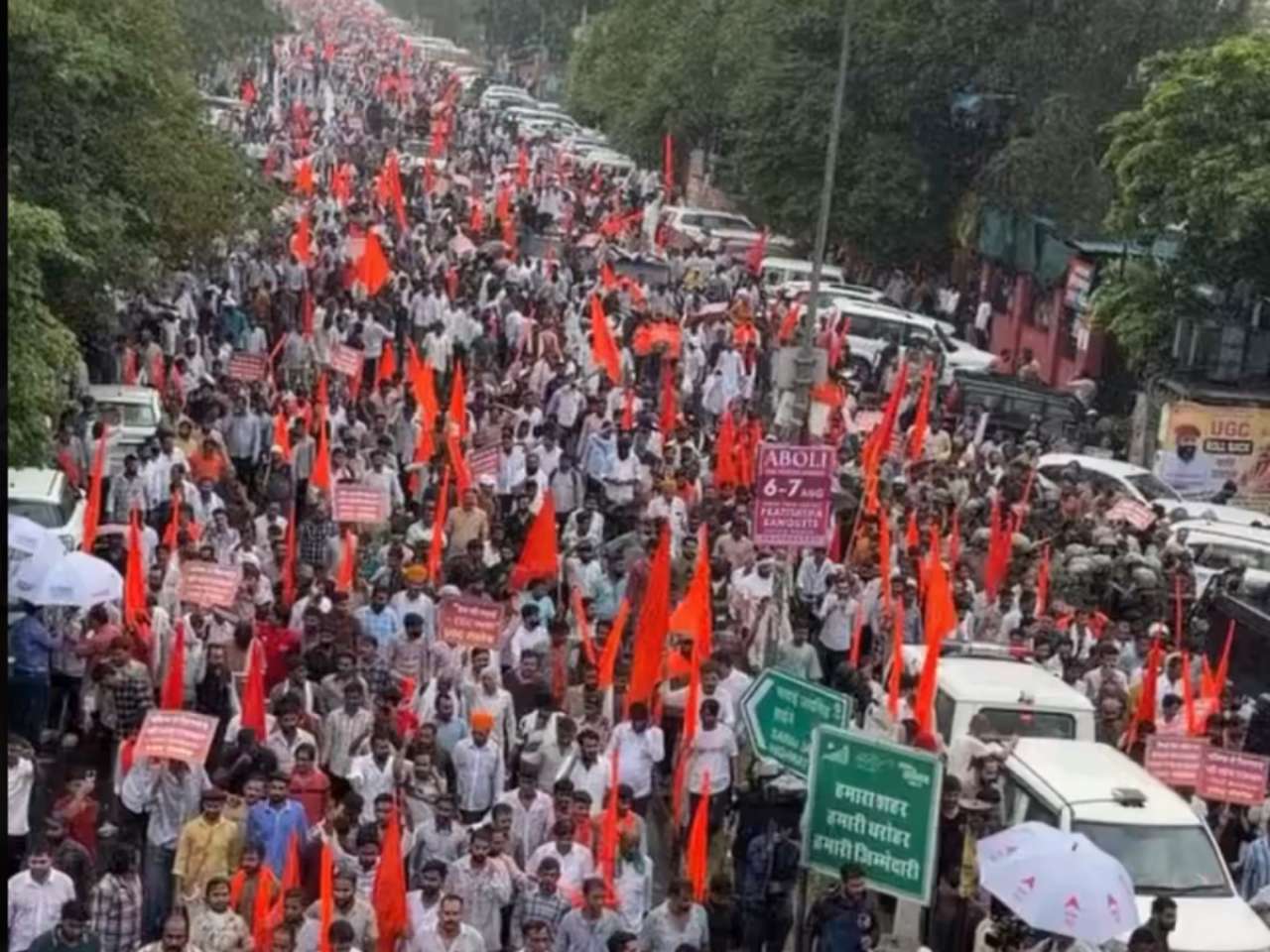
At the heart of this burgeoning movement is the vocal presence of young individuals who, spurred by their own academic and professional aspirations, are articulating grievances that resonate with a broader segment of the population. Their arguments often center on the perceived disadvantages faced by the general category students, the potential for meritocracy to be undermined, and the evolving socio-economic realities of India.
A Digital Groundswell: The Rise of Online Advocacy
The internet has proven to be a fertile ground for the germination and growth of anti-reservation sentiment. Social media platforms, particularly Instagram, have become instrumental in organizing, disseminating information, and mobilizing support.
)
The "Reservation Hatao Andolan" (RHA) has emerged as a prominent online force. Initiated by a student named Vedant, this Instagram-based movement has rapidly garnered millions of followers. The RHA’s digital campaign focuses on fostering a comprehensive public discourse around reservation policies, advocating for significant reforms rather than an outright abolition. Their content frequently highlights calls for a review of the existing system and the dissemination of arguments against its current framework.
The RHA’s online strategy has also successfully garnered the attention and endorsement of several public figures, lending further credibility and reach to their cause. Academics such as Anand Ranganathan, journalists like Ajeet Bharti, and creative professionals including writer-director Anuradha Tiwari have lent their voices to the movement, amplifying its message across their respective networks. This cross-pollination of support from diverse spheres underscores the growing resonance of the anti-reservation discourse.
)
Unlike many traditional protest movements that often begin with physical demonstrations, the RHA has strategically prioritized building an online consensus and fostering a robust public debate. This approach aims to create a strong foundation of public opinion before translating digital momentum into tangible action on the ground.
Key Demands and Proposed Reforms
The RHA, while advocating for significant changes, has articulated a set of specific proposals rather than a monolithic demand for the immediate dismantling of reservations. Their core arguments and proposed reforms include:

- Economic Basis for Reservation: A central tenet of the RHA’s proposal is the shift from caste-based to economic status as the primary criterion for reservation. The slogan "poverty has no caste" encapsulates this argument, suggesting that affirmative action should target genuine economic disadvantage, irrespective of social identity.
- Limiting Family Benefits: The movement advocates for capping reservation benefits to one member per family. This aims to prevent the perpetual accumulation of advantages within certain families and ensure a wider distribution of opportunities.
- Introduction of Minimum Qualifying Marks: A key demand is the implementation of minimum qualifying marks for all categories, including reserved ones. This seeks to address concerns about merit and ensure that beneficiaries meet a certain academic threshold.
- Unfilled Seats to General Category: The RHA proposes that any unfilled reserved seats be transferred to the general category. This would ensure that educational slots are utilized and not left vacant, while also potentially increasing competition within the general pool.
- Regular Review of Reservation Lists: The movement calls for periodic reviews of reservation lists to ensure their relevance and effectiveness, and to adapt to changing socio-economic dynamics.
- Gradual Phasing Out of Reservations: In the long term, the RHA suggests a gradual phasing out of reservation policies if educational and social inequalities demonstrably reduce over time. This envisions a scenario where affirmative action becomes a temporary measure to address historical disadvantages, eventually becoming redundant.
- Opposition to UGC Equity Regulations: The RHA has also voiced strong opposition to the University Grants Commission’s (UGC) 2026 Equity Regulations. They contend that these regulations expand reservation provisions without adequately addressing concerns related to merit and fairness, potentially exacerbating existing issues.
From Digital Echoes to Street Clamor
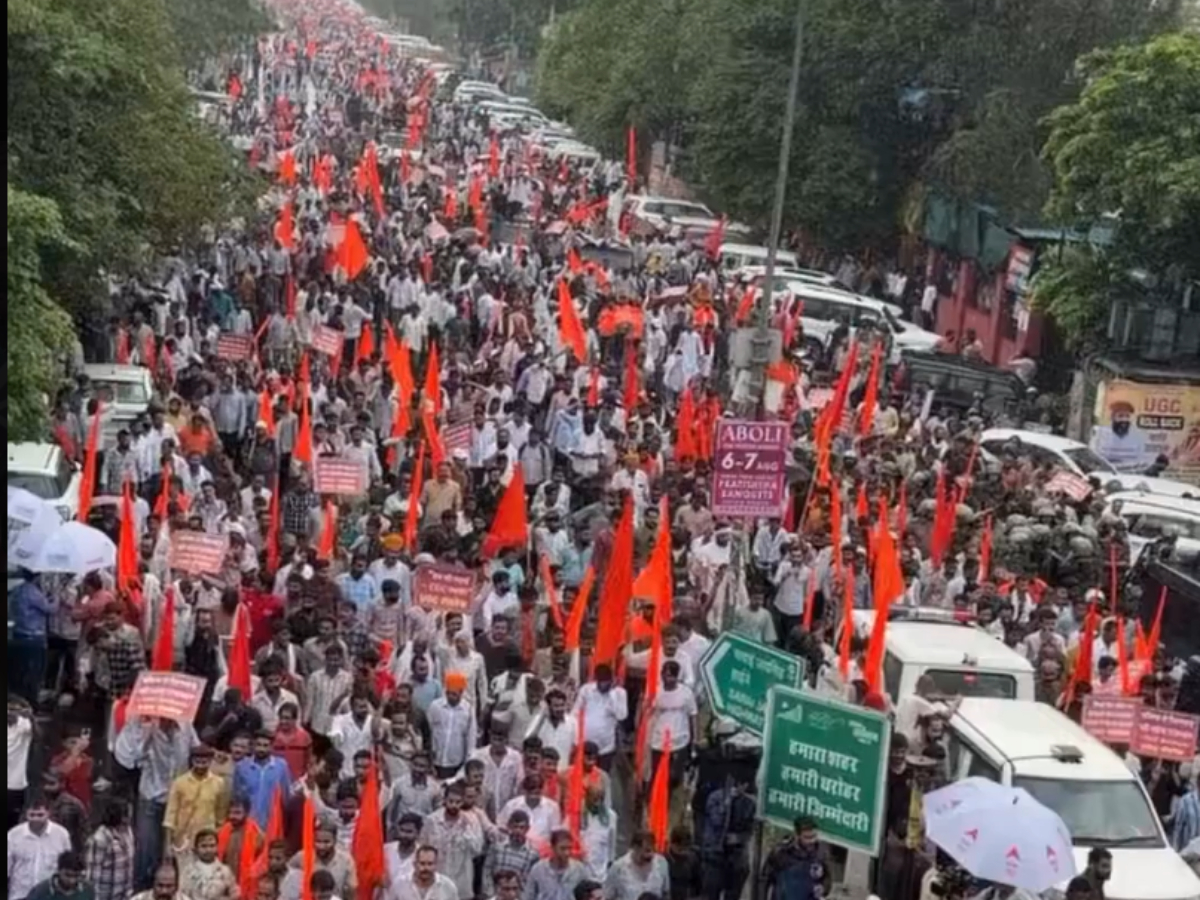
The anti-reservation movement is rapidly transcending its online origins, manifesting in tangible street protests across various states. This shift signifies a growing confidence and a desire for direct engagement with the political establishment.
Harsh Dubey, a prominent face of the campaign, gained significant traction after a passionate televised debate on the NEET paper leak. Dubey argued that the pressure of reservations was contributing to student distress and mental health challenges. His articulation of these concerns resonated widely, leading to a substantial growth in his social media following and numerous interview opportunities. He is currently seeking permission from Delhi Police to organize a protest at Jantar Mantar, a symbolic venue for public demonstrations in the capital.
)
Beyond individual activists like Dubey, a broader spectrum of organizations and citizen groups are actively participating in street protests:
- Nagpur Rally: The RHA itself organized its inaugural public rally in Nagpur, marking this event as the commencement of a nationwide movement. This physical demonstration signals a transition from online advocacy to on-the-ground mobilization.
- Lucknow Demonstrations: In Lucknow, members of the Savarna Morcha and Swarn Samaj organized protests demanding the rollback of the UGC’s caste equity regulations and an end to caste-based reservation. These demonstrations highlight the organized nature of the opposition emerging from various community groups.
- Shri Rajput Karni Sena Agitation: The Shri Rajput Karni Sena led a significant march to Jaipur following a 24-day, approximately 800-kilometer protest. Their primary demand was the withdrawal of the UGC regulations. The protest later escalated, with demonstrators clashing with police after attempting to breach barricades, underscoring the intensity of the sentiment. The Karni Sena’s demands extended beyond the UGC rules to include a comprehensive review of all reservation-related laws and modifications to the EWS (Economically Weaker Sections) reservation framework.
The Political Conundrum: A Cautious Government Response
The burgeoning anti-reservation movement presents a significant political quandary for the incumbent government and opposition parties alike. With several Assembly elections on the horizon over the next year, reservation remains a highly sensitive and politically charged issue, particularly in states with deep-rooted caste dynamics like Uttar Pradesh.
)
As of now, political parties have largely adopted a stance of cautious observation, refraining from taking definitive positions on the issue. This reticence stems from the inherent risk of alienating significant voter blocs, whether they are proponents of affirmative action or those advocating for reform. The government has yet to offer a formal political response to the escalating demands and protests. This silence, while strategic, also indicates the complexity of navigating such a deeply divisive issue within the current political climate.
A Historical Perspective: Previous Attempts at Reform
The discourse surrounding reservation reforms is not unprecedented in India. The government has, in the past, commissioned committees to examine and suggest modifications to the existing reservation framework.
)
- Justice G. Rohini Commission: Established in 2017, this commission was tasked with examining the sub-categorization of Other Backward Classes (OBCs) within the central quota. Its recommendations aimed to ensure a more equitable distribution of reservation benefits among the diverse backward communities, preventing a concentration of benefits within a few dominant groups.
- BP Sharma Expert Committee: This committee suggested streamlining the criteria for identifying the OBC "creamy layer," a concept designed to exclude the relatively affluent members of OBC communities from availing reservation benefits.
However, it is crucial to note that these previous reform efforts did not advocate for replacing caste with income as the sole basis for reservation or for the complete dismantling of the existing system. They focused on refining the implementation and distribution of benefits within the existing constitutional framework. The current movement’s demands represent a more fundamental challenge to the foundational principles of caste-based affirmative action.
Defending the Bastions: Supporters Reaffirm Constitutional Rights
The resurgent anti-reservation movement has not gone unchallenged. Staunch defenders of the current system have begun to voice their opposition, reaffirming the constitutional basis and historical necessity of affirmative action.
)
Union Minister of State for Social Justice, Ramdas Athawale, has been a vocal critic of the anti-reservation campaigns. He has unequivocally stated that reservation is a constitutional right and cannot be revoked. Athawale has also issued a stern warning, asserting that any attempts to abolish reservations would face significant resistance from the communities that have historically fought for these rights. His stance reflects the perspective of many who view reservations as an essential tool for social upliftment and addressing historical injustices.
The Road Ahead: Fragmentation and the Quest for Unity
As the anti-reservation sentiment gains momentum, the movement faces the critical challenge of overcoming its inherent fragmentation. Currently, different factions are pursuing distinct strategies: Harsh Dubey is focused on organizing public protests, the RHA is prioritizing online mobilization and discourse, and groups like the Shri Rajput Karni Sena are pursuing their specific agendas.
)
The future trajectory of this movement will largely depend on its ability to coalesce into a more unified force. Key factors for sustained impact will include:
- Developing Common Leadership: The absence of a single, widely recognized leadership structure could hinder cohesive strategy and negotiation with the government.
- Establishing a Shared Agenda: While core demands are emerging, a clearly defined and universally agreed-upon agenda will be crucial for presenting a united front.
- Sustaining Public Support: The ability to maintain and broaden public engagement beyond initial bursts of activism will be vital for long-term influence.
For now, the debate over reservation has unequivocally returned to the center of India’s public discourse. As both proponents and critics gear up for what promises to be one of the nation’s most politically sensitive discussions, the coming months will be critical in shaping the future of affirmative action in India and its profound implications for social equity and national development. The nation watches with bated breath as these disparate voices converge, challenging the very foundations of a policy that has shaped India’s social fabric for decades.
