

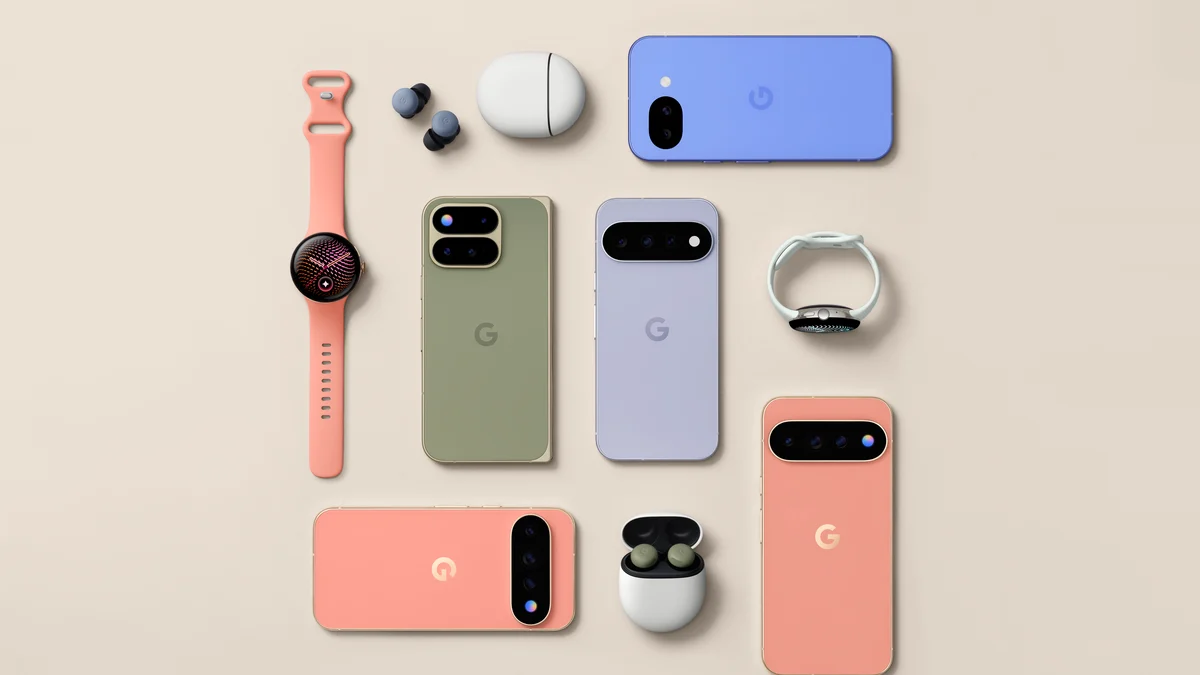
New Delhi, India – [Insert Date of Article Publication] – Google has officially launched its highly anticipated Pixel 11 series in India this week, introducing a formidable lineup comprising the Pixel 11, Pixel 11 Pro, Pixel 11 Pro XL, and the Pixel 11 Pro Fold. This launch marks a significant strategic move by Google, signaling a departure from the industry’s pervasive pursuit of photographic perfection and a renewed focus on practical, on-device artificial intelligence that genuinely enhances user experience rather than merely dazzling.
For years, the smartphone camera landscape has been characterized by a singular aesthetic: flawlessly lit faces, impeccably balanced skies, gently lifted shadows, and meticulously reined-in highlights. A quick scroll through any contemporary camera roll reveals a striking uniformity, where every photograph, regardless of its origin, arrives at a similar destination – competent, clean, and often appearing more algorithmically assembled than authentically captured. Google’s Pixel 11 series, particularly with its innovative "Camera Looks" feature, offers a compelling antidote to this pervasive homogenization, championing creative control and even intentional imperfection.
Main Facts: Reshaping the Smartphone Experience
The Pixel 11 lineup is more than just an incremental upgrade; it represents a philosophical shift in Google’s approach to consumer technology. By prioritizing user agency in photography, streamlining content creation, and integrating "small AI" solutions that address everyday frustrations, Google aims to carve out a distinct identity in a fiercely competitive market dominated by giants.
The Pixel 11 Lineup: A Diverse Portfolio
The new series introduces four distinct models, each tailored to different user needs and preferences. The standard Pixel 11 offers a robust entry point, while the Pixel 11 Pro and Pro XL deliver enhanced camera capabilities, superior displays, and more advanced features for power users. The Pixel 11 Pro Fold, Google’s latest foray into the foldable segment, promises cutting-edge design and increased durability. This diverse offering ensures that Google can cater to a wider spectrum of the Indian smartphone market, from mainstream users to creative professionals and early adopters of new form factors.
Camera Looks: Embracing Imperfection in a Polished World
At the heart of the Pixel 11’s camera innovation is "Camera Looks," a feature that deliberately cedes control back to the user. Unlike traditional filters applied post-capture, Camera Looks intervenes at the very moment of capture, fundamentally altering how the phone processes images. Google has integrated four base looks – Natural, Shadows, and Vanilla – alongside a palette of creative presets such as Editorial, Velvet, Classic, Digi, and Black Tie, totaling roughly ten distinct options, each adjustable to fine-tune the desired effect.
This isn’t merely about aesthetics; it’s a technical re-engineering. Google explains that these "Looks" change how the phone stacks frames for High Dynamic Range (HDR) photography and how it handles sharpening algorithms. For instance, the "Digi" look intentionally captures fewer frames, allowing highlights to blow out and shadows to deepen, effectively mimicking the charmingly imperfect texture of a cheap digital camera from the mid-2000s. This feature directly addresses a burgeoning trend among younger generations who actively seek out vintage point-and-shoot cameras for their distinctive, less-than-perfect aesthetic. With Camera Looks, Google has integrated this sought-after "escape route" directly into the Pixel’s advanced camera system, offering a nostalgic yet contemporary photographic experience.
The trade-off, as Google candidly acknowledges, is that the Pixel makes its photographic decision at the point of capture, contrasting with Apple’s non-destructive editing workflow. However, for enthusiasts accustomed to film photography, this commitment to a chosen aesthetic is not a limitation but an inherent part of the appeal, much like selecting a specific film stock before a shoot.

Magic Capture: Freezing Fleeting Moments with AI Precision
Beyond aesthetic control, the Pixel 11 series also tackles the perennial challenge of capturing fast-moving subjects. "Magic Capture" is designed to address those blink-and-you-miss-it moments that occur half a second after the shutter button is pressed. When activated, the phone records a short burst of video, then leverages its on-device processing power and advanced Gemini AI models to analyze approximately 400 frames in real-time. From this rich dataset, Magic Capture intelligently extracts high-quality 12-megapixel stills, applying sophisticated cropping and de-blurring techniques. For anyone who has struggled to photograph a hyperactive toddler, a dynamic sports event, or the vibrant chaos of a traditional Indian baraat, the immense appeal of this feature is immediately evident. It promises to transform frustrating near-misses into perfectly preserved memories.
Creator Suite: Empowering the Next Generation of Content Makers
Available exclusively on the Pro models, the "Creator Suite" stands out as perhaps the most impactful new addition, demonstrating Google’s serious commitment to the burgeoning creator economy. This comprehensive suite of tools offers practical solutions for content producers, including social-media grid lines for compositional guidance, an audio visualiser for monitoring sound levels, and automatic clip organization to streamline post-production. Most notably, it features a teleprompter that scrolls a script at the user’s speaking pace while recording on the selfie camera.
This seemingly simple innovation solves a myriad of real-world problems for creators. For a small-business owner filming a product demo, a freelance social-media manager churning out multiple client reels, or an aspiring vlogger needing to deliver a flawless monologue, the Creator Suite eliminates the need for external equipment like a second phone or a paid teleprompter app, freeing them from the laborious process of brute memorization or countless re-takes. Furthermore, the automatic folder organization addresses a critical pain point: the overwhelming camera roll filled with thousands of takes, often a significant barrier to entry for new creators. Google recognizes that the first hurdle for many aspiring content creators is not a lack of talent or equipment, but rather the sheer logistical challenge of managing their digital assets.
Practical AI: Rambler, HiLight, and the Return of Intentionality
Google’s broader additions to the Pixel 11 series continue this theme of "small AI, working." These features are modest in scope but deeply useful in daily application. "Rambler" is a Gemini-powered voice-input tool that intelligently strips out filler words, "ums," and false starts from spoken input, returning clean, coherent text. This can be invaluable for transcribing notes, dictating emails, or even preparing scripts.
"HiLight" reintroduces a classic smartphone feature with a modern twist: a subtle ring around the camera flash that glows to signify important notifications. This feature activates when a favorite contact calls or when the user is speaking to Gemini hands-free. This marks a conscious effort to bring back the intuitive, glanceable notifications that characterized earlier mobile devices. The article thoughtfully reminisces about the BlackBerry’s pulsing red light or the customizable notification LEDs of early Android phones – simple, yet incredibly effective cues that allowed users to gauge the urgency of communication without constantly checking their screen. In an era of always-on displays and edge-to-edge screens, this "instinct" for meaningful, non-intrusive alerts had largely disappeared.
HiLight replaces the temperature sensor from last year’s Pro model, a decision that highlights Google’s preference for functional utility over niche hardware. While it performs only two specific functions at launch, its social implications are intriguing. Turning a phone face down is a universally understood gesture of presence and disengagement from the digital world. HiLight, by emitting a subtle glow from the back, subtly alters this announcement, prompting a question: does it read as considerate or intrusive, depending on who is across the table? It subtly reintroduces a layer of digital etiquette.
Hardware Foundations: Tensor G6 and Advanced Optics
Underpinning these software innovations is Google’s custom-designed Tensor G6 chip, paired with the Titan M3 security module and Gemini Nano for on-device AI processing. This powerful combination ensures that advanced features like Magic Capture and Rambler operate seamlessly and securely, without relying heavily on cloud processing, thereby enhancing privacy and speed.

The camera hardware itself is robust. The Pixel 11 Pro and Pro XL boast a 50MP main camera, complemented by a redesigned 48MP telephoto lens offering an impressive 120x Pro Zoom. Their displays are equally premium, reaching a peak brightness of 3,600 nits, ensuring excellent visibility even in bright sunlight and stunning HDR performance. The standard Pixel 11 features a capable 48MP sensor with 30x Super Res Zoom and Instant Night Sight, continuing Google’s legacy of exceptional low-light photography. All models start with a generous 256GB of internal storage.
Pixel Watch 5: Proactive Health Monitoring on Your Wrist
Launched alongside the Pixel 11 series, the Pixel Watch 5 expands Google’s wearable ecosystem with a focus on proactive health. It introduces blood pressure and insulin resistance trend summaries, derived from at least seven days of passive data collection. These features are framed as early warnings rather than definitive diagnoses, empowering users with actionable insights into their long-term health trends and encouraging timely consultations with medical professionals. This move positions the Pixel Watch 5 as a serious contender in the health-focused wearable market, shifting from reactive fitness tracking to preventative wellness.
The Pixel 11 Pro Fold: Durability Meets Innovation (with caveats)
Google’s latest foldable, the Pixel 11 Pro Fold, demonstrates significant advancements over its predecessor. It is nearly 1mm thinner, approximately 10% lighter, and boasts a claim of being three times more durable, thanks to a composite back designed by Google to be "impossible to crack." These improvements address some of the primary concerns associated with early foldable devices – bulkiness and fragility. However, the article notes a key trade-off: the crease on the inner display is reportedly more visible than on some rival foldable smartphones. Priced at ₹1,86,999 for the 512GB variant, this aesthetic compromise will be a critical consideration for prospective buyers in the premium segment.
Pricing, Availability, and Long-Term Value
The Pixel 11 series and Pixel Watch 5 are strategically priced for the Indian market. The Pixel 11 starts at ₹89,999, the Pixel 11 Pro at ₹1,19,999, and the Pixel 11 Pro XL at ₹1,34,999. The Pixel Watch 5 is available for ₹42,900. Pre-orders commenced on August 12, with retail sales beginning on August 20. Google is sweetening the deal with various cashback, EMI, and upgrade offers to entice early adopters.
A crucial aspect of Google’s value proposition for its premium "Pro" models, which now cost upwards of a lakh, is longevity. Google addresses this directly by promising an impressive seven years of OS and security updates, along with regular "Pixel Drops" – feature enhancements delivered periodically. This commitment to extended software support is a significant differentiator, promising sustained value and functionality over a period that far exceeds typical industry standards.
Chronology of Innovation and Market Entry
The launch of the Pixel 11 series is not an isolated event but rather the culmination of years of technological evolution and a strategic response to shifts in consumer preferences and the broader smartphone market.
The Genesis of the "Polished Image"
The journey to the current era of "polished images" began roughly a decade ago, driven by advancements in computational photography. Companies like Apple and Samsung, operating at enormous scale, engineered their cameras to "get every picture right" – whether it’s a family portrait against a bright window, a mundane receipt, or a child performing at a recital. This pursuit of consistent, high-quality output led to sophisticated algorithms for HDR, noise reduction, and image stabilization, resulting in the ubiquitous "competent, clean" images that now define our digital archives. While impressive, this homogenization inadvertently stifled artistic expression and led to a longing for more distinctive, less algorithmically perfect aesthetics.

Google’s Strategic Launch in India
Google’s decision to launch the Pixel 11 series in India this week underscores the country’s growing importance as a smartphone market and a hub for tech-savvy consumers. India is one of the fastest-growing smartphone markets globally, with a significant appetite for premium devices and a burgeoning creator community. By making its latest innovations immediately available here, Google signals its intent to capture a larger share of this dynamic market and engage directly with its vibrant user base. This launch also places the Pixel 11 series directly in competition with recent flagship releases from Samsung and anticipated launches from Apple, setting the stage for an intense battle for market dominance in the premium segment.
Setting the Stage: Pre-orders and Retail Rollout
The timeline for the Pixel 11 series is meticulously planned. The announcement and immediate opening of pre-orders on August 12 generated initial buzz and allowed eager consumers to secure their devices. The subsequent retail availability on August 20 ensures that the momentum is sustained, translating pre-launch excitement into tangible sales. The accompanying cashback, EMI, and upgrade offers are crucial in the price-sensitive Indian market, making the premium devices more accessible and attractive to a broader audience. This phased rollout strategy is designed to maximize market penetration and initial sales figures.
Supporting Data and Technical Deep Dive
To fully appreciate the innovations in the Pixel 11 series, a closer look at the underlying technology and market context is essential.
The Science Behind Camera Looks and HDR
Google’s claim that Camera Looks "change how the phone stacks frames for HDR and how it handles sharpening" is critical. Traditional HDR involves capturing multiple exposures of the same scene and blending them to create a single image with a wider dynamic range. Camera Looks likely modifies this stacking process – for instance, "Digi" might prioritize fewer frames or deliberately choose underexposed/overexposed frames to create its distinct aesthetic, rather than blending them perfectly. Similarly, sharpening algorithms, which typically aim for maximum clarity, could be tweaked to introduce a softer, more analog-like texture, or even a deliberate grain. This low-level intervention distinguishes Camera Looks from mere filters, offering a more fundamental alteration of the photographic output.
Unpacking Magic Capture’s AI Engine
The ability of Magic Capture to analyze "around 400 frames in real time using on-device processing and Gemini models" highlights the sophistication of Google’s AI. Modern smartphone cameras capture short bursts of images before and after the shutter press. Magic Capture takes this further by employing Google’s advanced Gemini AI – likely a specialized vision model – to not just select the "best" frame, but to understand motion, identify optimal facial expressions, de-blur subjects, and even intelligently crop for improved composition. This on-device processing ensures minimal latency and robust privacy, as sensitive image data doesn’t need to be sent to the cloud. This level of computational photography moves beyond simple image enhancement to intelligent scene understanding and reconstruction.
Creator Suite: Features and User Impact
The Creator Suite’s features are designed with a deep understanding of content creation workflows. Social-media grid lines, for instance, are invaluable for visual consistency and adherence to platform-specific aspect ratios. The audio visualiser is crucial for maintaining professional sound quality, often overlooked in mobile video production. Automatic clip organization, potentially powered by Gemini’s ability to identify content and themes, saves creators countless hours of manual sorting. The integrated teleprompter, responsive to speaking pace, is a game-changer for solo creators, ensuring smooth delivery and reducing the need for expensive external gear or extensive memorization. These features collectively reduce the friction of content creation, making high-quality output more accessible to a broader audience.
The Power of Tensor G6 and Gemini Nano On-Device
The Tensor G6 processor, Google’s proprietary silicon, is engineered for AI and machine learning workloads, providing the backbone for the Pixel 11’s intelligent features. Paired with Gemini Nano, a lightweight version of Google’s powerful generative AI models optimized for on-device operation, it enables features like Rambler and Magic Capture to execute complex tasks locally. This architecture not only enhances performance and efficiency but also strengthens user privacy, as data processing occurs on the device itself, reducing reliance on cloud servers. The Titan M3 security chip further fortifies the device against threats, ensuring data integrity and user protection.

Display and Camera Specifications Across the Lineup
The Pixel 11 Pro and Pro XL’s 3,600-nit display is a class-leading specification, offering exceptional brightness that makes content vibrant and legible even under direct sunlight. This also translates to a superior HDR viewing experience, with deeper blacks and brighter whites. The 50MP main camera likely utilizes pixel-binning technology to produce highly detailed 12.5MP images in most conditions, while retaining the flexibility for full-resolution shots. The redesigned 48MP telephoto with 120x Pro Zoom, combining optical and computational zoom, pushes the boundaries of smartphone photography, allowing users to capture distant subjects with unprecedented clarity. The Pixel 11’s 48MP sensor with 30x Super Res Zoom and Instant Night Sight continues to deliver Google’s signature low-light performance at a more accessible price point.
Pixel Watch 5: Data-Driven Health Insights
The Pixel Watch 5’s ability to provide blood pressure and insulin resistance trend summaries from passive data is a significant advancement in wearable health technology. While not a diagnostic tool, these trends can serve as powerful early indicators of potential health issues, encouraging users to consult with healthcare professionals for further evaluation. The collection of "at least seven days of passive data" suggests a focus on long-term trends rather than snapshot readings, providing a more holistic view of the user’s health trajectory. This aligns with a growing industry push towards preventative care facilitated by smart wearables.
Foldable Engineering: Advances and Compromises
The Pixel 11 Pro Fold’s advancements – nearly 1mm thinner, 10% lighter, and three times more durable with an "impossible to crack" composite back – are critical in making foldables more practical for everyday use. Reduced thickness and weight improve ergonomics, while enhanced durability addresses a major concern for early foldable adopters. However, the acknowledgment of a more visible crease than some rivals points to the ongoing engineering challenges in foldable display technology. The choice of materials and hinge design directly impacts both durability and the visibility of the crease, requiring manufacturers to balance these competing priorities. At its premium price point, the crease remains a noticeable compromise that buyers must weigh against the benefits of the foldable form factor.
Market Context: Pixel’s Niche vs. Giants
While Apple and Samsung command enormous market shares globally, Google’s Pixel business has historically been more niche. This "freedom" from the pressures of mass-market appeal has allowed Google to experiment and innovate in ways its larger competitors might find challenging. The Pixel’s strategy has often revolved around showcasing the best of Android and Google’s AI capabilities, even if it means catering to a specific segment of users who value these innovations over sheer volume or brand ubiquity. This positions the Pixel 11 series not just as a competitor, but as an innovator that pushes the boundaries of what a smartphone can be.
Official Responses and Google’s Vision
Google’s official stance on the Pixel 11 series reveals a clear vision: to create technology that is intuitive, empowering, and genuinely useful, rather than merely chasing spec sheets or fleeting trends.
Google’s Stance on Creative Control and Photography
Google’s statements regarding Camera Looks emphasize a philosophy of empowering the user. By explaining that these features "change how the phone stacks frames for HDR and how it handles sharpening, rather than applying a filter afterward," Google positions itself as offering fundamental control over the image pipeline, akin to choosing a camera film. This isn’t about telling users what a "good" photo is, but providing them with tools to define their own photographic style. This approach resonates with a demographic increasingly weary of algorithmic over-optimization and seeking authenticity.
Addressing the Creator Economy’s Needs
The introduction of the Creator Suite is a direct official response to the burgeoning demands of the creator economy. Google clearly recognizes the challenges faced by independent content creators and small businesses. By integrating a teleprompter, automatic organization, and other production tools directly into the phone, Google is effectively saying that it "finally takes creators seriously." This reflects an understanding that smartphones are no longer just communication devices but powerful production studios in the pockets of millions.

The Philosophy of "Small AI, Working"
Google’s characterization of features like Rambler and HiLight as "similarly modest and useful" and belonging to "small AI, working" underscores a core tenet of its current AI strategy. In contrast to some industry peers who might showcase grand, futuristic AI concepts that are slow to materialize, Google is focusing on practical, immediately deployable AI solutions that solve tangible, everyday problems. This pragmatic approach emphasizes reliability and real-world utility over speculative, dazzling demonstrations.
Commitment to Longevity and Software Support
Google’s promise of "seven years of OS and security updates, along with Pixel Drops" is a significant official commitment to product longevity and customer value. In a market where two to three years of updates is common, this extended support sets a new benchmark. It’s a direct response to the "fair question of how long they ought to last" for devices costing upwards of a lakh. This commitment not only enhances the value proposition for consumers but also aligns with growing calls for environmental sustainability by extending the useful life of electronic devices. Google is effectively saying that their premium phones are built to last and evolve over a significant period.
Navigating the Foldable Frontier
Regarding the Pixel 11 Pro Fold, Google’s statement about the composite back being "designed to be impossible to crack" highlights their focus on durability, a crucial factor for foldables. While acknowledging the visible crease, Google’s official stance implicitly suggests that the overall advancements in thinness, lightness, and durability represent a net positive, positioning the Fold as a serious contender despite this known characteristic. This transparency is important for managing consumer expectations in a nascent, evolving product category.
Broader Implications: A Shift in Smartphone Philosophy
The Pixel 11 series represents more than just new hardware and software; it signifies a potential shift in the broader smartphone philosophy, challenging established norms and offering a fresh perspective on mobile technology.
Redefining Photographic Aesthetics
The most profound implication of "Camera Looks" is its potential to redefine the dominant aesthetic in smartphone photography. By explicitly offering an "escape route" from the hyper-perfected image, Google is validating a growing desire for authenticity, imperfection, and creative control. This could catalyze a broader trend, encouraging other manufacturers to move beyond mere technical perfection and explore more diverse photographic styles. It speaks to a cultural moment where the "vintage" or "lo-fi" look, once achievable only with older equipment or complex editing, is now a native feature, democratizing artistic choice. This could lead to a richer, more varied visual landscape on our social media feeds.
Democratizing Content Creation
The Creator Suite has far-reaching implications for the creator economy. By integrating professional-grade tools like a teleprompter and automatic organization directly into a smartphone, Google is lowering the barrier to entry for high-quality content production. This empowers small businesses, independent journalists, educators, and aspiring creators to produce polished, engaging content without significant investment in specialized equipment or software. It could accelerate the growth of user-generated content, foster new forms of digital entrepreneurship, and make the digital content landscape even more dynamic and accessible. The sheer ease of use removes significant logistical friction, allowing creators to focus on their message and artistry.
The Revival of Mindful Technology
Features like HiLight, by reintroducing meaningful, non-intrusive notifications, contribute to a broader conversation about digital well-being and mindful technology use. In an age of constant digital bombardment, a subtle, intelligent cue that informs without demanding immediate attention encourages users to engage with their devices more intentionally. It supports the gesture of turning a phone face down, allowing individuals to be more present in physical interactions, while still providing critical information when necessary. This thoughtful design choice aligns with a growing desire among consumers for technology that serves them, rather than dictating their attention.

Challenging Industry Norms: Practicality Over Pizazz
Google’s overarching strategy with the Pixel 11 series, emphasizing "modest and useful" AI that "works on a Wednesday morning," directly challenges the industry’s often-criticized tendency to prioritize dazzling, often delayed, AI features. The article highlights this contrast by referencing Apple’s 2024 Siri demonstration and its subsequent 18-month delivery timeline for personalized features. Google’s approach suggests a pivot towards a more grounded, user-centric innovation cycle, where practical utility and immediate availability take precedence over futuristic, often vaporware-like, AI promises. This could pressure competitors to re-evaluate their own AI development and deployment strategies, focusing more on tangible benefits for everyday users.
The Future of Wearable Health
The Pixel Watch 5’s focus on blood pressure and insulin resistance trend summaries signals a significant step towards preventative health monitoring through wearables. As these devices become more sophisticated and accurate, they have the potential to empower individuals with personalized health insights, facilitating earlier detection of chronic conditions and promoting proactive lifestyle changes. This could eventually lead to deeper integration with healthcare systems, transforming how individuals manage their health and interact with medical professionals, moving from episodic care to continuous, data-driven wellness management.
Sustainability and Consumer Value in a Premium Market
The commitment to seven years of OS and security updates is a powerful statement about sustainability and consumer value. In an industry often criticized for planned obsolescence and a rapid upgrade cycle, Google is offering a compelling reason to invest in a premium device for the long term. This extended support not only reduces electronic waste but also provides significant financial savings for consumers, making a high-end smartphone a more sustainable and economically sensible investment. This move could set a new standard for software support in the Android ecosystem, influencing other manufacturers to follow suit.
Google’s Unique Position in the Tech Ecosystem
Ultimately, the Pixel 11 series reinforces Google’s
