

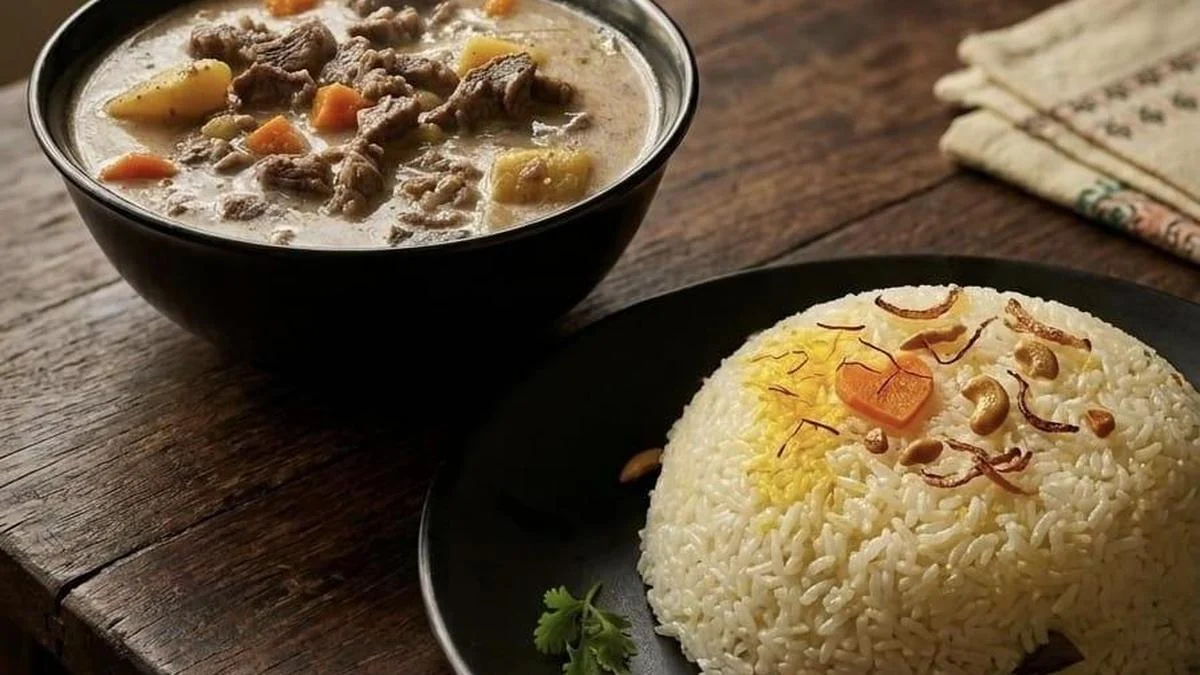
KOCHI — In the culinary landscape of Kerala, few dishes evoke as much visceral nostalgia as a bowl of piping hot chicken stew, known locally as ishtew or ishtoo. Historically reserved for the hushed sanctity of Sunday mornings, Easter celebrations, or elaborate wedding breakfasts, this mild, coconut-milk-based gravy is currently undergoing a significant commercial metamorphosis. Once a humble accompaniment to the lacy, fermented rice pancakes known as appams, the Kerala stew has stepped out of the shadow of its side-dish status to become a standalone protagonist in Kochi’s burgeoning food scene.
From specialized food trucks parked near bustling IT hubs to sophisticated cloud kitchens and heritage-focused eateries, the ishtew is experiencing a "moment" that blends traditional culinary craftsmanship with modern entrepreneurial savvy.
I. Main Facts: The Deconstruction of a Culinary Icon
The Kerala stew is a masterclass in subtlety, a stark contrast to the fiery, red-chilli-laden curries typically associated with South Indian cuisine. Its foundation is a velvety extract of coconut milk, infused with the aromatic warmth of whole spices—cinnamon, cardamom, cloves, and black peppercorns. While chicken is the most common protein, beef remains a crowd favorite, supplemented by cubed potatoes, carrots, and onions that have been softened to a buttery consistency.
The Shift to Standalone Status
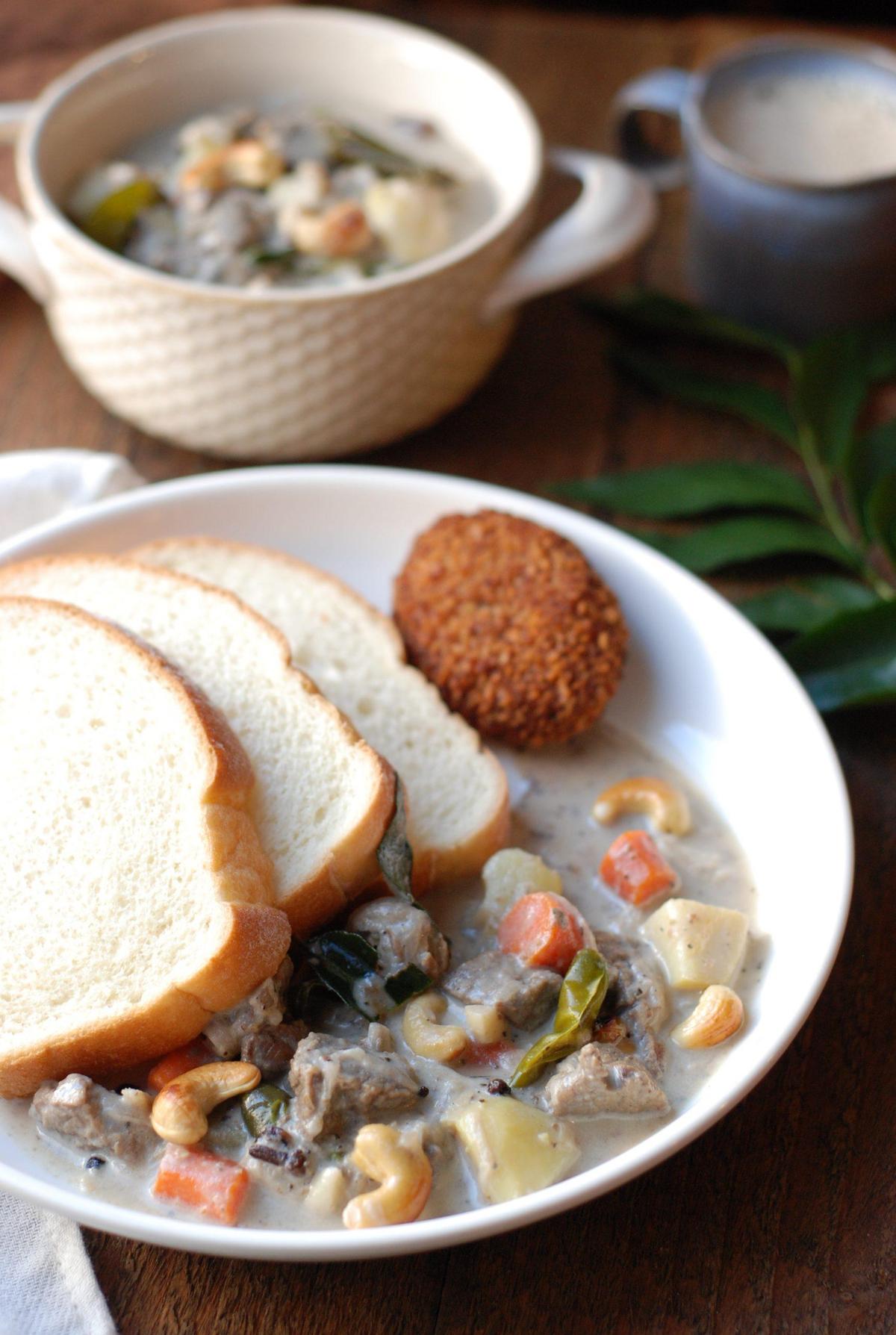
Historically, the stew was part of a breakfast "combo," often paired with appam, puttu (steamed rice cake), or sliced bread. However, recent market trends in Kochi indicate a shift. Entrepreneurs are now building entire business models around this single dish.
- Niche Specialization: Establishments like "Reems Stew and Bread" and "Stewmuch" are moving away from multi-cuisine menus to focus almost exclusively on perfecting the stew.
- Modern Delivery Formats: The emergence of "stew trucks" and dedicated cloud kitchens reflects a change in consumer behavior, where "comfort food" is sought after outside the domestic kitchen.
- Technique over Additives: A significant trend among new-age stew purveyors is the rejection of modern thickeners like cornflour in favor of traditional methods, such as cashew paste, to achieve the desired viscosity.
II. Chronology: The Evolution of a Fusion Masterpiece
The history of the Kerala stew is a chronological map of the region’s colonial and trade encounters. Its evolution can be traced through several distinct eras:
The Pre-Colonial and West Asian Influence (Prior to 1500s)
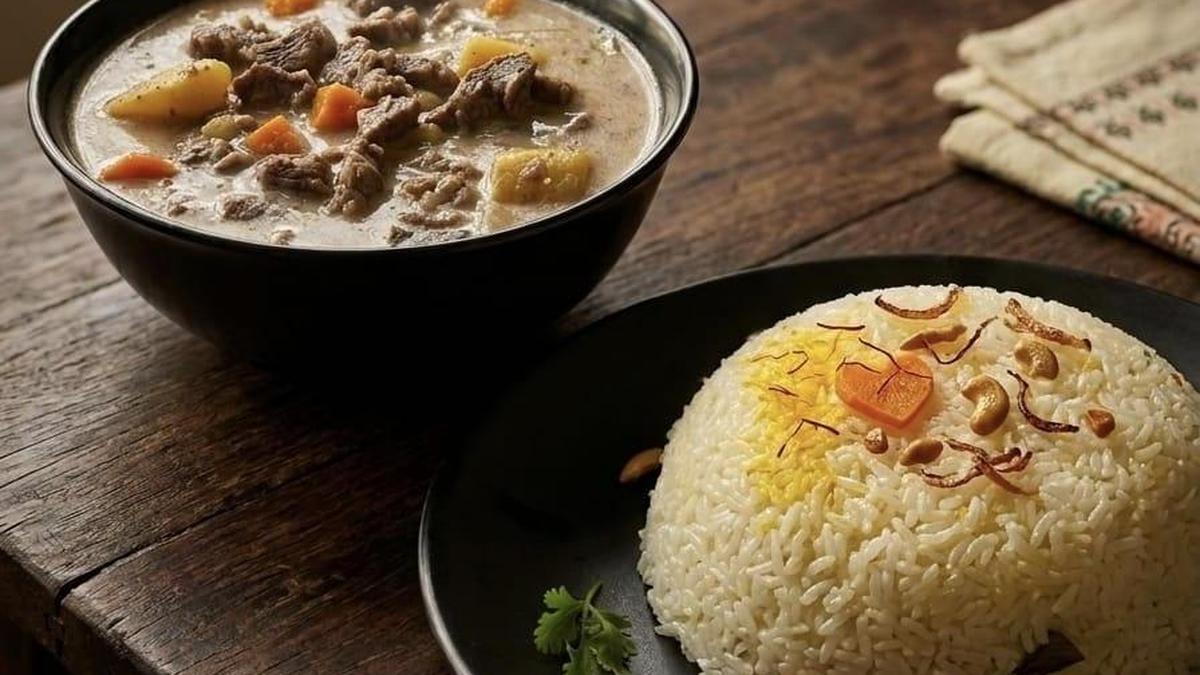
The roots of the mild vegetable curry in Kerala are ancient, but the specific form of the stew is believed to have been influenced by West Asian traders, particularly the Jewish community. Due to Kosher laws that prohibit the mixing of meat and dairy, coconut milk became the primary substitute for cream or cow’s milk in meat-based preparations. This technique was later adopted and refined by the Syrian Christian community.
The Portuguese and Dutch Era (1500s–1700s)
The introduction of New World vegetables—potatoes and carrots—by the Portuguese fundamentally altered the dish’s texture. The Portuguese brought the concept of slow-cooked broths, which fused with local ingredients like ginger and green chillies.
The British Influence and the Naming of ‘Ishtew’ (1800s–1947)
The British "Irish Stew" is the direct linguistic ancestor of the ishtew. However, the Malayali palate transformed the heavy, flour-thickened British broth into a light, aromatic, and coconut-rich gravy. During this period, it became a staple of the Anglo-Indian community in Kochi, specifically as a wedding breakfast highlight.
The Modern Commercial Boom (2020–Present)
Following the pandemic, there has been a global surge in "nostalgia dining." In Kochi, this manifested in early 2024 with the launch of dedicated ventures. "Hamza’s Kitchen" on Pipeline Road became an early social media sensation for its bread-and-stew pairing, paving the way for more structured businesses like Reems Stew and Bread (launched January 2024) and Stewmuch.
III. Supporting Data: Regional Variations and Culinary Science
While the basic components of ishtew remain consistent, data from local chefs suggests a clear regional divide between the "Malabar" style and the "Kochi/Travancore" style.

Comparative Analysis of Regional Styles
| Feature | Malabar Stew (Northern Kerala) | Kochi/Travancore Stew (Central/Southern) |
|---|---|---|
| Color | Mild yellow (often uses a hint of turmeric) | Pure white or ivory |
| Consistency | Thicker, more viscous | Lighter, broth-like |
| Spice Level | Higher; prominent black pepper note | Milder; slightly sweeter profile |
| Preferred Pairing | Ghee Rice or Puttu | Appam or Custom-baked Bread |
The "Cashew Factor"
A key differentiator in high-end commercial stews today is the thickening agent. While commercial restaurants often use cornstarch for cost-efficiency, the "premium" resurgence relies on cashew paste. According to culinary data, cashew paste not only thickens but adds a healthy fat content and a nutty undertone that complements the lauric acid in coconut milk, creating a more complex flavor profile.
IV. Official Responses: Insights from the Architects of the Trend
The resurgence of the stew is driven by individuals who view the dish as more than just sustenance; it is a cultural vessel.
The Entrepreneur’s Perspective
Ajoy ET, co-founder of Reems Stew and Bread, reports a "sensational" response to their food truck operations in Kakkanad and Panampilly Nagar.
"The bread-stew combination is more than food for the Kochiite; it is part of our celebrations like Christmas and Easter. It is pure nostalgia and a taste of home. We get calls almost daily asking about our location," Ajoy stated. He attributes their success to his wife Reema’s traditional recipe, which eschews cornflour for a grandmother-approved cashew paste.
The Innovation Angle
Jishnu KP, founder of the cloud kitchen Stewmuch, spent three years researching the dish before launching. Hailing from Kozhikode, Jishnu aims to bridge the gap between Malabar and Kochi traditions.
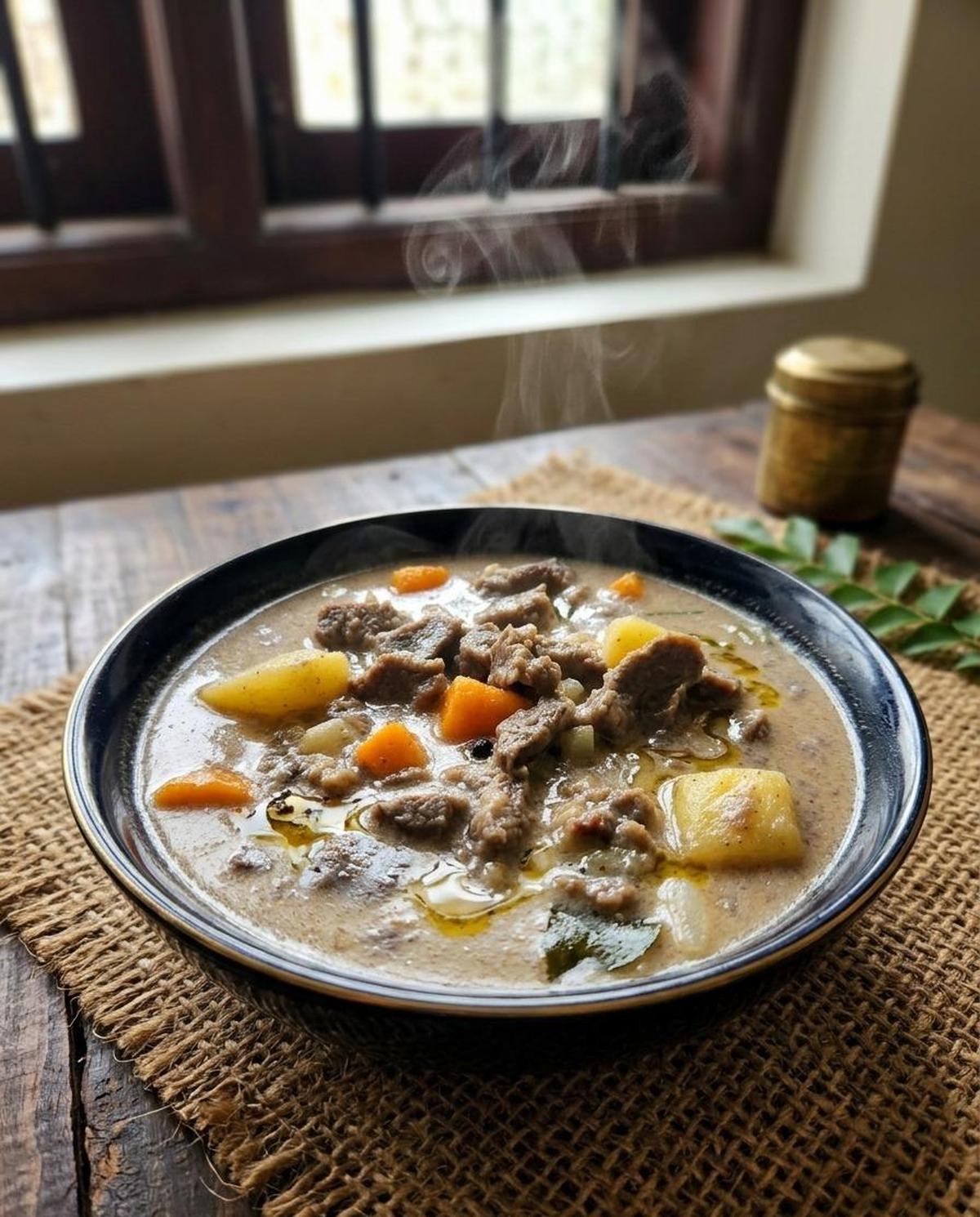
"I chose stew because its spices and warmth are balanced. It is not a heavy dish; it feels light on the palate and comforting. Very few foods carry the versatility of fitting every meal—breakfast, lunch, and dinner," Jishnu explained. He is also credited with introducing the Kozhikode tradition of pairing stew with ghee rice to the Kochi market, a move aimed at establishing a unique brand identity.
The Historian’s View
Tanya Abraham, author of Eating with History: Ancient Trade Influenced Cuisines of Kerala, provides a scholarly lens on the dish’s layered past.
"The stew is often connected to the Surianis (Syrian Christians), who specifically used pepper and ginger. Potatoes and carrots came with the Portuguese, and the stew took on a variation of their slow-cooked broth-like dish. Coconut milk was a technique adapted from West Asians who couldn’t mix milk and meat due to Kosher laws," Abraham noted, highlighting the dish’s multicultural DNA.
V. Implications: The Future of Heritage Foods in Urban Markets
The "stew boom" in Kochi carries several implications for the future of the regional food industry and cultural preservation.
1. The "Glocalization" of Comfort Food
The rise of the stew truck indicates that local heritage foods can successfully adopt Western service formats (food trucks, cloud kitchens) without losing their traditional essence. This "glocal" approach allows traditional recipes to reach a younger, tech-savvy demographic—specifically the IT professionals in Kochi’s Infopark—who seek quick but "soulful" meal options.
2. Economic Opportunity for Micro-Entrepreneurs
The success of niche outlets like "Stew in Kakkanad" and various "hole-in-the-wall" shops suggests that the market is moving away from sprawling multi-cuisine menus toward "specialty dining." This allows small-scale entrepreneurs to focus on quality and supply chain efficiency for a limited set of ingredients, reducing overhead costs and food waste.
3. Preservation of Culinary Techniques
By commercializing "grandmother’s recipes," these businesses are inadvertently acting as archives for traditional techniques. The insistence on fresh coconut milk extraction and manual spice grinding—as opposed to using pre-packaged mixes—ensures that the specific sensory profile of the Kerala ishtew is preserved for future generations.
4. Expansion of the Breakfast Market
The versatility of the stew is redefining the "all-day dining" concept in Kerala. As Jishnu KP noted, the dish’s ability to transition from a light breakfast with appam to a hearty dinner with ghee rice or bread provides it with a market longevity that more time-specific dishes (like biryani or idli) may lack.
In conclusion, the Kerala ishtew is no longer just a memory of a Sunday morning at home; it is a thriving, evolving sector of Kochi’s culinary economy. As it continues to simmer in the pots of innovative entrepreneurs, it remains a "warm hug" in a bowl—a nuanced, spice-tinged testament to Kerala’s enduring ability to fuse history with the present.
