


New Delhi, July 18, 2026 – The ongoing indefinite hunger strike by renowned engineer and activist Sonam Wangchuk has ignited a nationwide conversation, drawing widespread attention and support from various sectors of society. While many prominent figures have voiced their opinions, the recent strong endorsement from celebrity beauty expert Dr. Shagun Gupta has added a significant layer to the discourse, highlighting the ethical and principled stand behind Wangchuk’s protest. Dr. Gupta, known for her discerning clientele and influential voice in the lifestyle and wellness industry, has unequivocally declared her support, framing it not as a political alignment but as a moral imperative.
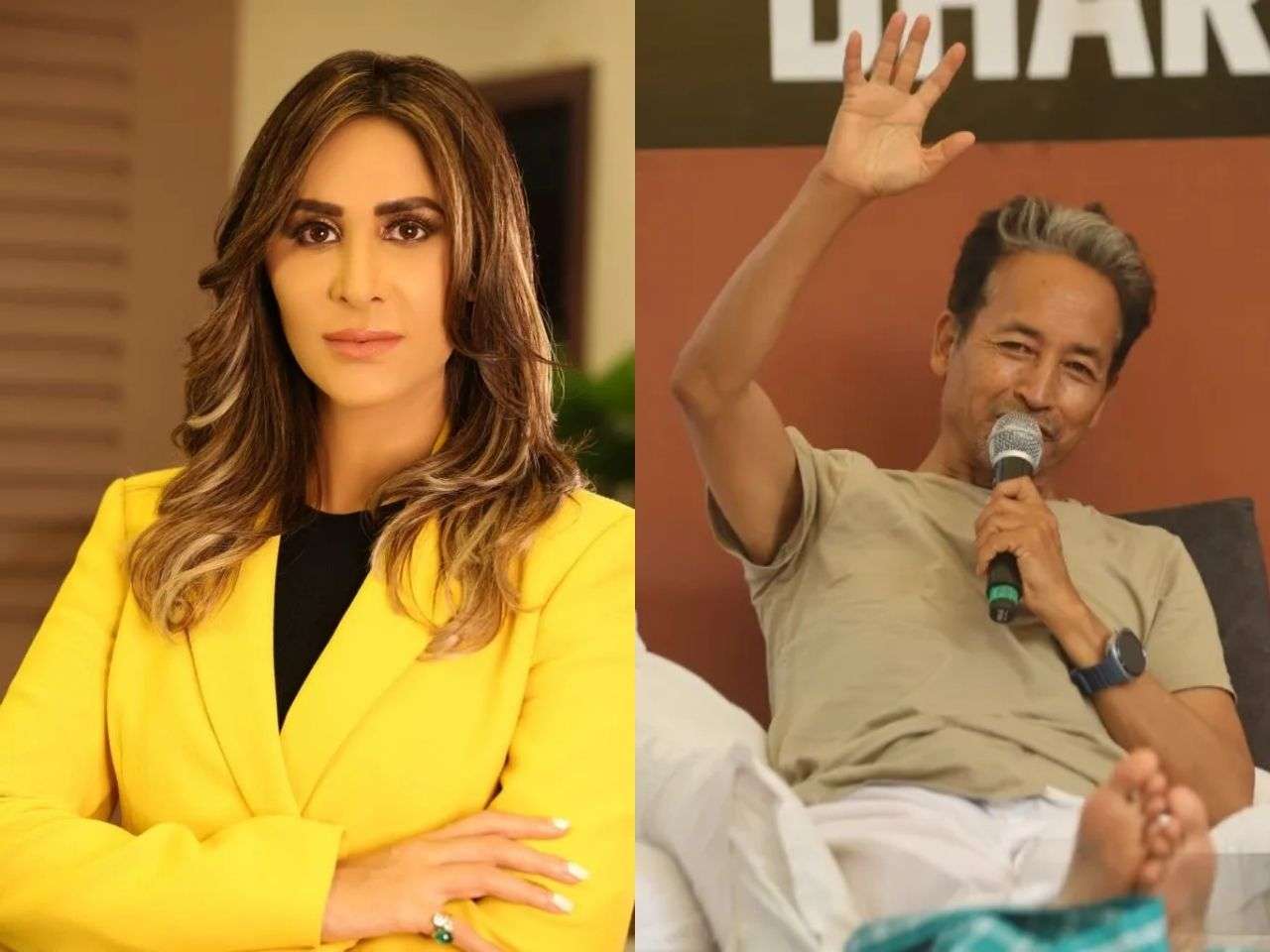
In a candid statement that has resonated across social media platforms, Dr. Gupta articulated her rationale, emphasizing that her solidarity is rooted in a deep commitment to the nation’s future, the dignity of its citizens, and the fundamental right to quality education. Her declaration, "My silence is never for sale," serves as a powerful repudiation of any potential suggestion that her support could be influenced by external pressures or partisan agendas.
)
"The future of the country and its youth, and India itself, is my home," Dr. Gupta stated with conviction. "My silence is never for sale. When the future of my nation, the dignity of its people, or the power of education calls, I will stand with courage. My loyalty is to the Constitution of India, to truth, and to my country – not to any political party." This clear delineation of her allegiance underscores a growing sentiment among public figures to prioritize national interest and constitutional values above partisan politics.
)
The Genesis of a Peaceful Revolution: Sonam Wangchuk’s Demands
Sonam Wangchuk, an alumnus of the Indian Institute of Management Ahmedabad and a Ramon Magsaysay Award winner, has been at the forefront of advocating for the rights and development of the Ladakh region. His current hunger strike, initiated on July 1, 2026, at Jantar Mantar in Delhi, is a critical escalation of his long-standing concerns regarding the governance and educational policies impacting the nation, particularly in light of recent examination controversies.

Wangchuk’s primary demand is the resignation of Union Education Minister Dharmendra Pradhan. This demand stems from a series of high-profile examination paper leaks, most notably the NEET-UG 2026 scandal. The ramifications of these leaks have been devastating, with reports indicating that at least 12 students have tragically died by suicide due to the perceived injustices and the compromised integrity of the examination process. Wangchuk argues that the Education Ministry under Pradhan’s leadership has failed to uphold accountability and ensure a fair and transparent system for aspiring students, thereby jeopardizing their futures and the nation’s intellectual capital.
)
His protest is not merely a demand for ministerial accountability; it is a broader call for systemic reform and a commitment to ethical governance in the education sector. Wangchuk’s fasting is a stark visual representation of the desperation felt by many students and parents who believe their futures are being undermined by administrative negligence and corruption.
)
A Timeline of Commitment and Concern
The hunger strike by Sonam Wangchuk is not an isolated incident but the culmination of growing discontent and a series of appeals to the government.
)
- July 1, 2026: Sonam Wangchuk begins his indefinite hunger strike at Jantar Mantar, Delhi. He frames his protest as a sacrifice for the future of India’s youth and the integrity of its educational system.
- Initial Days of the Strike: Wangchuk’s health is closely monitored by his supporters and medical professionals. The protest gains traction on social media, with hashtags related to his cause trending.
- Mid-July 2026: As the strike enters its second week, public figures, including celebrities and activists, begin to voice their support. The pressure mounts on the government to address Wangchuk’s demands.
- July 18, 2026: Dr. Shagun Gupta issues a strong statement of support, articulating her principled stance and urging wider public engagement with Wangchuk’s cause. Her statement is published, drawing significant attention to the ethical dimensions of the protest.
- Ongoing: Wangchuk continues his hunger strike, with his health reportedly deteriorating. The protest remains a focal point of national discussion, with calls for government intervention and resolution growing louder.
Supporting Data and the Broader Context
Dr. Gupta’s endorsement gains further weight when considered against the backdrop of the pervasive issues plaguing India’s examination system. The NEET-UG 2026 paper leak is a stark symptom of a larger problem, highlighting systemic vulnerabilities that have been exacerbated over time.
)
- Exam Irregularities: The NEET-UG 2026 scandal is one of the most significant in recent years, involving alleged widespread irregularities and a sophisticated leak network. Investigations have pointed to significant lapses in security and oversight.
- Student Suicides: The tragic loss of 12 young lives directly linked to the fallout of the NEET-UG 2026 paper leak is a devastating indictment of the system. These are not just statistics; they represent shattered dreams and immense familial grief, underscoring the human cost of governmental inaction and corruption.
- Impact on Aspirants: Millions of students across India dedicate years of their lives to preparing for competitive examinations like NEET and JEE. The integrity of these exams is paramount to ensuring a merit-based system and providing opportunities for genuine talent. Paper leaks and administrative failures erode this trust, leading to disillusionment and despair among the youth.
- The ‘Education is My Home’ Philosophy: Wangchuk’s activism is deeply rooted in the belief that education is a fundamental right and a cornerstone of national progress. His advocacy for educational reforms in Ladakh, including his ‘School on Wheels’ initiative and the push for the protection of local culture and environment, demonstrates a holistic approach to development.
Dr. Gupta’s statement, "My loyalty is to the Constitution of India, to truth, and to my country – not to any political party," resonates with the principle that public figures should hold themselves accountable to higher ideals, especially when the well-being of the nation is at stake. Her emphasis on "India First. Always" serves as a powerful reminder of the patriotic duty that transcends political affiliations.
)
Official Responses and Public Reactions
The government’s response to Sonam Wangchuk’s hunger strike has been characterized by a degree of cautious engagement, but a decisive resolution remains elusive. While the Ministry of Education has acknowledged the concerns raised, concrete actions to address the root causes of the examination irregularities and to meet Wangchuk’s specific demands have been slow to materialize.
)
- Government Statements: Official statements have often focused on assuring the public of ongoing investigations and efforts to strengthen examination processes. However, critics argue that these assurances lack the urgency and comprehensiveness required to quell the widespread public outcry.
- Public Sentiment: The hunger strike has galvanized significant public support, both online and offline. Social media has become a crucial platform for disseminating information, mobilizing support, and amplifying Wangchuk’s voice. The hashtag #SupportSonamWangchuk has trended globally, reflecting a broad consensus on the need for accountability in governance.
- Divergent Opinions: While the majority of public discourse has been in favor of Wangchuk, there have been dissenting voices. Some political figures have attempted to downplay the significance of his protest or frame it as politically motivated. For instance, reports indicate instances of politicians like Manoj Tiwari mocking the strike and suggesting it aims to slow down India’s growth. Such reactions have often been met with strong criticism from the public, who accuse these figures of being out of touch with the genuine grievances of the people.
- Celebrity Engagement: The involvement of celebrities like Dr. Shagun Gupta adds a significant dimension to the public discourse. While some celebrities have been criticized for remaining silent or offering perfunctory responses (as seen in the case of Vivek Oberoi, who reportedly evaded questions about the strike), figures like Gupta are using their platforms to advocate for principles and ethical governance. The critique of Aamir Khan for claiming ignorance about Wangchuk, only to be contradicted by older videos of him applauding the activist, highlights the public’s expectation of informed and principled engagement from influential personalities.
Dr. Gupta’s proactive stance is particularly noteworthy. By stating, "I stand with Sonam Wangchuk not because of politics or headlines, but because I believe every peaceful voice raised for education, our environment, and India’s future deserves to be heard," she articulates a core democratic principle. This statement emphasizes that her support is issue-driven and aligned with the broader societal good, rather than being a calculated move for personal gain or publicity.
)
Implications for India’s Democratic Fabric
Sonam Wangchuk’s hunger strike and the ensuing public support, amplified by voices like Dr. Shagun Gupta, carry significant implications for India’s democratic fabric and its future trajectory.
)
- Accountability and Transparency: The protest serves as a potent reminder that governments are accountable to their citizens. The demand for ministerial resignation is a direct challenge to the prevailing norms of governance and a call for greater transparency and accountability in public institutions.
- The Power of Peaceful Protest: Wangchuk’s chosen method of protest – a hunger strike – is a powerful, albeit risky, tool of civil disobedience. It highlights the enduring relevance of non-violent resistance in a democratic society when other avenues of redressal appear to be exhausted. Dr. Gupta’s unwavering support for this peaceful approach underscores the importance of upholding democratic means of expression.
- Youth Empowerment and Engagement: The widespread support for Wangchuk, particularly among the youth, signifies a growing desire for active participation in shaping their own futures. The examination controversies have deeply affected a generation, and their voices are demanding to be heard and respected.
- Ethical Leadership: The endorsement from Dr. Gupta, who operates in an industry often perceived as superficial, brings a much-needed ethical dimension to the conversation. Her commitment to "truth, and to my country" sets a benchmark for public figures, encouraging them to align their actions with their conscience and national interest. It suggests a shift towards valuing substance over superficiality in public life.
- The Role of Civil Society: The active involvement of engineers, activists, students, and now prominent lifestyle figures like Dr. Gupta, demonstrates the crucial role of civil society in holding power accountable. This collective voice is essential for a healthy democracy.
In conclusion, Dr. Shagun Gupta’s robust support for Sonam Wangchuk’s hunger strike transcends celebrity endorsements. It represents a principled stand for integrity, accountability, and the fundamental rights of India’s youth. Her declaration that her loyalty lies with the Constitution and the country, not any political party, resonates deeply in a political climate often marked by partisan divisions. As Wangchuk continues his courageous protest, the voices of individuals like Dr. Gupta serve to amplify the critical message that the future of education and the dignity of citizens are issues that demand the highest levels of attention and ethical commitment from the government and society at large. The nation watches, hopeful for a resolution that upholds justice and secures a brighter future for its aspiring generations.
