

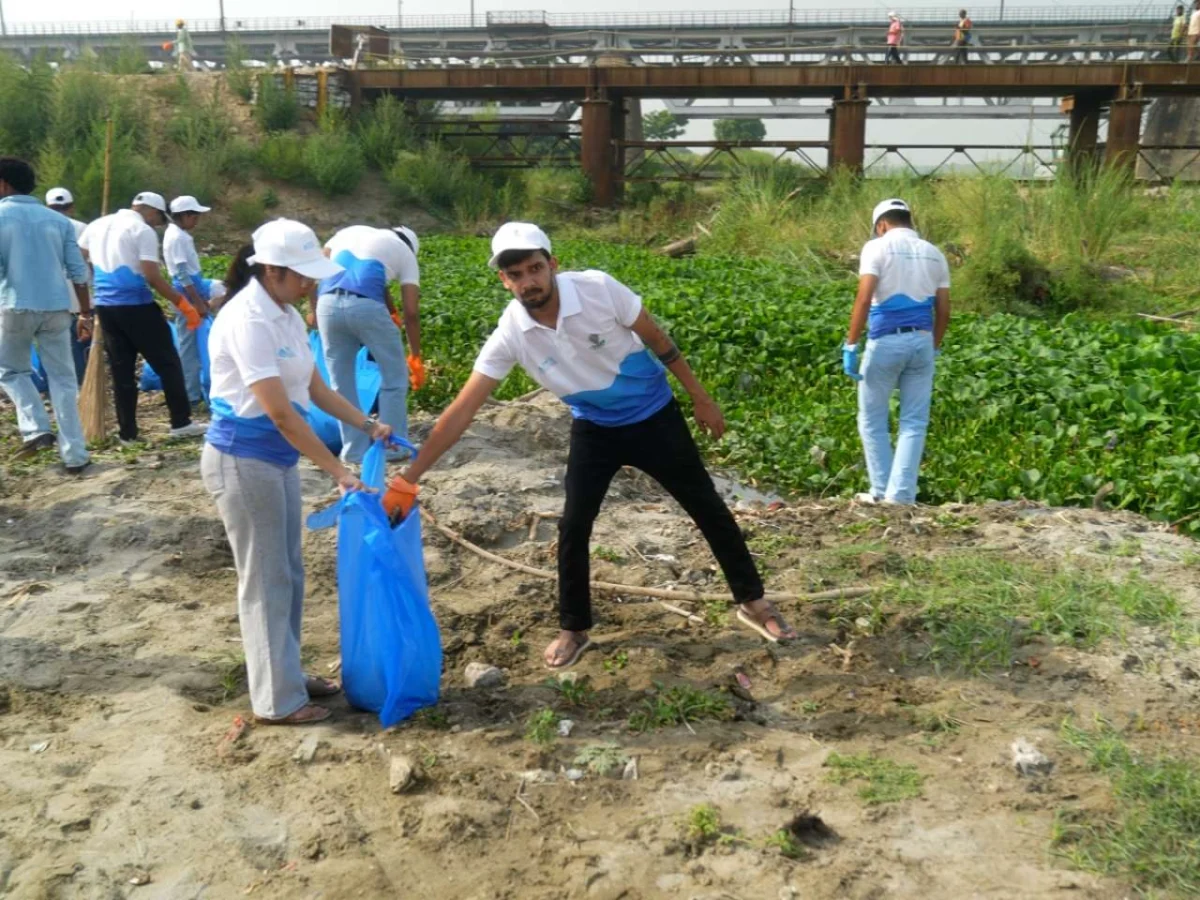
New Delhi, India – July 28, 2024 – In an era grappling with the multifaceted challenges of climate change and environmental degradation, the story of Satyam Dixit emerges as a beacon of hope and a testament to the power of individual initiative. What began as a personal response to the disruptions of the COVID-19 pandemic has blossomed into a nationwide citizen-led environmental movement, affectionately known as "My Earth, My Duty." This initiative, spearheaded by the young and determined Dixit, focuses on critical areas of cleanliness, waste management, and public awareness, transforming what were once personal struggles into a collective mission for a sustainable future.
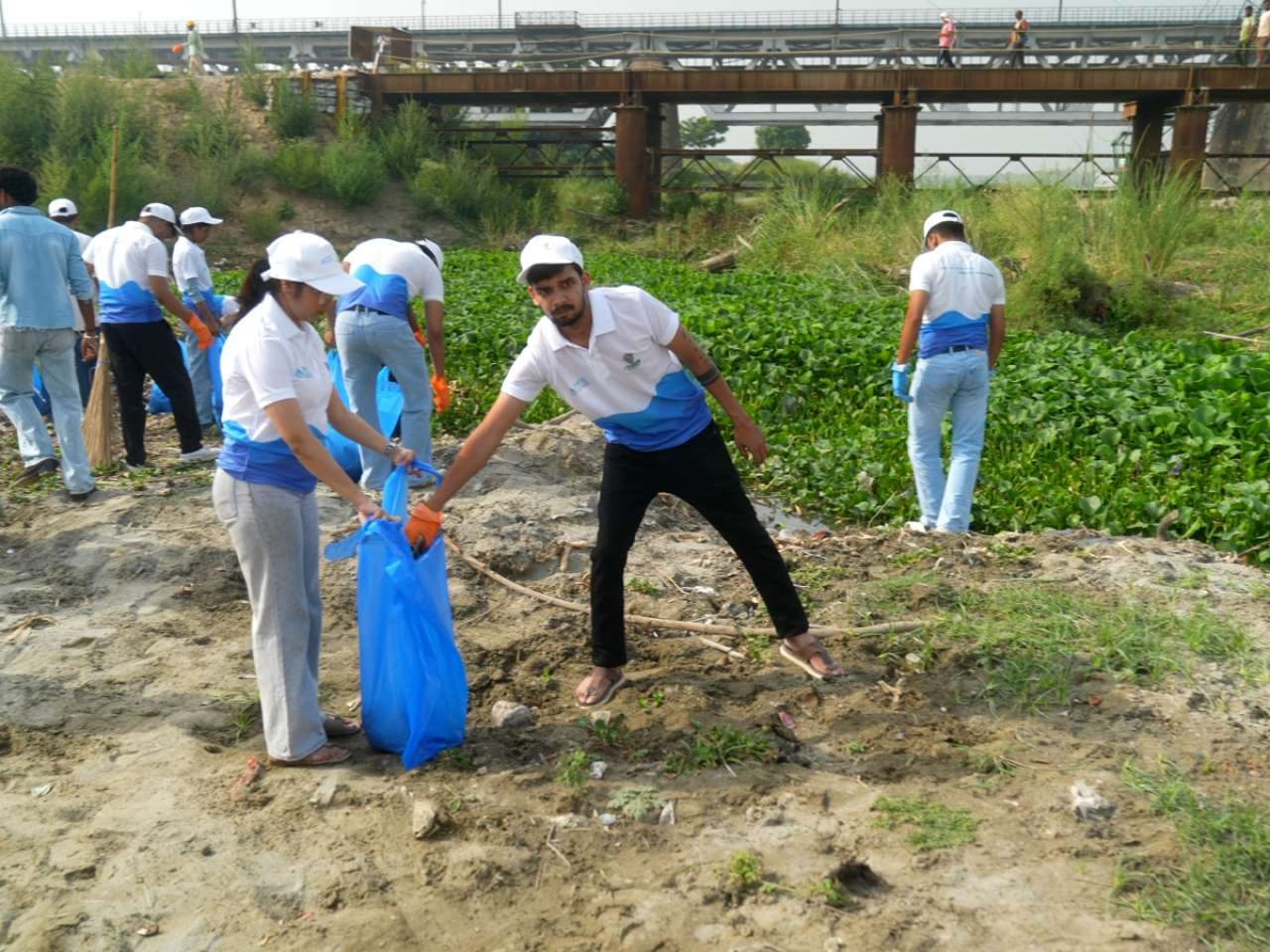
On the occasion of World Nature Conservation Day, Zee Media’s "My Earth, My Duty" campaign proudly highlights Dixit’s remarkable journey, underscoring how one individual’s unwavering commitment can ignite a spark that ignites widespread action. His story resonates deeply, not just for its environmental impact, but also for its portrayal of resilience, service, and the profound realization that meaningful change often stems from the most unexpected of circumstances.
)
The Genesis of a Changemaker: A Childhood Forged in Resilience
Satyam Dixit’s narrative is rooted in the realities of a modest upbringing. Raised in a household where financial stability was a constant pursuit, he is the son of a dedicated pedal rickshaw puller who later transitioned to the role of a watchman. Growing up in a rented dwelling, the seeds of responsibility and the need for self-reliance were sown early. Even as a student, Dixit understood the importance of contributing to his family’s well-being. He began earning by selling momos, a testament to his entrepreneurial spirit and a pragmatic approach to life. This was further complemented by his work as a delivery executive during his college years, a role that not only provided financial support but also exposed him to the diverse fabric of Indian society and its varied challenges. These formative experiences instilled in him a profound sense of duty and an innate inclination towards service, values that would later define his environmental activism.

His aspirations, like many young Indians, were initially geared towards the prestigious Union Public Service Commission (UPSC) examinations. He had meticulously planned his preparation, envisioning a career in public service through traditional administrative channels. However, destiny, as it often does, had a different trajectory in store for him.
)
The Pandemic Pivot: A Catalyst for Environmental Action
The onset of the COVID-19 pandemic in 2020 proved to be a profound turning point in Satyam Dixit’s life. The lockdowns, the uncertainty, and the widespread disruption forced a re-evaluation of priorities and a shift in focus. While the UPSC preparation was temporarily set aside, Dixit found himself drawn to the immediate needs of the communities around him. Witnessing the heightened vulnerability of marginalized populations and the strain on public services during the crisis, he began dedicating his time and energy to offering assistance wherever possible. This period of introspection and active community engagement laid the groundwork for his subsequent environmental endeavors.
)
The pandemic exposed several underlying issues, including the critical importance of public health, sanitation, and the management of waste, especially in densely populated areas. It was during this period of intense societal flux that Dixit’s vision began to crystallize. He recognized that the environmental challenges facing India were not abstract, long-term threats but immediate concerns that impacted public health, livelihoods, and the overall quality of life. The idea of a citizen-led initiative, one that empowered ordinary individuals to take ownership of their surroundings, began to take root. He envisioned a movement that transcended mere complaint or passive observation, one that actively engaged people in tangible solutions.
)
From a Seed of an Idea to a Nationwide Movement: The "My Earth, My Duty" Initiative
What began as a modest endeavor with a handful of like-minded volunteers has, with remarkable speed and dedication, burgeoned into a significant national movement. The "My Earth, My Duty" initiative, under Dixit’s leadership, has expanded its footprint to encompass over 200 cities across India. The core of the movement lies in its practical, hands-on approach to environmental stewardship.
)
Key Pillars of the Initiative:
)
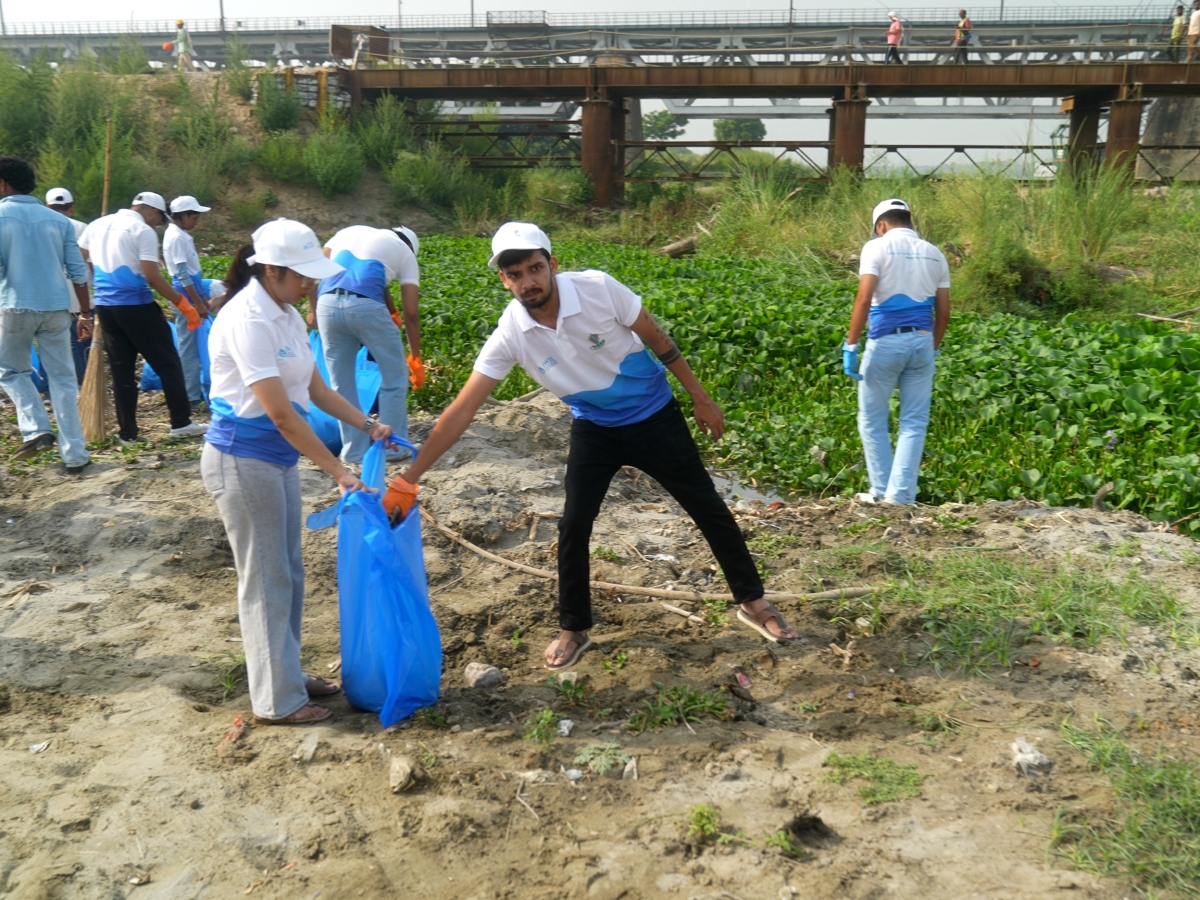
- Community Cleanup Drives: The most visible aspect of "My Earth, My Duty" is its regular and impactful cleanup drives. Volunteers, often galvanized by local coordinators, gather at public spaces, parks, riverbanks, and other neglected areas to remove vast quantities of accumulated waste. These drives are not merely about aesthetic improvement; they are crucial for preventing pollution of water bodies, mitigating health hazards, and restoring ecological balance.
- Waste Management and Recycling: Beyond the act of cleaning, the initiative places a strong emphasis on sustainable waste management practices. This includes promoting the segregation of waste at the source, advocating for effective recycling mechanisms, and educating communities on the responsible disposal of various types of waste, including plastic and religious offerings, which can often pose significant environmental challenges.
- Public Awareness and Behavioral Change: Recognizing that lasting change requires a shift in public consciousness, "My Earth, My Duty" invests heavily in awareness campaigns. These campaigns utilize a variety of methods, including workshops, street plays, social media outreach, and community dialogues, to educate citizens about environmental issues, the importance of their role, and practical steps they can take in their daily lives. The aim is to foster a sense of ownership and responsibility for one’s immediate environment.
- Promoting Sustainable Practices: The initiative actively encourages the adoption of sustainable practices in everyday life. This can range from advocating for reduced plastic consumption and the use of reusable alternatives to promoting composting and responsible water usage. The goal is to empower individuals with the knowledge and tools to make environmentally conscious choices.
The sheer scale of the operation is impressive. The regular cleanup drives have resulted in the removal of tons of waste, significantly improving the environmental health of countless public spaces. The initiative’s success is not just measured in the volume of waste collected, but in the growing number of active participants and the tangible impact on community engagement.
)
The "My Earth, My Duty" Campaign: A Symbol of Collective Responsibility
The "My Earth, My Duty" campaign, as championed by Zee Media, serves as a powerful platform to amplify the stories of individuals like Satyam Dixit who are making a difference. The campaign’s central message is that environmental stewardship is not the sole responsibility of governments or large organizations, but a fundamental duty that rests upon each and every citizen. It underscores the idea that even the smallest actions, when multiplied by millions, can lead to transformative change.
)
Dixit’s personal journey from a humble background to becoming a national environmental leader perfectly encapsulates this philosophy. His ability to translate his experiences of hardship into a driving force for social good is an inspiration. He demonstrates that environmentalism is not an abstract concept divorced from daily life, but a practical necessity that requires active participation and a commitment to safeguarding the planet for future generations.
)
Supporting Data and Impact: Quantifying the Change
While specific, granular data for every single cleanup drive across 200 cities is extensive, the overall impact of "My Earth, My Duty" can be inferred from consistent reporting and volunteer testimonials. Thousands of cleanup drives have been organized annually, each typically involving dozens to hundreds of volunteers. The collective effort has resulted in the removal of thousands of tons of plastic, general waste, and other pollutants from public spaces and natural habitats.
)
- Geographic Reach: The initiative’s presence in over 200 cities signifies a broad national footprint, demonstrating its adaptability to diverse urban and semi-urban environments.
- Volunteer Mobilization: The sustained participation of a growing number of volunteers highlights the initiative’s effectiveness in engaging citizens and fostering a sense of community ownership.
- Waste Removal: Reports from various cities often detail the significant quantities of waste collected, including large volumes of plastic bottles, wrappers, discarded packaging, and other non-biodegradable materials.
- River and Water Body Restoration: Cleanup efforts along riverbanks and lakes have contributed to the improved health of these vital ecosystems, reducing pollution and enhancing biodiversity.
- Awareness Campaign Reach: The multi-pronged approach to awareness, including digital and on-ground activities, has likely reached millions of individuals, influencing their attitudes and behaviors towards environmental responsibility.
The success of "My Earth, My Duty" can also be seen in the increasing adoption of similar community-led initiatives in other parts of the country, inspired by Dixit’s model. This ripple effect is a testament to the power of his vision and execution.
)
Official Responses and Recognition
While official responses can vary, the consistent and widespread nature of "My Earth, My Duty" has garnered attention and, in many instances, support from local administrations and environmental agencies. Municipal corporations and pollution control boards often collaborate with such citizen groups, recognizing their invaluable contribution to local cleanliness and waste management efforts.
)
The initiative often works in conjunction with local authorities for permissions, waste disposal logistics, and sometimes even awareness campaigns. The dedication and impact of "My Earth, My Duty" have also been acknowledged through various media platforms and awards that recognize grassroots environmental activism. The "My Earth, My Duty" campaign itself by Zee Media is a significant form of recognition, providing a national platform for Dixit’s work.
)
Implications for the Future of Environmentalism in India
Satyam Dixit’s "My Earth, My Duty" initiative holds profound implications for the future of environmentalism in India and beyond. It demonstrates that:
)
- Citizen-Centric Solutions are Crucial: Top-down environmental policies are essential, but they are most effective when complemented by robust citizen participation. Initiatives like Dixit’s empower individuals to become active agents of change.
- Grassroots Movements are Scalable: The transformation of a local effort into a nationwide movement proves that with strong leadership, clear objectives, and effective mobilization, grassroots initiatives can achieve significant scale and impact.
- Environmentalism is Accessible: The initiative breaks down the perception that environmentalism is an exclusive or elitist pursuit. By focusing on practical actions like cleanliness and waste management, it makes environmental responsibility accessible to people from all walks of life.
- The Power of Personal Narrative: Dixit’s personal journey, marked by resilience and a deep sense of service, resonates with a broad audience, making the environmental message more relatable and inspiring.
- Behavioral Change is Key: The emphasis on public awareness and behavioral change recognizes that technological solutions alone are insufficient. A fundamental shift in individual attitudes and habits is critical for long-term sustainability.
As India continues to navigate the complexities of rapid development and environmental protection, the model presented by "My Earth, My Duty" offers a powerful blueprint. It suggests that by fostering a culture of shared responsibility and empowering citizens to take ownership of their environment, the nation can move towards a more sustainable and ecologically conscious future. Satyam Dixit’s journey is not just a story of an individual; it is a narrative of collective awakening, a powerful reminder that "My Earth, My Duty" is a pledge that every Indian can and should embrace.
