

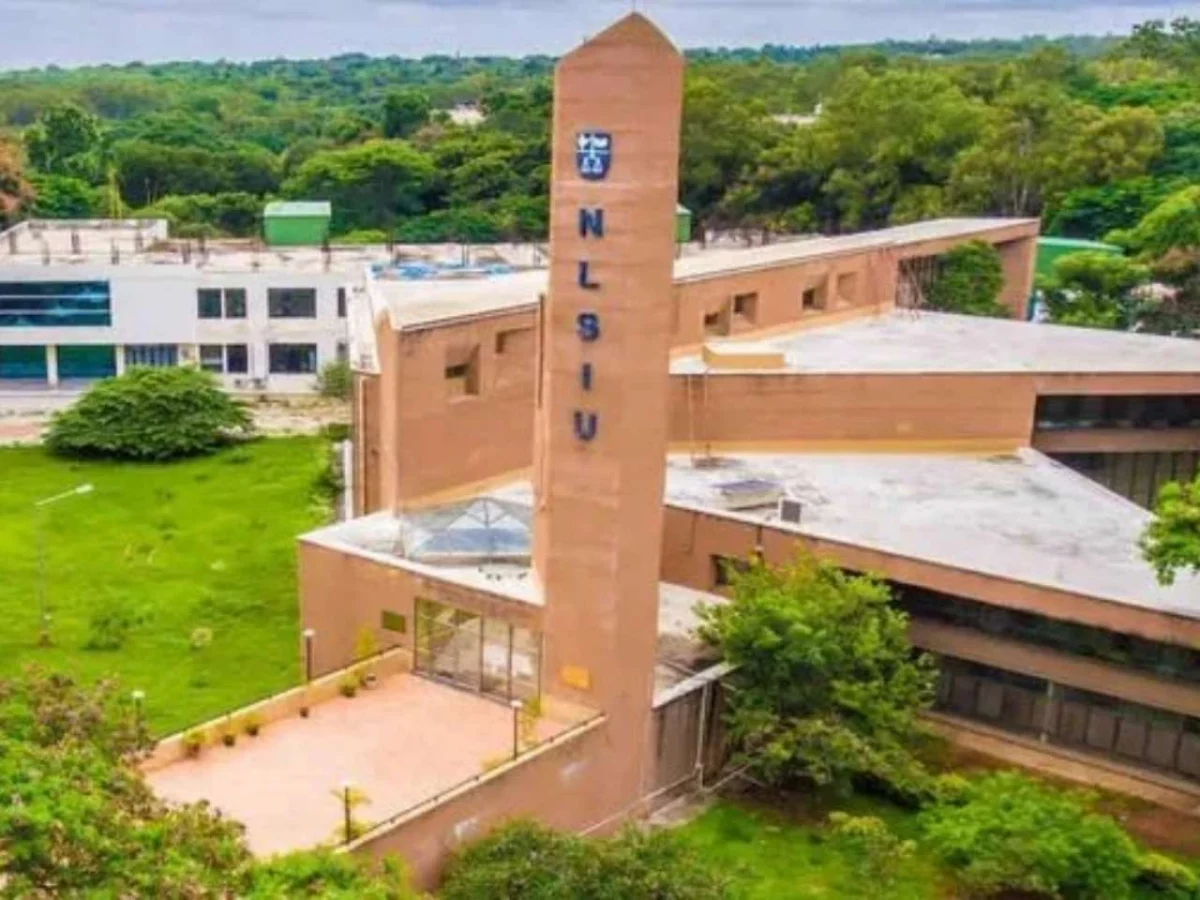
Bengaluru, India – In a dramatic turn of events, the prestigious National Law School of India University (NLSIU) Bengaluru has announced the cancellation of its 34th Annual Convocation for the graduating batch of 2026. The decision, communicated to students via a notice dated August 27, cites "unavoidable circumstances" as the reason for the abrupt halt to the much-anticipated ceremony. However, sources close to the university and student bodies suggest the cancellation is directly linked to widespread student objections concerning the proposed presence of Chief Justice of India (CJI) Surya Kant and Bar Council of India (BCI) Chairman Manan Kumar Mishra as guests of honour.
The convocation, originally scheduled for September 12, was a focal point for the graduating class, marking the culmination of years of rigorous academic pursuit. The university’s sudden reversal has left students grappling with disappointment and uncertainty, with degrees now slated to be conferred in absentia. This development echoes a similar, albeit resolved, controversy at NALSAR University of Law, Hyderabad, raising pertinent questions about the intersection of student dissent, judicial representation, and academic traditions within India’s premier legal institutions.
)
The Unfolding Controversy: From Invitation to Abrupt Cancellation
The genesis of the NLSIU convocation’s downfall can be traced back to the initial invitations extended to CJI Surya Kant and BCI Chairman Manan Kumar Mishra. While the university has not officially elaborated on the specific "unavoidable circumstances," a significant segment of the student body reportedly expressed profound reservations about the participation of these two figures. These objections are not isolated incidents but appear to be part of a broader sentiment being voiced within legal academia, fueled by recent events and perceived stances of the judicial leadership on certain matters.

The NLSIU administration, faced with mounting student opposition and the potential for a disruptive ceremony, appears to have opted for outright cancellation rather than navigating a contentious event. The official communication, brief and to the point, stated: "Despite our collective best efforts, due to unavoidable circumstances, we are unable to hold the 34th Annual Convocation." This statement, while officially closing the door on the physical ceremony, has opened a Pandora’s Box of discussions and anxieties among the graduating students.
)
Degrees in Absentia: A Pragmatic, Yet Unsettling, Alternative
With the convocation cancelled, NLSIU has proposed a pragmatic solution: degrees will be conferred in absentia, pending approval from the university’s governing bodies. This means that students will not have the traditional platform to receive their hard-earned degrees in front of their peers, faculty, and families. Instead, they will have the option to receive their certificates either by courier or by collecting them from the campus. The university has pledged to share a detailed form and further information regarding this process with the graduating batch.
)
While this arrangement ensures that students will receive their academic credentials, it undeniably dilutes the celebratory and symbolic significance of a convocation. For many, it represents a crucial milestone, a moment of public recognition and validation. The absence of a formal ceremony, where achievements are acknowledged and distinguished graduates are lauded, is likely to be a source of significant disappointment for the Class of 2026. The "in absentia" conferment, while a functional alternative, lacks the emotional resonance and communal spirit that a convocation ceremony typically embodies.
)
Echoes of NALSAR: A Pattern of Student Dissent and Judicial Response
The NLSIU controversy is not an isolated incident. It bears striking resemblances to a similar imbroglio that unfolded at NALSAR University of Law in Hyderabad. There too, students had raised objections to the proposed participation of CJI Surya Kant as the chief guest at their convocation. The student concerns at NALSAR reportedly stemmed from a perceived lack of sensitivity towards issues important to the student community, and a desire for representation from figures who, in their view, better understood or championed their concerns.
)
The reaction from the Bar Council of India (BCI) to the NALSAR situation was initially stringent. The BCI had issued an order that effectively froze the enrolment of NALSAR’s entire 2026 graduating batch with state bar councils. This was presented as an inquiry measure pending an investigation into the student objections. However, the BCI later rescinded this punitive measure, concluding that the majority of students had not intended any act of disrespect. This amended order allowed all NALSAR graduates to proceed with their enrolment with the state bar council of their choice.
)
The NLSIU situation appears to have taken a more definitive turn with the outright cancellation of the event. The university’s decision suggests a desire to avoid any potential escalation or prolonged controversy, opting for a swift resolution, even if it means sacrificing a key academic ritual. The parallel with NALSAR, however, highlights a recurring tension between student activism within legal education and the established hierarchies and traditions of the legal fraternity.
)
Student Voices and Broader Implications: A Call for Dialogue and Re-evaluation
The objections raised by NLSIU students, though not fully detailed in public statements, are likely rooted in a desire for greater alignment between the judiciary and the evolving social and ethical landscape that legal professionals are expected to navigate. In an era where issues of social justice, inclusivity, and accountability are increasingly prominent, students often look to their academic institutions and the dignitaries invited to them to reflect these values.
)
The participation of high-profile judicial figures at convocations is not merely ceremonial; it carries symbolic weight. It signifies endorsement, mentorship, and a connection between the graduating cohort and the highest echelons of the legal profession. When students voice objections, it can be interpreted as a call for a deeper engagement with their concerns and a recognition of their evolving perspectives on justice and law.
)
The "Cockroach Janta Party," a political outfit known for its progressive and often satirical commentary on socio-political issues, has also weighed in on the NLSIU cancellation. Co-convenor Saurav Das expressed a hope that the graduating students would organize their own ceremony, suggesting they "do it the Gen-Z way!" This sentiment, while perhaps light-hearted, points to a potential desire among students for alternative avenues of celebration and self-expression, especially when traditional routes are perceived as problematic or unsatisfactory.
)
The implications of this cancellation extend beyond the immediate disappointment of the graduating class. It raises crucial questions for legal education in India:
)
- The Role of Student Voice: To what extent should student concerns influence the selection of guests and the conduct of university ceremonies? How can universities foster an environment where dissent is heard and addressed constructively, rather than leading to outright cancellation?
- Judicial Representation and Relevance: How should judicial dignitaries be chosen for academic events to ensure they resonate with the contemporary concerns and aspirations of law students? Is there a need for greater dialogue between the judiciary and student bodies on evolving legal and social issues?
- Academic Traditions vs. Modern Sensibilities: How can institutions like NLSIU balance the preservation of cherished academic traditions with the need to adapt to the evolving perspectives and expectations of younger generations?
- The BCI’s Role: The BCI’s initial strong stance and subsequent withdrawal in the NALSAR case, and the parallel situation at NLSIU, highlight the BCI’s significant influence over legal education and student matters. This raises questions about the appropriateness and impact of such interventions.
The abrupt cancellation of the NLSIU 2026 convocation, while resolving an immediate point of contention, leaves a void in the celebratory journey of its graduating students. It also serves as a potent reminder of the dynamic and sometimes challenging relationship between established institutions, student aspirations, and the evolving landscape of justice and legal practice in India. As the degrees are conferred in absentia, the hope remains that the dialogue sparked by these controversies will lead to more inclusive and responsive practices within India’s esteemed legal universities.
