

A century-old exercise method, originally termed "Contrology," is experiencing a global resurgence, captivating a new generation with its profound benefits for both physical strength and mental clarity. From its German origins to its modern adaptations, Pilates is proving to be far more than a fleeting trend, backed by scientific evidence and embraced by those seeking a comprehensive approach to health.
The Genesis of a Movement: Joseph Pilates and "Contrology"
The story of Pilates is intrinsically linked to its visionary creator, Joseph Pilates. Born in Germany in the late 19th century, Pilates himself suffered from various ailments in his youth, including asthma and rickets. This personal struggle fueled a lifelong dedication to understanding and improving the human body. Through rigorous self-study and experimentation, he developed a unique system of exercises that he initially called "Contrology." This holistic approach, conceptualized in the early 20th century, aimed to unite mind and body, emphasizing precise movements, controlled breathing, and deep core engagement.
Pilates’ influences were diverse, drawing inspiration from practices such as gymnastics, boxing, yoga, and Zen meditation. He believed in the power of controlled, deliberate movement to build a strong, resilient physique, capable of withstanding the demands of modern life. His philosophy centered on the principle of "contrology," which stressed the importance of conscious muscular control and mental focus during every exercise.
In 1926, Joseph Pilates relocated to New York City, a pivotal moment in the dissemination of his method. He established a studio in close proximity to the New York City Ballet, attracting dancers and athletes who were seeking to enhance their physical capabilities, prevent injuries, and accelerate recovery. His early work with these demanding populations quickly demonstrated the efficacy of his system, laying the groundwork for its enduring popularity. The core principles of "Contrology" were meticulously documented by Pilates himself, with a strict adherence to the original exercises and their specific sequencing. He was famously resistant to modifications, believing that deviations from his prescribed method meant one was no longer practicing true "Contrology."
Evolution and Adaptation: From Classical to Contemporary Pilates
While Joseph Pilates’ original vision remains the bedrock of the practice, the evolution of Pilates has seen it adapt and diversify to meet the changing needs and preferences of practitioners. This evolution can be broadly categorized into distinct lineages:
Classical Pilates: Honoring the Original Method
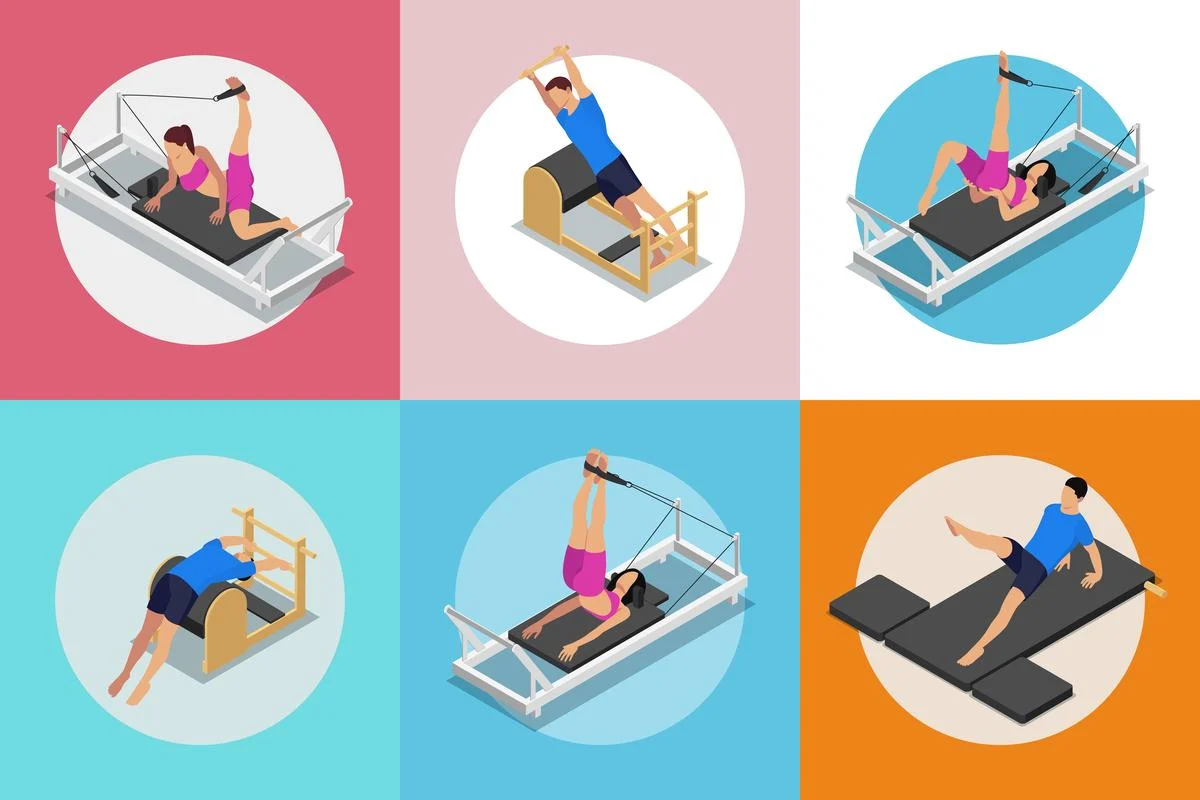
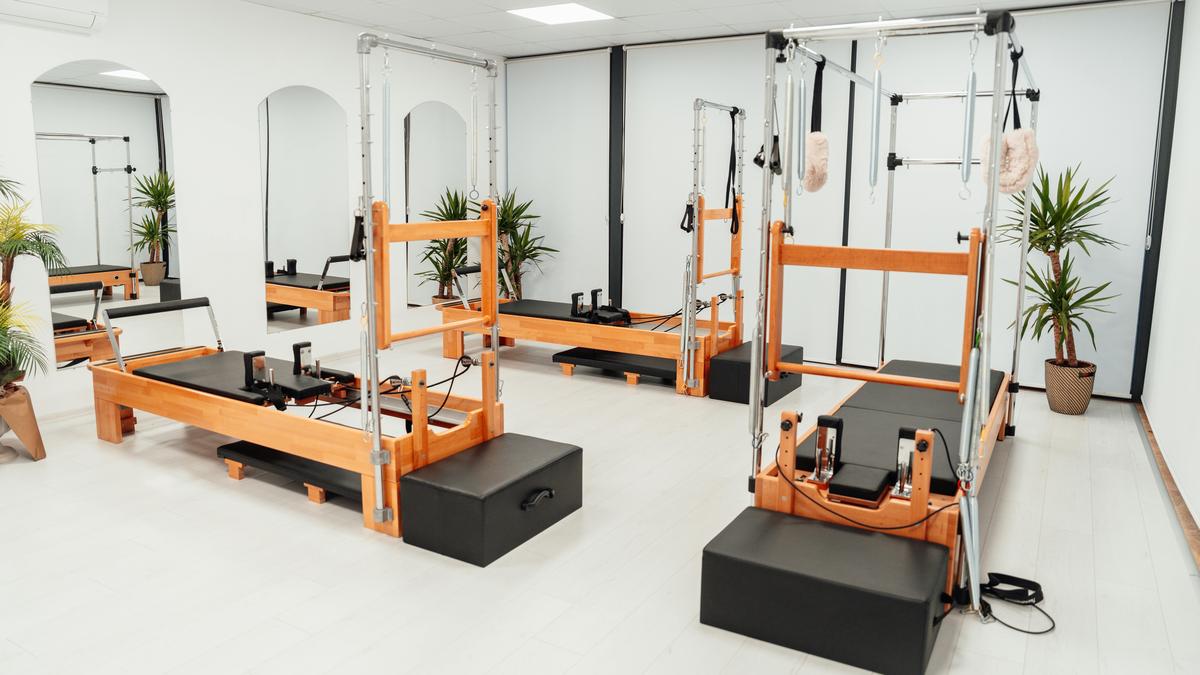
Classical Pilates represents a direct continuation of Joseph Pilates’ original teachings. Developed and preserved by his direct disciples, it maintains a strong emphasis on the precise execution of the original exercises, often in a specific order. While some minor adaptations and additions may have been incorporated over time, the core philosophy and the foundational repertoire remain largely intact. This approach is favored by practitioners who seek the most authentic experience of Joseph Pilates’ system, believing that its integrity lies in its adherence to his original principles. Classical Pilates often involves the use of specialized apparatuses, such as the Reformer, Cadillac, Wunda Chair, and Barrel, which provide variable resistance and support, allowing for a deeper exploration of movement and muscle engagement.
Contemporary Pilates: Modernizing the Practice
In contrast, Contemporary Pilates represents a more evolved and modified interpretation of the Classical method. Developed in recent decades, this approach embraces greater flexibility and innovation. Contemporary Pilates instructors often incorporate additional exercises, introduce new equipment, and allow for more personalized modifications to suit individual needs and physical limitations. The emphasis shifts slightly from strict adherence to a prescribed order to a more adaptable and inclusive approach. This often involves integrating principles from contemporary biomechanics and exercise science, allowing for a broader range of movement possibilities and catering to a wider spectrum of fitness goals.
The rise of Contemporary Pilates has also led to exciting fusions with other fitness disciplines. This has given birth to popular hybrid workouts such as:
- Yogilates: A seamless blend of yoga’s mindful stretching and breathwork with Pilates’ core-strengthening principles.
- Cardiopilates: Incorporating cardiovascular elements into Pilates routines to enhance calorie expenditure and improve endurance.
- Piloxing: A dynamic fusion of Pilates, boxing, and cardio, designed for a high-intensity, calorie-burning workout.
- Aquapilates: Performing Pilates exercises in a water environment, which reduces joint impact and offers natural resistance.
- Aeropilates: Utilizing trampolines and resistance cords to facilitate low-impact exercises that protect joints while building strength.
These adaptations underscore the inherent adaptability of Pilates and its capacity to integrate with other modalities, making it accessible and appealing to a broader audience.
The Science Behind the Strength: Pilates’ Efficacy and Benefits
While the popularity of Pilates has surged, its enduring appeal is not solely attributable to trends or social media influence. A growing body of scientific research consistently validates the efficacy of Pilates as a powerful and multifaceted exercise method. Studies published in reputable journals such as the Journal of Orthopaedic & Sports Physical Therapy and by organizations like the American Council on Exercise have highlighted the significant benefits of Pilates across various domains of health and fitness.
Core Strengthening and Spinal Stability:
At the heart of Pilates lies its profound impact on core strength. The method systematically targets the deep abdominal muscles, back muscles, and pelvic floor, collectively known as the "powerhouse." This enhanced core stability translates to improved posture, reduced risk of back pain, and greater overall body control. Research has shown that Pilates can significantly improve spinal alignment and reduce the incidence of lower back pain, a common ailment in modern society.
Enhanced Flexibility and Posture:
Pilates exercises are designed to lengthen and strengthen muscles simultaneously, promoting a balanced and supple physique. This focus on controlled stretching and elongation contributes to increased flexibility and improved range of motion in the joints. Consequently, practitioners often experience a noticeable improvement in their posture, standing taller and with greater ease.
Body Awareness and Mind-Body Connection:
One of the most distinctive aspects of Pilates is its emphasis on mental focus and body awareness. Each movement requires conscious attention to form, breath, and muscle activation. This heightened mind-body connection not only optimizes the effectiveness of the exercises but also fosters a deeper understanding of one’s own physical capabilities and limitations. This introspective element can be a powerful tool for stress reduction and overall mental well-being.
Injury Prevention and Rehabilitation:
The low-impact nature of Pilates, coupled with its focus on proper alignment and controlled movements, makes it an ideal exercise for injury prevention and rehabilitation. Studies have indicated that Pilates can help individuals recover from injuries by strengthening weakened muscles, improving stability, and restoring proper biomechanical function. The reduced risk of injury compared to high-impact activities is a significant draw for many.
Mental Health and Well-being:
Beyond the physical benefits, Pilates offers significant advantages for mental health. The concentration required during practice can act as a form of moving meditation, helping to alleviate stress and anxiety. By promoting a sense of accomplishment and control over one’s body, Pilates can boost self-esteem and foster a more positive outlook. Research has begun to explore the role of Pilates in reducing symptoms of depression and improving overall mood.
Bone Health and Osteoporosis Prevention:
While not a high-impact weight-bearing exercise, certain Pilates movements, when performed correctly, can contribute to maintaining bone density. For individuals concerned about osteoporosis, a condition characterized by brittle and fragile bones, Pilates can be a valuable addition to a comprehensive health regimen, promoting strength and balance, which are crucial for fall prevention.
The Contemporary Rise of Pilates: A Multifaceted Phenomenon
The past few years have witnessed an undeniable surge in the popularity of Pilates, making it a frequent subject in news cycles and a dominant force in the fitness landscape. Several converging factors contribute to this phenomenon:
Increased Health Consciousness:
A growing segment of the global population is prioritizing health and well-being, seeking sustainable and effective ways to maintain physical fitness and mental resilience. Pilates, with its holistic approach, resonates deeply with this desire for comprehensive wellness.

Social Media Influence and the "FOMO" Effect:
Platforms like Instagram and TikTok have played a significant role in showcasing the aesthetic and functional benefits of Pilates. Images and videos of individuals performing challenging Pilates routines, alongside testimonials of transformation, have created a sense of aspiration and driven the "Fear Of Missing Out" (FOMO) effect, encouraging more people to try the practice.
Accessibility and Adaptability:
The diversification of Pilates into various forms, including mat-based classes and specialized equipment sessions, along with its fusion with other disciplines, has made it more accessible to a wider range of individuals, regardless of their fitness level or previous experience. Online classes and virtual studios have further democratized access.
Celebrity Endorsement and Influencer Culture:
Numerous celebrities and fitness influencers have publicly endorsed Pilates, sharing their personal journeys and the positive impact it has had on their lives. This high-profile advocacy has significantly boosted its visibility and desirability.
A Shift Towards Mindful Movement:
In an era of increasing stress and digital overload, there is a growing appreciation for practices that promote mindfulness and a connection to the physical self. Pilates, with its inherent focus on breath and controlled movement, offers a welcome respite and a pathway to greater self-awareness.
Implications for the Future of Fitness and Wellness
The enduring and growing popularity of Pilates signals a significant shift in how individuals approach their health and fitness. It underscores a move away from purely aesthetic or performance-driven goals towards a more holistic and sustainable model of well-being.
The scientific validation of Pilates’ benefits provides a strong foundation for its continued growth. As research expands, we can expect to see Pilates integrated more extensively into physical therapy protocols, corporate wellness programs, and even preventative healthcare strategies. The adaptability of the method also ensures its relevance for diverse populations, from athletes seeking to optimize performance to seniors aiming to maintain mobility and independence.
The Pilates revolution is not merely a trend; it is a testament to the enduring power of a thoughtfully designed exercise system that addresses the intricate connection between the mind and body. As more people discover its transformative potential, Pilates is poised to remain a cornerstone of the global fitness and wellness landscape for generations to come, offering a path to strength, balance, and a profound sense of well-being.
