

Kozhikode, Kerala – August 29, 2026 – In the vibrant culinary landscape of Kerala, a subtle yet profound transformation is underway, driven not by shifting agricultural yields or evolving trade routes, but by the ubiquitous glow of smartphone screens. From the bustling streets of Kozhikode to the serene backwaters of Alappuzha, social media platforms are increasingly dictating dining choices, igniting culinary curiosity, and even reviving a deep appreciation for traditional flavors among a new generation. This digital revolution in food consumption is a multifaceted phenomenon, influencing everything from individual restaurant choices to household cooking habits, and even breathing new life into Kerala’s rich and diverse culinary heritage.
The Rise of the Digital Foodie: A Generational Shift
The traditional reliance on word-of-mouth recommendations and time-tested family recipes is steadily giving way to a new paradigm. For Gen Z and millennials, particularly in urban centers like Kozhikode, the digital realm has become the primary gateway to gastronomic discovery. Athira K.B., a 22-year-old college student, articulates this shift with remarkable clarity. "If a restaurant regularly pops up on my feed, I instantly feel like checking out what makes it so special," she explains, highlighting the potent influence of consistent digital visibility. This sentiment is not confined to the youngest demographic; it’s a pervasive trend that transcends age.
Athul K., a 32-year-old IT professional from Kochi, exemplifies this broader appeal. While he still cherishes the comfort of food reminiscent of his mother’s cooking, social media has opened new avenues. "I still prefer food that reminds me of what my mother used to cook, but social media has helped me discover restaurants serving traditional dishes," he admits. This suggests that rather than replacing established preferences, digital platforms are acting as powerful curators, bringing forgotten or overlooked culinary treasures back into the spotlight.
The speed and visual allure of these platforms are key drivers. Akshara Ashok, a banker from Pala, notes a significant departure from her previous reliance on peer recommendations. "I previously relied on word-of-mouth recommendations from friends, but I now check videos and reviews before visiting a new venue," she states. The persuasive power of short-form video content is undeniable. "A food video lasting less than a minute can be enough to make someone crave a dish they have never tasted before," Akshara adds, underscoring the immediate and visceral impact of visually appealing culinary content.

Even the youngest members of society are not immune to this digital influence. Ananya S., a 12-year-old from Palakkad, actively engages with food-related content online. "I like watching cooking videos, and sometimes I ask my mother to make the dishes I see online," she shares, indicating an early exposure to diverse culinary practices and a burgeoning interest in replicating them.
A Feast for the Senses: Visuals and Virality in Culinary Content
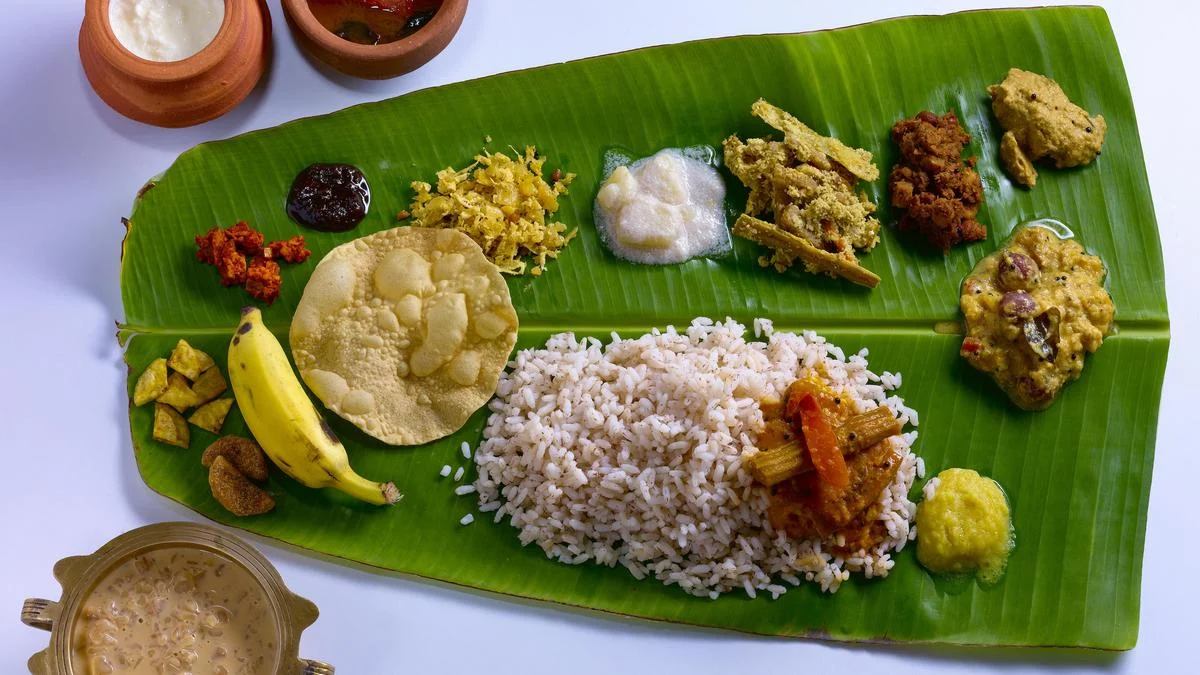
The content itself is a critical factor in this digital food revolution. Instagram Reels, YouTube videos, and other short-form digital platforms have become powerful engines for showcasing Kerala’s rich tapestry of flavors. From the intricate layering of regional biryani variations and the vibrant hues of traditional halwas to the creamy textures of decadent desserts and the wholesome simplicity of traditional Keralam meals, culinary content has emerged as some of the most engaging media online.
The visual appeal of food is paramount. The aforementioned halwa displayed at a shop on Kozhikode’s iconic S.M. Street, with its array of dazzling colors, serves as a potent example of how visually arresting food can capture attention. These platforms allow for the creation of highly stylized and enticing presentations, often transforming everyday dishes into aspirational culinary experiences.
The virality of certain dishes or restaurants is another significant aspect. When a particular dish or eatery gains traction on social media, it often leads to a surge in demand, creating a feedback loop where popularity begets more popularity. This phenomenon can be a double-edged sword, as noted by Fathima Sherin, a homemaker from Thrissur. "Sometimes, the food looks much better in the video than it does on the plate," she observes. This candid admission highlights the potential for social media to cultivate unrealistic expectations and underscores the importance of discerning judgment. "This also reveals the importance of not depending entirely on viral content or vloggers’ opinions," she adds, emphasizing the need for authenticity to anchor the digital experience.

The Renaissance of Heritage Cuisine: Digital Platforms as Preservers
Perhaps one of the most significant positive impacts of this digital culinary wave is its role in revitalizing and preserving Kerala’s heritage cuisine. Traditional dishes, often relegated to home kitchens or specific festivals, are now finding new life and a wider audience through modern digital storytelling. Thankamma Joseph, a 67-year-old from Kottayam, expresses her delight at this trend. "Dishes such as kanji, kappa, and traditional meals have found new audiences when presented through attractive modern food content," she states.
Her experience with her grandchildren, who regularly show her videos highlighting classic recipes, evokes a sense of nostalgia and pride. "Her grandchildren regularly show her videos highlighting classic recipes that are gaining newfound popularity, a trend she finds gratifying as it evokes fond memories of her youth," the article notes. This intergenerational connection, facilitated by digital platforms, is crucial for the continuity of culinary traditions. By showcasing these dishes in an appealing and accessible format, social media is ensuring that they remain relevant and cherished by younger generations.
The appeal of these heritage dishes, when presented through engaging digital content, extends beyond mere nostalgia. It taps into a growing desire for authenticity and a connection to roots, a sentiment that resonates across various age groups.
Influencing Household Dynamics and Regional Exploration
The impact of social media extends beyond individual dining choices and into the very fabric of household routines. Suma Rajan, a homemaker from Koothuparamba, observes a direct correlation between online trends and her family’s meal requests. "My children now ask me to make dishes they see in videos," she shares, indicating a shift in domestic culinary planning. This not only introduces new dishes into the home but also encourages a more adventurous and experimental approach to cooking within families.

Furthermore, social media is breaking down geographical culinary barriers within Kerala itself. Alwin Jose, a 23-year-old college student from Alappuzha, exemplifies this regional exploration. "I have started trying dishes from other parts of Keralam after watching food videos," he says. This exposure to the diverse culinary specialties of different districts, from the seafood-rich Malabar region to the spice-laden cuisines of central and southern Kerala, is fostering a greater appreciation for the breadth and depth of the state’s gastronomic offerings. This interconnectedness, driven by shared digital experiences, is creating a more unified and informed appreciation of Kerala’s culinary landscape.
The Business of Bytes: Restaurant Perspectives
For restaurateurs, the digital landscape presents both opportunities and challenges. Sumesh Govind, CEO and proprietor of Paragon Group of Restaurants, offers a pragmatic perspective. While acknowledging the power of digital promotion, he emphasizes the enduring importance of core business principles. "All said and done, a great restaurant with a focus on authenticity and consistency will be a success regardless of publicity and hype," he asserts. This statement underscores a critical point: while social media can be a powerful catalyst, it cannot substitute for the fundamental pillars of quality food, excellent service, and a commitment to customer satisfaction.
However, ignoring the digital sphere is no longer an option. Restaurants that actively engage with social media, create visually appealing content, and foster positive online reviews are likely to gain a significant competitive edge. The ability to connect directly with consumers, gather feedback, and build a loyal online community is invaluable. The visual representation of dishes, such as the colorful halwa on display, becomes a crucial marketing tool, drawing customers in with the promise of a delightful sensory experience.
Implications and the Road Ahead: Balancing Tradition and Trend
The pervasive influence of social media on culinary exploration in Kerala presents a complex interplay of benefits and potential drawbacks. On one hand, it is democratizing access to culinary information, fostering a greater appreciation for traditional dishes, and encouraging regional gastronomic diversity. It is empowering consumers with more information and choice, and providing a platform for both established and emerging culinary talents.

On the other hand, the potential for unrealistic expectations, the fleeting nature of viral trends, and the risk of superficial engagement with food are concerns that warrant attention. The emphasis on visual appeal could, in some instances, overshadow the nuanced flavors and cultural significance of dishes.
The future of Kerala’s culinary landscape will likely be shaped by how effectively stakeholders can navigate this digital terrain. For consumers, it means cultivating a discerning palate, balancing online inspiration with real-world culinary experiences, and understanding that visual representation is not always a perfect mirror of taste. For restaurateurs, it involves leveraging digital tools strategically while remaining grounded in the principles of quality and authenticity. For culinary heritage enthusiasts and preservationists, it offers an unprecedented opportunity to engage younger generations and ensure the continuity of traditional practices.
As Kerala continues to embrace the digital age, its kitchens, both at home and in restaurants, will undoubtedly be influenced by the ever-evolving world of online content. The challenge and the opportunity lie in ensuring that this digital transformation enriches, rather than diminishes, the deep-rooted culinary soul of the state. The digital palate is here to stay, and its influence will continue to shape how Keralites experience, appreciate, and create food for generations to come.
