

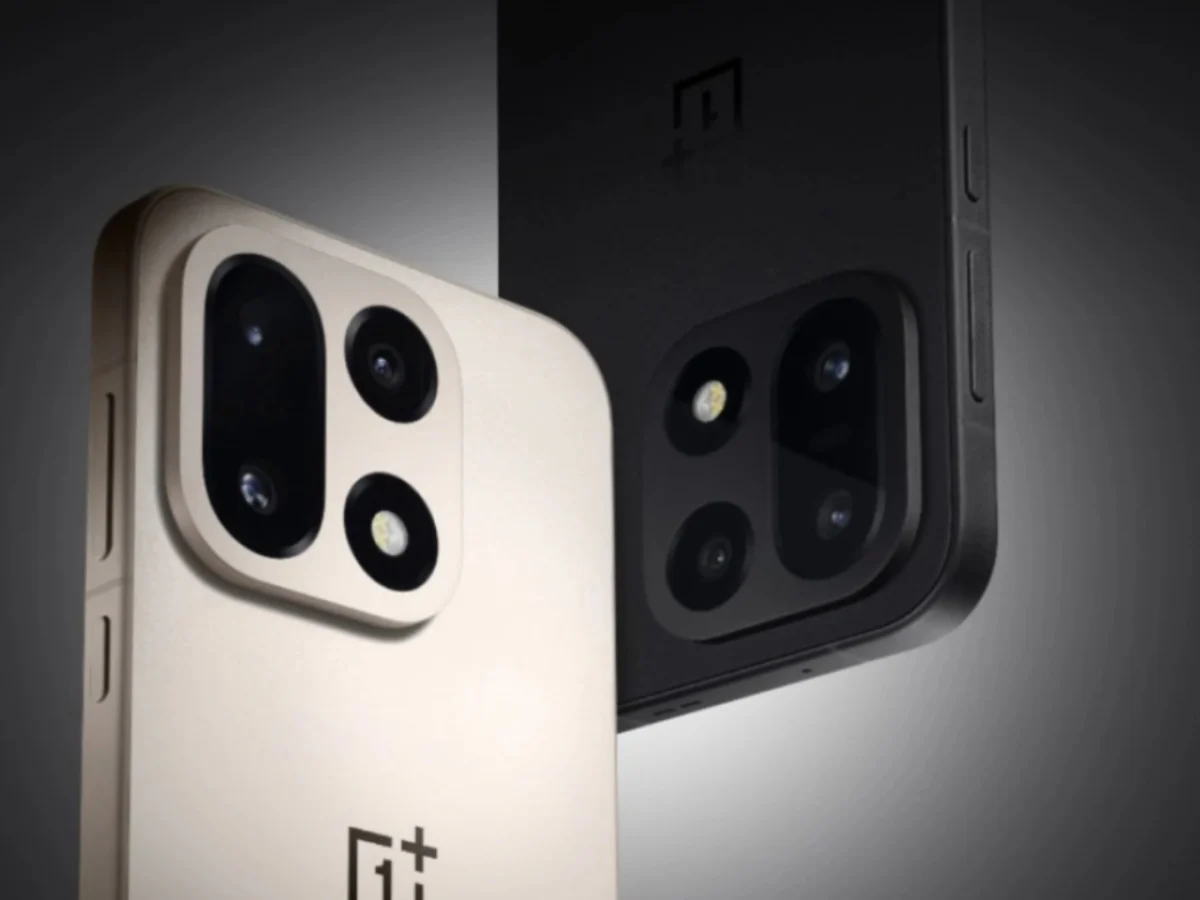
TECHNOLOGY – The smartphone industry is a maelstrom of innovation, intense competition, and ever-shifting corporate strategies. Within this dynamic landscape, OnePlus, once hailed as a "flagship killer" with a fervent community, finds itself at the epicenter of significant change and swirling speculation. While the company has officially confirmed a pivotal software transition from its signature OxygenOS to Oppo’s ColorOS, signaling a deeper integration with its parent company, persistent reports suggest a broader global restructuring that could see the brand scale down operations in key Western markets and face uncertain prospects even in its crucial Indian stronghold.
This comprehensive analysis delves into the intricate web of these developments, separating confirmed facts from speculative reports, examining the strategic rationale behind these moves, and exploring the profound implications for consumers, the market, and the future identity of the OnePlus brand.
Main Facts: OnePlus Navigates a Shifting Global Landscape Amid Restructuring Rumors and Software Overhaul
The narrative surrounding OnePlus is currently bifurcated: on one hand, confirmed strategic shifts; on the other, unverified but persistent reports about its operational future. At the core of the confirmed changes is a significant software overhaul, while the most unsettling rumors point towards a global retreat.
The Core Contention: Global Scale-Down vs. India’s Independent Stance
Reports from reputable financial news outlets, notably Bloomberg, have suggested that OnePlus may be preparing to significantly scale back or even exit operations in crucial Western markets, specifically the US and Europe, by 2027. These reports further hint at a potential scaling down of operations in India, a market where OnePlus has cultivated a substantial and loyal user base. The proposed timeline for such a withdrawal, according to some sources, could commence as early as the current year.
)
In stark contrast to these alarming claims, OnePlus has issued firm denials regarding its intentions in India. The company asserts that its India business continues to "operate normally" and has explicitly urged media outlets to refrain from amplifying "unverified reports." This creates a perplexing dichotomy: while global reports paint a picture of strategic retrenchment, OnePlus maintains a resolute front for its Indian operations, emphasizing its commitment to the market. The company insists it will remain "independent entities" within India, a statement that warrants closer examination in the context of its deeper integration with Oppo.
Confirmed Software Evolution: OxygenOS to ColorOS
Beyond the swirling rumors, one undeniable and significant change is the confirmed replacement of OxygenOS with Oppo’s ColorOS. This transition is not merely a cosmetic branding exercise but a fundamental shift in software development strategy. It is part of a broader, deliberate effort by Oppo, the parent company, to unify software development across its diverse portfolio of brands. The primary objective is to streamline engineering resources, reduce development redundancies, and significantly accelerate the delivery of software updates and security patches across all integrated devices. For long-time OnePlus users, OxygenOS was a cornerstone of the brand’s identity – known for its clean, near-stock Android experience and user-centric features. Its replacement marks an end of an era for many enthusiasts.

The Parent Company’s Shadow: Oppo’s Strategic Realignment
The current situation at OnePlus cannot be understood in isolation; it is inextricably linked to the broader strategic maneuvers and challenges faced by its parent company, Oppo. As a leading Chinese smartphone manufacturer, Oppo is reportedly grappling with a confluence of adverse factors. These include a global slowdown in smartphone sales, which has affected nearly all players in the market, coupled with rising operational costs and escalating geopolitical challenges. The latter encompasses everything from supply chain disruptions to increased regulatory scrutiny of Chinese technology firms in various international markets. Adding another layer of complexity and financial strain, Oppo is also embroiled in a high-stakes trade secrets lawsuit filed by Apple, a legal battle that could have significant financial implications and divert crucial resources. These macro-level pressures on Oppo are likely the underlying drivers for any proposed global restructuring, including potential adjustments to its subsidiary brands like OnePlus.
India’s Pivotal Role: Denials and Strategic Investments
Despite the global headwinds and restructuring rumors, OnePlus’s commitment to the Indian market appears, at least officially, unwavering. Beyond the denials of an exit, the company has underlined its long-term strategic investments in the country. OnePlus has reportedly allocated a substantial ₹6,000 crore (approximately $725 million USD) under "Project Starlight" to bolster localization efforts, enhance research and development capabilities, and significantly expand its after-sales service network in India. Furthermore, in a clear demonstration of its manufacturing intent, OnePlus entered into partnerships with Optiemus Electronics Limited in June 2025 for premium IoT devices and with Bhagwati Products Limited in August 2025 for premium tablets. These investments and partnerships signal a strategic deepening of its roots in India, making the rumors of a scale-down particularly perplexing for local consumers and industry observers.
)
A Chronology of Integration and Speculation
To fully appreciate the current state of OnePlus, it is crucial to trace the lineage of its integration with Oppo and the unfolding timeline of both confirmed changes and speculative reports.
Early Seeds of Integration: 2021 Merger and Initial Software Unification Talks
The journey towards deeper integration between OnePlus and Oppo officially began in June 2021, when OnePlus CEO Pete Lau announced that OnePlus would merge its operations with Oppo. This move was framed as a way to "maximize resources" and streamline operations across both brands, which are ultimately part of the larger BBK Electronics conglomerate. While the brands were initially expected to retain their separate identities, the seeds of a unified strategy were clearly sown. This period saw initial discussions about software integration, aiming to leverage Oppo’s vast R&D capabilities for OnePlus devices, but maintaining OxygenOS as a distinct entity was still the stated goal.
)
The OxygenOS-ColorOS Transition: A Phased Approach
The complete software merger, however, gained momentum more recently. After a period of "codebase unification" that began shortly after the 2021 merger, the official announcement to fully replace OxygenOS with ColorOS on all new OnePlus devices (and eventually older ones via updates) solidified the integration. This decision, communicated clearly by OnePlus, marked the end of the distinct OxygenOS experience that had garnered a loyal following. The transition is expected to be phased, with new devices launching directly with ColorOS (or a heavily customized version of it tailored for OnePlus) and existing devices receiving the update over time. This move underscores a strategic decision to consolidate software development under one roof, prioritizing efficiency and broader ecosystem consistency over brand-specific software identity.
Recent Developments: Bloomberg Reports and Official Denials (2026/2027 Context)
The most recent wave of concern emerged with reports, notably from Bloomberg, indicating a potential global withdrawal or significant scaling down of OnePlus operations. These reports, often citing anonymous sources familiar with the company’s internal discussions, began circulating with increased frequency, pointing towards a possible exit from markets like the US and Europe by 2027. The timing of these reports, juxtaposed with Oppo’s broader challenges, suggested a strategic response to market pressures. However, OnePlus’s immediate and unequivocal denials concerning its India operations stand out as a crucial counter-narrative, suggesting a differentiated strategy for specific regions. The discrepancy between global reports and regional denials has fueled considerable uncertainty.
)
India-Specific Milestones: Manufacturing Partnerships and Project Starlight (2025)
In parallel to the global speculation, OnePlus has made concrete moves to solidify its presence in India. The announcement of Project Starlight, a ₹6,000 crore investment aimed at enhancing localization, R&D, and after-sales service, signals a long-term commitment. Furthermore, the manufacturing partnerships established in 2025 – with Optiemus Electronics Limited for IoT devices in June and with Bhagwati Products Limited for tablets in August – demonstrate a tangible effort to deepen its manufacturing footprint within India. These are not actions typically associated with a company planning to scale down or exit a market, adding another layer of complexity to the overall picture.
Supporting Data and Industry Context
Understanding the broader landscape of the smartphone industry and the specific challenges faced by companies like Oppo and OnePlus provides critical context for the current situation.
)
Global Smartphone Market Trends: Headwinds for Manufacturers
The global smartphone market has been experiencing a significant slowdown in recent years. Following a boom period, market saturation in developed economies, coupled with extended device refresh cycles and a more cautious consumer spending environment, has led to declining sales volumes. Economic uncertainties, inflation, and geopolitical tensions have further dampened consumer confidence and purchasing power. Manufacturers are struggling with tighter margins, increased competition, and the rising costs of components and logistics. This overarching trend creates immense pressure on all smartphone brands, forcing them to re-evaluate their market strategies, optimize costs, and consolidate resources where possible.
OnePlus’s Market Position and Trajectory
OnePlus initially carved a niche as a "flagship killer," offering high-end specifications at competitive prices, coupled with a clean Android experience (OxygenOS) and a strong community focus. This strategy allowed it to gain significant traction, particularly among tech enthusiasts. However, over the years, as its prices crept upwards, and its product portfolio expanded, OnePlus began to compete more directly with established premium brands. This shift, while expanding its market reach, also diluted its original "flagship killer" identity. In recent times, while still a recognized brand, OnePlus has faced intense competition from other Chinese brands (like Xiaomi, Realme, and Vivo, often under the same BBK umbrella), as well as the enduring dominance of Samsung and Apple in the premium segment. Its market share, while respectable in certain regions like India, has not consistently seen the explosive growth of its early years, making it susceptible to broader market downturns.
)
The Rationale Behind Software Unification: Efficiency and Ecosystem Building
The decision to unify OxygenOS with ColorOS is a classic example of corporate synergy aimed at achieving greater efficiency. By consolidating software development, Oppo can:
- Reduce Redundancy: Avoid having multiple teams working on similar features or foundational Android layers.
- Accelerate Updates: A unified codebase allows for faster development, testing, and rollout of Android updates and security patches across a wider range of devices.
- Cost Savings: Fewer dedicated software teams for each brand translate to significant operational cost reductions.
- Ecosystem Consistency: Create a more consistent user experience across different brands within the Oppo family, facilitating easier user migration and potentially fostering a broader software ecosystem.
- Leverage Scale: Oppo’s larger R&D budget and team can be focused on a single, robust software platform that benefits all integrated brands.
While beneficial from a corporate efficiency standpoint, this move inevitably comes at the cost of brand distinctiveness, particularly for a brand like OnePlus that prided itself on its unique software identity.
)
Geopolitical and Regulatory Pressures: The Broader China Tech Landscape
Chinese technology companies, including smartphone manufacturers, have been operating under increasing geopolitical scrutiny. Trade tensions between the US and China, intellectual property concerns, and data privacy regulations in various countries have created a complex and challenging operating environment. Companies face potential import restrictions, bans, and increased compliance costs. The Apple trade secrets lawsuit against Oppo, specifically mentioned in the reports, highlights the legal and financial vulnerabilities that such companies can face on the global stage. These external pressures can significantly impact a company’s ability to operate profitably in certain markets and may necessitate strategic withdrawals or restructuring to mitigate risks.
Financial Performance of Oppo and its Subsidiaries
While specific, granular financial data for Oppo and its subsidiaries like OnePlus are not publicly disclosed with the same transparency as publicly traded Western companies, industry analysts and market reports suggest that major Chinese smartphone manufacturers have been feeling the pinch. Declining smartphone shipments globally and intense domestic competition have put pressure on revenues and profit margins. Companies are compelled to seek avenues for cost optimization and market rationalization. Any proposed restructuring or scaling down of operations would likely be a direct response to these financial pressures, aimed at improving profitability and market efficiency in the long term.
)
Official Responses and Corporate Communications
The official statements from OnePlus and its parent company have played a crucial role in shaping the public’s understanding, often attempting to counteract the prevailing rumors.
OnePlus India’s Categorical Denials
Following the initial Bloomberg reports suggesting a global scale-down that could include India, OnePlus India swiftly issued strong denials. Their official statement emphasized that the company’s "India business continues to operate normally" and that they are committed to the Indian market. This categorical denial was aimed at reassuring consumers, partners, and employees in India, a market where OnePlus has invested heavily and holds significant brand equity. The language used was direct and firm, attempting to quash any speculation of an imminent exit or major retrenchment in the region.
)
Nuances in Global vs. Regional Statements
A key aspect of the communication strategy is the nuance between global reports and regional denials. While global reports, often citing unnamed sources, speak of a broader restructuring affecting multiple markets, OnePlus’s official responses have been highly localized, specifically denying an exit from India. This suggests a differentiated approach to market communication, possibly reflecting varying strategic importance or operational models across regions. It also leaves room for interpretation regarding the company’s global strategy outside of India, as a direct global denial has been less prominent than the India-specific one. The absence of a similarly strong global denial can inadvertently lend credence to the non-India specific parts of the restructuring rumors.
Addressing User Concerns: Warranty and After-Sales Commitments
A critical concern for existing and prospective buyers amidst such rumors is the continuity of warranty and after-sales service. OnePlus has addressed this by confirming that even if restructuring were to occur, warranty and after-sales service for its devices in India would continue seamlessly through Oppo’s extensive service network. The company highlighted plans to expand Oppo’s service centers in India from the current 400 to an ambitious 600, indicating a robust infrastructure for customer support. This commitment is vital for maintaining consumer trust and ensuring that existing device owners do not feel abandoned. However, a lingering uncertainty remains regarding "long-term spare parts and software support" if a significant global restructuring were to materialize, a point that still needs more definitive clarification.
)
The ‘Independent Entities’ Claim: A Closer Look
OnePlus’s assertion that it will remain "independent entities" in India despite the wider software integration and corporate alignment with Oppo is a complex claim. Operationally, this could mean that OnePlus India retains distinct branding, marketing, sales teams, and perhaps even some product development autonomy tailored for the Indian market. However, with software development centralized under ColorOS and manufacturing partnerships potentially serving broader Oppo group needs, true "independence" becomes a nuanced concept. It likely signifies a degree of operational and brand separation within the larger corporate structure rather than complete autonomy from Oppo’s overarching strategic directives and resource allocation. This ‘independence’ might be more about market positioning and brand perception rather than complete structural separation.
Implications and the Road Ahead
The ongoing developments at OnePlus carry significant implications for various stakeholders, from individual consumers to the broader smartphone industry.
)
For Indian Consumers: A Mixed Bag of Certainty and Uncertainty
For the millions of OnePlus users and potential buyers in India, the situation presents a perplexing mix of reassurance and lingering questions.
Immediate Impact: Software Experience and After-Sales Service
The immediate and confirmed change is the shift to ColorOS. For existing users, this means a different software experience. While ColorOS has evolved significantly and offers a rich feature set, it deviates from the minimalist, near-stock Android philosophy that many OnePlus loyalists cherished. This could be a point of contention for some but may be a non-issue for others, especially newer users. The commitment to expand Oppo’s service network for after-sales support is a strong positive, providing peace of mind regarding immediate repair and warranty needs.
)
Long-Term Concerns: Spare Parts, Software Updates, and Brand Trust
The uncertainty surrounding "long-term spare parts and software support" is a significant concern. If global restructuring leads to a diminished product portfolio or a complete withdrawal from certain markets, the availability of specialized parts for older models could become problematic over time. While major Android updates are expected to continue for supported models, the speed and frequency of these updates might be influenced by the unified ColorOS development cycle, which might prioritize Oppo’s broader device lineup. The constant back-and-forth between reassuring statements and alarming reports can erode brand trust, making consumers hesitant about long-term investments in the brand.
Purchase Decisions: Weighing Value Against Longevity
For consumers considering a new OnePlus device, the advice remains nuanced. If a compelling deal is available and the user plans to utilize the device for a typical 2-3 year cycle, the hardware quality remains a strong selling point. OnePlus devices are generally well-regarded for their performance and build quality. However, for those seeking a device for a longer period (4-5 years) or prioritize software longevity and brand stability above all else, the current uncertainty makes the purchase decision less straightforward. The lack of a clear, long-term roadmap from OnePlus beyond its immediate denials means consumers must factor in a degree of risk.
)
For the Global Smartphone Market: Consolidation and Competition
Should OnePlus indeed scale down or exit key Western markets, it would contribute to a broader trend of market consolidation. The vacuum left by OnePlus could be filled by other aggressive Chinese brands looking to expand their global footprint (like Xiaomi or Honor) or by established players like Samsung and Apple. This could intensify competition in the premium and upper-mid-range segments, potentially leading to more aggressive pricing or innovation from competing brands. The overall market might see fewer distinct brands, with larger conglomerates dominating.
For OnePlus as a Brand: Identity Crisis or Strategic Evolution?
OnePlus’s brand identity has always been closely tied to its "Never Settle" ethos, its community engagement, and its distinct OxygenOS. The transition to ColorOS, while strategically rational, undeniably blurs the lines between OnePlus and Oppo. This could lead to an "identity crisis" for the brand, risking the alienation of its loyal fan base who valued its uniqueness. Alternatively, it could be seen as a strategic evolution – shedding some of its niche appeal to become a more mainstream, globally integrated brand under the Oppo umbrella, leveraging Oppo’s vast resources for wider market penetration. The challenge will be to differentiate itself sufficiently within Oppo’s multi-brand strategy (which also includes Realme) to avoid becoming just another variant.
)
The Broader Ecosystem: Oppo’s Ambitions and Challenges
The entire situation underscores Oppo’s larger strategic ambitions and the challenges it faces. By unifying software and potentially rationalizing its brand portfolio, Oppo aims to create a more efficient, resilient, and globally competitive ecosystem. This strategy is driven by the need to navigate a tough market, consolidate resources, and present a stronger, more cohesive front against global giants like Samsung and Apple, as well as domestic rivals. However, this comes with the inherent risk of diluting individual brand identities and potentially alienating dedicated user bases. The success of this strategy will depend on Oppo’s ability to maintain brand loyalty across its integrated brands while achieving the desired operational efficiencies.
Conclusion: Awaiting Clarity in a Dynamic Market
The narrative surrounding OnePlus is currently a blend of strategic evolution and unsettling speculation. The confirmed shift to ColorOS signifies a deeper integration with Oppo, aimed at operational efficiency and accelerated software development. Simultaneously, persistent reports of a global scale-down, particularly in Western markets, paint a picture of a brand facing significant headwinds and a strategic re-evaluation by its parent company.
)
While OnePlus has vehemently denied any plans to exit or significantly scale down its operations in India, emphasizing substantial investments like Project Starlight and local manufacturing partnerships, the overall uncertainty remains high. For Indian consumers, the immediate future seems secure with continued after-sales support through Oppo’s expanding network. However, long-term concerns regarding spare parts, sustained software support, and the fundamental identity of the OnePlus brand persist without a clear, comprehensive roadmap from the company.
As the smartphone market continues its dynamic evolution, all eyes will remain on OnePlus and Oppo. The coming months and years will reveal whether this period marks a strategic retreat for OnePlus from certain markets, a complete transformation of its brand identity, or a successful re-invention as a key player within Oppo’s broader, unified ecosystem. Until a clearer picture emerges, consumers and industry observers alike will continue to weigh the potential risks and rewards of this iconic brand’s uncertain journey.
