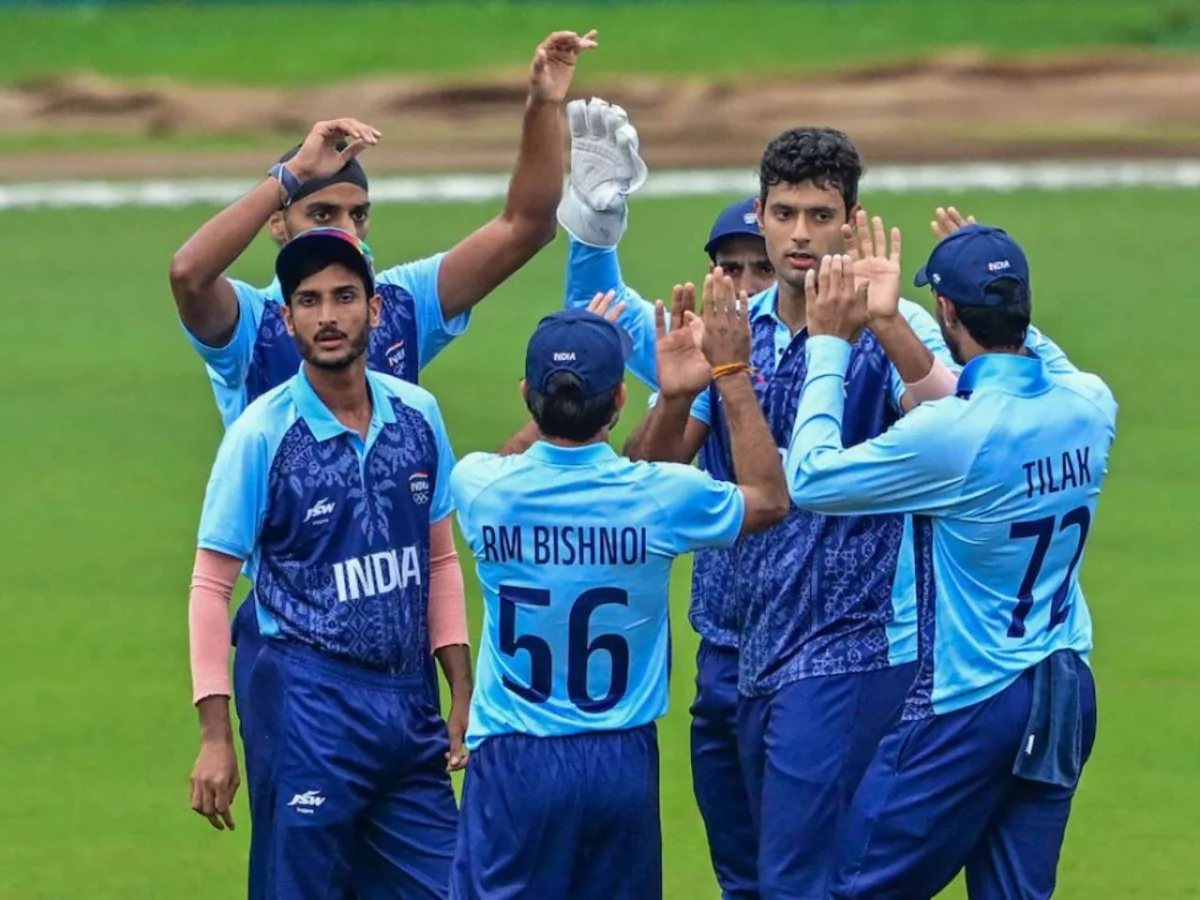
Nagoya, Japan – The Board of Control for Cricket in India (BCCI), the world’s wealthiest and most influential cricket governing body, is reportedly contemplating sending a ‘B’ team, or a second-string squad, to the 2026 Asian Games in Japan. This significant consideration stems from profound dissatisfaction expressed by the BCCI regarding the facilities and logistical arrangements being offered by the host nation for the upcoming multi-sport extravaganza. The potential decision underscores a growing tension between the aspirations of multi-sport event organizers and the stringent requirements of elite cricketing nations.
The cricket tournament at the 20th Asian Games, scheduled to commence on September 19, 2026, is a highly anticipated event. However, the prospect of India, a perennial powerhouse in international cricket, fielding a less experienced squad due to off-field issues casts a shadow over the tournament’s prestige and competitive landscape. The BCCI’s concerns primarily revolve around inadequate player accommodation, logistical hurdles, and the questionable suitability of the designated cricket venue, leading to a critical re-evaluation of its participation strategy.
The Genesis of Discontent: BCCI’s Mounting Concerns
The core of the BCCI’s apprehension lies in a detailed assessment of the proposed arrangements in Japan. Reports indicate that the Indian board finds the hotel rooms designated for athletes to be "super cramped," barely offering enough space for players to maneuver around their kit bags, let alone provide adequate comfort for rest and recovery crucial for professional athletes. This issue alone has raised significant red flags, signaling a potential compromise on player welfare.
Furthermore, the absence of a dedicated athlete village, a standard feature in major multi-sport events globally, has compounded the logistical challenges. With most suitable hotels in close proximity to the venues reportedly already booked, cricketers face the prospect of staying up to 20 kilometers away from the Korogi Sports Park in Nisshin, the designated cricket venue. Such a considerable distance would necessitate extensive daily travel, adding to player fatigue, disrupting training schedules, and potentially impacting overall performance.
)
Perhaps the most significant concern pertains to the cricket ground itself. The venue, Korogi Sports Park, was originally a baseball stadium that has only recently been converted into a cricket pitch. This conversion raises serious questions about the pitch’s quality, the outfield’s condition, and the overall suitability for international-level cricket. Critically, the venue has not undergone rigorous testing at the international level, leaving its playing characteristics largely unknown and untested. These doubts are not exclusive to India; the Pakistan Cricket Board (PCB) has also reportedly voiced similar misgivings, suggesting a broader consensus among cricketing nations regarding the inadequacies.
These cumulative issues have prompted the BCCI to plan sending an observer team to Japan for a comprehensive on-ground inspection. The findings of this delegation, coupled with a forthcoming assessment by the Asian Cricket Council (ACC)’s technical team, will be pivotal in determining India’s final approach to the 2026 Asian Games cricket tournament.

Chronology of Cricket’s Return and the Road to 2026
Cricket’s journey within the Asian Games framework has been intermittent, reflecting the sport’s complex global calendar and the challenges of integrating it into multi-sport events.
- 2010 Asian Games (Guangzhou, China): Cricket made its debut as a medal sport in the T20 format. Bangladesh won the men’s gold, while Pakistan secured the women’s gold. India chose not to send a team due to conflicting international commitments.
- 2014 Asian Games (Incheon, South Korea): Cricket was retained, with Sri Lanka winning men’s gold and Pakistan defending their women’s title. India again opted out.
- 2018 Asian Games (Jakarta-Palembang, Indonesia): Cricket was controversially dropped from the program, citing logistical challenges and a lack of participation from major cricketing nations.
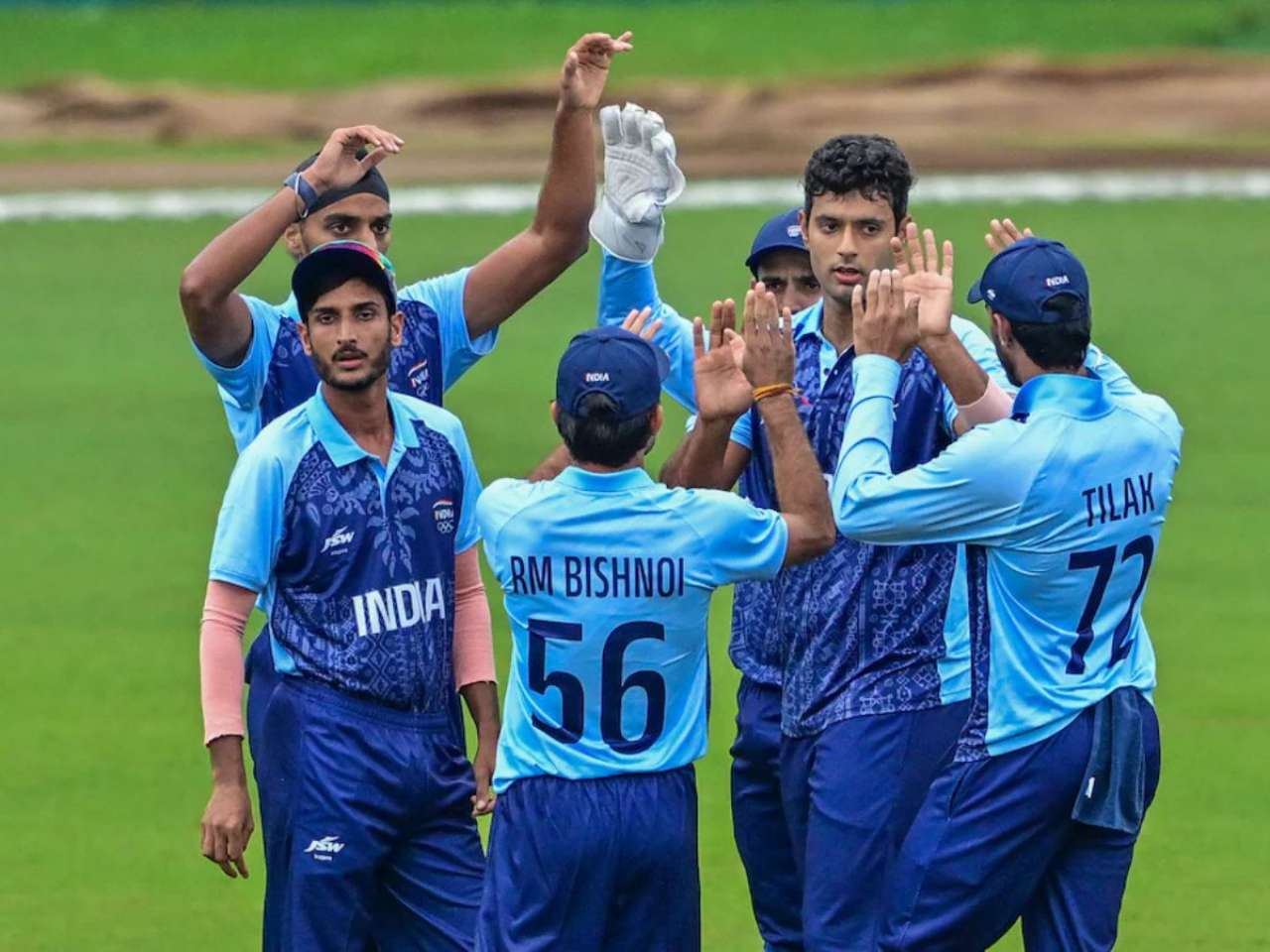
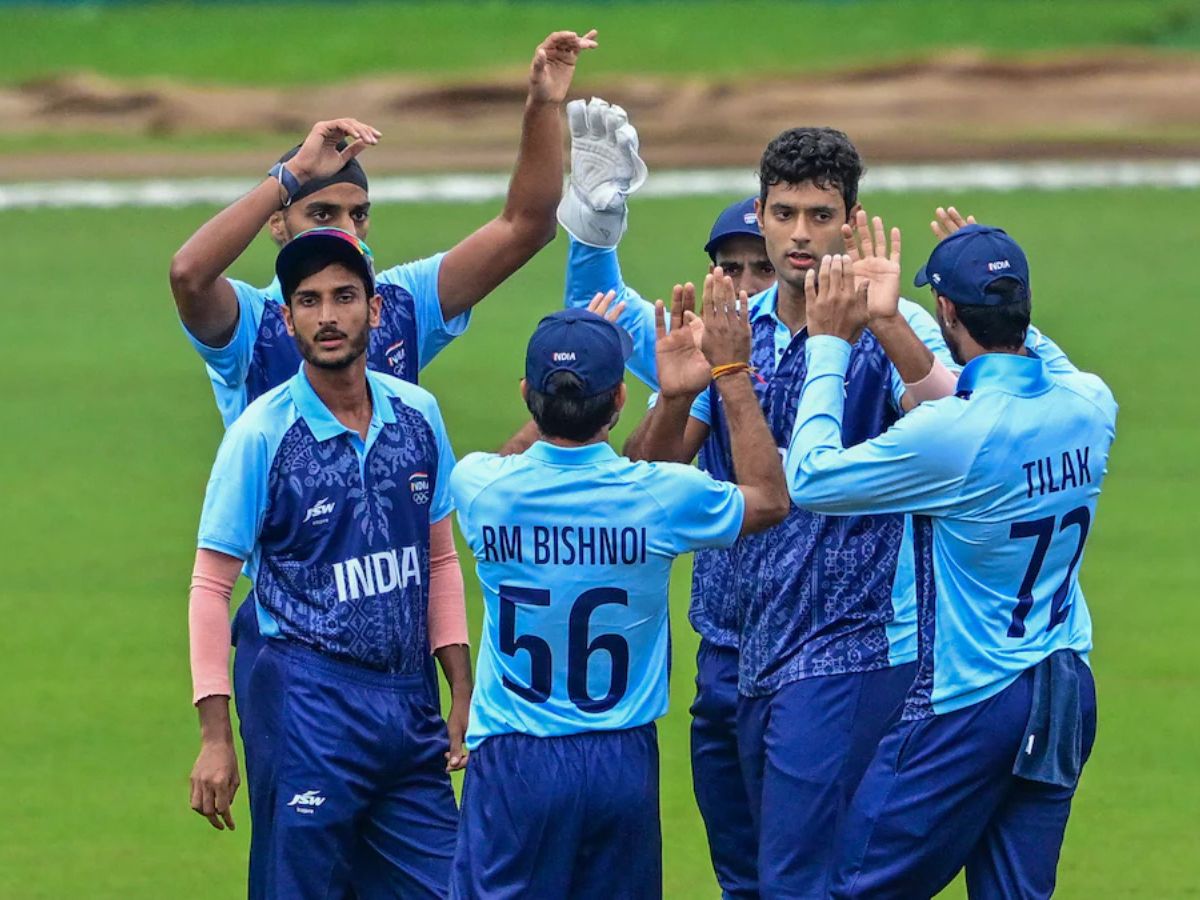
- 2022 Asian Games (Hangzhou, China – held in 2023): After a hiatus, cricket made a triumphant return to the Asian Games roster. India, for the first time, decided to participate, sending a second-string men’s team and a full-strength women’s team. Both Indian squads excelled, securing gold medals, highlighting the nation’s prowess and the increasing importance placed on multi-sport events by the BCCI. This successful outing significantly raised expectations for India’s participation in future editions.
- 2026 Asian Games (Aichi-Nagoya, Japan): Cricket is once again confirmed for the program. The men’s tournament is scheduled to kick off on September 24, while women’s cricket will begin earlier on September 17. The overall Games begin on September 19. Ten men’s teams and eight women’s teams are slated to compete.
The decision to participate in Hangzhou 2022 (held in 2023) marked a strategic shift for the BCCI, aiming to foster talent and secure medals for the nation. The current concerns regarding Japan’s facilities thus represent a significant setback to this renewed commitment, potentially jeopardizing India’s ability to send its best available talent.
)
Supporting Data: A Deep Dive into the Facility Deficiencies
The detailed grievances articulated by the BCCI paint a clear picture of facilities that fall short of the standards expected for an international multi-sport event involving professional athletes.
1. Substandard Accommodation:
)
- Issue: Hotel rooms described as "super cramped."
- Impact: Elite cricketers travel with significant equipment – multiple bats, pads, gloves, helmets, protective gear, and personal luggage. Tiny rooms not only make it difficult to store these items but also severely limit personal space for relaxation and movement. Adequate rest and personal space are crucial for mental and physical well-being during demanding tournaments. Lack of comfort can lead to fatigue, stress, and negatively impact performance. The implied lack of separate spaces for players (e.g., individual rooms or spacious shared accommodations) goes against modern sporting best practices.
2. Absence of Athlete Village and Logistical Nightmare:
- Issue: No dedicated athlete village; most nearby hotels booked, forcing players to stay 20 kilometers away.
- Impact: Athlete villages are designed to create a conducive environment for athletes, providing convenient access to training venues, dining facilities, medical services, and opportunities for cultural exchange. Their absence forces teams to seek private accommodations, often scattered across the city. A 20-kilometer commute each way daily translates to significant travel time (potentially 1-2 hours depending on traffic), leading to:
- Increased Fatigue: Less time for rest, recovery, and training.
- Disrupted Routines: Irregular meal times, delayed practice sessions.
- Security Concerns: Managing the movement of high-profile athletes across public transport routes or private vehicles introduces security risks.
- Environmental Footprint: Increased carbon emissions from daily commutes.
- Team Cohesion: Living far apart can hinder team bonding and strategic discussions.
3. Questionable Playing Venue: Korogi Sports Park:
)
- Issue: A former baseball stadium recently converted into a cricket pitch, untested at international level. Concerns about pitch and outfield quality.
- Impact: Cricket pitches are highly specialized surfaces that significantly influence the game. A hastily converted baseball field raises multiple concerns:
- Pitch Quality: The bounce, pace, and spin characteristics of the pitch might be unpredictable, potentially leading to injuries or unfair play. An uneven or poorly prepared pitch can make batting and bowling extremely difficult and dangerous.
- Outfield Condition: Baseball outfields are typically manicured for specific diamond dimensions, not the expansive, circular requirements of a cricket ground. Poor outfields can lead to slow scoring, difficult fielding, and increased risk of injuries from uneven surfaces.
- Boundary Distances: Baseball stadiums often have shorter boundaries in certain areas, which might necessitate artificial adjustments or lead to an imbalance in play.
- Safety: Untested surfaces pose a risk of player injuries due to unexpected divots, soft spots, or hard patches.
- Fan Experience: A poorly converted ground might not offer optimal viewing angles or facilities for spectators.
The combined weight of these issues presents a compelling case for the BCCI’s reluctance to expose its top players to potentially substandard conditions, prioritizing player welfare and performance integrity above all else.
Official Responses and the Path Forward
The BCCI’s stance is unequivocal: player welfare and optimal playing conditions are non-negotiable. While no official statement has been released directly from the BCCI’s leadership outlining these concerns to the public, internal communications and reports clearly indicate a firm position. The decision to send an observer team is a standard protocol to gather firsthand information before committing to such a significant event.
)
Asian Cricket Council (ACC)’s Intervention:
Recognizing the gravity of the situation, the Asian Cricket Council (ACC), the regional administrative body for cricket in Asia, has stepped in. An ACC technical team is slated to visit Japan for a comprehensive assessment. Their mandate includes inspecting:
- The Cricket Ground: A thorough evaluation of the pitch, outfield, practice nets, and ancillary facilities.
- Practice Facilities: Ensuring adequate and high-quality practice areas are available for teams.
- Accommodation: Verifying the suitability and comfort of the proposed hotels.
- Logistics: Assessing transport plans, medical facilities, and overall operational efficiency.
The report from the ACC technical team will be crucial. It will either validate the BCCI’s concerns, potentially strengthening India’s resolve to send a ‘B’ team or even withdraw, or it might offer reassurances that necessary improvements can be made. The ACC’s role here is not just advisory but also diplomatic, aiming to facilitate a resolution between the host organizers and the participating federations.
)
Host Nation’s Potential Response:
While the original article does not detail an official response from the Japanese organizers or the Asian Games Organizing Committee (AAGOC), their reaction to these concerns will be critical. Faced with potential backlash from major cricketing nations and a possible dip in the tournament’s quality, they will likely be under pressure to address the issues. Possible responses could include:
- Proposing Alternative Accommodation: Securing better hotels, even if further away, and improving transport logistics.
- Accelerating Venue Improvements: Investing further in the Korogi Sports Park to bring it up to international cricket standards, possibly with expert consultancy.
- Offering Concessions: Providing additional support or facilities to participating teams.
The dialogue between the BCCI, ACC, and the Japanese organizers will be instrumental in determining the ultimate fate of India’s participation and the overall success of the cricket event at the 2026 Asian Games.
)
Implications: Beyond the Boundary Ropes
The BCCI’s potential decision to field a ‘B’ team carries significant implications across various facets of sports, diplomacy, and development.
1. Impact on Tournament Prestige and Competition:
)
- Reduced Stature: The Asian Games, while a significant regional event, relies on the participation of top athletes from leading nations to maintain its prestige. India sending a ‘B’ team would undoubtedly diminish the competitive quality and allure of the cricket tournament, especially given India’s dominance in the sport.
- Medal Prospects: While India’s second-string squad is still formidable, it may not be as overwhelmingly strong as a full-strength side, potentially opening doors for other nations to compete for medals. This could be a mixed blessing – offering opportunities for emerging cricketing nations but reducing the ‘star power.’
2. Player Development and Opportunity:
- Opportunity for Youngsters: A ‘B’ team scenario provides an invaluable platform for emerging talent to gain international exposure in a multi-sport environment. Players on the cusp of national selection would get a chance to prove their mettle on a big stage, accelerating their development. This aligns with the BCCI’s recent strategy of broadening its talent pool.
- Workload Management for Senior Players: For India’s elite cricketers, a packed international calendar often leads to burnout and injuries. Sending a ‘B’ team allows key players to rest, recover, or focus on more high-stakes bilateral series or ICC tournaments, ensuring their longevity and peak performance when it matters most.
3. Financial and Commercial Impact:
)
- Broadcaster Interest: The absence of India’s biggest stars might slightly reduce viewership and commercial interest, though India’s presence, even with a ‘B’ team, remains a significant draw.
- Sponsorship: The decision could impact sponsor visibility and engagement, though most agreements are long-term and not solely dependent on a single event.
4. Diplomatic and Sporting Relations:
- Host Nation’s Reputation: Japan, known for its impeccable organization of major events (e.g., Tokyo Olympics), faces a challenge to its reputation if these facility concerns persist. It could influence future bids for international sporting events.
- Precedent for Other Sports: The BCCI’s firm stance could empower other national sports federations to demand higher standards from host nations, potentially leading to better overall conditions for athletes in future multi-sport events.
- ACC’s Role: The ACC’s handling of this situation will be crucial for its standing as a governing body capable of advocating for its member nations.
5. Future of Cricket in Multi-Sport Events:
)
- If major cricketing nations consistently face such issues, it could lead to renewed debates about the viability and long-term inclusion of cricket in multi-sport events like the Asian Games or even the Olympics. The sport’s already tight calendar and specific infrastructure requirements pose ongoing challenges.
Potential Squads Under Consideration for Asian Games 2026
While the final decision on sending a ‘B’ team remains pending, the BCCI typically fields squads for multi-sport events that balance experience with emerging talent, often comprising players who are either on the fringes of the main national squad or are high-performing domestic players. The following illustrative squads, drawing from the original article’s listing, represent the caliber of players that might be considered for such an assignment, even if a full ‘A’ team is not sent:
India Men’s T20I Squad (Illustrative):
)
- Shreyas Iyer (captain)
- Sanju Samson (wicketkeeper)
- Abhishek Sharma
- Ishan Kishan (wicketkeeper)
- Shivam Dube
- Tilak Varma (vice-captain)
- Axar Patel
- Washington Sundar
- Nitish Kumar Reddy
- Varun Chakravarthy
- Ravi Bishnoi
- Harshit Rana
- Arshdeep Singh
- Vaibhav Sooryavanshi
- Jasprit Bumrah (Presence here would indicate a stronger emphasis or a miscategorization in the original text, as Bumrah is a frontline player typically reserved for major ICC events.)
Indian Women’s T20I Squad (Illustrative):
- Harmanpreet Kaur (captain)
- Smriti Mandhana (vice-captain)
- Shafali Verma
- Jemimah Rodrigues
- Deepti Sharma
- Richa Ghosh (WK)
- G. Kamalini (WK)
- Bharti Fulmali
- Sree Charani
- Renuka Thakur
- Kranti Gaud
- Arundhati Reddy
- Shreyanka Patil
- Radha Yadav
- Nandni Sharma
(Note: The inclusion of top-tier players like Jasprit Bumrah in the men’s list or Harmanpreet Kaur and Smriti Mandhana in the women’s list would typically contradict the ‘B-team’ narrative. If a true ‘B-team’ is sent, these prominent figures would likely be replaced by other promising talents, allowing the senior players to focus on other international commitments.)
)
Conclusion: Awaiting the Verdict
The coming weeks will be crucial as the Asian Cricket Council’s technical team conducts its inspection in Japan. Their report, combined with the BCCI’s own observer findings, will ultimately shape India’s participation in the 2026 Asian Games cricket tournament. The situation underscores the delicate balance between the ambitions of multi-sport event organizers and the non-negotiable standards demanded by elite sporting federations for their athletes. Whether India sends its top talent to vie for gold or opts for a developmental squad, the narrative around the 2026 Asian Games cricket event has already been significantly shaped by these off-field challenges, highlighting the paramount importance of comprehensive planning and athlete-centric facilities in hosting major international competitions.