

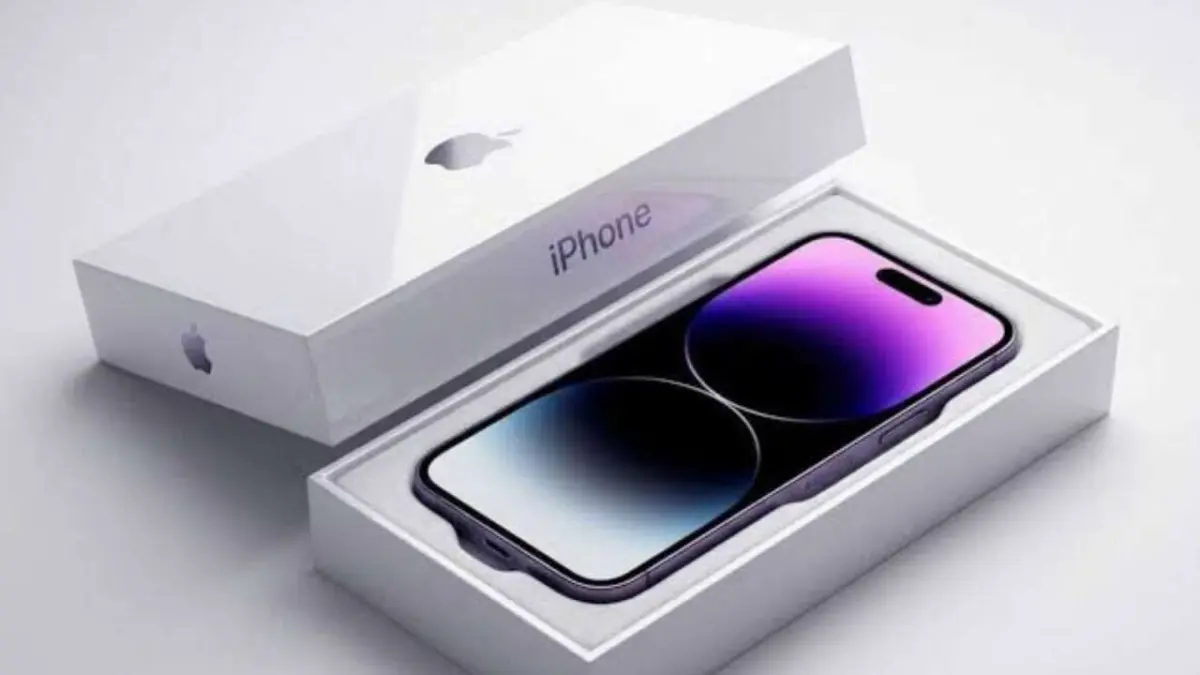
CUPERTINO, CA – October 9, 2026 – Just weeks after its much-anticipated September launch, Apple is reportedly grappling with softening demand for its flagship iPhone 18 Pro and iPhone 18 Pro Max models, leading the tech giant to significantly scale back component orders from its suppliers. This unexpected development signals potential headwinds for Apple’s crucial holiday quarter performance and underscores a shifting landscape in the premium smartphone market, characterized by escalating prices, rising component costs, and broader economic pressures.
According to a detailed report by Nikkei Asia, Apple has instructed its manufacturing partners to reduce the production of components for the iPhone 18 Pro and iPhone 18 Pro Max by an estimated 15 to 20 percent for the month of October. This directive follows a period of intense speculation and emerging market signals that suggested a less enthusiastic reception for the latest Pro series than initially anticipated. The move reflects a delicate balancing act for Apple, as it navigates the perennial challenge of forecasting consumer appetite against a backdrop of increasing manufacturing complexities and global economic volatility.
The decision to cut orders comes at a critical juncture, particularly as the technology sector grapples with soaring memory chip costs – largely fueled by the burgeoning demand from companies investing heavily in artificial intelligence (AI) data centers – and a general trend of higher pricing across the consumer electronics spectrum. For Apple, a company synonymous with premium pricing, the current economic climate appears to be testing the limits of consumer willingness to upgrade, even for its most advanced devices.
Main Facts: A Challenging Horizon for Apple’s Latest Flagships
The core issue revolves around the perceived cooling of demand for the iPhone 18 Pro series, a phenomenon that has prompted Apple to recalibrate its production targets downwards. The key facts are as follows:
- Component Order Reduction: Apple has reportedly asked suppliers to cut component production for the iPhone 18 Pro and iPhone 18 Pro Max by 15-20% for October.
- Affected Models: iPhone 18 Pro and iPhone 18 Pro Max, the top-tier offerings in Apple’s 2026 smartphone lineup.
- Source of Information: The initial report citing these production cuts originated from Nikkei Asia, a reputable source known for its insights into Asian supply chains.
- Primary Drivers of Cooling Demand:
- Elevated Price Points: The iPhone 18 Pro series commands higher prices than its predecessors, both in established markets like the US and emerging economies such as India.
- Rising Memory Chip Costs: Increased global demand for memory chips, particularly from the AI sector, is driving up prices, impacting the overall bill of materials (BOM) for smartphones.
- Economic Pressures: Broader economic factors, including inflation, interest rate hikes, and currency depreciation (e.g., a weakening Indian Rupee), are eroding consumer purchasing power and extending upgrade cycles.
- Market Indicators: UBS analysts have noted a decrease in average waiting times for the iPhone 18 Pro in over 30 markets worldwide, suggesting either an improvement in supply chain efficiency or, more likely, a dip in actual consumer demand.
- Broader Market Context: Research firm IDC projects a significant 16.7% drop in global smartphone shipments for the year 2026, even as average selling prices (ASPs) are expected to rise by 27.6%, signaling a consolidation of demand towards higher-value, albeit fewer, devices.
- Foldable iPhone Duo: Apple’s first foldable device, the iPhone Duo, faces its own set of challenges, including a delayed launch and an exceptionally high price point (reportedly Rs 2,99,900 for the 256GB model in India), raising questions about its market viability.
These facts collectively paint a picture of a more cautious market environment, where even a brand as powerful as Apple is not immune to the economic realities shaping consumer spending habits.
Chronology of Events and Market Signals: From Hype to Headwinds
The journey from a highly anticipated product launch to a reported production cut is often characterized by a series of unfolding events and subtle market indicators. For the iPhone 18 Pro series, this chronology began with the customary fanfare surrounding an Apple unveiling.
The September Launch and Initial Expectations
The unveiling of the iPhone 18 Pro and iPhone 18 Pro Max in September 2026 was, as always, met with significant media attention and consumer excitement. Analysts and enthusiasts alike dissected every new feature, from advancements in computational photography and a potentially new, more efficient A-series chip, to rumored satellite connectivity enhancements and refinements in industrial design. Early reviews often highlighted the iterative improvements that Apple is known for, emphasizing the device’s speed, camera capabilities, and ecosystem integration.
Initial sales forecasts were generally optimistic, banking on Apple’s loyal customer base and the perceived necessity of upgrading to the latest technology. Supply chain partners, having ramped up production in the months leading up to the launch, were prepared for robust demand, particularly for the higher-margin Pro models. Pre-orders typically offer the first glimpse into consumer enthusiasm, and while initial reports might have suggested a healthy start, underlying trends began to emerge shortly thereafter.
Emerging Signs of Softening Demand
Within weeks of the official launch, the first whispers of potential demand issues began to circulate. One of the earliest and most concrete indicators came from UBS analysts, who meticulously track average waiting times for new iPhone models across various global markets. Their report highlighted a noticeable decrease in the typical wait times for the iPhone 18 Pro in over 30 markets. Historically, extended waiting periods immediately post-launch are a strong signal of overwhelming demand that outstrips initial supply. A rapid shortening of these times, therefore, can suggest two possibilities: either Apple has achieved unprecedented supply chain efficiency, or, more concerningly, demand is not as strong as initially projected. Given the typical complexity of ramping up production for a new generation of devices, the latter explanation gained increasing traction among market observers.
Concurrently, anecdotal evidence from retail channels and online forums started to surface, with some consumers expressing hesitation due to the device’s elevated price tag or questioning the necessity of an immediate upgrade from their current, still-highly-capable iPhone models. The global economic climate, characterized by persistent inflation and a general tightening of household budgets, began to exert its influence, making discretionary spending on high-end electronics a more considered decision.
Apple’s Directive to Suppliers
The culmination of these emerging signals came with the Nikkei Asia report, which confirmed Apple’s proactive step to adjust its production strategy. The report detailed Apple’s direct communication to its component suppliers, instructing them to reduce the volume of parts for the iPhone 18 Pro and iPhone 18 Pro Max by 15% to 20% for the month of October. This immediate and significant adjustment underscores Apple’s sensitivity to market dynamics and its readiness to react swiftly to prevent oversupply and inventory build-up. For suppliers, such directives can have immediate implications, affecting their own production schedules, revenue forecasts, and even stock valuations. The 15-20% reduction is not a minor adjustment; it represents a substantial shift in anticipated volume for a critical period, signaling a more cautious outlook from Cupertino.
Deeper Dive into Supporting Data and Market Dynamics
The reported production cuts are not isolated events but rather symptoms of a complex interplay of factors, ranging from Apple’s pricing strategy to broader macroeconomic trends and shifts in the global technology landscape.
The Price Point Conundrum
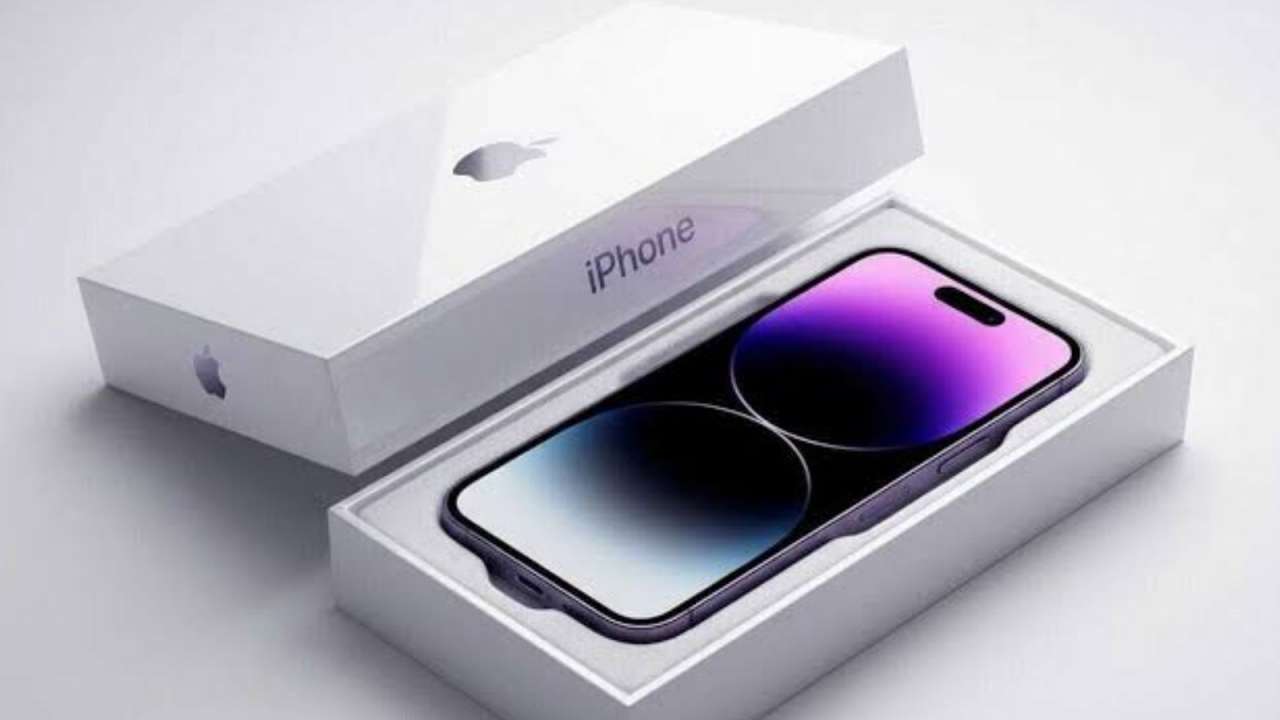
The iPhone 18 Pro series has arrived with a notably higher price tag compared to its predecessors. In the United States, the base price for the Pro models saw an approximate $100 increase. However, in markets like India, the impact of these increases is compounded by currency fluctuations. The iPhone 18 Pro, for instance, starts at an eye-watering Rs 1,64,900, while the iPhone 18 Pro Max begins at Rs 1,79,900. These figures represent a significant investment for consumers, even in the premium segment.
Apple’s long-standing "premiumization" strategy, which has seen average selling prices of iPhones steadily climb over the years, has largely been successful due to the brand’s perceived value, ecosystem lock-in, and innovative features. However, there appears to be a ceiling to consumer willingness to pay, especially when the perceived year-over-year innovation might be seen as incremental rather than revolutionary. In a world where economic uncertainties loom, consumers are increasingly scrutinizing the value proposition of such expensive devices, weighing the benefits of upgrading against the financial strain. The higher price points, while boosting Apple’s revenue per unit, may inadvertently shrink the addressable market for its most advanced iPhones.
Global Economic Headwinds and Chip Costs
A significant contributor to the current situation is the turbulent global economic environment. Inflationary pressures have been persistent across many major economies, leading central banks to implement aggressive interest rate hikes. This, in turn, increases the cost of borrowing for consumers and businesses, dampening overall spending. The cost of living has risen, leaving less disposable income for luxury items like premium smartphones.
Crucially, the technology industry is facing its own unique inflationary pressures, primarily driven by the escalating cost of memory chips. The global push towards artificial intelligence, with companies like Google, Microsoft, and Amazon investing billions in AI data centers, has created unprecedented demand for high-performance memory modules. This surge in demand has outstripped supply, leading to significant price increases for components that are essential for modern smartphones. These higher component costs directly impact Apple’s Bill of Materials (BOM), forcing the company to either absorb the costs (reducing margins) or pass them on to consumers (raising prices), a dilemma that appears to have favored the latter for the iPhone 18 Pro series.
In specific markets like India, the situation is further exacerbated by currency depreciation. A weakening Indian Rupee against the US Dollar means that imported goods, including iPhones, become more expensive for local consumers, even if their dollar price remains stable or only marginally increases. This currency effect adds another layer to the pricing challenge, making the latest iPhones less accessible to a broader segment of the population.
Broader Smartphone Market Trends (IDC Report)
The challenges faced by the iPhone 18 Pro series are not entirely isolated but rather reflective of broader trends in the global smartphone market. Research firm IDC has projected a substantial 16.7% drop in global smartphone shipments for the year 2026. This decline signifies a maturing market where saturation is high, and consumers are holding onto their devices for longer periods. The days of rapid annual upgrades for minor improvements appear to be fading.
Interestingly, despite the projected drop in unit shipments, IDC also anticipates that the average selling price (ASP) of smartphones will rise by an impressive 27.6%. This seemingly contradictory trend indicates a polarization of the market: while overall volumes are decreasing, the demand that remains is concentrated at the higher end, with consumers either opting for more premium, feature-rich devices that they intend to keep for several years, or highly affordable entry-level models. The middle segment is increasingly squeezed. This shift puts pressure on manufacturers like Apple to justify their premium pricing with tangible innovation and long-term value, as consumers are less willing to pay top dollar for incremental updates. The competition from Android flagships, which often offer comparable specifications at a lower price point or introduce innovative form factors, also adds to this pressure.
The Shadow of the Foldable iPhone Duo
Further complicating Apple’s product strategy is the anticipation and subsequent delay of its first foldable phone, reportedly named the iPhone Duo. The original article highlights that the 256GB model of the iPhone Duo is expected to retail at a staggering Rs 2,99,900 in India – a price point that places it firmly in the ultra-luxury segment, far beyond the reach of most consumers. A source quoted by Nikkei Asia aptly described the phone as "pricey for a smartphone."
The delay in its launch, coupled with its exorbitant cost, raises significant questions about its market viability. While a foldable iPhone would undoubtedly appeal to a niche segment of early adopters and tech enthusiasts seeking a large screen in a compact form factor, its manufacturing complexity – particularly concerning the foldable display and Apple’s famously stringent quality standards – further complicates its production. The iPhone Duo, therefore, represents a high-stakes gamble for Apple. While it could showcase the company’s engineering prowess, its pricing and limited appeal mean it is unlikely to move significant volumes, and could even inadvertently draw attention away from the already struggling Pro series, or worse, cannibalize a portion of its high-end market if it eventually becomes available. The current market signals suggest that even Apple’s most loyal customers might be hesitant to embrace such a high-cost device, especially when facing economic uncertainty.
Official Responses and Lack Thereof
In the highly competitive and often secretive world of technology, official responses to supply chain reports and production adjustments are rare, particularly from a company as tight-lipped as Apple.
Apple’s Stance
True to form, Apple has maintained its customary silence regarding the Nikkei Asia report and any alleged production cuts. The company has a long-standing policy of not commenting on supply chain rumors, production figures, or sales forecasts outside of its quarterly earnings calls and official statements. This approach is rooted in several factors: protecting proprietary information, maintaining competitive advantage, and preventing market speculation that could impact its stock price or supplier relationships.
While this silence is standard practice, it can be interpreted in various ways. For investors, it might be a source of frustration, as concrete data on demand is scarce. For the public, it reinforces Apple’s image as a company that controls its narrative tightly. However, the absence of a denial, when coupled with corroborating reports from reputable sources like Nikkei Asia and analyst observations from UBS, lends significant weight to the reports of production adjustments. It suggests that while Apple won’t confirm the numbers, the underlying trend of recalibrated demand is likely accurate. The company prefers to let its official financial results speak for themselves, where any impact of these cuts would eventually be reflected in revenue and unit sales figures for the December quarter (Apple’s Q1 fiscal year).
)
Supplier Perspectives
Similarly, Apple’s vast network of suppliers, which includes companies like Foxconn, TSMC, Samsung Display, and numerous others, also adheres to strict non-disclosure agreements. These companies rarely, if ever, comment on specific client orders or production volumes. Their public statements are generally limited to broader industry trends or their own financial guidance, which might indirectly reflect changes in client demand but never name specific customers or products.
For suppliers, a reduction in orders from a major client like Apple can have a ripple effect on their own operational planning, inventory management, and financial projections. While they are diversified across many clients, Apple remains a significant portion of many suppliers’ revenue. Any substantial change in Apple’s demand requires swift adjustments to avoid costly overproduction or underutilization of manufacturing capacity. The stock prices of key Apple suppliers are often sensitive to such reports, as investors attempt to gauge the potential impact on their future earnings.
Analyst Commentary
While Apple remains silent, industry analysts play a crucial role in interpreting these market signals. UBS analysts, as noted, provided early indicators through their tracking of waiting times. Other analysts, upon the release of the Nikkei Asia report, would likely update their own models and forecasts for Apple’s upcoming earnings.
Commentary from the analyst community would typically range from cautious optimism, suggesting that Apple is merely making prudent adjustments in a dynamic market, to more pronounced concern about the long-term sustainability of Apple’s pricing strategy in a decelerating smartphone market. Analysts might emphasize the importance of Apple’s Services division as a buffer against hardware fluctuations or point to the potential for Apple to re-evaluate its product segmentation and pricing tiers for future generations. The consensus would likely be that while Apple remains a formidable force, even it is not immune to the economic currents and competitive pressures shaping the late 2026 tech landscape.
Implications and Future Outlook
The reported production cuts for the iPhone 18 Pro series carry significant implications, not only for Apple’s near-term financial performance but also for its long-term strategic direction and the broader smartphone industry.
Short-Term Impact on Apple’s Revenue and Profitability
In the immediate term, a 15-20% reduction in component orders for its flagship Pro models for October will almost certainly translate into lower-than-anticipated unit sales for the quarter ending December 2026 (Apple’s fiscal Q1 2027). While Apple’s revenue is diversified across iPhones, Macs, iPads, Wearables (Apple Watch, AirPods), and a rapidly growing Services segment, the iPhone remains its primary revenue driver. Any significant underperformance in iPhone sales, particularly the higher-margin Pro models, will likely put pressure on Apple’s overall revenue growth and profitability.
Investors will be closely watching Apple’s upcoming earnings call for any revised guidance or explicit acknowledgment of these challenges. A miss on revenue or earnings per share targets could lead to a temporary dip in Apple’s stock price, reflecting investor concerns about demand stability. Furthermore, managing inventory effectively will be crucial. Excess inventory of high-cost components or finished goods could lead to write-downs or necessitate future promotional activities to clear stock, further impacting margins.
Long-Term Strategy Adjustments for Apple
Beyond the immediate financial impact, the softening demand for the iPhone 18 Pro series could prompt Apple to re-evaluate several aspects of its long-term strategy.
- Pricing Strategy: The current situation might force Apple to reconsider the aggressive upward trajectory of its iPhone pricing. While premiumization has been successful, there may be a need to find a more optimal balance between premium features and accessible price points, particularly in emerging markets where price sensitivity is higher. This could involve offering more compelling entry-level options or more distinct feature differentiation between Pro and non-Pro models to justify the price gap.
- Diversification of Revenue Streams: The reported cuts underscore the importance of Apple’s efforts to diversify its revenue beyond the iPhone. The growth of its Services division (App Store, Apple Music, iCloud, Apple Pay, etc.) provides a more stable, recurring revenue stream that is less susceptible to hardware sales fluctuations. Furthermore, the company’s investments in other hardware categories, such as the HomePod, HomePod Mini, and Apple TV 4K (as hinted by the linked "Welcome Home" event in the original article), represent attempts to build out a broader ecosystem of interconnected devices and services. These products, while not as impactful as the iPhone, contribute to Apple’s overall ecosystem stickiness and provide alternative growth avenues.
- Innovation Cycle and Consumer Fatigue: The market’s reaction could also prompt Apple to intensify its focus on delivering truly groundbreaking innovations rather than iterative updates. Consumers are holding onto phones longer, suggesting that current devices are "good enough." To compel upgrades, Apple may need to introduce features that fundamentally change the user experience, perhaps leveraging its advancements in AI more directly on-device or exploring entirely new product categories that capture the public imagination. The success of its forthcoming Vision Pro headset, for instance, could become a bellwether for its ability to innovate beyond the smartphone.
Consumer Decision-Making in a Shifting Market
For consumers, the current market dynamics present both challenges and opportunities. The advice provided in the original article – for users with functional phones to wait and compare options, and for those needing a new device to evaluate the iPhone 18 Pro alongside older models and other premium choices – becomes even more pertinent.
- Value Proposition: Consumers are increasingly prioritizing the value proposition. They will scrutinize whether the new features and improvements of the iPhone 18 Pro justify its higher cost compared to an iPhone 17 Pro, or even a top-tier Android alternative.
- Longer Upgrade Cycles: The trend of holding onto devices for longer periods is expected to continue. This means that when consumers do decide to upgrade, they will seek a device that is future-proofed and offers a significant leap in capability.
- Promotions and Discounts: If demand remains soft, Apple or its retail partners might eventually resort to promotions or discounts to stimulate sales, particularly as the holiday season progresses or new models approach. This creates an incentive for patient buyers.
The Broader Tech Industry Landscape
The challenges faced by Apple’s iPhone 18 Pro series have wider implications for the entire tech industry.
- Impact on Other Premium Smartphone Makers: If even Apple is struggling with demand for its premium offerings, it signals a tough environment for other high-end smartphone manufacturers. This could lead to a more intense competitive landscape, with brands fighting harder for market share through aggressive pricing, innovative features, or enhanced services.
- The "AI Effect" on Component Pricing: The escalating cost of memory chips due to AI data center demand is a significant factor. This trend is likely to continue, putting upward pressure on the Bill of Materials for all electronic devices, not just smartphones. Manufacturers will need to find innovative ways to manage these costs, perhaps through design efficiencies or strategic sourcing partnerships.
- Sustainability of Current Pricing Models: The current situation raises questions about the sustainability of ever-increasing prices for consumer electronics. There may be a need for a market recalibration, where prices stabilize or even see slight adjustments to align with consumer purchasing power, particularly in a world grappling with economic uncertainty.
Conclusion
The reported production cuts for Apple’s iPhone 18 Pro and iPhone 18 Pro Max represent a critical moment for the tech giant. While Apple has historically demonstrated remarkable resilience and adaptability, the current confluence of higher device prices, escalating component costs driven by AI demand, and broader economic headwinds presents a formidable challenge. The softening demand for its latest flagships underscores the delicate balance Apple must strike between pushing the boundaries of innovation and maintaining accessible price points in a maturing smartphone market.
As Apple navigates these complexities, its long-term strategy will likely emphasize continued diversification of its revenue streams, particularly through the growth of its Services division and other hardware offerings. The market’s reaction to the iPhone 18 Pro series could also influence future product development cycles, prompting Apple to focus on more transformative innovations to re-ignite consumer enthusiasm. For consumers, the message is clear: the era of automatic, annual upgrades is waning, replaced by a more considered approach where value, longevity, and genuine innovation drive purchasing decisions. The coming months will be crucial in determining how Apple responds to these market signals and charts its course through a rapidly evolving technological and economic landscape.
