

TECHNOLOGY
In a significant development echoing broader trends in the global smartphone market, Apple has reportedly initiated a substantial cut in component orders for its latest premium offerings, the iPhone 18 Pro and iPhone 18 Pro Max. This move, surfacing merely weeks after their much-anticipated September launch, suggests a more challenging market reception than initially projected, with signs pointing to a cooling demand exacerbated by higher pricing and persistent inflationary pressures on manufacturing costs.
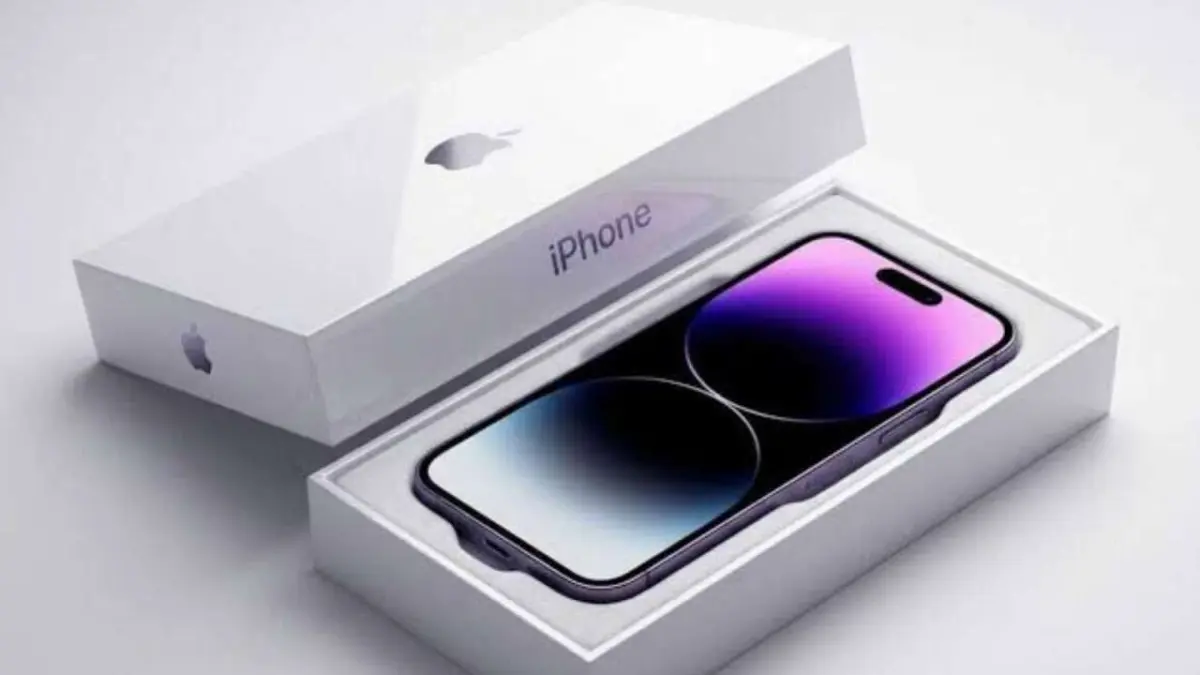
(Image: Is iPhone 18 Pro facing slow sales? Reports claim Apple cuts production orders by 20% – depicting Apple iPhone 18 Pro, iPhone 18 Pro Max)
Main Facts: A Preemptive Adjustment in Production
The core of the news revolves around Apple’s reported directive to its supply chain partners. According to a detailed exposé by Nikkei Asia, a publication renowned for its insights into Asian supply chains, Apple has requested suppliers to reduce component production for both the iPhone 18 Pro and iPhone 18 Pro Max models. This reduction is not negligible, reportedly ranging from 15 to 20 percent for the month of October alone. Such an immediate adjustment post-launch signals a proactive — or perhaps reactive — measure to align production more closely with actual market demand, rather than risking an oversupply of inventory.
The reasons underpinning this strategic pivot are multifaceted, primarily converging on two critical factors: the elevated price points of the new Pro series and the relentless increase in memory chip costs globally. While Apple typically maintains a tight lid on its production figures and supply chain decisions, such reports from reputable sources like Nikkei Asia are often indicative of real-time shifts within the company’s vast manufacturing ecosystem. The implications are substantial, suggesting that even a market titan like Apple is not immune to the economic currents shaping consumer spending and global supply dynamics. This early recalibration less than a month after a flagship launch underscores the volatile nature of the premium smartphone segment and the increasing sensitivity of consumers to price, value, and economic stability.
Chronology: From Anticipation to Adjustment
The narrative of the iPhone 18 Pro series has unfolded rapidly, from a period of intense anticipation to a swift, albeit unconfirmed, production adjustment. Understanding this timeline is crucial to grasp the context of Apple’s reported decision.
)
The Build-Up: Pre-Launch Hype and High Expectations
As is customary with any major Apple product cycle, the months leading up to the September launch of the iPhone 18 Pro and 18 Pro Max were characterized by a flurry of leaks, rumors, and analyst predictions. Industry observers and consumers alike eagerly awaited the next iteration of Apple’s flagship smartphone, expecting significant advancements in processing power, camera technology, and potentially new form factors or enhanced AI capabilities. Analysts, often basing their forecasts on historical sales trends and anticipated technological upgrades, largely projected robust demand, particularly for the premium ‘Pro’ models, which typically command higher average selling prices and contribute disproportionately to Apple’s profit margins. There was an underlying assumption that Apple’s brand loyalty and perceived innovation would shield it, to a degree, from broader economic headwinds.
The September Unveiling: Innovation Meets Elevated Pricing
The official launch event in September was met with its usual fanfare. Apple meticulously showcased the iPhone 18 Pro and 18 Pro Max, highlighting their cutting-edge features – perhaps a more advanced A-series chip, improved computational photography, satellite connectivity enhancements, or even subtle design refinements. However, alongside these technological marvels, came the official pricing. As the original article notes, the iPhone 18 Pro series debuted with a higher price point than its predecessors. In India, the Pro model started at Rs 1,64,900, and the Pro Max at Rs 1,79,900. In the crucial U.S. market, a reported $100 increase further solidified the premium positioning. While Apple has historically pushed the envelope on pricing, these increases were introduced into an economic climate already grappling with inflation and reduced discretionary spending, setting the stage for potential consumer resistance.
Early Market Indicators: Mixed Signals Post-Launch
Immediately following the launch, initial pre-order figures and early sales data would have been closely monitored by Apple and industry analysts. While specific figures are not publicly disclosed, it’s typical for new iPhones to experience an initial surge in demand from early adopters and loyalists. However, the reported production cuts suggest that this initial momentum may not have sustained at the anticipated levels, or perhaps the initial surge was weaker than predicted.

One key indicator, cited by UBS analysts, was the observed decrease in average waiting times for the iPhone 18 Pro across over 30 markets. Historically, extended waiting times post-launch often signal overwhelming demand exceeding supply. A reduction in these times, particularly so soon after launch, could imply either a significant improvement in Apple’s supply chain efficiency – an unlikely scenario given the rapid timeline – or, more concerningly, a softening of consumer demand. This observation, combined with internal sales tracking, likely informed Apple’s subsequent decisions.
The October Shift: The Production Recalibration
By October, less than a month after the global launch, the decision to trim component orders became apparent to suppliers. This rapid turnaround from product unveiling to production adjustment is noteworthy. It underscores Apple’s sophisticated, data-driven supply chain management, capable of swift pivots based on real-time market feedback. The 15-20 percent reduction for October’s component production for the Pro models is a material cut, indicating that the initial sales trajectory did not meet internal projections, prompting a recalibration of inventory levels and future manufacturing output. This move, while potentially impacting supplier revenues, is ultimately aimed at protecting Apple’s margins and preventing an overstock situation, which can lead to discounting and brand devaluation.
Evolving Analyst Sentiment: A Realistic Outlook
The reported production cuts have undoubtedly shifted analyst sentiment from initial launch optimism to a more cautious, realistic outlook. While many analysts might initially maintain "buy" ratings due to Apple’s long-term strength, they will now be closely scrutinizing future earnings calls for any official commentary (however indirect) on demand trends. The focus will shift from anticipating record-breaking sales to assessing the resilience of Apple’s premium strategy in a challenging economic environment and its ability to adapt. This chronological progression reveals a company responding dynamically to market forces, even if the response is a difficult one for its latest flagship products.
)
Supporting Data: Unpacking the Economic Undercurrents
The reported production cuts are not isolated incidents but rather symptoms of larger economic and market trends impacting the technology sector. A deeper dive into the supporting data reveals the intricate web of factors contributing to the cooling demand for the iPhone 18 Pro series.
Pricing Strategy and Market Sensitivity
The most direct and frequently cited reason for the potential slowdown in demand is the increased price point of the iPhone 18 Pro series. As mentioned, the iPhone 18 Pro started at Rs 1,64,900 in India, with the Pro Max at Rs 1,79,900, representing a significant investment for consumers. The $100 increase in the US further cemented its premium positioning.
The Indian Market Context: Price and Rupee Weakness
India, a rapidly growing market for smartphones and a strategic focus for Apple, exemplifies the heightened price sensitivity. A device costing upwards of Rs 1.6 lakh places it firmly in the ultra-premium segment, accessible only to a small fraction of the population. While Apple’s brand cachet is strong, the economic realities of a weakening rupee further exacerbate the issue. A weaker rupee translates to higher import costs for Apple, which are often passed on to consumers, making devices even more expensive in local currency terms. This creates a double whammy for Indian consumers: higher global prices coupled with unfavorable exchange rates, making the latest iPhone an increasingly aspirational, rather than readily purchasable, device for many.
)
Global Premium Segment Dynamics
Globally, consumers in developed markets are also facing inflation, rising interest rates, and general economic uncertainty, leading to more cautious spending. While Apple’s premium strategy has historically been successful, there appears to be a breaking point where even loyal customers hesitate. A $100 price increase on an already expensive device, without a perceived commensurate leap in essential features, might prompt consumers to reconsider their upgrade cycle, opting to hold onto their current device for longer or explore more affordable alternatives, including older iPhone models or competitors.
Component Costs and Supply Chain Pressures
Beyond consumer price sensitivity, the cost of manufacturing itself is a significant factor. The original article highlights "rising memory chip costs" as a key pressure point.
The AI Boom and Memory Chip Demand
The surge in demand for artificial intelligence (AI) data centers worldwide is a primary driver behind the escalating prices of memory chips, particularly high-bandwidth memory (HBM) and advanced DRAM. AI models require immense computational power and vast amounts of data storage and retrieval, leading to an unprecedented demand for these specialized chips. While smartphones may not use the exact same high-end HBM as AI servers, the overall tightening of the memory chip market due to AI demand has a ripple effect across the entire semiconductor industry. Manufacturers are prioritizing lucrative AI contracts, leading to reduced supply and increased prices for other chip types used in smartphones and consumer electronics.
)
Broader Supply Chain Challenges
Memory chips are just one component. The global supply chain remains susceptible to various disruptions, including geopolitical tensions, fluctuating raw material costs (e.g., rare earth elements, metals), and logistics challenges. Apple’s meticulous quality standards also add a layer of complexity and cost to its manufacturing processes. These cumulative pressures on component costs erode profit margins or, as seen with the iPhone 18 Pro, necessitate higher retail prices, which then feed back into demand issues.
Global Smartphone Market Trends
The struggles of the iPhone 18 Pro series are not occurring in a vacuum; they align with broader, less optimistic forecasts for the global smartphone market.
IDC’s Bleak Outlook for 2026
Research firm IDC anticipates a substantial 16.7% drop in global smartphone shipments in 2026. This is a stark indicator of a maturing market, economic slowdowns, and longer device upgrade cycles. Consumers are holding onto their phones for longer, driven by the diminishing perception of revolutionary upgrades with each new generation and the increasing cost of new devices. This overall market contraction naturally impacts even the premium segment leader like Apple.
)
Rising Average Selling Prices (ASPs)
Paradoxically, alongside the projected drop in shipments, IDC also expects average selling prices (ASPs) to rise by 27.6%. This trend reflects a market where fewer, more expensive devices are being sold. While this might seem beneficial for Apple, which thrives on high ASPs, it also points to a shrinking overall market where the remaining buyers are primarily those willing and able to afford premium devices. The challenge for Apple is to ensure that its devices offer compelling enough value to justify these rising prices, especially when general economic conditions are pushing consumers towards more prudent spending. The iPhone 18 Pro’s reported demand issues suggest that there might be a limit to how high ASPs can climb before demand truly falters.
Analyst Observations: Decreased Waiting Times
UBS analysts’ report of decreased average waiting times for the iPhone 18 Pro in over 30 markets is a critical piece of observational data. In the past, "shipping delays" and "long waiting times" were often celebrated as indicators of overwhelming demand for new iPhones. The absence of such delays, or even a reduction in them, flips this narrative.
Supply vs. Demand: An Ambiguous Signal
While reduced waiting times could technically mean improved supply chain efficiency (Apple got better at making and shipping them faster), the context of reported production cuts strongly suggests the latter interpretation: reduced demand. If demand were exceptionally high, even with improved supply, some level of backlog would likely persist. The swift normalization of waiting times points to a market where fewer people are rushing to buy the device, or at least not at the scale Apple anticipated. This data point offers tangible, real-world evidence supporting the underlying thesis of cooling consumer interest.
)
In essence, the economic landscape characterized by inflation, rising component costs, a weakening rupee in key markets, and a general slowdown in smartphone shipments creates a challenging environment for even the most dominant players. Apple’s reported production cuts for the iPhone 18 Pro series are a direct reflection of these powerful macro and microeconomic forces.
Official Responses: Apple’s Characteristic Silence
In the highly competitive and often secretive world of consumer electronics, official responses to supply chain rumors and production adjustments are exceedingly rare, particularly from a company as meticulously controlled as Apple.
Apple’s Long-Standing Policy of Non-Commentary
It is Apple’s long-standing policy not to comment on "rumors and speculation" concerning its supply chain, production volumes, or unannounced products. This approach serves multiple strategic purposes:
)
- Competitive Advantage: Disclosing production cuts or sales figures outside of official earnings reports could provide valuable intelligence to competitors, allowing them to adjust their own strategies.
- Investor Confidence: Apple prefers to manage investor expectations through structured quarterly earnings calls and official guidance, rather than reacting to daily news cycles. Acknowledging production cuts could trigger immediate negative investor reactions and stock price volatility.
- Brand Image: Admitting to lower-than-expected demand, especially for a flagship product launched just weeks prior, could be perceived as a sign of weakness or a misjudgment of the market, potentially tarnishing its carefully cultivated image of unparalleled success.
Therefore, despite the widespread reporting from credible sources like Nikkei Asia, it is highly improbable that Apple will issue any direct statement confirming or denying the component order reductions for the iPhone 18 Pro series. Any insights into these trends will likely come indirectly, either through executives’ nuanced language during future earnings calls – perhaps discussing "macroeconomic headwinds" or "prudent inventory management" – or through the financial results themselves.
Supplier Perspectives and Contractual Confidentiality
Similarly, Apple’s vast network of suppliers, which includes giants like Foxconn, TSMC, Samsung, and numerous others providing components from display panels to camera modules, are bound by strict non-disclosure agreements (NDAs). These agreements prevent them from publicly discussing Apple’s production orders, schedules, or any specific details of their contractual relationship.
While a reduction in orders would undoubtedly impact a supplier’s revenue forecasts and production planning, they are unlikely to make public statements. Any confirmation or denial would come with significant legal and financial repercussions from Apple. Instead, the impact might be observed indirectly through their own financial reports, where they might allude to "changes in demand from a major customer" or adjust their own revenue guidance without naming Apple specifically.
)
Investor Relations and Future Guidance
The true test of how Apple addresses these concerns will be during its next quarterly earnings call. Analysts will undoubtedly press executives on demand trends, particularly for the premium iPhone models, and the broader outlook for smartphone sales. Apple’s executives, led by CEO Tim Cook and CFO Luca Maestri, are skilled at navigating these questions. They might acknowledge a challenging macroeconomic environment, emphasize the strength of their services division, or highlight growth in other product categories to offset any perceived weaknesses in iPhone sales.
The official guidance provided for the subsequent quarter will be a critical indicator. If the guidance suggests lower-than-expected revenue, it would implicitly confirm the market’s assessment of cooling demand, even without a direct admission of iPhone 18 Pro production cuts. Conversely, robust guidance could suggest that any demand issues are either temporary, isolated, or being offset by stronger performance elsewhere. For now, the market operates on informed speculation, awaiting the next official communication from Cupertino.
Implications: A Ripple Effect Across Apple’s Ecosystem and the Industry
The reported production cuts for the iPhone 18 Pro series, if accurate, carry significant implications not only for Apple’s immediate financial performance but also for its long-term strategy, the broader premium smartphone market, and consumer behavior.
)
For Apple’s Revenue and Profitability
The iPhone remains Apple’s most critical product, typically accounting for over half of its total revenue. Within the iPhone lineup, the ‘Pro’ models are particularly vital. They boast the highest profit margins and significantly contribute to Apple’s average selling price (ASP), a key metric for investors.
Direct Financial Impact
A 15-20 percent reduction in component orders for October, assuming it translates into a similar reduction in sales for that period and potentially subsequent months, would directly impact Apple’s iPhone revenue. While Apple’s vast scale means it can absorb some fluctuations, a sustained slowdown in its premium models could lead to:
- Lower-than-expected revenue growth: Missing analyst consensus estimates could put pressure on Apple’s stock price.
- Erosion of ASP: If consumers gravitate towards standard iPhone 18 models or older generations due to price sensitivity, the overall ASP of iPhones sold could decline, impacting profitability.
- Inventory management challenges: While the cuts are proactive, prolonged weak demand could still lead to excess inventory, potentially forcing Apple to offer discounts later, which it typically avoids for new flagships.
Interdependence with Services
Apple’s burgeoning Services segment (App Store, Apple Music, iCloud, Apple Pay, etc.) relies heavily on the installed base of active Apple devices, particularly iPhones. While current iPhone users continue to drive services revenue, a slowdown in new iPhone sales could, in the long term, decelerate the growth of this crucial, high-margin segment. Apple has been actively diversifying its revenue streams, and the resilience of Services is key to mitigating iPhone sales volatility.
)
Impact on the Premium Smartphone Market
Apple’s performance is often seen as a bellwether for the premium smartphone segment. The reported struggles of the iPhone 18 Pro could signal broader trends:
- Consumer Shift: It suggests that even affluent consumers are becoming more discerning about spending on high-end smartphones, possibly extending upgrade cycles or seeking greater value for money.
- Competitor Strategy: Rival premium Android manufacturers (e.g., Samsung with its Galaxy S and Fold series, Google with Pixel) will be closely watching. If Apple struggles with its pricing strategy, it might encourage competitors to either double down on aggressive pricing or focus on delivering unique value propositions at slightly lower price points.
- Innovation vs. Price: The situation highlights a potential tension between pushing technological boundaries (and thus prices) and meeting consumer affordability expectations in a challenging economic climate.
The Foldable Dilemma: iPhone Duo Under Scrutiny
The original article’s mention of the "iPhone Duo," Apple’s first foldable phone, takes on new significance in light of the 18 Pro’s challenges.
Exorbitant Pricing and Niche Appeal
The iPhone Duo, priced at an astonishing Rs 2,99,900 in India for the 256GB model, is positioned as an ultra-luxury device. While it caters to buyers desiring a large screen in a compact form factor, its price point is astronomical, making it inaccessible to the vast majority of consumers. The Nikkei Asia source’s comment that "the phone is pricey for a smartphone" is an understatement. If standard Pro models are facing demand issues at Rs 1.6-1.8 lakh, the market for a Rs 3 lakh foldable iPhone will be infinitesimally small.
)
Manufacturing Complexities and Quality Standards
The article also highlights the "complicated" manufacturing process due to its foldable display and Apple’s stringent quality standards. This complexity contributes to higher production costs and potentially limited initial availability. If Apple is already facing challenges with its mass-market premium phones, the complexities and ultra-high price of the Duo could make its market entry even more precarious.
Re-evaluation of Foldable Strategy?
The struggles of the iPhone 18 Pro series might force Apple to re-evaluate its strategy for the iPhone Duo. Could this lead to further delays in its release? Or a reconsideration of its pricing and market positioning? Entering the nascent foldable market at such an extreme premium, especially if the core iPhone lineup is showing signs of weakness, carries substantial risks. Apple typically aims for mass-market success, and the Duo, at its current projected price, seems destined for a niche status. This situation could push Apple to either scale back its ambitions for foldables or innovate more aggressively to justify the cost.
Future Product Strategy & Innovation
These demand signals are critical feedback for Apple’s long-term product strategy:
)
- Pricing Strategy Review: Apple may need to reassess its pricing strategy for future iPhone generations, balancing innovation costs with consumer affordability. This could involve more competitive pricing for base models or more distinct value propositions for Pro models to justify their premium.
- Feature Prioritization: The company might shift focus to features that offer tangible, high-value improvements to consumers, rather than incremental upgrades that might not justify a higher price point.
- Diversification Beyond iPhone: While the iPhone remains central, the challenges reinforce the importance of Apple’s diversification efforts. The upcoming "Welcome Home" event on October 13, 2026, reportedly featuring new HomePod, HomePod Mini, and Apple TV 4K, signifies Apple’s continued push into smart home and entertainment ecosystems. Strong performance in these areas, along with Wearables (Apple Watch, AirPods), could help cushion the impact of any iPhone slowdowns. Investment in new areas like augmented/virtual reality (e.g., Vision Pro) also represents future growth avenues, albeit with their own set of challenges.
Consumer Outlook and Recommendations
For consumers, the current market dynamics present a complex decision-making landscape:
- Wait and Compare: The advice to "wait and compare options" becomes even more pertinent. The rapid softening of demand for the 18 Pro series suggests that patience could be rewarded.
- Value Proposition of Older Models: Older iPhone models often represent excellent value, especially as their prices drop following new releases. They still offer robust performance, camera capabilities, and access to Apple’s ecosystem.
- Exploring Competitors: The competitive landscape in the premium segment is strong. Consumers should evaluate offerings from other brands that might provide similar features at more attractive price points or offer unique Android-specific advantages.
- Long-Term Value: In an environment where devices are increasingly expensive, the longevity of a smartphone becomes crucial. Consumers will weigh not just the initial cost but also the expected lifespan, software update support, and resale value.
Ultimately, the reported production cuts for the iPhone 18 Pro series are a stark reminder that even a market leader like Apple operates within the constraints of global economic realities and evolving consumer behavior. It underscores the delicate balance between innovation, pricing, and market demand, and suggests a potentially more challenging road ahead for premium smartphone sales across the industry.
