

Main Facts: The Paradox of a Champion Captain
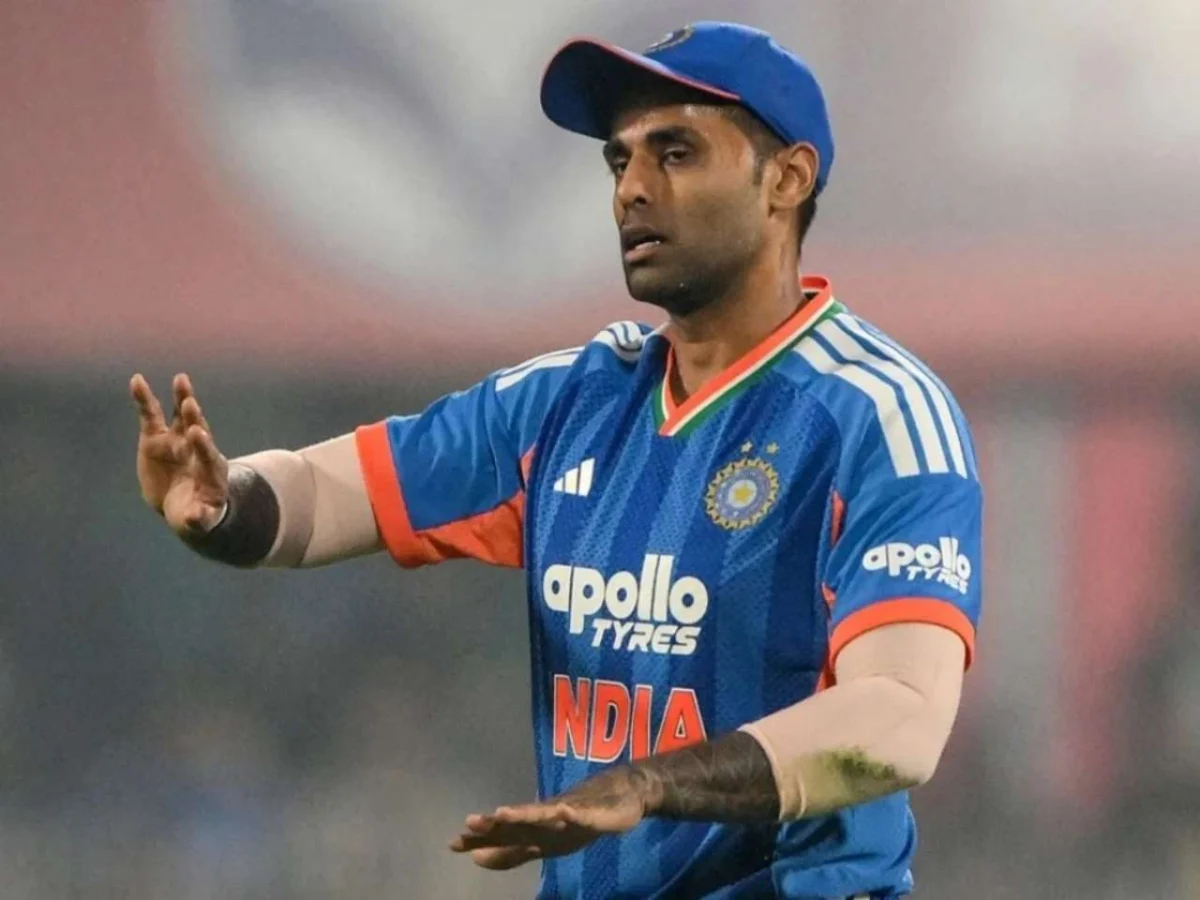
In a startling turn of events that has sent ripples through the cricketing world, Suryakumar Yadav, widely hailed as "SKY" and fresh off leading India to their third T20 World Cup title in 2026, has candidly expressed his profound disappointment and shock at being dropped from the national T20I squad. His omission, coming immediately after such a monumental achievement, has sparked widespread debate and left fans and pundits alike questioning the rationale behind the selectors’ decision.
The dynamic right-handed batter, renowned for his audacious 360-degree stroke play, revealed his emotions during a heartfelt conversation with former Indian cricketer and prominent analyst Aakash Chopra on YouTube. The interview served as SKY’s first public statement on the matter, offering a rare glimpse into the mind of an athlete grappling with an unexpected setback at the pinnacle of his career. He admitted to a period of intense introspection, confessing, "How is it possible?" – a sentiment that encapsulates the bewildering nature of being sidelined after guiding his team to global supremacy.
The immediate consequence of this decision saw the captaincy baton passed to Shreyas Iyer for the subsequent series against Ireland and the Asian Games. While Suryakumar Yadav maintained a respectful stance towards Iyer, acknowledging his capabilities as a player and leader, the underlying feeling of bewilderment at his own removal was palpable. This unprecedented move — benching a World Cup-winning captain — underscores the cut-throat competitive landscape of international cricket and the ever-evolving dynamics of team selection, even for those who have achieved the ultimate glory. His revelations not only shed light on his personal struggles but also ignite a larger conversation about the balance between rewarding past success and planning for future cycles in Indian cricket.
Chronology: A Captain’s Zenith, A Batter’s Dip, and An Unexpected Detour
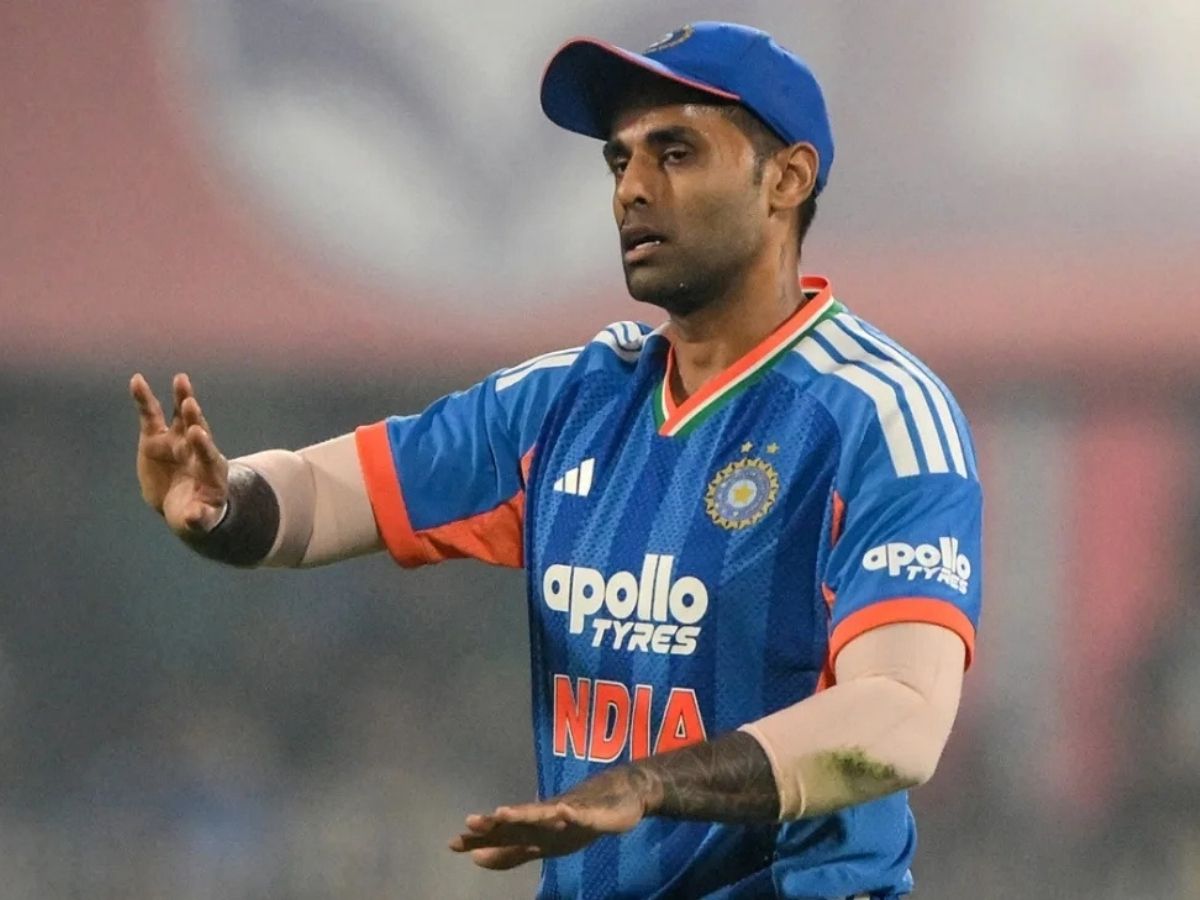
The narrative of Suryakumar Yadav’s T20I journey is a testament to both meteoric rise and the sudden, harsh realities of elite sport. To fully comprehend the gravity of his recent snub, one must trace the events that led to this unprecedented situation.
)
SKY’s Reign as Captain: An Undefeated Streak
Before the T20 World Cup 2026, Suryakumar Yadav had already established himself as a formidable leader in the shortest format. His tenure as captain was marked by an extraordinary run of success in bilateral series. Under his astute leadership, India did not lose a single bilateral T20I series for two years, showcasing a remarkable consistency and tactical acumen. This impressive record culminated in India’s triumph at the Asia Cup, further solidifying his credentials as a captain who could deliver under pressure.
The pinnacle of his captaincy came with the T20 World Cup in 2026. Guiding a talented Indian squad through the grueling tournament, Suryakumar Yadav led his team to lift the coveted trophy, etching his name into the annals of Indian cricket history as a World Cup-winning captain. This achievement, a dream for any cricketer, typically guarantees an extended run in the team, especially for the captain. His win percentage as captain stood among the best for India, a testament to his leadership prowess and the team’s collective performance under his guidance.

The Batting Conundrum: A Dip in Form
Despite his stellar record as captain, a closer look at Suryakumar Yadav’s individual batting statistics reveals a nuanced picture that might have influenced the selectors’ decision. The year 2025 proved to be a challenging one for SKY with the bat; he failed to register a single fifty-plus score throughout the calendar year in T20Is. This uncharacteristic lean patch raised initial concerns, as his batting form had been a cornerstone of his "Mr. 360" reputation.
During the T20 World Cup itself, while India triumphed, SKY’s individual batting contributions were not as dominant as expected. He managed only one fifty in the entire tournament, a stark contrast to his earlier blistering form where he consistently delivered match-winning innings. Furthermore, his performance in the preceding Indian Premier League (IPL) season was also described as "not great," adding to the growing concerns about his form with the willow. This juxtaposition of exceptional captaincy and a personal batting slump created a complex scenario for the national selectors.
)
The Phone Call: "Time to Move On"
The first inkling of the impending change came a few days before the official squad announcement for the Ireland series and the Asian Games. Suryakumar Yadav revealed that he received a call from the selectors. "They called me two or three days before. They said, ‘It’s time to move on.’ I didn’t react. That’s just not me," he recounted. This direct communication, while perhaps intended to soften the blow, confirmed the selectors’ intent to look beyond him for the immediate future. He chose not to argue or express his immediate feelings of disappointment on the call, adhering to his professional demeanor.
The Snub and Its Aftermath: A Period of Reflection
When the squad for the Ireland series was officially announced, Suryakumar Yadav’s name was conspicuously absent, and Shreyas Iyer was named the new captain. The decision sent a wave of shock through the cricketing fraternity, and for SKY himself, it was a moment of profound personal reflection. He shared his emotional state: "I sat at home for over a month, thinking about it." The solitude of his home after friends and family had left, provided a stark contrast to the celebratory atmosphere he had experienced just weeks prior. "After they all left, the house felt pretty lonely," he admitted, painting a poignant picture of a champion left to grapple with an unexpected reality.
)
Despite his personal disappointment, SKY displayed commendable sportsmanship. He reached out to Shreyas Iyer to congratulate him on his new role and extended his best wishes to the team. This gesture underscored his commitment to the team’s success, even when he wasn’t a part of it.
Shreyas Iyer’s Initial Foray into Captaincy
The transition wasn’t immediately smooth for the new captain, Shreyas Iyer. His inaugural series as skipper saw India suffer a 0-2 whitewash against Ireland, a result that perhaps highlighted the immediate challenges of leadership and the difficulty of filling the shoes of a World Cup-winning captain. This was followed by another disappointing performance, a 0-4 loss to England. These early setbacks put immense pressure on Iyer and the new-look squad. However, the team eventually found its footing, bouncing back with a convincing 3-0 whitewash against Zimbabwe, marking Shreyas Iyer’s first series win as captain and offering a glimmer of hope for his leadership tenure.
)
The Unwavering Resolve: "Call Me Whenever You Need Me"
Despite the setback, Suryakumar Yadav’s determination remains unbroken. He made it abundantly clear that he is not contemplating retirement or stepping away from the game. His message to the selectors and the cricketing fraternity was unequivocal: "I’m ready. Call me whenever you need me. I’ll keep playing. Whenever the right time comes, I’m here." This statement serves as a powerful declaration of his intent to fight for his place and return to the national T20 setup, demonstrating his resilience and enduring passion for the game.
Supporting Data: Unpacking the Numbers and Rarity
The decision to drop Suryakumar Yadav after a T20 World Cup triumph is not just emotionally resonant; it is also statistically unusual and begs for a deeper dive into the numbers and historical context.
)
Suryakumar’s Captaincy: A Statistical Marvel
Suryakumar Yadav’s captaincy record in T20Is stands as a remarkable achievement. Before the World Cup, his win percentage was among the highest for any Indian T20I captain, a statistic he continued to uphold by leading India to an undefeated run in bilateral series for two consecutive years. This consistent success in shorter formats highlighted his ability to rally the troops, make astute on-field decisions, and implement effective strategies.
The peak of this leadership was undoubtedly the 2026 T20 World Cup victory. Winning a global ICC tournament is the ultimate validation for a captain. It signifies not just tactical brilliance but also the ability to manage pressure, foster team unity, and inspire peak performances from individuals. To be stripped of a place in the squad immediately after such an accomplishment is, by cricketing standards, an anomaly. It suggests that factors beyond raw win-loss ratios and silverware were at play.
)
The Batting Decline: A Deeper Look
While his captaincy shone brightly, Suryakumar Yadav’s personal batting form had indeed seen a noticeable dip, providing the selectors with a potential rationale, however controversial.
- 2025 T20I Performance: The most glaring statistic is his inability to score a single fifty in T20Is throughout 2025. For a player celebrated for his explosive hitting and consistency in the format, this represented a significant downturn. His average dipped, and his strike rate, while still respectable, lacked the brutal efficiency that had defined his peak.
- T20 World Cup 2026: Despite India’s triumph, SKY managed only one fifty. While clutch performances in crucial moments often outweigh consistent high scores, a World Cup-winning captain is often expected to lead from the front with both bat and leadership. His contributions, though valuable, were not always the defining batting performances.
- IPL Performance: His admission that his IPL season was "not great" further corroborates the narrative of a batting slump. The IPL is often a direct indicator of a player’s current form and readiness for international T20 cricket, given its competitive nature and high-pressure environment. A dip there would certainly register with selectors.
This contrast between his leadership and individual batting form creates a challenging dilemma. Should a captain who delivers a World Cup trophy be held to the same individual batting standards as a regular player, especially if their form dips? The selectors’ decision suggests they prioritize current individual form and future potential over past captaincy laurels, even if those laurels are as significant as a World Cup win.
)
The Rarity of the Snub: A Historical Perspective
Dropping a World Cup-winning captain immediately after their triumph is an exceedingly rare occurrence in international cricket. Historically, captains who lead their teams to World Cup glory are often given extended tenures, recognized for their invaluable experience and leadership qualities. Examples abound: MS Dhoni after the 2011 ODI World Cup, Clive Lloyd after the 1975 & 1979 World Cups, Ricky Ponting after 2003 & 2007. While eventually, all captains transition out, it is almost unheard of for such an immediate and decisive removal from the squad.
This rarity highlights the radical nature of the selectors’ decision. It signals a potentially aggressive approach to team building, where even the highest accolades might not guarantee a place if individual form or future plans diverge. It underscores a philosophy that prioritizes the collective long-term vision and current performance above all else, even the sentimental value of a recent triumph.
)
Shreyas Iyer’s Baptism of Fire: Early Captaincy Woes
The data surrounding Shreyas Iyer’s initial captaincy stint further contextualizes the situation. The 0-2 sweep by Ireland and the 0-4 loss to England were indeed challenging starts. These results suggest that India’s T20I squad, even with a new captain, faced immediate hurdles. The whitewash against Zimbabwe, while a welcome victory, came against a comparatively weaker opposition. This early instability under the new leadership might indirectly fuel the debate around Suryakumar’s omission, as some might argue that the team needed the stability of its World Cup-winning leader. However, it also presents an opportunity for Iyer to grow into the role and prove his mettle over time.
Official Responses: Navigating the Unspoken Rationale
While no explicit, detailed official statement has been released by the Board of Control for Cricket in India (BCCI) or the selection committee regarding Suryakumar Yadav’s omission, his own revelations offer the closest insight into the selectors’ rationale. The terse message, "It’s time to move on," speaks volumes, implying a forward-looking approach rather than a punitive one.
)
The Selectors’ Stance: A Glimpse into the Future
The phrase "time to move on" suggests a strategic decision, likely driven by a combination of factors:
- Form Over Function: Despite his leadership success, SKY’s batting form in 2025 and during the World Cup was a concern. Selectors might have felt that while his captaincy was exemplary, his primary role as a batter needed to be more consistently impactful. In T20 cricket, individual batting prowess is often paramount, and a dip in form, even for a captain, can be a critical consideration.
- Looking Towards T20 World Cup 2028: With the next T20 World Cup several years away, the selection committee might be keen on building a squad with a longer-term vision. This could involve blooding new talent, experimenting with different combinations, and ensuring that players selected are not only in peak form but also part of the envisioned core for future global events. "Moving on" could imply a focus on younger talent or players who are perceived to have a higher ceiling for the next cycle.
- Separating Captaincy from Playing Role: The decision also highlights a clear separation between a player’s captaincy capabilities and their individual playing form. While SKY excelled as a leader, the selectors might have decided that his services were no longer required solely as a player in the current scheme of things, regardless of his past leadership successes.
- Managing Player Workload and Fatigue: Though not explicitly stated, elite cricketers often face immense pressure and a packed schedule. While SKY’s current situation is not about rest, the general philosophy of managing player resources for peak performance across formats could subtly influence such decisions, even if indirectly.
BCCI’s Implied Philosophy: The Meritocracy of Performance
The BCCI, through its selection committee, implicitly champions a meritocratic approach where current performance and future potential are paramount. While past laurels are respected, they do not guarantee a perpetual spot. This philosophy ensures that the team remains dynamic, competitive, and constantly evolving. The decision, though harsh on a World Cup-winning captain, aligns with a system that demands continuous excellence in a fiercely competitive environment. It sends a message that no player, regardless of their stature or past achievements, is indispensable if their form dips or if the team’s strategic direction shifts.
)
Aakash Chopra’s Role: The Listener and Analyst
While not an official response, Aakash Chopra’s role in interviewing Suryakumar Yadav is significant. As a former cricketer and respected analyst, Chopra provided a platform for SKY to express his feelings. His questions and empathetic listening would have helped extract the raw emotions and logical reasoning from SKY, bringing the story to the public with a layer of authenticity. Chopra’s own understanding of the game’s pressures would have undoubtedly shaped the interview, allowing for a nuanced discussion of the complex situation.
The absence of a detailed public explanation from the selectors often leaves room for speculation and public debate, but in professional sports, such decisions are frequently communicated privately, as Suryakumar Yadav confirmed, leaving the public to interpret the unstated rationale behind the "time to move on" directive.
)
Implications: The Road Ahead for Players and Indian Cricket
The omission of Suryakumar Yadav from the T20I squad, particularly after leading India to a World Cup triumph, carries significant implications for him personally, for Shreyas Iyer, and for the broader landscape of Indian cricket.
For Suryakumar Yadav: The Path to Redemption
For SKY, this snub represents a pivotal moment in his career. His immediate reaction – disappointment coupled with an unwavering resolve – sets the stage for a challenging yet potentially inspiring comeback story.
)
- Mental Fortitude: The period of introspection he described ("sat at home for over a month, thinking about it") highlights the mental challenge. Overcoming such a setback, especially when it feels unjust, requires immense mental strength and self-belief. His ability to channel this disappointment into motivation will be crucial.
- Performance in Domestic Cricket and IPL: The most direct path back to the national squad for Suryakumar Yadav lies in dominant performances in domestic cricket (Syed Mushtaq Ali Trophy, Vijay Hazare Trophy) and, most importantly, the Indian Premier League. The IPL, with its high visibility and direct comparison against international stars, will be his primary platform to demonstrate renewed batting prowess. He will need to rediscover his "Mr. 360" form, not just in flashes, but with consistent match-winning contributions.
- Competition and Age: At his age, and with a constant influx of young, dynamic talent in Indian cricket, the competition for a middle-order batting slot is fierce. Players like Rinku Singh, Tilak Varma, and others are constantly vying for spots. SKY will need to prove that he is not only better than them but also offers something unique and essential for the team’s future.
- The Captaincy Question: Even if he makes a strong batting comeback, the question of his captaincy might remain. The selectors’ decision to "move on" from him as a player for the T20I setup could also imply a long-term shift in leadership roles. He might have to accept a role purely as a batsman, should he return.
For Shreyas Iyer: The Burden of Expectation
Shreyas Iyer, thrust into the captaincy role, now faces immense pressure and heightened scrutiny.
- Cementing Leadership: His early struggles against Ireland and England were a baptism of fire. While the whitewash against Zimbabwe provided some respite, he needs to consistently deliver strong performances as both a batsman and a captain against top-tier opposition to cement his position.
- Stepping Out of SKY’s Shadow: He has the unenviable task of following a World Cup-winning captain. Every decision, every result, will be implicitly compared to Suryakumar Yadav’s successful tenure. He needs to carve out his own identity as a leader and demonstrate a clear vision for the team.
- Balancing Batting and Captaincy: Iyer is also a key middle-order batsman. He needs to ensure that the pressures of captaincy do not adversely affect his batting form, as consistent personal contributions are vital for a captain to maintain authority and inspire confidence.
For Indian T20I Cricket: Evolution and Strategic Direction
The decision to drop Suryakumar Yadav sends a clear signal about the strategic direction and philosophy of Indian T20I cricket.
)
- Prioritizing Current Form and Future Planning: The message is unequivocal: current form and the long-term vision for future World Cups (e.g., 2028) take precedence, even over recent triumphs. This suggests a ruthless and professional approach to squad building, where sentimental value plays a secondary role.
- Competitive Landscape: It intensifies the competitive landscape within the Indian team. Every player knows that consistent performance is non-negotiable, and past achievements, however grand, do not guarantee a permanent spot. This could lead to a more motivated and performance-driven squad.
- Leadership Pool: The move might also indicate an intention to develop a wider pool of leaders. While Suryakumar Yadav was successful, having other captains like Shreyas Iyer gain experience ensures that India has multiple leadership options for different formats and situations.
- Impact on Team Morale: While professional cricketers understand the dynamics of selection, such a high-profile omission could have subtle impacts on team morale. The challenge for the team management will be to ensure that the message of meritocracy is clearly understood and that it fosters healthy competition rather than insecurity.
- Long-Term Vision for T20 World Cup 2028: This decision is likely a significant step in shaping the squad for the next T20 World Cup cycle. It suggests a willingness to make tough calls early to build a formidable unit for future global challenges.
In conclusion, Suryakumar Yadav’s snub is more than just a personal setback; it is a profound statement on the evolving nature of Indian cricket. It underscores the unforgiving demands of international sport, where even World Cup glory can be a fleeting shield against the relentless pursuit of form, future potential, and strategic recalibration. The coming months will reveal how both Suryakumar Yadav and the Indian T20I team navigate these implications, shaping the next chapter of Indian cricket.
