

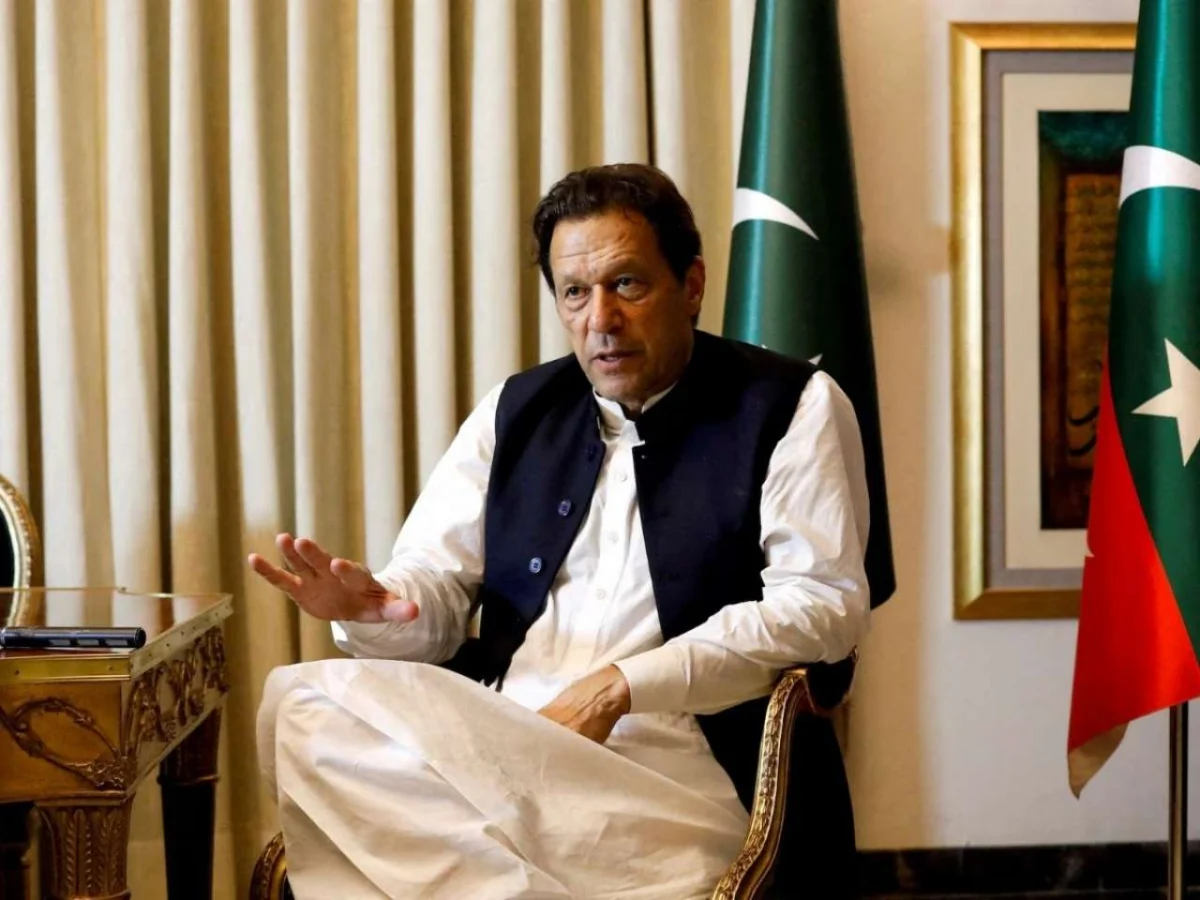
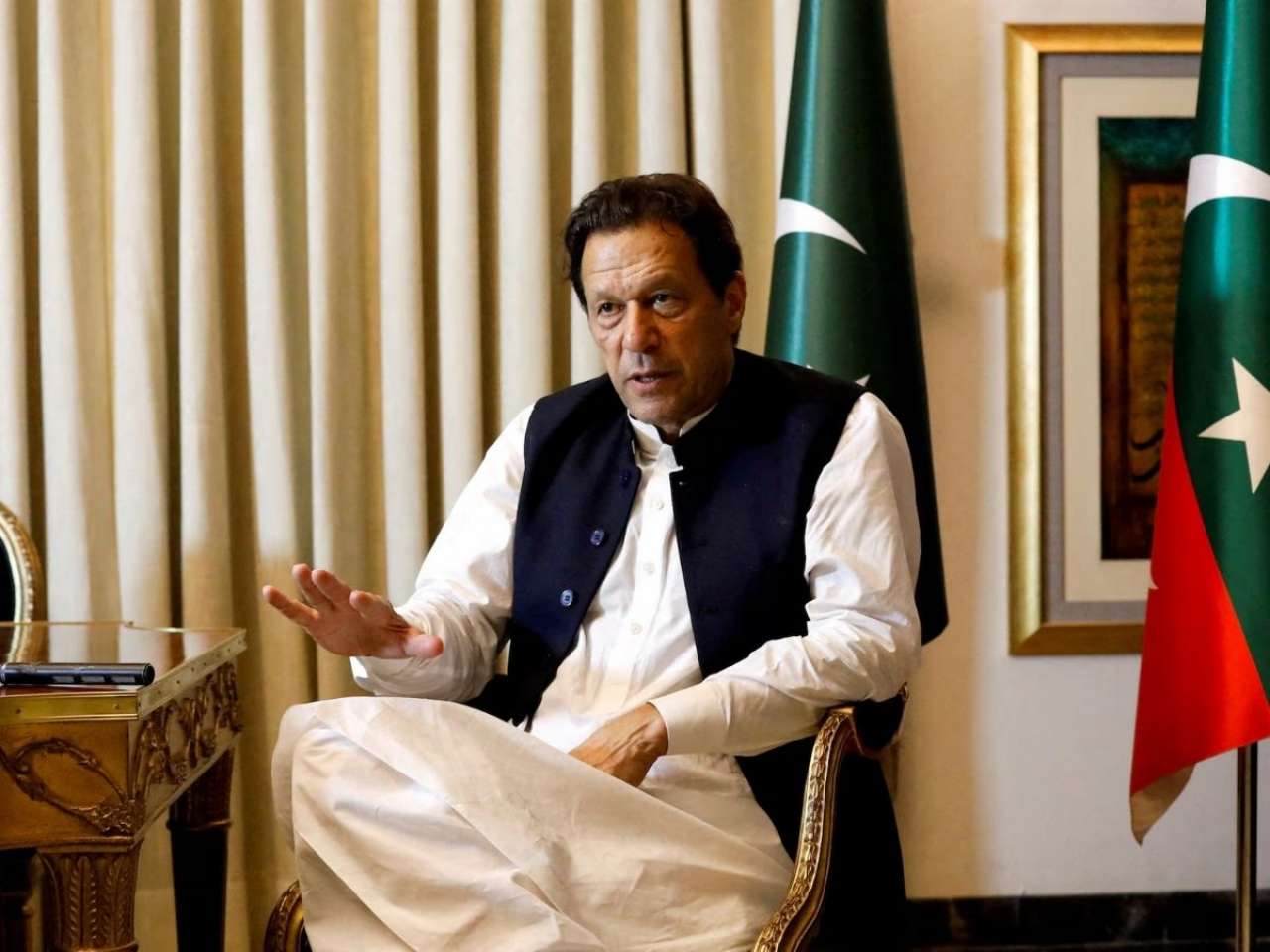
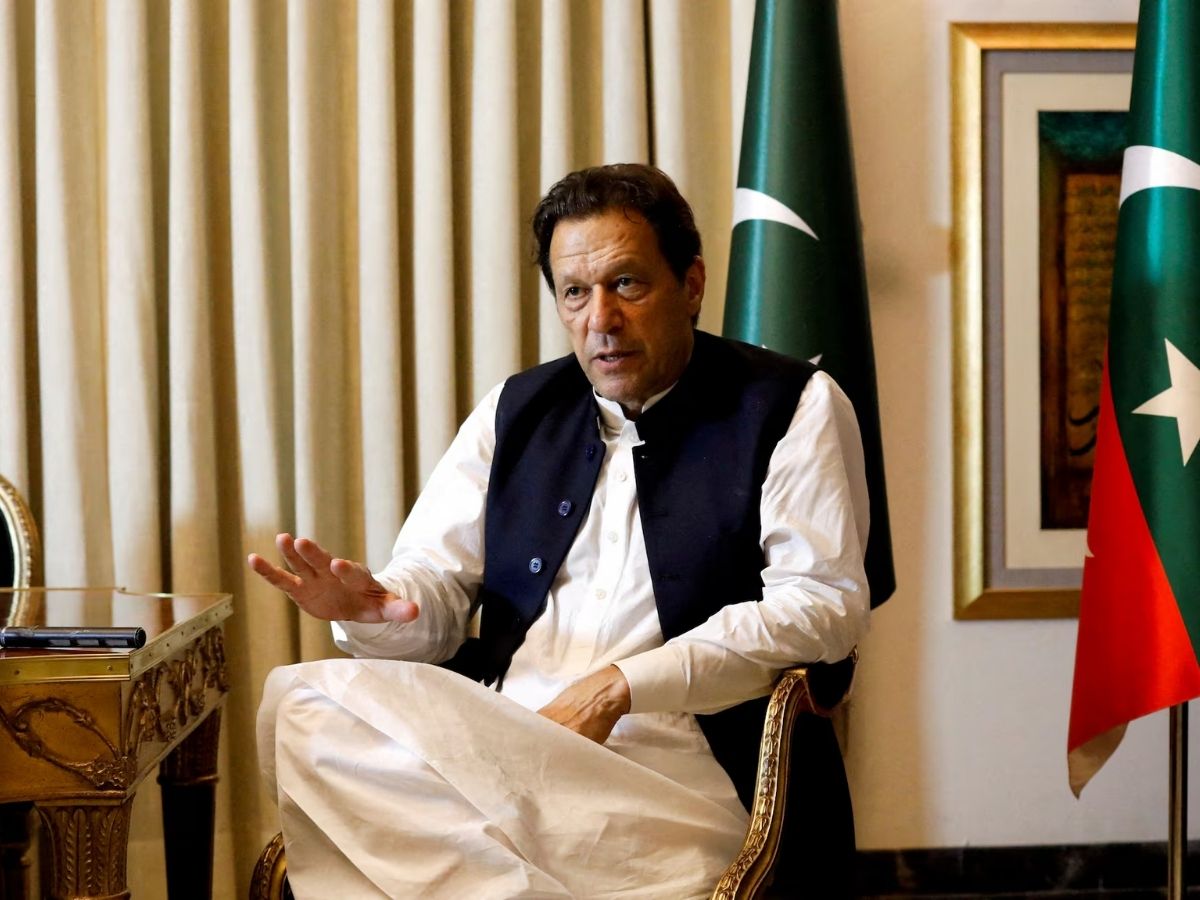
London, UK – The Pakistan Cricket Board (PCB) has reportedly issued a stringent directive to its national players, explicitly forbidding them from engaging with media inquiries concerning former captain and political figure, Imran Khan, during their ongoing Test series against England. This decisive move comes amidst heightened scrutiny and a series of events that have drawn the team into an unexpected political spotlight, overshadowing their on-field performance.
The directive underscores the PCB’s determined effort to insulate the national squad from the complex and sensitive political landscape surrounding Khan, who remains a towering figure in both Pakistan’s sporting history and its current political narrative. The board’s stance aims to maintain focus on cricket, but it has inadvertently highlighted the inextricable link between national heroes and public life, especially in a cricket-mad nation like Pakistan.
The Unfolding Chronology: From Endorsements to Explicit Prohibitions
The seeds of this controversy were sown even before the current Test series reached its boiling point. Esteemed cricketing legends and former teammates of Imran Khan, Javed Miandad and Moin Khan, publicly voiced their support for the incarcerated former Prime Minister. Their endorsements, widely reported in national and international media, served as an early indicator of the potential for political issues to seep into the cricketing discourse. Such expressions from prominent figures inevitably set a precedent and raised questions about the boundaries between personal opinion, public endorsement, and the official stance of the cricketing establishment.
The situation escalated dramatically during the ongoing Test series against England, particularly surrounding the second Test. The catalyst was a widely anticipated interview aired by Sky Sports, a prominent English broadcaster. In a move that caught many by surprise, Michael Atherton, the former England captain and highly respected cricket commentator, conducted an exclusive interview with Imran Khan’s sons. The interview was filmed in the intimate setting of the writer’s room at Lord’s, a day before the second Test commenced, and subsequently broadcast during the lunch break on day two of the match.
)
During the segment, Khan’s sons made poignant claims regarding their father’s well-being, specifically alleging that he has been subjected to mental torture during his imprisonment. This interview, coming from a credible international sports broadcaster and featuring direct family accounts, injected a powerful, emotionally charged narrative directly into the heart of the cricket series, instantly transforming a sporting event into a platform for political and human rights discussions.
PCB’s Frantic Response and Diplomatic Maneuvers
The airing of the Sky Sports interview reportedly triggered a swift and agitated response from the Pakistan Cricket Board. According to various reports, the PCB allegedly attempted to pressure the English broadcaster into withdrawing the segment, going as far as to reportedly threaten a boycott by the Pakistani players. Such a threat, if confirmed, would represent a significant diplomatic and sporting incident, potentially jeopardizing the remainder of the series and damaging international cricketing relations.

However, the reported pressure tactic proved unsuccessful. Sky Sports stood firm, and the interview remained on air. Following a brief period of intense behind-the-scenes negotiations and a palpable standoff, the Pakistani players eventually returned to the field for the second session as scheduled. The incident, though resolved without overt disruption to play, left an unmistakable tension hanging over the series.
In the aftermath of this alleged near-boycott, Head Coach Sarfaraz Khan faced a barrage of questions at the post-play press conference regarding the team’s purported intention to boycott. His response, however, was dismissive and evasive. Coach Khan reportedly brushed off the queries, stating that he had no knowledge of any such plan, as the team was collectively engaged in lunch at the time. This standard deflection, while common in sports press conferences, did little to quell speculation or address the underlying concerns about the team’s involvement in a political dispute.
)
It was in this charged atmosphere that the PCB’s official directive emerged. According to a report from the Press Trust of India (PTI), the board has now explicitly instructed its players to "strictly avoid mentioning Imran Khan" if and when reporters raise the topic. This internal memo or verbal instruction signifies a formal attempt by the PCB to control the narrative and prevent further politicization of the team’s campaign.
The PTI report further elucidated the PCB’s cautious approach, suggesting that while the board was undeniably displeased with the Sky Sports interview, it chose to avoid escalating the matter into a full-blown crisis. This measured response was reportedly influenced by several critical factors, including the need to maintain strong diplomatic ties with the United Kingdom and the team’s significant upcoming engagement: a meeting with Prince Charles scheduled for September 2. These diplomatic considerations underscore the multifaceted pressures on the PCB, which extends beyond purely cricketing matters.
)
Supporting Data: The Enduring Shadow of a National Icon
Imran Khan, aged 73, is more than just a former cricketer; he is a national institution whose life trajectory has seamlessly moved from sporting superstardom to political leadership. His legacy as the captain who led Pakistan to its only Cricket World Cup triumph in 1992 firmly places him in the pantheon of national heroes. This extraordinary sporting achievement, coupled with his charismatic personality and philanthropic work, earned him unparalleled adoration across Pakistan.
However, Khan’s transition into politics, culminating in his premiership, has been marked by turbulent periods. Since 2023, he has been incarcerated at Adiala Jail in Rawalpindi, following his conviction in a series of corruption cases. His ongoing imprisonment and widely reported alleged health issues have sparked a wave of criticism, not only from his family but also from numerous former international cricketers and a significant segment of the public. These criticisms often highlight concerns about due process, political victimization, and the treatment of a national hero.
)
The intersection of Khan’s cricketing legacy and his current political plight creates a unique dilemma for the PCB. On one hand, he is an indelible part of Pakistan’s cricketing heritage, a figure almost impossible to ignore. On the other, his present circumstances are deeply entrenched in the nation’s contentious political landscape. For the PCB, managing the team’s exposure to such a divisive figure requires a delicate balance, aiming to honor his sporting contributions while steering clear of his political controversies.
Official Responses: A Labyrinth of Silence and Evasion
The PCB’s official communication regarding this directive has been notable for its lack of direct, public confirmation. The information has largely filtered through media reports, particularly from the Press Trust of India, suggesting that the instruction is an internal directive rather than a publicly announced policy. This approach allows the board to manage its team without making a formal statement that could itself become a point of contention or appear to be an admission of political interference.
)
Head Coach Sarfaraz Khan’s response at the press conference exemplifies this strategy of non-acknowledgement. By claiming ignorance of any boycott plans, he effectively shielded the team and the board from direct confrontation, albeit without fully dispelling the rumors. This kind of nuanced official response is often employed by organizations seeking to navigate sensitive political waters without making definitive statements that could be used against them. The silence from senior PCB officials on the specific directive reinforces the perception that it is a sensitive internal matter.
Implications: Navigating the Minefield of Sports and Politics
The PCB’s gag order carries a multitude of implications, affecting players, media relations, and the very image of Pakistan cricket on the international stage.
)
Impact on Player Morale and Freedom of Speech: For the players, this directive places them in a precarious position. As national figures, they are often seen as representatives of their country in all aspects. However, as employees of the PCB, they are bound by contractual obligations and disciplinary rules. The instruction effectively curtails their freedom of speech on a topic that is deeply personal and national. This could lead to internal frustrations, a feeling of being muzzled, and potentially affect team dynamics. Players might feel unable to express personal admiration for a cricketing hero or comment on matters of national significance, leading to a sense of disconnect between their public persona and private convictions.
Media Relations and International Scrutiny: The directive is likely to intensify media scrutiny, rather than diminish it. International journalists, already aware of the sensitivity surrounding Imran Khan, might interpret the gag order as an attempt to suppress information or control narratives. This could lead to more pointed questions, not directly about Khan, but about the directive itself, the players’ comfort with it, or the broader issue of sports and politics in Pakistan. Such an environment makes press conferences and media interactions a potential minefield for players and team management. It also risks creating an impression of censorship, potentially tarnishing the PCB’s reputation for transparency.
)
Reputational Risk for PCB and Pakistan Cricket: While the PCB’s intention is to protect the team from political distractions, the directive itself could inadvertently draw more negative attention. Accusations of censorship or political interference in sports could damage the board’s standing within the international cricketing community. It might also lead to questions about the autonomy of the cricketing body and its susceptibility to external political pressures, especially given the history of political influence in various Pakistani institutions.
The Inevitable Intersection of Sports and Politics: In a country where cricket is a national obsession and its heroes are revered, separating sports from politics is an exceedingly difficult task. Imran Khan’s unique trajectory makes this almost impossible. The PCB’s directive, while aimed at de-politicizing the team’s campaign, ironically highlights the very political nature of the situation. It underscores the reality that in certain contexts, sports and politics are not merely intertwined but are, in fact, two sides of the same national coin. The issue might resurface in different forms, perhaps through fan engagement, banners in stadiums, or social media, making a complete separation challenging.
)
Challenges for Players Navigating Sensitive Topics: The directive places an immense burden on individual players. They must now be acutely aware of every question, every nuanced phrasing, to ensure they do not inadvertently breach the directive. This mental strain can be distracting, taking away from their primary focus on the game. It also forces them to adopt a cautious, often evasive, communication style, which might be perceived negatively by fans and media seeking genuine engagement.
The Broader Context of Sports and Politics in Pakistan: Pakistan has a long history where sports, particularly cricket, have been inextricably linked with national identity and political narratives. From government interventions in cricket board appointments to political figures using sporting events for public outreach, the line has often been blurred. This directive, therefore, is not an isolated incident but rather another chapter in the ongoing saga of how Pakistan cricket navigates its relationship with the nation’s political currents.
)
Conclusion: A Tightrope Walk for Pakistan Cricket
The Pakistan Cricket Board’s directive to its players regarding questions about Imran Khan is a clear indication of its strenuous efforts to shield the national team from political controversies during a high-profile series. While the board’s intent to maintain focus on cricket is understandable, the reality is that the shadow of a figure as monumental and politically charged as Imran Khan is difficult to escape.
The incident surrounding the Sky Sports interview, the alleged pressure tactics, and the subsequent gag order underscore the delicate tightrope walk the PCB must perform. It must balance its commitment to the sport with the complex realities of diplomatic relations, media scrutiny, and the enduring national significance of its cricketing heroes, even those embroiled in political turmoil.
)
As the England Test series progresses, all eyes will not only be on the wickets and runs but also on how the Pakistani players, coaches, and the PCB navigate this sensitive political landscape. The challenge for Pakistan cricket is not merely to win matches, but to do so while preserving its integrity and managing the powerful, often unpredictable, currents where sports and national politics converge. The success of this directive, and indeed the broader strategy, will determine the long-term image and resilience of Pakistan cricket on the global stage.
