

For decades, the global perception of Srinagar was filtered through the lens of Bollywood romances or the stark headlines of conflict. To the traveler arriving from India’s southern states, the expectations are often a duality of snow-capped serenity and the lingering shadows of a complex political history. However, as the flight descends onto the tarmac of Srinagar International Airport, a different reality emerges: a city where the past is not a relic but a living, breathing participant in the present.
Srinagar, the summer capital of Jammu and Kashmir, is currently undergoing a quiet renaissance. It is a city of "remnants"—remnants of horror, yes, but more importantly, remnants of heritage and honor. This report explores a 36-hour immersion into the city’s cultural and culinary heart, revealing a destination that is balancing its historic identity with a burgeoning luxury tourism sector.
Chronology: 36 Hours in the Summer Capital
Tuesday: The Spiritual and Architectural Heart of Shehr-e-Khaas
5:00 PM | The Silent Grandeur of Jamia Masjid
The journey begins in the bustling, narrow arteries of downtown Srinagar, known locally as Shehr-e-Khaas. At its center lies the 600-year-old Jamia Masjid, an architectural anomaly that defies traditional Islamic structural norms. Unlike the domed and minareted mosques of the Middle East or North India, Jamia Masjid reflects a distinct Kashmiri-Hellenic synthesis.

The structure is supported by 378 massive deodar pillars, each carved from a single tree trunk, reaching 14 meters into the air. "The roof is pyramidal," explains local guide Yunus Bhatt, "designed specifically to allow the heavy winter snow to slide off, protecting the wooden integrity of the structure." The courtyard offers a moment of profound silence; the only sounds are the flutter of pigeon wings and the Maghrib (sunset) prayer echoing against the backdrop of Hari Parbat (Koh-i-Maran).
7:00 PM | The Sufi Legacy at Khanqah-e-Moula
A fifteen-minute walk through the Zaina Kadal area leads to the Khanqah-e-Moula, one of the oldest Sufi shrines in the valley. Dedicated to Mir Syed Ali Hamadani (Shah-e-Hamadan), the shrine is a masterclass in the Taq system—a traditional Kashmiri construction method using interlocking wooden beams without a single metal nail. The facade is a riot of intricate woodcarvings and vibrant papier-mâché work on the ceilings, reflecting the Persian influence brought to the valley centuries ago.
8:00 PM | Navigating the Seven Bridges
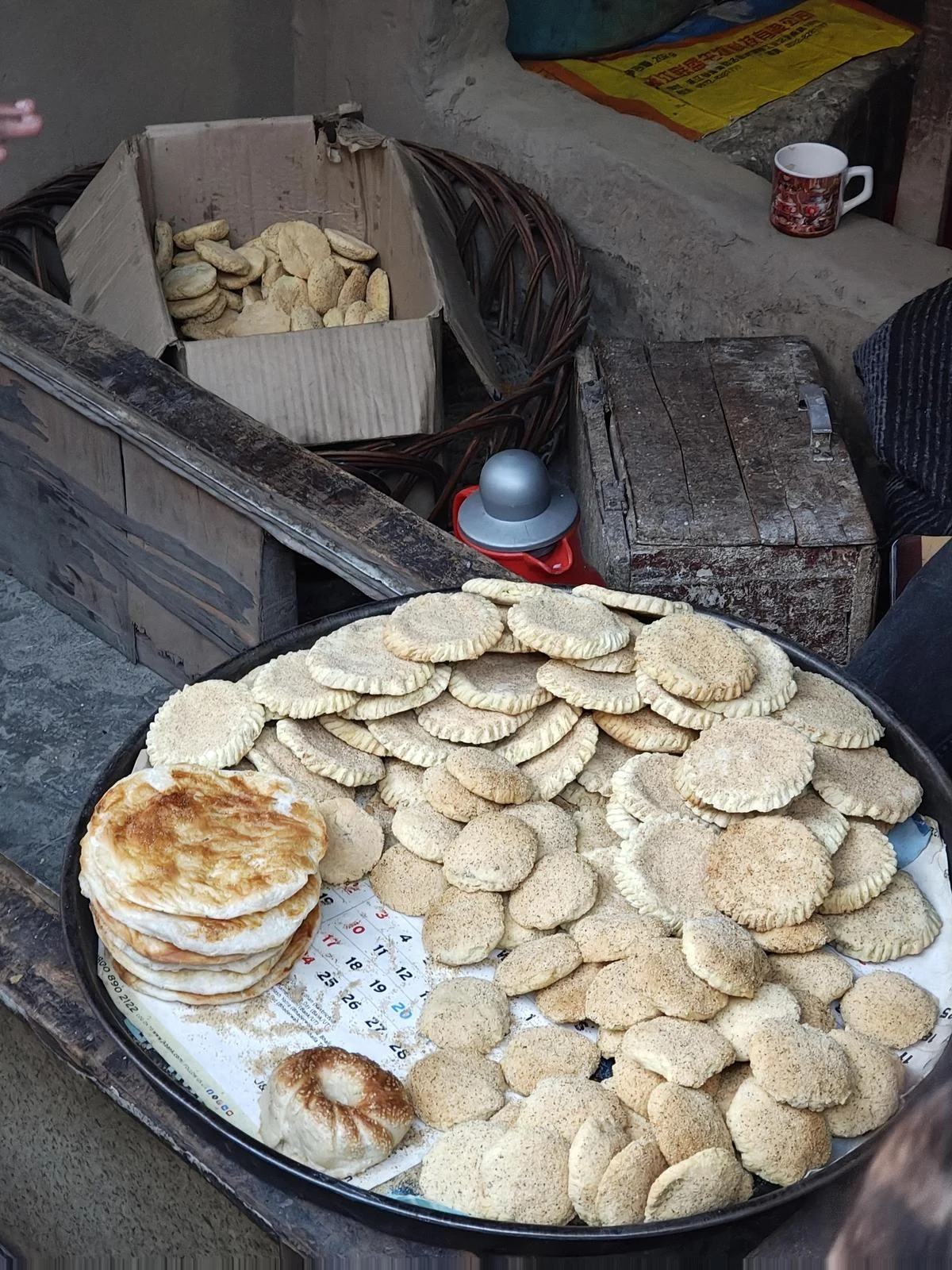
As night falls, the true character of downtown reveals itself. The area is defined by the Jhelum River and its seven historic wooden bridges, or Kadals. Walking through these alleys, one encounters the sensory essence of Srinagar. The air is thick with the scent of Bakarkhani, a Mughlai flatbread. Local bakers, working out of centuries-old storefronts, recommend pairing the bread with Kahwa, the region’s signature saffron-infused tea.

The SR Gunj Market serves as a hub for the city’s copper industry. In dimly lit workshops, metalsmiths continue the labor-intensive tradition of hammering and engraving Samovars (tea kettles) and Tash-t-Nari (ceremonial washbasins), their rhythmic tapping forming the soundtrack of the night.
Wednesday: From Floating Markets to Political Landmarks
6:00 AM | Dawn on Dal Lake
The second day begins before sunrise at Nehru Gate. The Shikara—a flat-bottomed wooden boat—is the primary mode of transport on Dal Lake. At 6:00 AM, the water is a mirror for the Zabarwan Mountain Range.
The early hour is essential to witness the floating vegetable market. Here, farmers on boats trade fresh produce—lotus stems (Nadru), water chestnuts, and leafy greens—in a tradition that has remained unchanged for generations. This is not a tourist spectacle but a vital economic artery for the thousands who live in houseboats and island hamlets within the lake.

11:00 AM | The Seasonal Spectacle of the Tulip Garden
Located 22 kilometers from the airport, the Indira Gandhi Memorial Tulip Garden is Asia’s largest. Spanning 30 hectares at the foothills of the Zabarwan Mountains, the garden is a seasonal phenomenon, open only for about a month (typically mid-March to mid-April). With over 1.8 million tulips across 70 varieties, the garden represents a significant boost to Srinagar’s springtime economy, drawing hundreds of thousands of domestic and international tourists.
4:00 PM | Lal Chowk and the Pulse of Commerce
A visit to Srinagar is incomplete without Lal Chowk, the city’s commercial and political epicenter. Named after Moscow’s Red Square by leftist intellectuals in the mid-20th century, the area is dominated by its iconic clock tower (Ghanta Ghar).
While the presence of security forces remains a visible reality of the region, the atmosphere is one of intense commercial activity. Shops line the streets selling Pherans (traditional wool cloaks), Pashmina shawls, and walnut wood carvings. For a modern taste of the city, the Crème by Ahdoos bakery offers a fusion of Parisian pastry techniques with Kashmiri ingredients, such as their noted walnut tarts.

7:30 PM | The Ritual of Wazwan
The day concludes with a traditional Wazwan dinner at Firdaus, located within the Radisson Collection Hotel. Wazwan is more than a meal; it is a multi-course culinary ceremony. Served on a Traem (a large, engraved copper platter), the feast includes:
- Tabak Maaz: Lamb ribs fried in ghee until the meat is tender enough to fall off the bone.
- Rista and Gushtaba: Hand-pounded meatballs cooked in red gravy and white yogurt gravy, respectively.
- Aab Ghosht: Mildly spiced lamb cooked in milk.
The meal ends with Phirni (rice pudding) and a final cup of Kahwa, marking the pinnacle of Kashmiri hospitality.
Supporting Data: The Infrastructure of Heritage
The preservation of Srinagar’s identity relies heavily on its unique architectural and botanical assets. The following data points highlight the scale of the city’s heritage:
| Feature | Detail | Significance |
|---|---|---|
| Jamia Masjid Pillars | 378 Deodar Columns | Represents the scale of medieval Kashmiri timber engineering. |
| Tulip Garden Variety | 70+ Varieties | Asia’s largest, acting as the primary driver for spring tourism. |
| Wazwan Composition | Up to 36 Courses | A culinary tradition that sustains a large community of specialized chefs (Wazas). |
| The Taq System | Nail-less Interlocking | An indigenous earthquake-resistant building technique. |
Official Responses: The Shift Toward Luxury Tourism
The entry of international luxury brands into the Srinagar market signals a shift in the region’s economic strategy. In 2024, the Radisson Collection Hotel & Spa, Riverfront Srinagar, marked the brand’s debut project in India.

Shubhankar Jyoti, General Manager of Radisson Collection Hotel & Spa, Riverfront Srinagar, emphasizes the city’s unique appeal:
"Srinagar has a distinctive cultural identity and stories worth experiencing. The property was envisioned as more than just a luxury hotel; it was designed to immerse guests in the spirit of Kashmir through thoughtful design and curated local experiences."
Jyoti notes that the hotel’s architecture—combining European alpine aesthetics with traditional Kashmiri wood detailing—is a deliberate attempt to honor the "Summer Capital’s" heritage while providing the infrastructure required by modern high-end travelers. This institutional investment suggests a long-term confidence in the stability and growth of the Jammu and Kashmir tourism sector.
Implications: The Future of the "Paradise on Earth"
The 36-hour itinerary through Srinagar reveals a city at a crossroads. The implications of its current trajectory are threefold:

1. Cultural Resilience
Despite decades of socio-political volatility, the artisanal traditions of Srinagar—from the copper-beaters of Shehr-e-Khaas to the Wazas of the kitchens—remain intact. This resilience is the bedrock of the city’s tourism appeal. The survival of the Taq system and the continued use of the Shikara are not merely for aesthetics; they are functional links to a sustainable past.
2. Economic Diversification
The success of the Tulip Garden and the expansion of luxury hotels indicate that Srinagar is moving beyond "seasonal" tourism. By leveraging its heritage (Wazwan, Sufi shrines) alongside modern amenities, the city is positioning itself as a year-round destination for cultural and wellness tourism.
3. The Sweet Note of Departure
The final stop for many travelers is Moonlight: The Walnut Fudge Shop in Hyderpora. Founded in 1896, its secret recipe of walnuts, honey, and dates serves as a metaphor for the city itself: dense, rich with history, and leaving a lingering sweetness that defies the often-bitter headlines associated with the region.

As Srinagar continues to open its doors, the encounter for the traveler is no longer just a cinematic backdrop. It is a complex, sensory journey through a landscape that is reclaiming its narrative, one pillar, one tulip, and one copper plate at a time.
