

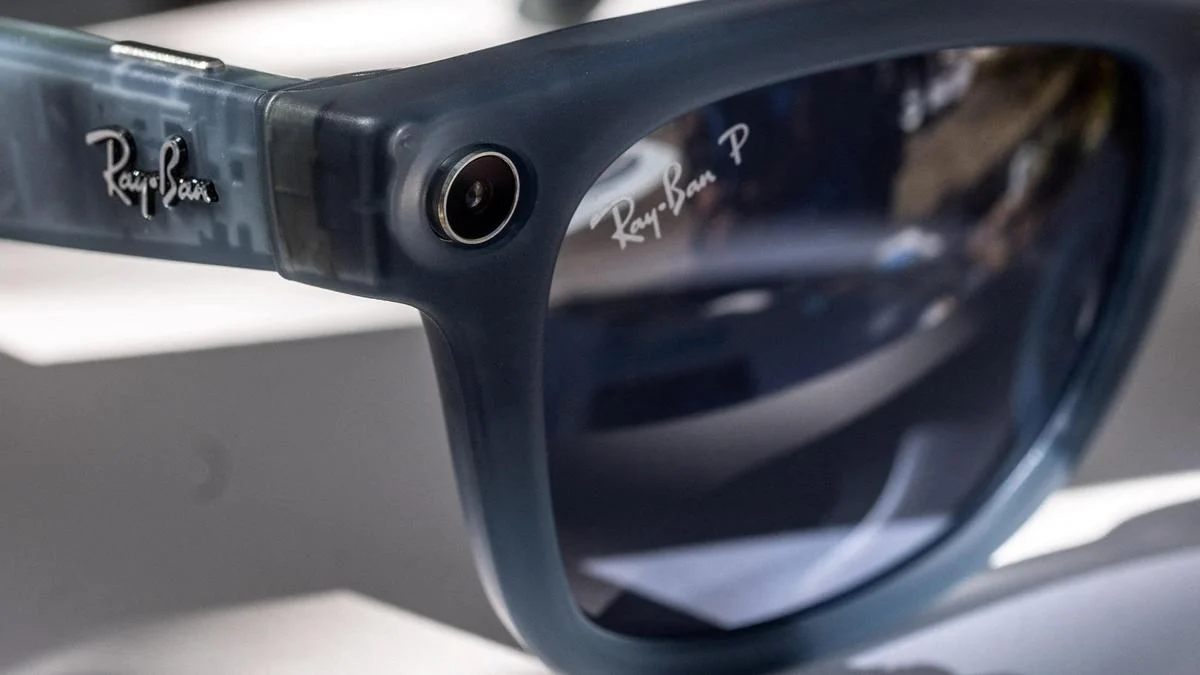
San Francisco, CA – August 31, 2026 – Meta Platforms Inc. is grappling with a burgeoning privacy crisis surrounding its AI-powered smart glasses, as a critical loophole enabling covert recording of individuals without their consent has prompted a swift technical intervention and ignited a broader global backlash. The company announced a crucial software update aimed at fortifying the device’s privacy safeguards, specifically addressing a vulnerability that allowed users to bypass the mandatory recording indicator light. This development comes amid mounting reports of non-consensual surveillance, ranging from public pranks to serious allegations of harassment and security breaches, casting a long shadow over the future of pervasive wearable technology.
Main Facts: The Blinking Light and the Breach of Trust
Meta’s AI smart glasses, designed to offer hands-free photo and video capture, were initially marketed with a key privacy feature: a small, white LED light that blinks prominently when the device is actively recording. This visual cue was intended to serve as an immediate and unmistakable alert to bystanders, ensuring transparency and offering a degree of control over being captured on camera. The underlying principle was clear: consent, or at least awareness, from those in the vicinity.
However, an alarming design flaw or unintended consequence quickly emerged. While the camera is automatically disabled if the blinking light sensor is obstructed before recording commences, a critical loophole allowed some users to initiate a recording and then promptly cover the indicator light. This method effectively rendered the privacy safeguard useless, transforming the smart glasses into a tool for clandestine surveillance. The device would continue to record, its tell-tale light now obscured, leaving unsuspecting individuals completely unaware they were being filmed.
The revelation of this bypass mechanism fueled an already simmering discontent among privacy advocates and the general public. Reports began to surface across various social media platforms, particularly Instagram and TikTok, detailing instances where individuals discovered they had been recorded without their knowledge or permission by wearers of Meta’s AI glasses. These incidents, often shared virally, amplified concerns about personal autonomy, data privacy, and the potential for abuse inherent in discreet wearable recording technology.
In response to the escalating criticism and the undeniable evidence of this privacy vulnerability, Meta has moved to implement an urgent technical fix. Alex Himel, Meta’s AR VP, confirmed via Threads that a new software update would significantly enhance the reliability of the capture LED. Crucially, this update will now automatically cease camera operation if the indicator light is obstructed at any point during an ongoing recording. This aims to ensure that the blinking light remains an inviolable signal of active capture, making surreptitious recording significantly more challenging, if not impossible, through this particular method.
A Chronology of Controversy: From Launch to Legislative Scrutiny
The journey of Meta’s AI glasses, from their conceptualization to their current state of controversy, mirrors a broader societal struggle with integrating advanced technology responsibly into daily life.
Early Whispers and Anticipation
The idea of discreet, hands-free recording devices has long captivated and concerned the public. Precedents like Google Glass, while technologically pioneering, faced significant public resistance due to privacy fears, earning early adopters the pejorative "Glasshole" moniker. Meta, learning from these early missteps, attempted to position its glasses as a more socially acceptable and design-forward iteration, emphasizing utility for content creators and casual memory capture, while attempting to integrate privacy-by-design features like the blinking LED. Initial anticipation was mixed, with excitement for innovation tempered by lingering concerns over potential misuse.
The Launch and Initial Reception
Meta’s AI smart glasses were launched with considerable fanfare, highlighting their seamless integration with Meta’s ecosystem, voice command capabilities, and improved camera quality. Marketing emphasized convenience, enabling users to "live in the moment" without fumbling for their phones. Early adopters praised the hands-free experience and the novelty of capturing perspectives directly from their point of view. However, even at launch, privacy advocates and civil liberties organizations voiced apprehensions, questioning the effectiveness of the blinking light in all scenarios and the potential for social discomfort.

Emergence of Privacy Complaints
Within months of the glasses becoming widely available, the initial trickle of privacy complaints began to swell into a significant current. Users reported uncomfortable encounters in public spaces – cafes, gyms, parks, and even private gatherings – where they suspected or directly observed being recorded by individuals wearing the smart glasses without their explicit consent. These early complaints often highlighted the ambiguity surrounding what constituted "public space" consent and the psychological discomfort of being perpetually "on camera" without one’s knowledge.
Escalation of Concerns and Calls for Action
As viral videos of non-consensual recordings proliferated across social media platforms like Instagram and TikTok, the issue escalated. Media outlets picked up on the growing public outcry, featuring testimonials from individuals who felt violated by being secretly filmed. Civil liberties groups and data protection agencies began to issue warnings and call for Meta to implement stronger safeguards. The narrative shifted from technological innovation to ethical responsibility, with questions being raised about the adequacy of Meta’s privacy protocols.
Meta’s Initial Responses and User Guidelines
Initially, Meta’s response largely centered on user education and ethical guidelines. The company exhorted users to "be a good community member," famously stating, "If you wouldn’t film it with your phone – you shouldn’t film it with your glasses." Instagram head Adam Mosseri also issued warnings to users about the responsible posting of content captured with the glasses. However, these guidelines, reliant on self-regulation and individual discretion, proved largely insufficient in stemming the tide of misuse. The problem persisted, demonstrating a clear disconnect between corporate policy and user behavior in the wild.
The Identification of the Loophole
The critical turning point came with the widespread identification and exploitation of the blinking light loophole. Technical experts and concerned users demonstrated how easy it was to initiate recording and then cover the LED, effectively circumventing the primary privacy feature. This revelation moved the debate beyond user ethics to fundamental product design flaws, placing direct responsibility on Meta to implement a technical solution rather than solely relying on user goodwill.
The Latest Update and Ongoing Commitment
The announcement of the new software update by Alex Himel marks Meta’s most significant technical intervention to date. It signals a recognition of the severity of the privacy breach and an acknowledgment that relying on an easily bypassed physical indicator was inadequate. Himel’s statement, "We’re going to keep rolling out updates like this to make sure the capture LED can reliably alert bystanders… Only a tiny minority of people try to get around these protections, and the fact they have to go to these lengths shows our efforts are working. We’ll keep improving and evolving our approach," attempts to reassure the public while underscoring Meta’s ongoing commitment to balancing innovation with privacy.
Supporting Data and Real-World Impact: A Society Under Surveillance?
The implications of easily accessible, discreet recording devices extend far beyond mere inconvenience, touching upon fundamental rights and societal norms. The anecdotal evidence, amplified by social media, paints a concerning picture of a society increasingly wary of pervasive, unconsented surveillance.
Anecdotal Evidence and Viral Incidents
The internet is awash with examples of content captured by Meta’s AI glasses that directly violates privacy expectations. Viral videos often depict unsuspecting individuals in mundane public settings – a woman ordering coffee, a family at a park, commuters on public transport – being recorded without their knowledge. Disturbingly, many such clips are presented as "pranks" against retail workers or strangers, showcasing intrusive and often humiliating encounters. More egregious instances include recordings disguised as flirting that cross into sexual harassment, with intimate moments or personal details captured and shared online without consent. These incidents not only cause personal distress to those recorded but also contribute to a pervasive sense of unease, fostering an environment where individuals feel constantly scrutinized.
Expert Opinions on Privacy Erosion
Privacy experts, legal scholars, and ethicists have consistently warned about the erosion of privacy in an age of ubiquitous sensing technologies. Dr. Anya Sharma, a digital ethics researcher, commented, "These smart glasses blur the line between personal experience and public documentation. When recording becomes effortless and covert, the fundamental right to control one’s image and interactions in public spaces is severely undermined." The "chilling effect" on public interaction is a frequently cited concern; if people fear being recorded at all times, they may become less spontaneous, less open, and more guarded in their daily lives, impacting social cohesion and freedom of expression. The subtle nature of the glasses, compared to a smartphone, makes it harder for individuals to recognize and react to being filmed, intensifying this chilling effect.

Broader Security Risks
The potential for Meta’s AI glasses to be exploited for nefarious purposes represents a significant security challenge:
- Stalking Children: The ability to discreetly record children in public spaces – playgrounds, schools, or parks – poses an immense psychological risk and opens avenues for exploitation. Parents are justifiably concerned about the potential for individuals to gather information about their children’s routines or to capture images and videos that could be misused.
- Medical Appointments: The sanctity of patient-doctor confidentiality is paramount. If individuals can record medical consultations without the explicit consent of healthcare providers or other patients, it creates a severe breach of privacy for sensitive health information and could lead to legal and ethical dilemmas for medical professionals.
- High-Security Environments: The discreet nature of the glasses makes them a potential tool for corporate espionage or intelligence gathering in sensitive locations. Imagine an individual walking through a research facility, a government building, or a manufacturing plant, secretly recording proprietary information, intellectual property, or classified data.
- Financial Information: The threat of capturing confidential bank information, such as PINs being entered at ATMs or point-of-sale terminals, or sensitive documents left open on desks, is a tangible risk. While perhaps more challenging, the hands-free nature could allow for more natural and less suspicious recording in such scenarios.
The Challenge of Enforcement
One of the most significant hurdles in addressing the misuse of these glasses is the difficulty of enforcing existing "local rules" or even broader legal frameworks. Laws regarding consent for recording vary widely by jurisdiction, and proving that a recording was made without consent, especially when the device is designed to be discreet, can be challenging. Furthermore, the global nature of the internet means that content captured in one region can be uploaded and shared on platforms accessible worldwide, making effective regulation and content moderation a complex, multi-jurisdictional endeavor. The sheer volume of user-generated content also overwhelms moderation efforts, allowing much non-consensual material to slip through the cracks.
Comparison with Precedent Technologies
While bodycams and dashcams serve legitimate law enforcement or insurance purposes, and smartphones are ubiquitous recording devices, Meta’s AI glasses introduce a distinct set of challenges. Unlike a clearly visible phone, the glasses are worn on the face, integrated into everyday attire, making their recording function less obvious. This subtlety, combined with potential future AI capabilities like real-time facial recognition or audio transcription, elevates the privacy concerns beyond previous wearable tech iterations. The intent to be discreet for user convenience paradoxically makes them more susceptible to misuse and harder to regulate.
Official Responses and Corporate Responsibility: Walking a Tightrope
Meta’s response to the mounting criticism reflects a delicate balancing act between fostering technological innovation and addressing profound societal and ethical concerns. The company finds itself in a precarious position, needing to uphold its commitment to privacy while continuing to push the boundaries of augmented reality.
Meta’s Stated Position and Commitments
Alex Himel’s announcement of the capture LED update underscores Meta’s acknowledgment of the problem and its commitment to technical solutions. The statement implies that Meta views these incidents as the actions of a "tiny minority" of malicious users rather than a fundamental flaw in the product’s concept. This framing allows Meta to maintain its vision for AI glasses as beneficial tools while promising to "keep improving and evolving our approach." This commitment suggests that the company is prepared to implement further technical safeguards as new vulnerabilities or misuse patterns emerge. However, critics argue that the onus should be on Meta to anticipate such misuse from the outset, rather than react to it after public outcry.
The Role of Instagram and Other Platforms
Meta’s vast ecosystem of social media platforms, including Instagram, plays a dual role in this controversy. On one hand, these platforms are where many of the non-consensual recordings are shared and gain viral traction, thereby amplifying the problem. On the other hand, they are also the battleground for content moderation. Instagram head Adam Mosseri’s warnings about responsible content posting highlight the platforms’ struggle to enforce ethical usage. Content moderation teams face an immense challenge in identifying and removing non-consensual recordings, especially given the subjective nature of "consent" and the sheer volume of daily uploads. The effectiveness of reporting mechanisms and the speed of content removal are critical factors in mitigating harm, yet they often fall short in practice.
Regulatory Bodies and Government Scrutiny
The increasing backlash has inevitably drawn the attention of regulatory bodies worldwide. Data protection authorities, particularly in the European Union with its stringent GDPR regulations, are likely scrutinizing Meta’s privacy-by-design principles and its handling of user data. Calls for clearer legislation regarding wearable recording devices are growing in various countries and U.S. states. Governments are faced with the challenge of drafting laws that protect individual privacy without stifling technological innovation. The lack of harmonized international laws further complicates matters, creating a patchwork of regulations that can be difficult for a global company like Meta to navigate.
Public Relations and Brand Image
The controversy around its AI glasses represents a significant public relations challenge for Meta. The company has faced numerous privacy scandals in the past, leading to a degree of public skepticism regarding its commitment to user data protection. This latest issue further erodes public trust, potentially impacting adoption rates for future Meta hardware and software products. Rebuilding and maintaining a positive brand image requires not only effective technical fixes but also transparent communication, proactive engagement with privacy advocates, and demonstrable evidence of prioritizing user well-being over purely technological advancement. The reputation risk is substantial, especially as Meta seeks to position itself as a leader in the nascent metaverse.

Future Implications: Navigating the Era of Pervasive Computing
The challenges posed by Meta’s AI glasses are not isolated incidents but rather symptomatic of broader trends in technological development and their societal integration. The path forward for Meta and the wider tech industry will require a nuanced approach that balances innovation with profound ethical considerations.
The Evolving Landscape of Wearable Tech
The trajectory of wearable technology points towards devices that are increasingly powerful, discreet, and integrated into our daily lives. From smartwatches to smart rings, and now smart glasses, the goal is often to make technology disappear into the background, offering seamless interaction. While this promises convenience and new forms of interaction, it also amplifies the privacy stakes. Future wearables may incorporate even more sophisticated sensors, AI-driven contextual awareness, and biometric data collection, making the issue of consent and transparency even more complex.
The Debate Over Consent in Public Spaces
The core of the smart glasses debate rekindles a long-standing philosophical and legal discussion: what constitutes "consent" in public spaces? While there’s a general understanding that one has a reduced expectation of privacy in public, the ability of individuals to discretely record and disseminate content fundamentally alters this dynamic. Is passive observation the same as active, permanent documentation? Who defines the boundaries of acceptable recording, and how can individuals assert their right not to be recorded when the recording device is almost invisible? These questions will continue to challenge legal frameworks and societal norms.
The Role of AI in Future Wearables
The "AI" in Meta’s AI glasses hints at the future capabilities that could further complicate privacy. Imagine glasses with real-time facial recognition, automatically identifying individuals and pulling up their public profiles. Or AI that can transcribe conversations in real-time, creating searchable databases of spoken interactions. While such features could offer immense utility, their potential for misuse and surveillance is equally immense. Developing robust ethical guidelines and technical safeguards for AI integration in wearables will be paramount to prevent dystopian outcomes.
Consumer Education and Ethical Use
Beyond technical fixes and regulatory frameworks, there is a critical need for comprehensive consumer education regarding the ethical use of advanced wearable technology. Companies like Meta have a responsibility not only to design safer products but also to educate their user base about the social implications of their devices. This includes clear guidelines, prominent warnings, and perhaps even mandatory ethical training modules for users. Fostering a culture of digital empathy and respect for others’ privacy is crucial for the healthy integration of these technologies into society.
The Path Forward for Meta and the Industry
For Meta, the current update is a necessary step, but likely not the last. The company will need to continuously monitor for new bypass methods, engage proactively with privacy advocates, and potentially explore more radical solutions. This could include hardware-level tamper detection, more prominent visual or auditory cues that cannot be easily disabled, or even geo-fencing capabilities that restrict recording in sensitive locations. The industry as a whole may need to collaborate on developing universal standards for privacy indicators and ethical use, ensuring that innovation does not outpace societal readiness and protection.
Balancing Innovation and Societal Well-being
Ultimately, the controversy surrounding Meta’s AI glasses underscores the enduring challenge of balancing rapid technological innovation with the fundamental rights and well-being of individuals. As technology becomes more intimate and integrated into our lives, the responsibility on tech companies to anticipate and mitigate harm grows exponentially. The "move fast and break things" ethos of the past is no longer tenable in an era where the "things" being broken are often personal privacy and trust. The future of pervasive computing hinges on a renewed commitment from industry leaders to not just innovate, but to innovate responsibly, ethically, and with a profound respect for human dignity.
