

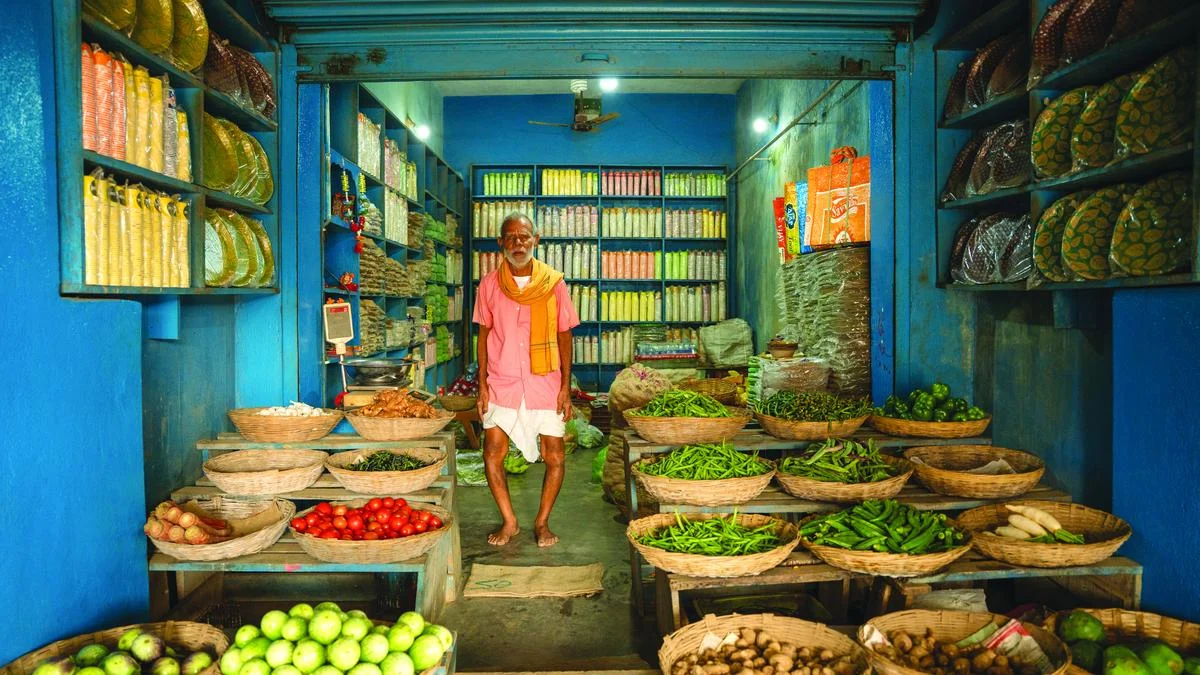
The landscape of Indian culinary literature has recently been enriched by the release of The Orissan, a 350-page coffee-table book published by Penguin Random House India. Far from being a mere collection of recipes, the volume is described by its authors as a "conversation between two generations"—a meticulous archival effort to document the multifaceted heritage of Odisha.

Co-authored by Alka Jena, a high-ranking official in the Government of Odisha, and the father-daughter duo of Sandip and Pallavi Das, the book seeks to reposition Odia cuisine on the global map. It moves beyond the common tropes of temple offerings to explore tribal foodways, coastal produce, and the intimate everyday lives of the Odia people.
Main Facts: A Landmark Publication in Regional Heritage
The Orissan is priced at ₹5,999 and serves as a comprehensive cultural encyclopedia. While food is the central protagonist, the book weaves in threads of history, architecture, traditional crafts, and festive traditions.

The primary objective of the project was to challenge the reductionist view of Odisha’s culinary identity. For decades, the state’s food has often been categorized solely through the lens of the Jagannath Temple tradition or a few well-known sweets like the Rasagola. However, the authors argue that the state’s diversity—ranging from the forest-based diets of its 62 tribal communities to the seafood-rich traditions of its long coastline—remains largely undocumented in mainstream English-language literature.
The book is structured into thematic chapters that guide the reader through the state’s history, its sacred temple kitchens, and a robust recipe bank. This bank includes everything from beverages and starters to complex rice preparations, festive puddings, and the legendary sweets of the region.

Chronology: From a Summer Pitch to a Global Collaboration
The journey of The Orissan began in the summer of 2023, sparked by a professional-style pitch from Pallavi Das to her father, Sandip Das. Pallavi, who is based in the United States, envisioned a project that was "meaningful enough to pass from one generation to another" while maintaining the aesthetic appeal of a luxury coffee-table book.
The development of the book followed a rigorous timeline:

- Summer 2023: The project concept was formalized. Pallavi Das presented a PowerPoint proposal to her father, Sandip, a corporate veteran with decades of experience, to secure his collaboration.
- Late 2023 – 2024: The research phase commenced. This involved cross-continental collaboration via virtual meetings between Bhubaneswar (Alka Jena), New York (Pallavi Das), and Gurugram (Sandip Das).
- January 2025: A pivotal field research trip took place in Odisha. Pallavi visited Bhubaneswar to conduct on-ground interviews and document visual elements. This coincided with the Adivasi Mela, the state’s premier exhibition of tribal culture.
- Mid-2025: The book was officially released under the Penguin Random House India imprint, marking a significant milestone for Odia cultural documentation.
Supporting Data: The Architecture of Odia Gastronomy
The 350-page volume is backed by extensive historical and sociological research. The authors highlight several key pillars that define the "Odia way of eating," many of which predate modern culinary trends:
- The Temple Ecosystem: The research began at the 13th-century Ananta Basudev Temple in Bhubaneswar. The authors explored the Bhoga (offerings) and Prasad, documenting the "remarkable ecosystem" of temple kitchens that have functioned as the state’s culinary guardians for centuries.
- Artisanal Integration: The book links food to the state’s traditional crafts. The authors visited Balakati, famous for its Kansa (bell-metal) craftsmanship, and the Ekamra Art Gallery to study Pattachitra (traditional scroll painting), illustrating how the visual and material culture of Odisha is inseparable from its dining traditions.
- Scientific Sophistication: Sandip Das emphasizes that Odia food is often misunderstood as "rural" or "simple." He argues that the cuisine represents a "higher understanding of seasonality and nutrition." He cites Pakhala (fermented rice) as a sophisticated art of probiotic preservation and Dalma (a lentil and vegetable stew) as a masterclass in steaming and balanced nutrition.
- Maritime Influence: Alka Jena’s research delved into the history of ancient Kalinga and its seafaring traditions. By looking at food through a maritime lens, the authors discovered how trade routes influenced ingredients and cooking methods, turning recipes into historical documents that trace centuries of cultural exchange.
Official Responses: Heritage as a Planning Priority
Alka Jena, who serves as the Deputy Director of Planning in the Planning & Convergence Department for the Government of Odisha, brings an "official" weight to the project. Her involvement underscores the state’s growing interest in cultural preservation as a form of soft power and economic development.

"We are often reduced to a handful of dishes," Jena notes, highlighting the need for a more nuanced representation. From her perspective, documenting these traditions is not just an act of nostalgia but a necessary step in ensuring that the "intellectual property" of Odia kitchens—the recipes and techniques carried through memory—is not lost to modernization.
The collaboration also bridges the gap between the local administration and the global Odia diaspora. Pallavi Das, representing the diaspora’s voice, approached the project with the curiosity of someone who grew up outside the state. She drew inspiration from international culinary literature, such as Dark Rye and Honey Cake, to ensure the storytelling was contemporary and accessible to a global audience.

The Recipe Bank: A Living Archive
The heart of the book lies in its detailed recipes, which the authors categorized based on personal significance and cultural weight:
- Ancestral Recipes: Alka Jena highlights Sarupatra Besara, a dish of colocasia leaves passed down from her grandmother, and Macha Haldipani, a light fish preparation made with fresh turmeric and buttermilk.
- The "Queen of Dals": Sandip Das champions Dalma and the ritualistic Habisya Dali, alongside non-vegetarian staples like Mudi Maunsa (mutton with puffed rice) and Soriso Ilisi (hilsa in mustard sauce).
- The Confectionary Tradition: No book on Odisha would be complete without Chhena Poda (the iconic burnt cheese cake) and the Pahala Rasagola, both of which are given extensive treatment in the volume.
Implications: Preserving the "Oral Library"
The release of The Orissan carries significant implications for the future of Indian regional cuisines.

First, it addresses the "generational leak" of culinary knowledge. As Alka Jena observed, "Once a generation is gone, a recipe can disappear." By moving these recipes from the "oral library" of grandmothers into a high-quality print format, the authors have created a permanent record for future generations.
Second, the book serves as a template for other Indian states to document their heritage. By combining high-production values (the "coffee-table" format) with deep academic and historical research, the authors have elevated the genre of the cookbook into a serious cultural artifact.

Third, for the Odia diaspora, the book acts as a bridge. As Pallavi Das noted, the project allows the younger generation to ask the questions the diaspora might ask, translating ancient traditions into a modern context. It frames Odia concepts like "farm-to-table" eating—which has existed in the state for millennia—in a way that resonates with contemporary global food movements.
In conclusion, The Orissan is more than a luxury publication; it is a vital intervention in the preservation of Indian heritage. At a time when global food trends are moving toward hyper-localization and authenticity, this book provides a definitive roadmap to one of India’s most misunderstood and richly diverse culinary landscapes. For the authors, the project is a success if it manages to slow the disappearance of traditional techniques and inspires a new generation to take pride in the "conversation" that is Odia culture.
