

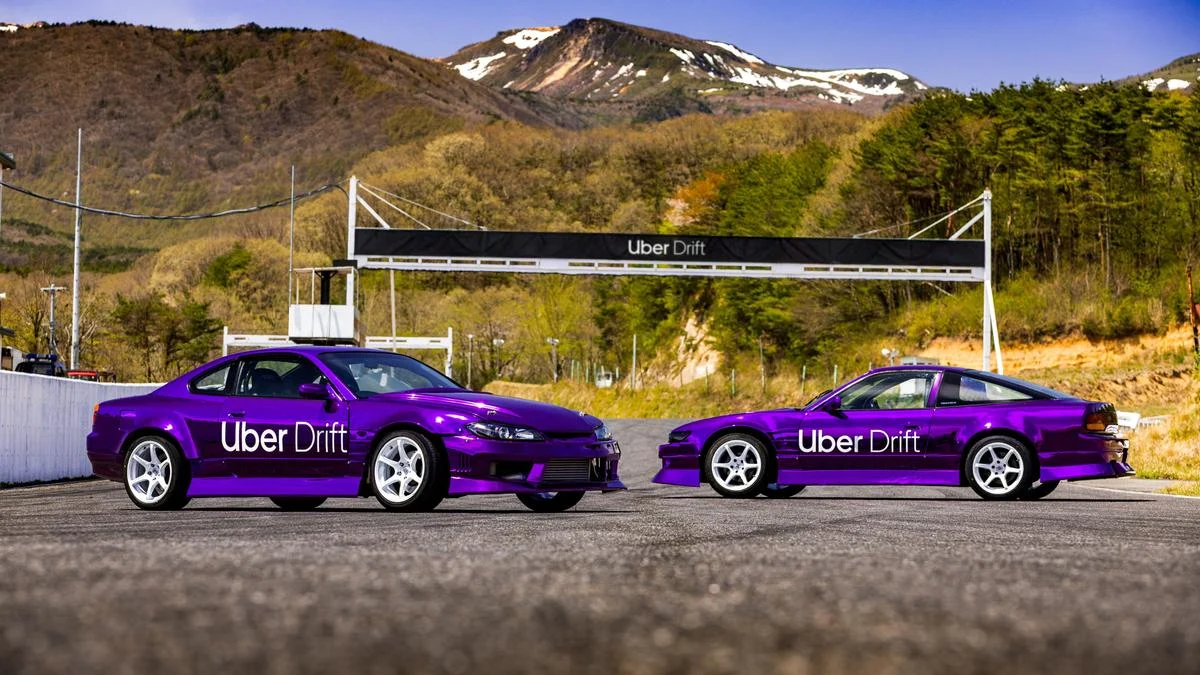
TOKYO — There is a fleeting, transcendent moment—somewhere between the first aggressive weight transfer and the second lungful of acrid tire smoke—when drifting ceases to be mere automotive theatre and begins to make profound mechanical sense. At the Mobara Twin Circuit, located approximately 90 minutes outside the neon-drenched sprawl of Tokyo, this realization arrives with the violence of a controlled explosion.
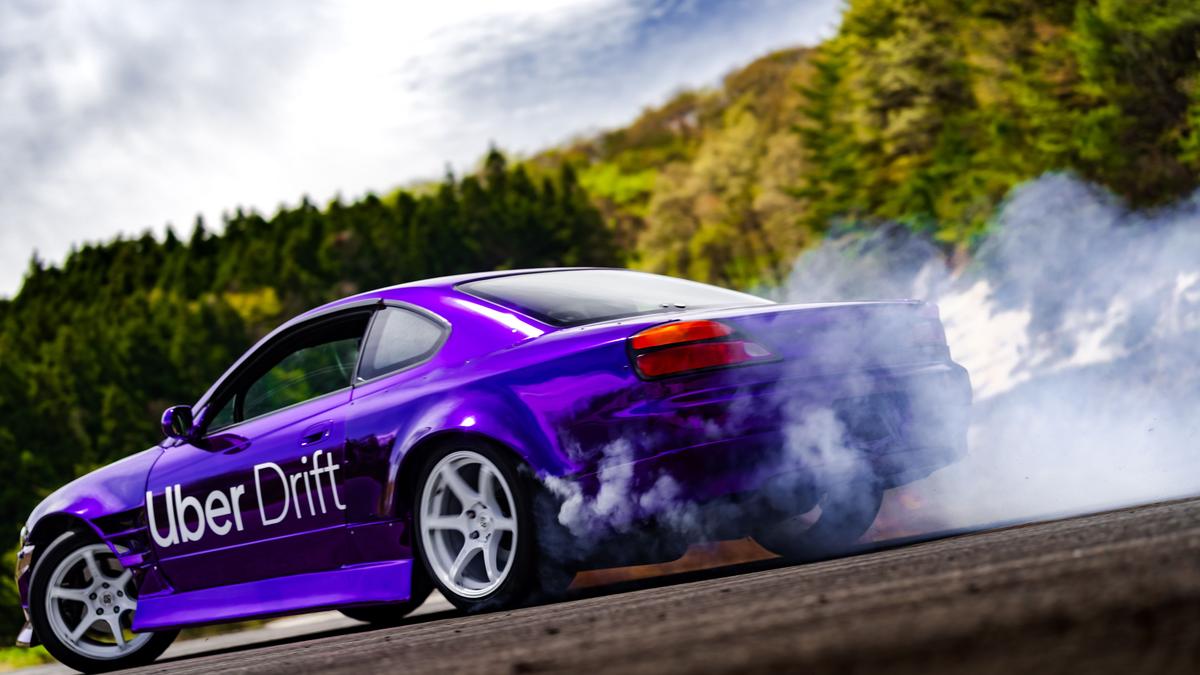
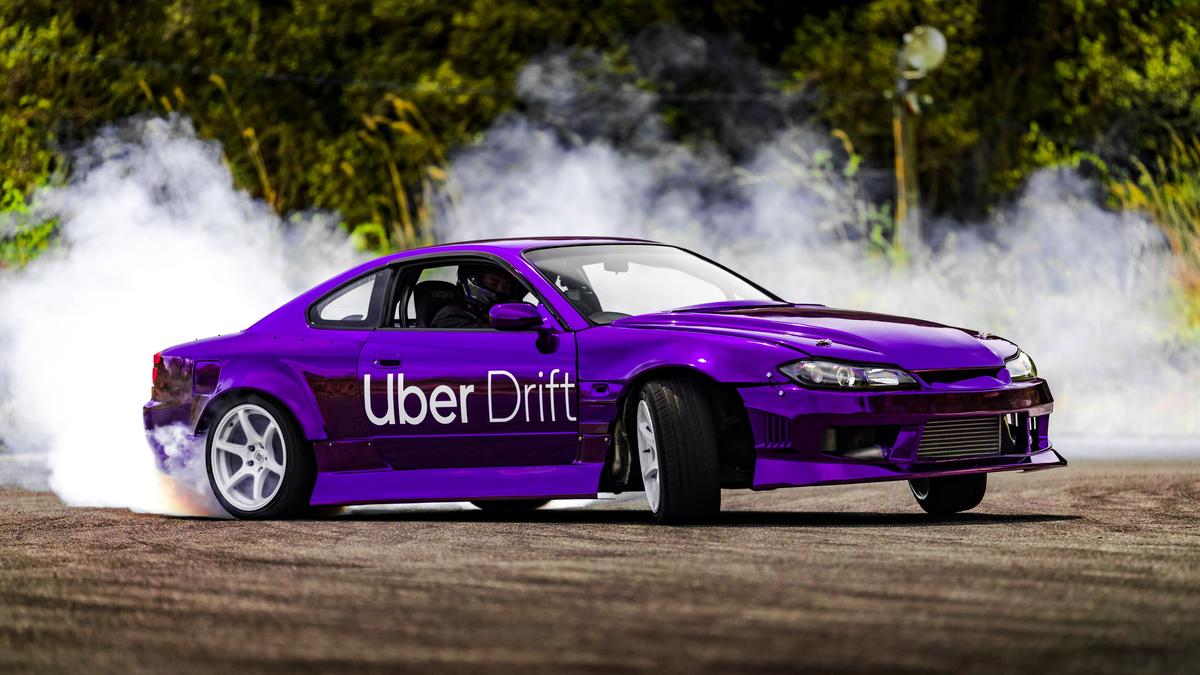
Strapped into the bucket seat of a Nissan Silvia S15, the world outside the polycarbonate windows becomes a blurred tapestry of grey asphalt and white smoke. At the wheel is Fausto, a reigning drift champion, who holds the vehicle at an angle that defies the conventional laws of physics. As the engine hammers against the rev limiter, a second car—a Nissan 180SX—hovers inches from the door, its front bumper a constant, menacing companion in the peripheral vision. This is the "tandem," the pinnacle of drifting, where two drivers dance on the edge of disaster with millimetric precision.
Main Facts: The Intersection of Precision and Violence
Drifting, once a clandestine activity reserved for the midnight hours on Japan’s treacherous mountain passes, has evolved into a globally recognized motorsport. Unlike traditional racing, where the primary objective is the shortest elapsed time, drifting is judged on subjective and objective criteria including entry speed, slip angle, fluidity, and "style." It is perhaps the only motorsport where losing traction is not a failure, but the ultimate goal.
The Uber Drift Initiative
In a move to bridge the gap between this insular subculture and the general public, Uber recently launched "Uber Drift" as part of its "Go Anywhere" series of limited-edition experiences. The program offers enthusiasts a curated journey from central Tokyo to the heart of Chiba Prefecture. Participants are transported via Uber Black to Mobara Twin Circuit, where they are embedded with professional Formula Drift licensed drivers.
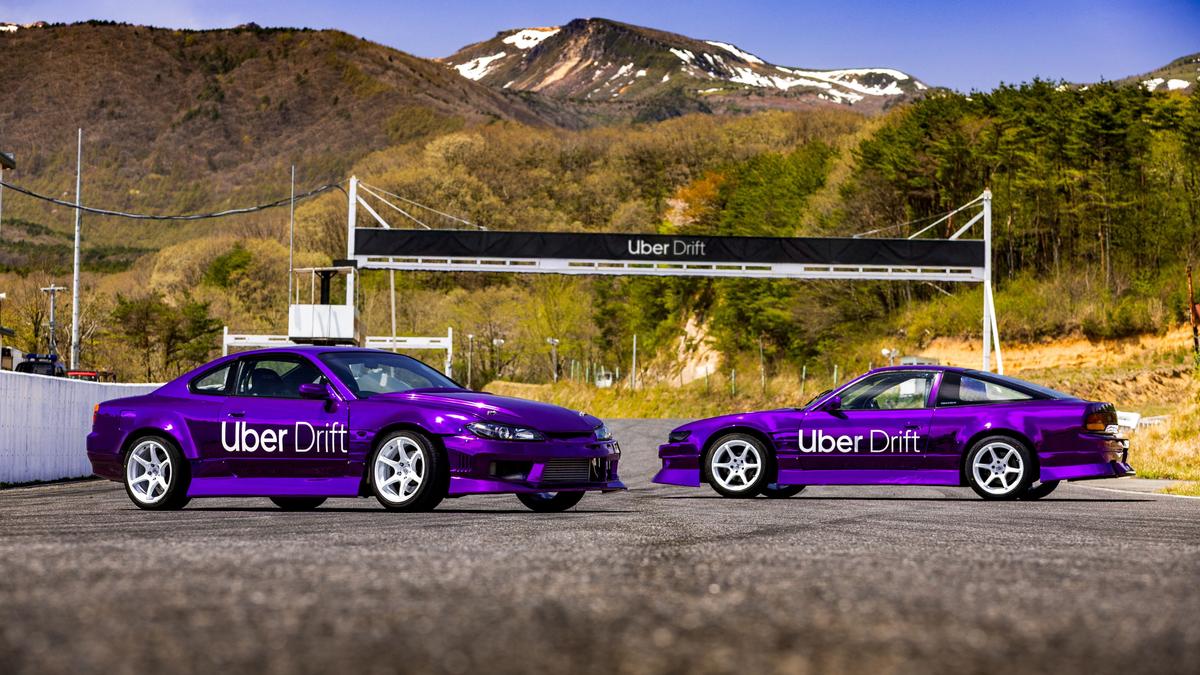
The experience provides rare access to genuine Japanese drift icons, specifically the Nissan Silvia S15 and the 180SX—cars that have become the "Holy Grail" of the JDM (Japanese Domestic Market) scene. This initiative highlights a shift in how automotive culture is consumed: moving from passive observation on platforms like YouTube to active, high-intensity participation.
The Mechanics of Oversteer
To the uninitiated, drifting looks like a car out of control. To the engineer, it is a masterclass in chassis dynamics. Modern drift cars are specialized machines featuring:
- High-Angle Steering Kits: Allowing the front wheels to rotate up to 60 or 70 degrees, far beyond the 30-degree limit of a standard road car.
- Hydraulic Handbrakes: Used to instantly lock the rear wheels to initiate a slide.
- High-Torque Powerplants: Often the legendary SR20DET or 2JZ engines, tuned to deliver massive bursts of power to keep the rear tires spinning (evaporating) through the entire radius of a corner.
Chronology: From Touge Shadows to Global Stages
The lineage of drifting is rooted in the post-war industrial boom of Japan, but its stylistic DNA was forged in the 1970s and 80s.
1970s: The Birth on the Touge
The "Touge" (mountain passes) of regions like Gunma and Nagano served as the original laboratories. Drivers discovered that by using "counter-steer" to rotate the car through tight downhill hairpins, they could maintain higher exit speeds. Kunimitsu Takahashi, a legendary motorcyclist turned car racer, began utilizing these techniques in the All Japan Touring Car Championship, using smoke and slide to thrill crowds while maintaining a competitive edge.
1980s: The Rise of the Drift King
Keiichi Tsuchiya, known globally as the "Drift King," took Takahashi’s techniques from the track back to the streets. Tsuchiya’s "Pluspy" video, a semi-underground film showcasing his skills on mountain roads, became a cult classic. His charisma and technical prowess eventually led to the legitimization of the sport, culminating in the founding of the D1 Grand Prix in 2000—the world’s first professional drifting series.
2000s–Present: Global Expansion
The release of films like The Fast and the Furious: Tokyo Drift and the manga/anime series Initial D exported the aesthetic of Japanese car culture to the West. Today, drifting is a multi-million dollar industry with major series in North America (Formula Drift), Europe, and Asia. However, despite the corporate sponsorships and carbon-fiber bodywork of pro-level cars, the heart of the sport remains in the "grassroots" scenes of Japan, where "missile cars" (battered, functional drift vehicles) are still driven to their absolute limits.
Supporting Data: The Physics and Economics of the Slide
The technical demands of drifting place immense strain on both man and machine. Data from professional drift telemetry shows that drivers often make upwards of 20 steering corrections and a dozen throttle modulations in a single five-second corner.
| Metric | Standard Racing | Professional Drifting |
|---|---|---|
| Tire Life | 100+ Miles | 2–4 Minutes (Active Slide) |
| Steering Angle | 5–10 Degrees | 45–70 Degrees |
| G-Force | Sustained Lateral | Rapidly Oscillating Lateral/Longitudinal |
| Judging | Stopwatch/Transponder | Human Judges (Style/Angle/Proximity) |
The "JDM Tax" and Market Impact
The global obsession with Japanese drifting has led to a massive spike in the value of 1990s Japanese sports cars. A Nissan Silvia S15, which might have sold for $10,000 fifteen years ago, now commands prices upwards of $40,000 to $60,000 depending on its "drift pedigree." This economic shift has turned these vehicles from affordable "tuner" cars into blue-chip automotive investments, further distancing the grassroots origins from the modern reality.
Official Responses: Bridging the Gap
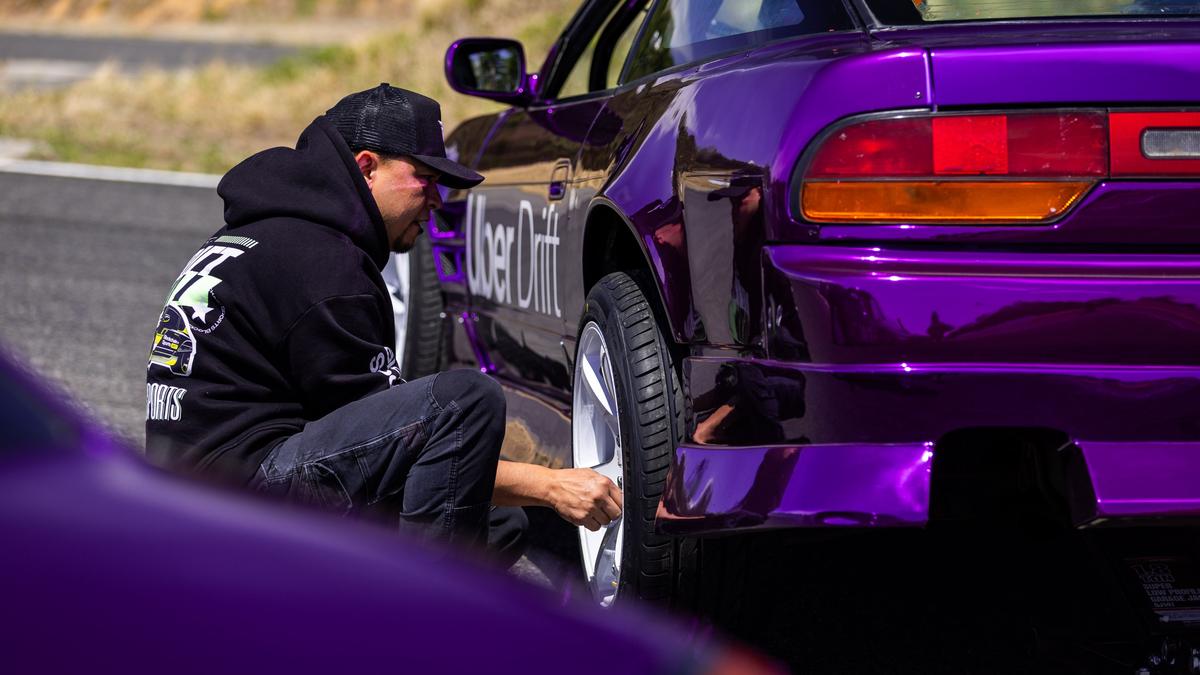
Representatives from the "Uber Drift" project emphasize that the goal is not just entertainment, but education. "We wanted to provide a window into a world that is often hidden from the average tourist," says an Uber spokesperson. "By partnering with licensed professionals at a sanctioned circuit like Mobara, we are highlighting the discipline and safety protocols that underpin what looks like ‘madness’ from the outside."
Professional drivers involved in the program echo this sentiment. Fausto, the champion driver mentioned previously, notes that the transition of drifting from the streets to sanctioned events has saved the sport. "On the mountain, a mistake means a cliff. Here at Mobara, a mistake means a lesson. We are teaching people that this is an art form—one that requires as much mental focus as a fighter pilot."
Implications: The Future of Internal Combustion Culture
The rise of programs like Uber Drift and the continued popularity of the JDM scene come at a precarious time for the automotive industry. As Japan and the rest of the world pivot toward Electric Vehicles (EVs) and autonomous driving, drifting stands as a defiant celebration of the Internal Combustion Engine (ICE) and manual human control.
Cultural Preservation
Drifting is increasingly seen as a form of "cultural heritage" in Japan. The late-night meets at Daikoku Parking Area in Yokohama remain a pilgrimage site for thousands of international visitors annually. The "roughness" of the culture—the zip-tied bumpers, the mismatched body panels, and the raw sound of a straight-six engine—serves as an antithesis to the polished, sterilized nature of modern mobility.
The Environmental Challenge
The sport faces an existential threat in the form of environmental regulations. The burning of rubber and high-octane fuel is inherently "un-green." However, the industry is already adapting. Experiments with synthetic fuels and even electric drift cars (which provide the instant torque necessary for breaking traction) are currently underway. The challenge for the future will be maintaining the "soul" and "theatre" of the sport without the signature roar of the exhaust.
Conclusion: More Than a Slide
Ultimately, the experience at Mobara Twin Circuit reveals that drifting is not about the car; it is about the mastery of momentum. It is a sport where "perfection" is defined by how beautifully one can fail to maintain grip. For the passenger in an Uber Drift car, the terror of the first slide quickly melts into an appreciation for the driver’s "millimetric precision."
As the S15 finally comes to a halt, the cabin still thick with the scent of burnt rubber and adrenaline, the realization is clear: drifting is Japan’s gift to the automotive world—a reminder that even in a world of sensors and automation, there is still a place for the violent, beautiful art of losing control.
