

BUSINESS
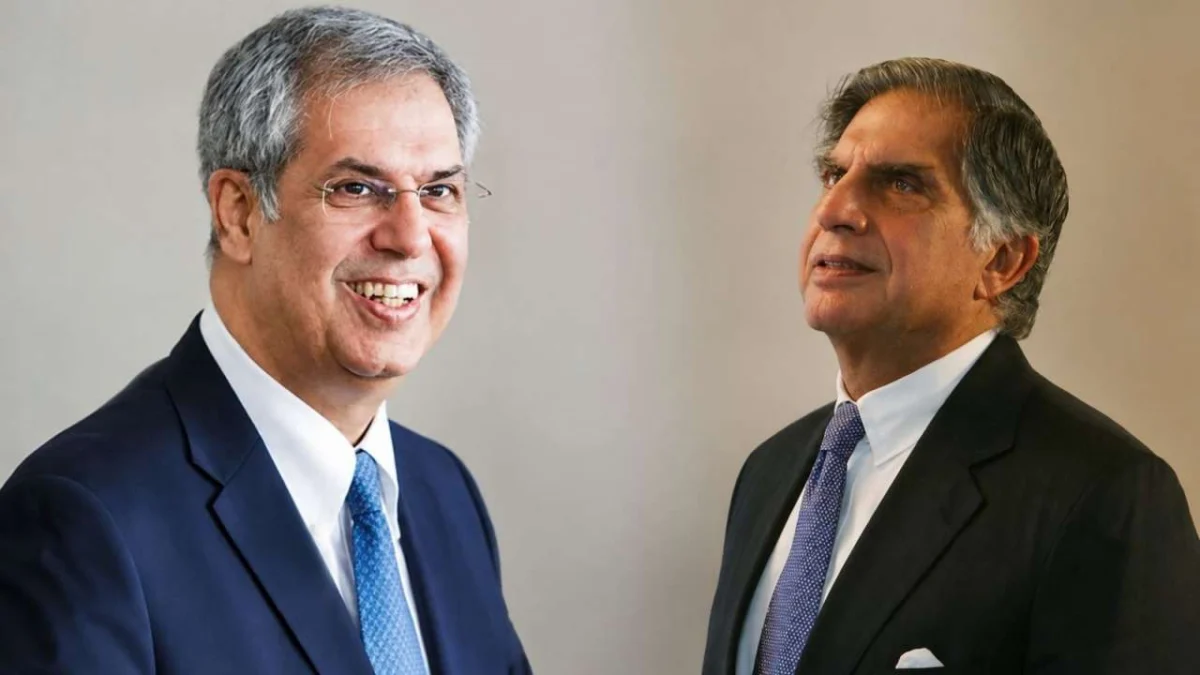
Mumbai, India – October 11, 2024, marked a pivotal moment in the storied history of India’s preeminent conglomerate, the Tata Group. In the wake of the profound loss of its patriarch, Ratan Tata, his step-brother Noel Tata formally assumed the critical leadership role at the Tata Trusts. This succession, a meticulously planned yet emotionally charged transition, ushers in a new chapter for an institution that stands as a beacon of Indian industry and philanthropy. Noel Tata’s appointment to the helm of the Trusts, which hold a controlling stake in the group’s holding company, Tata Sons, positions him as a central figure in shaping the strategic direction and upholding the enduring values of the vast Tata empire. This move is not merely a change in leadership; it is a testament to continuity, a recognition of proven acumen, and a defining challenge for Noel Tata to steer one of the world’s most diversified and respected business groups into an increasingly complex future.
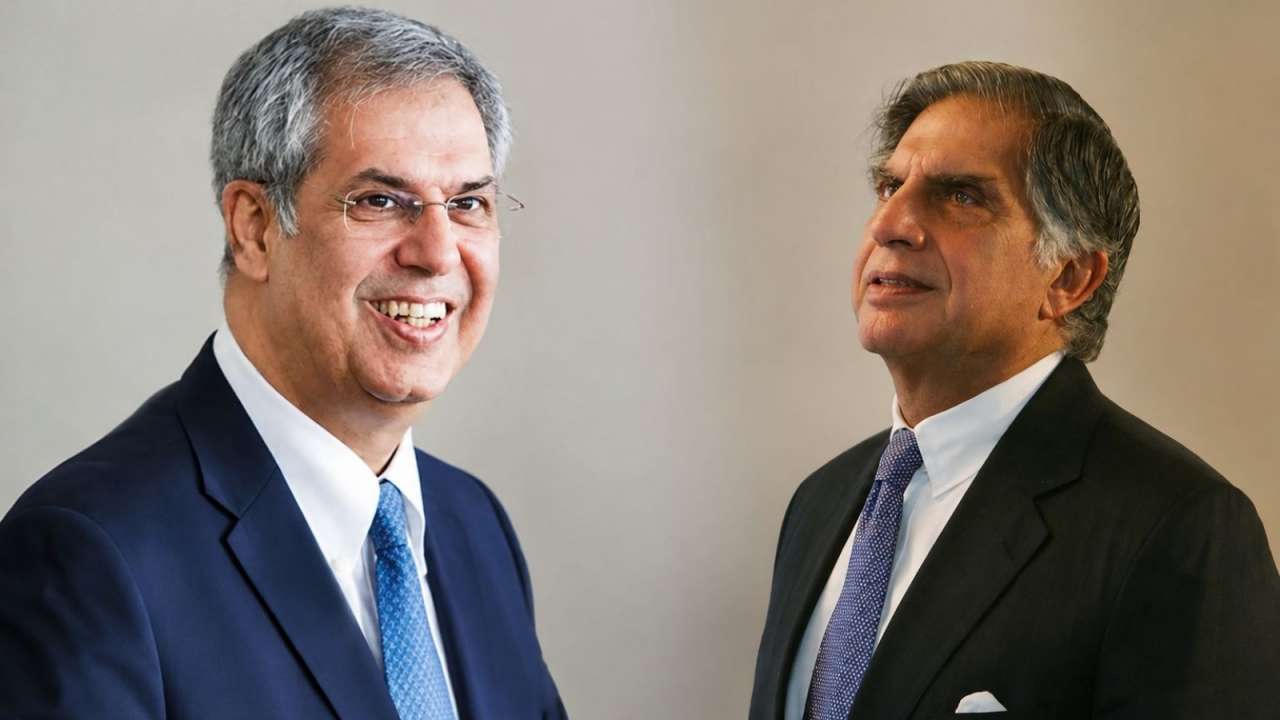
The transition comes at a time when the Tata Group, with its expansive footprint across automotive, IT, steel, aviation, retail, and emerging technologies, navigates both immense opportunities and formidable global challenges. Noel Tata’s leadership at the Trusts will be instrumental in balancing the group’s commercial ambitions with its foundational commitment to societal welfare, a legacy painstakingly built and championed by generations of Tata leaders.
The End of an Epoch: Ratan Tata’s Enduring Legacy
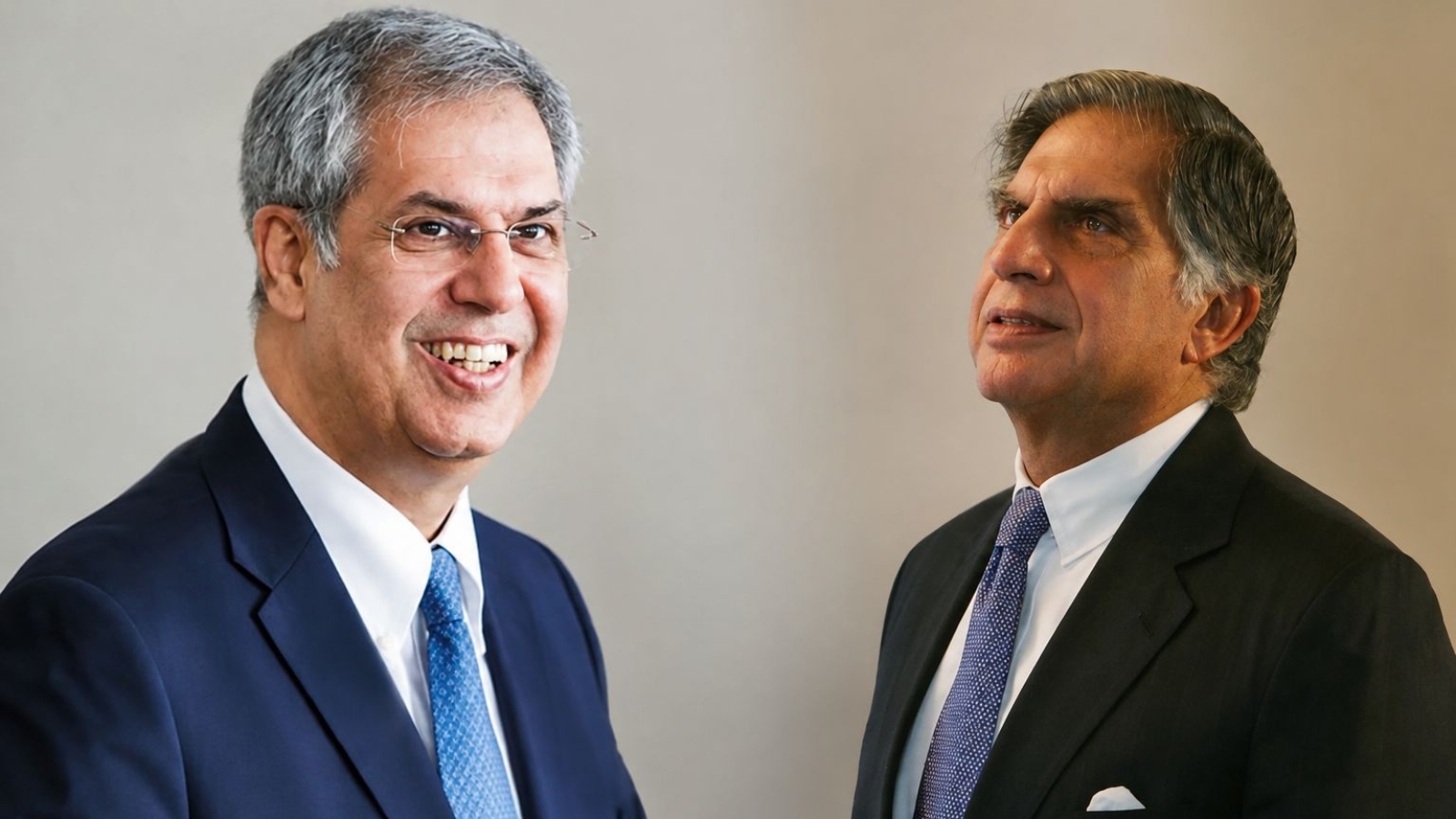
The demise of Ratan Tata brought to a poignant close a remarkable and transformative phase in India’s corporate journey. For decades, he transcended the role of a mere industrialist, becoming an enduring symbol of integrity, innovation, and national pride. His tenure as Chairman of Tata Sons, from 1991 to 2012, coincided with India’s economic liberalization, a period he masterfully leveraged to globalize the Tata brand and propel it onto the world stage. Under his visionary leadership, the group undertook audacious acquisitions like Jaguar Land Rover and Corus, demonstrating an unwavering belief in India’s global potential and the group’s capacity to compete with the best.
)
Beyond monumental business decisions and boardroom strategies, Ratan Tata’s impact resonated deeply with the Indian populace. He championed iconic projects such as the Tata Nano, aiming to provide affordable transportation, and consistently upheld the ethical framework and philanthropic spirit that define the Tata ethos. Even after stepping down as Chairman of Tata Sons, he continued to guide the group as Chairman Emeritus and, crucially, as the guiding force behind the Tata Trusts. In this role, he remained the ultimate custodian of the group’s values, ensuring that the commercial engine of Tata Sons remained aligned with the philanthropic objectives of the Trusts. His departure has left an immense void, not just within the Tata Group but across the entire Indian corporate landscape, prompting a period of reflection on leadership, legacy, and the future trajectory of values-driven capitalism. The change that came after him was bound to be significant—both for the millions who admired him and for the venerable institution itself.
Chronology of Transition: From Succession Planning to Assumption of Power
The succession process at the Tata Group, particularly concerning the Tata Trusts, has always been characterized by foresight and careful deliberation, a testament to the institution’s long-term vision. While Ratan Tata’s leadership of the Trusts was profoundly influential, the eventual need for a transition would have been a subject of ongoing strategic discussion within the group’s highest echelons.

Noel Tata’s journey to this apex leadership role is a chronicle of steady progression and diverse experiences within the Tata ecosystem. Educated in the UK, he began his career with the Tata Group, gaining early exposure to its varied operations. A pivotal moment came with his appointment to head Trent Ltd., the group’s retail arm, in 1999. Under his leadership, Trent embarked on a transformative growth trajectory. He was instrumental in conceptualizing and expanding Westside, a leading fashion retail chain, which carved out a significant niche in India’s burgeoning lifestyle retail segment. His strategic acumen was further highlighted by the successful launch and rapid expansion of Zudio, a value fashion brand that resonated deeply with India’s young, middle-class consumers.
Beyond domestic retail, Noel Tata’s portfolio expanded significantly when he took on the leadership of Tata International, the group’s global trading and distribution arm. This role provided him with invaluable international exposure, navigating complex global markets, supply chain intricacies, and geopolitical volatilities. His tenure at Tata International broadened his worldview, equipping him with a perspective that extends far beyond the Indian consumer story. This diverse operational experience, spanning domestic retail innovation and international trade, culminated in his eventual appointment to the board of Tata Sons, the primary holding company, in 2018. This move signaled his increasing prominence within the group’s leadership structure and positioned him as a natural successor for significant responsibilities. The formal announcement on October 11, 2024, confirming his assumption of the chairmanship of Tata Trusts, therefore, represents the culmination of a carefully orchestrated leadership evolution, leveraging his deep institutional knowledge and proven strategic capabilities.
)
Noel Tata’s Proven Track Record: Supporting Data and Strategic Acumen
It is natural to draw comparisons between two figures as prominent as Ratan Tata and Noel Tata, especially when one is succeeding the other in such a critical role. However, such comparisons often miss the fundamental point: their careers were shaped in profoundly distinct ways, reflecting different eras and leadership styles. While Ratan Tata became the global face of Indian industry, widely recognized and publicly celebrated for audacious global plays, Noel Tata deliberately chose a path away from the intense media spotlight, earning a reputation for steadily growing businesses from within through meticulous execution and strategic foresight. The real question for the Tata Group is not whether Noel Tata can fill Ratan Tata’s shoes in the exact same manner, but whether he can offer the kind of nuanced, strategic leadership the group needs for its next stage of complex, diversified growth. His track record suggests he is exceptionally well-placed for this challenge.
The Trent Transformation: A Blueprint for Growth
A significant portion of Noel Tata’s credibility and strategic prowess stems directly from his achievements with Trent Ltd. At a time when modern retail was still nascent in India, Trent, under his guidance, resisted the temptation of aggressive, short-term expansion that characterized many of its peers. Instead, it focused on building robust brands with clear identities and sustainable business models.
)
- Westside: This fashion retail chain, launched in 1998, became a cornerstone of Trent’s success. Noel Tata was instrumental in shaping its brand identity, focusing on exclusive in-house labels, a curated shopping experience, and a strong value proposition for the urban Indian consumer. Westside systematically expanded its footprint, establishing itself as a formidable player in lifestyle retail through careful site selection and a deep understanding of customer preferences. Its consistent performance demonstrated Noel Tata’s ability to build and scale a premium retail brand sustainably.
- Zudio: The true breakout success story under Noel Tata’s stewardship was Zudio. Launched in 2016, Zudio tapped into the vast, underserved market of value fashion. Its business model, characterized by extremely competitive pricing, a rapid inventory turnover mirroring global fast-fashion trends, and easy availability through a rapidly expanding network of stores, connected directly and powerfully with young, middle-class India. Zudio’s strategic focus on affordability and trendiness, combined with efficient supply chain management, allowed it to achieve exponential growth, quickly becoming a significant revenue driver for Trent. The rapid scaling of Zudio across the country proved Noel Tata’s keen eye for mass-market opportunity, his strategic patience, and his ability to construct a scalable business model capable of achieving widespread penetration. It demonstrated a leadership style that prioritizes meticulous execution and understanding of diverse consumer segments.
Global Perspective from Tata International
Noel Tata’s experience extends significantly beyond the domestic retail landscape. His leadership at Tata International – a business deeply involved in global trade, distribution, and manufacturing across diverse sectors like engineering, auto components, and leather products – brought him face-to-face with the intricacies and inherent volatility of international markets. This role exposed him to a wide array of challenges including currency fluctuations, geopolitical risks, complex international regulations, and the demanding dynamics of global supply chains. He gained firsthand experience in fostering cross-cultural business relationships and navigating the uncertainties inherent in a globally interconnected economy. This exposure provided him with an invaluable wider worldview, extending far beyond merely the Indian consumer story. Such global acumen is critically important today, as the Tata Group operates businesses in over 100 countries and across multiple sectors where external risks, from trade wars to pandemics, can quickly and significantly impact operations and strategic planning.
A Different Leadership Ethos
While Ratan Tata was known for his charisma and public persona, Noel Tata has cultivated a reputation as a more reserved, analytical, and hands-on leader. His approach is characterized by a deep operational understanding, a focus on sustainable growth, and an ability to empower teams to execute effectively. This ‘quiet’ leadership style, often working away from the glare of publicity, has allowed him to concentrate on building strong fundamentals and fostering a culture of disciplined expansion. It suggests a leader who prioritizes substance over spectacle, a quality that could be precisely what the Tata Group needs as it navigates the complexities of a highly diversified global portfolio and reinforces its foundational values.
)
Official Responses and Stakeholder Sentiments
The announcement of Noel Tata’s appointment as Chairman of Tata Trusts was met with a chorus of approval from various stakeholders, reflecting confidence in his capabilities and a shared commitment to the group’s enduring legacy. While formal statements are often measured, the underlying sentiment conveyed a strong sense of continuity and strategic stability.
Sources close to the Tata Sons board indicated that Noel Tata’s extensive experience across diverse group companies, particularly his success in retail and his global exposure with Tata International, made him an ideal choice. "Noel’s deep understanding of the Tata ethos, combined with his proven track record of building and scaling businesses, provides immense assurance," remarked a senior independent trustee, preferring to remain anonymous. "His strategic vision for Trent, particularly with Zudio, demonstrated an uncanny ability to identify and capitalize on market gaps, a skill that will be invaluable in steering the Trusts."
)
Industry analysts were quick to offer their perspectives, largely positive. "This appointment signals a thoughtful and planned succession," commented Vivek Sharma, a leading corporate governance expert. "Noel Tata brings a grounded, operational perspective that will be crucial in overseeing the vast and complex investments held by the Trusts. His international experience will also be a significant asset as the Tata Group continues to expand its global footprint and navigate geopolitical shifts."
Prominent business leaders and former associates of Ratan Tata also weighed in, emphasizing the importance of preserving the group’s core values. "Ratan Tata’s legacy is immense, built on integrity and a commitment to nation-building," stated a veteran industrialist who had worked closely with the former chairman. "Noel has consistently embodied these values throughout his career. His leadership at the Trusts ensures that the philanthropic heart of the Tata Group will continue to beat strongly, guiding its commercial endeavors."
)
The general consensus from market observers and internal stakeholders is one of quiet confidence. The transition is seen not as a departure from the past but as an evolution, leveraging the strengths of a leader who understands the group’s DNA implicitly, yet brings a fresh perspective honed by years of practical, impactful leadership. The sentiment is that Noel Tata is well-equipped to uphold the immense responsibility of safeguarding the Tata legacy while actively contributing to its future growth and societal impact.
Implications for the Tata Group and India’s Corporate Landscape
Noel Tata’s assumption of the chairmanship of Tata Trusts carries profound implications, not only for the sprawling Tata Group but also for the broader landscape of Indian corporate governance and philanthropy. His leadership marks a critical juncture, defining how the group will navigate the complexities of the 21st century while remaining true to its foundational principles.
)
Steering the Vast Tata Conglomerate
The Tata Group today is more diversified and geographically spread than ever before. From the heavy industries of metals and automotive to the cutting-edge sectors of IT, aviation, retail, and emerging areas like electronics, semiconductors, and renewable energy, its footprint is vast and complex. Managing such a colossal and heterogeneous portfolio presents unique challenges: ensuring strategic alignment across disparate operating companies, fostering innovation while managing legacy businesses, and allocating capital efficiently across diverse growth opportunities.
Noel Tata’s role at the Tata Trusts places him at the strategic apex. The Trusts, through their controlling stake in Tata Sons, exert significant influence over the group’s overarching strategy, capital allocation, and governance. His leadership will be crucial in ensuring that the group’s diverse entities operate cohesively towards common objectives, driven by both commercial excellence and the group’s long-standing ethical framework. His operational experience, particularly in establishing and scaling businesses like Zudio, suggests an emphasis on execution and tangible results, which could translate into a more streamlined and performance-driven approach across the conglomerate.
)
Upholding the Ethos: Governance and Philanthropy
The Tata Trusts are not merely the largest shareholders in Tata Sons; they are the custodians of the group’s century-and-a-half-old tradition of philanthropy and ethical governance. Their unique structure, where profits from commercial ventures are channeled back into societal development, is unparalleled in the corporate world. Leading them requires a delicate and profound balancing act: ensuring the sustained commercial success of Tata Sons to generate profits, while simultaneously deploying those profits effectively for the betterment of society.
Noel Tata’s leadership will define how this critical balance is maintained in a rapidly changing world. His role will involve overseeing the Trusts’ extensive philanthropic initiatives in areas such as education, healthcare, rural development, arts and culture, and disaster relief. It will also entail safeguarding the group’s unshakeable commitment to integrity and responsible business practices, particularly as it navigates complex global regulatory environments and increasing stakeholder scrutiny. His quiet, yet effective, leadership style is expected to reinforce the emphasis on substance over show, ensuring that the philanthropic mandate continues to be met with utmost diligence and impact.
)
Navigating Global Headwinds and Future Growth
The global economic environment is characterized by persistent uncertainty: ongoing geopolitical tensions, supply chain disruptions, inflationary pressures, and the accelerating imperative of climate action. Simultaneously, rapid technological advancements, particularly in AI, automation, and sustainable energy, present both immense opportunities and disruptive threats. Noel Tata’s international exposure from Tata International will be invaluable in guiding the group through these turbulent waters.
His leadership will likely see a continued focus on strategic growth areas like digital transformation, sustainable solutions, and advanced manufacturing, while carefully managing the challenges faced by traditional sectors. The Trusts’ influence will ensure that investment decisions are not just commercially sound but also aligned with long-term sustainability goals and India’s national development agenda, such as ‘Make in India’ and renewable energy initiatives.
)
A Defining Chapter for India Inc.
Noel Tata’s ascension marks a defining chapter not just for the Tata Group but for India Inc. as a whole. It underscores the evolving nature of family-led businesses in India, transitioning from charismatic, founder-driven leadership to professionally managed, yet values-driven, conglomerates. This transition showcases the strength of institutional frameworks and succession planning within the Tata ecosystem.
The continuity of the Tata legacy under new leadership sends a powerful message about stability and foresight in Indian corporate governance. It reinforces the idea that even after the departure of an iconic figure, strong institutions and a deep talent pool can ensure seamless transitions. As Noel Tata takes the reins of the Tata Trusts, he stands at the precipice of an era that promises to build upon the formidable foundations laid by his predecessors, steering one of India’s most cherished institutions towards new horizons of growth, innovation, and unwavering societal commitment. His tenure will be watched closely, not just for its business outcomes, but for its role in upholding and evolving the very essence of the Tata name.
