New Delhi, September 2, 2026 – 10:00 PM IST
The allure of a luxurious hair spa is undeniable. Marketed as a potent remedy for dryness, frizz, and damage, these salon treatments promise a transformation to smoother, more manageable, and lustrous locks. For many, a hair spa is a pampering ritual, a quick fix to revitalize tired tresses. However, when the concern shifts from aesthetics to the more distressing issue of hair fall, a critical question arises: do these popular treatments offer more than just a superficial, temporary cosmetic improvement?
Celebrity hairstylist Amit Thakur, whose clientele includes prominent figures like Nita Ambani, Priyanka Chopra, Katrina Kaif, and Alia Bhatt, recently shed light on the nuanced benefits and limitations of hair spas in an insightful Instagram post on August 11. Thakur described the hair spa as a "multi-step treatment that nourishes your scalp and your hair." He acknowledged its efficacy in addressing surface-level issues, stating, "Salons say that it helps with frizz, and yes, it could temporarily fix your frizz problem."
This sentiment highlights a common perception of hair spas – their ability to enhance the immediate appearance and texture of hair. Yet, the deeper question of their impact on actual hair loss remains a subject of significant interest and, often, misunderstanding.
The Hair Spa Experience: Nourishment and Temporary Fixes
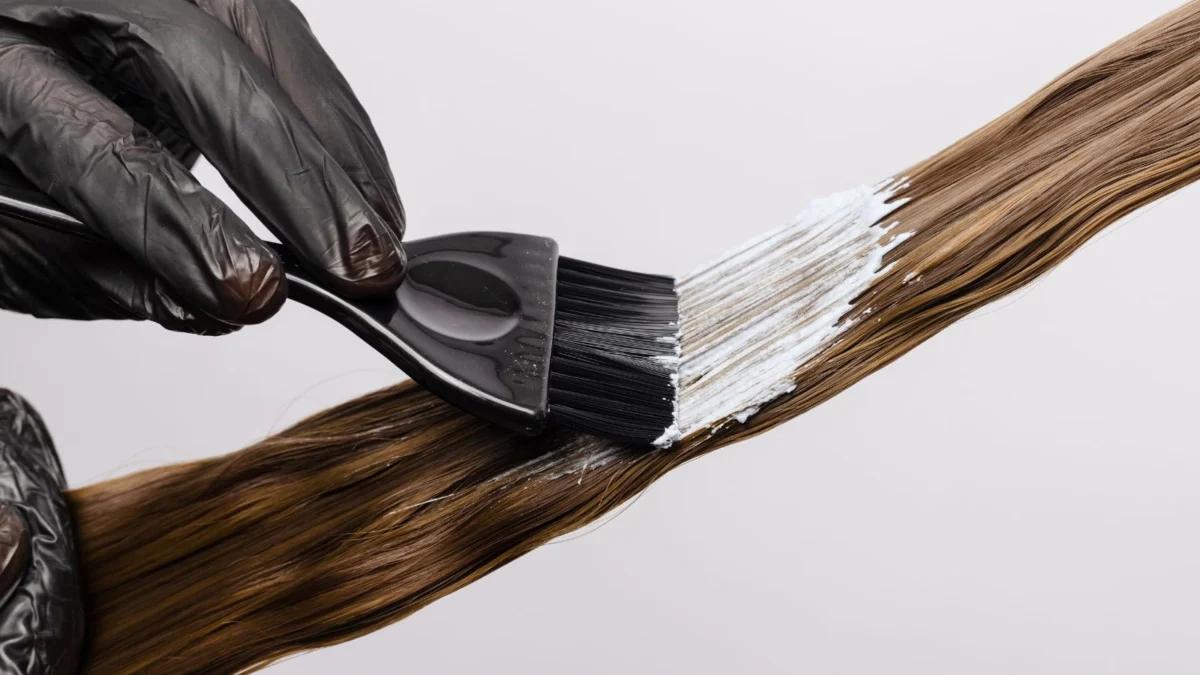
A hair spa typically involves a series of steps, often beginning with a deep cleansing of the scalp, followed by the application of nourishing masks, serums, and sometimes a gentle scalp massage. The ingredients used are usually rich in vitamins, proteins, and natural oils, aimed at replenishing moisture, strengthening the hair shaft, and improving overall hair health. The steaming process, often a part of the ritual, helps to open the hair cuticles, allowing the nourishing ingredients to penetrate more effectively.
Amit Thakur further elaborated on his preference for hair spas over other intensive treatments like keratin or hair botox. "I prefer a hair spa over any of the treatments like keratin or botox because it does not alter the structure of your hair," he explained. This distinction is crucial. Treatments like keratin and hair botox chemically alter the hair’s protein structure to achieve straightening and smoothing effects, which can sometimes lead to long-term damage if not performed correctly or if the hair is already compromised. Hair spas, in contrast, focus on topical nourishment and conditioning without fundamentally changing the hair’s composition.
However, when it comes to combating hair fall, the effectiveness of a hair spa becomes less definitive. Thakur candidly addressed this, stating, "When we talk about hair fall, hair spa does not have a huge impact on it." He did, however, acknowledge a potential indirect benefit: "The scalp is cleaned deeply in these treatments, which in return can promote healthier hair over the period of time." This suggests that while the spa itself may not be a direct treatment for hair loss, a cleaner, healthier scalp environment can, over time, contribute to better hair growth.
Differentiating Hair Breakage from True Hair Shedding
The crucial distinction that Thakur emphasizes, and which is vital for understanding hair loss, lies between hair breakage and true hair shedding. This is where the limitations of a hair spa become most apparent.
Hair breakage typically occurs along the length of the hair shaft. This can manifest as shorter, broken strands littering your brush or floor, noticeable split ends, a rough texture, or an increase in frizz. Breakage is often a result of external factors such as harsh styling, excessive heat, chemical treatments, or rough handling of wet hair. A hair spa, with its moisturizing and conditioning properties, can certainly help to strengthen the hair shaft and reduce the likelihood of breakage by improving elasticity and hydration.
True hair shedding, on the other hand, involves the entire hair fiber detaching from the follicle. This is often recognized by seeing hairs with a small bulb at the root end, and noticing an increased amount of hair on your pillow, in your comb, or during your shower. Persistent shedding is a sign that something more fundamental is at play and often points to underlying issues.
The Underlying Causes of Hair Fall: Where Spas Fall Short
The critical limitation of hair spas, as highlighted by Thakur, is that "it does not target the underlying causes of hair fall that you may be experiencing." Hair fall is a complex issue with a wide array of potential triggers, and a cosmetic treatment, however nourishing, cannot address these root causes.
According to Dr. Sridhar, a dermatologist specializing in trichology (the study of hair and scalp), persistent shedding can stem from a variety of factors. These include:
- Nutritional Deficiencies: A lack of essential vitamins and minerals, such as iron, biotin, zinc, and protein, can significantly impact hair growth cycles and strength.
- Thyroid Disorders: Both an overactive (hyperthyroidism) and underactive (hypothyroidism) thyroid can disrupt the body’s metabolism, including the processes that support healthy hair growth.
- Hormonal Changes: Fluctuations in hormones, particularly in women, due to events like pregnancy, childbirth, menopause, or conditions like Polycystic Ovary Syndrome (PCOS), can lead to hair thinning or loss.
- Significant Illness or Fever: The body prioritizes vital functions during periods of illness. This can temporarily disrupt the hair growth cycle, leading to a condition called telogen effluvium, where a large number of hairs enter the resting phase and then shed simultaneously a few months later.
- Severe Stress (Telogen Effluvium): Similar to illness, significant emotional or psychological stress can shock the system and trigger widespread hair shedding.
- Rapid Weight Loss: Dramatic and rapid weight loss can deplete the body of essential nutrients, impacting hair health.
- Certain Medications: Some medications, including those for blood pressure, depression, arthritis, and heart problems, can have hair loss as a side effect.
- Genetic Predisposition (Androgenetic Alopecia): This is the most common cause of hair loss in both men and women, characterized by a gradual thinning of hair over time, often following a specific pattern.
Thakur’s observation that a hair spa "does not target the underlying causes of hair fall" is therefore accurate. While it can improve the health and appearance of the existing hair and scalp, it cannot rectify hormonal imbalances, replenish nutrient deficiencies, or address genetic predispositions.
When to Seek Professional Help: Recognizing the Signs
The distinction between temporary cosmetic improvement and addressing the root cause of hair fall is paramount. While a hair spa can be a beneficial part of a hair care routine for maintaining healthy hair and reducing breakage, it is not a substitute for medical evaluation when significant hair loss is a concern.
Dr. Sridhar provides clear guidelines on when persistent hair fall warrants a consultation with a dermatologist:
- Persistent Shedding: If hair fall continues for several weeks without improvement, it’s a sign to seek professional advice.
- Progressive Worsening: When the rate of hair fall noticeably increases over time.
- Visible Thinning or Bald Patches: Any occurrence of thinning hair, a widening hair part, or distinct bald spots is a cause for concern.
- Scalp Symptoms: Itching, scaling, inflammation, redness, or pain on the scalp accompanying hair fall should be investigated.
A dermatologist can perform a thorough examination of the scalp and hair, potentially conduct a "hair pull test" (gently tugging on hair to assess how many strands come out), or use dermoscopic tools for a magnified view of the scalp and hair follicles. Furthermore, blood tests may be recommended to identify underlying issues such as iron deficiency, thyroid dysfunction, or vitamin deficiencies.
The treatment plan will then be tailored to the specific diagnosis. This might involve dietary adjustments and supplements to correct deficiencies, medications to manage hormonal imbalances or thyroid conditions, or prescription treatments like minoxidil or finasteride for genetic hair loss.
The Broader Implications for Hair Care and Consumer Awareness
The conversation surrounding hair spas and hair fall underscores the importance of informed consumer choices in the beauty industry. While marketing often highlights the transformative power of treatments, it’s essential for individuals to understand the scope and limitations of each service.
Hair spas can undoubtedly play a role in a comprehensive hair care regimen by:
- Deep Cleansing the Scalp: Removing product build-up, excess sebum, and dead skin cells, creating a healthier environment for hair follicles.
- Nourishing the Hair Shaft: Providing moisture and nutrients to combat dryness and brittleness, thereby reducing breakage.
- Improving Scalp Circulation: Gentle massage during the spa can stimulate blood flow to the scalp, which is beneficial for hair growth.
- Enhancing Hair Texture and Shine: Temporarily smoothing the cuticle, making hair appear glossier and feel softer.
However, the key takeaway is that these benefits are largely focused on the health and appearance of the existing hair and the immediate scalp environment. They do not address the complex biological and systemic factors that drive significant hair loss.
As consumers, understanding this distinction empowers us to make more effective choices. For those experiencing noticeable hair fall, investing solely in cosmetic treatments like hair spas may lead to disappointment and a delay in seeking appropriate medical intervention. A balanced approach, incorporating regular scalp care and nourishing treatments alongside professional medical advice when necessary, offers the most realistic path to healthier hair and a more confident outlook. The shine from a hair spa might be temporary, but addressing the root cause of hair fall can lead to lasting results.