

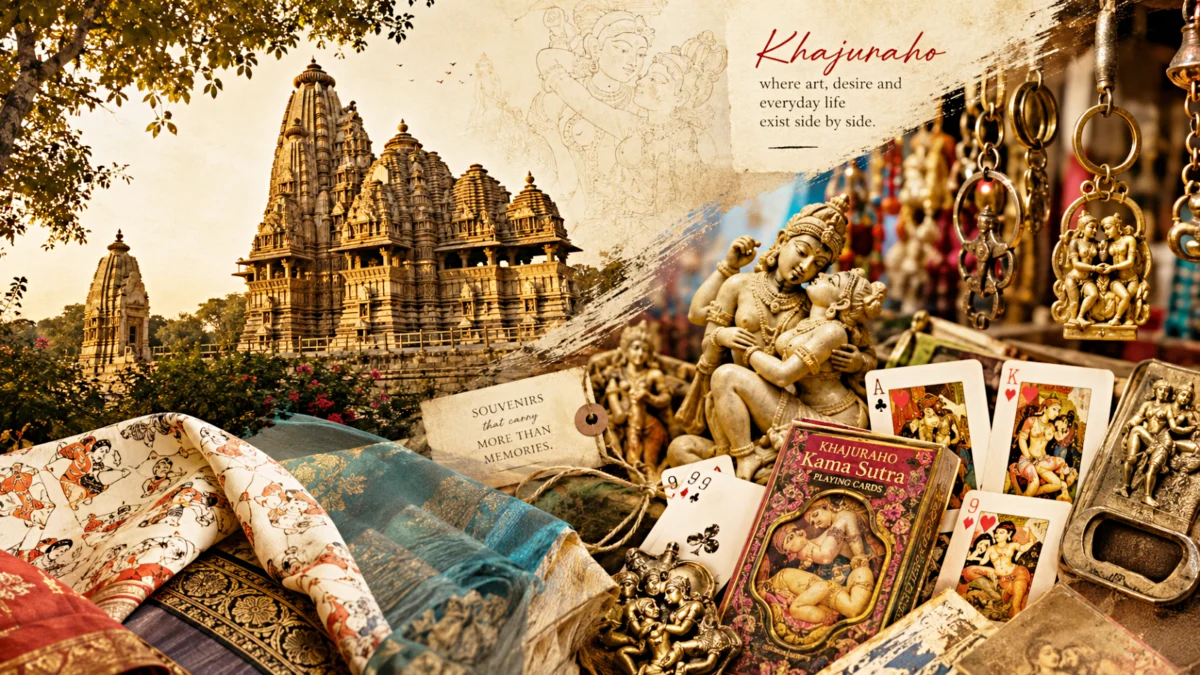
A visit to the historic town of Khajuraho, renowned globally for its intricate temple sculptures, often begins with an expectation of encountering overt eroticism. However, the true narrative surrounding its souvenir market reveals a complex ecosystem that balances historical artistry, commercial viability, and a surprising degree of cultural nuance. Far from being solely defined by its explicit depictions, Khajuraho’s vibrant bazaars offer a rich tapestry of local crafts, traditional textiles, and unique keepsakes, all presented with a disarming blend of humor, historical context, and genuine warmth.
Unpacking the Unexpected: A Souvenir Seller’s Proposition
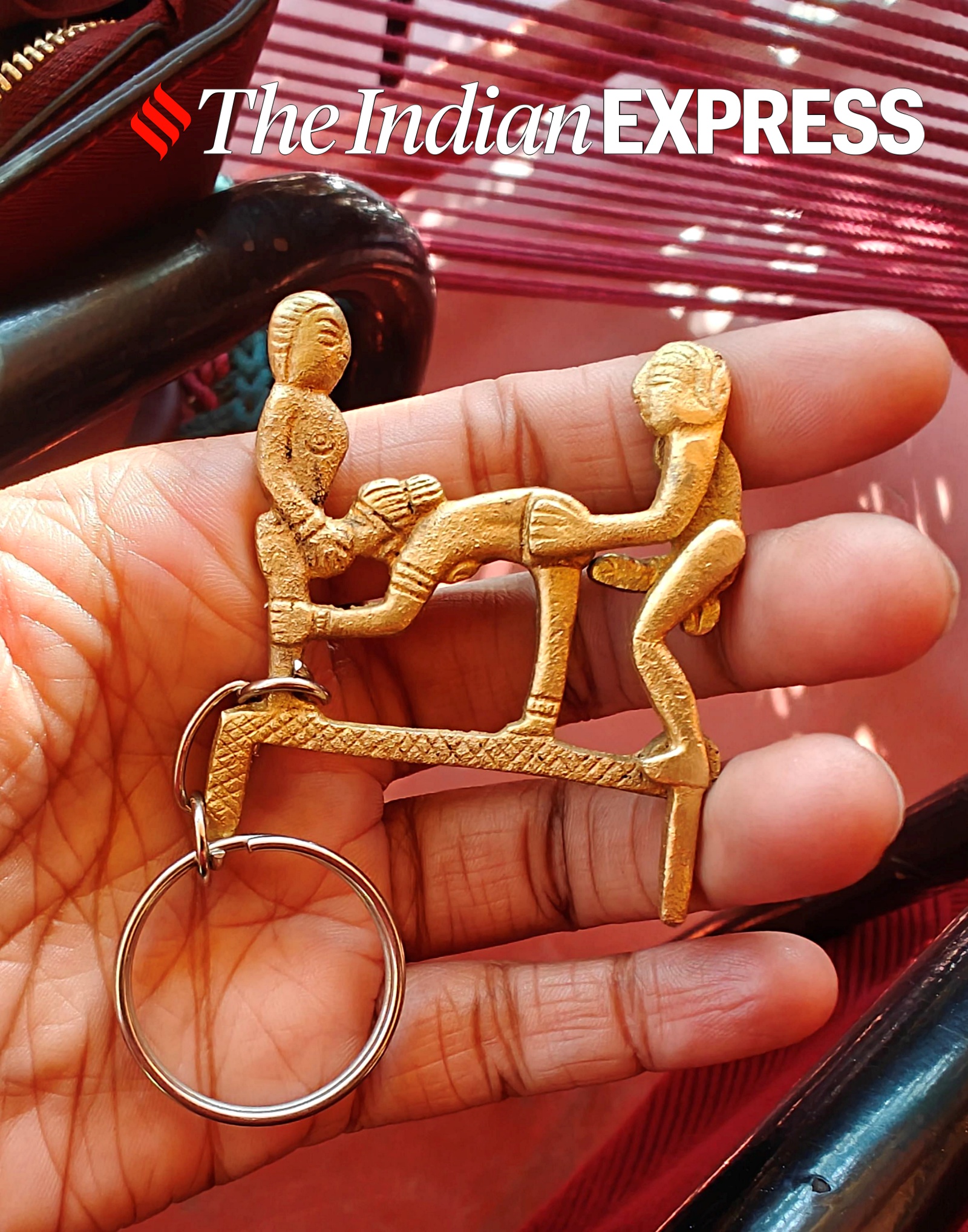
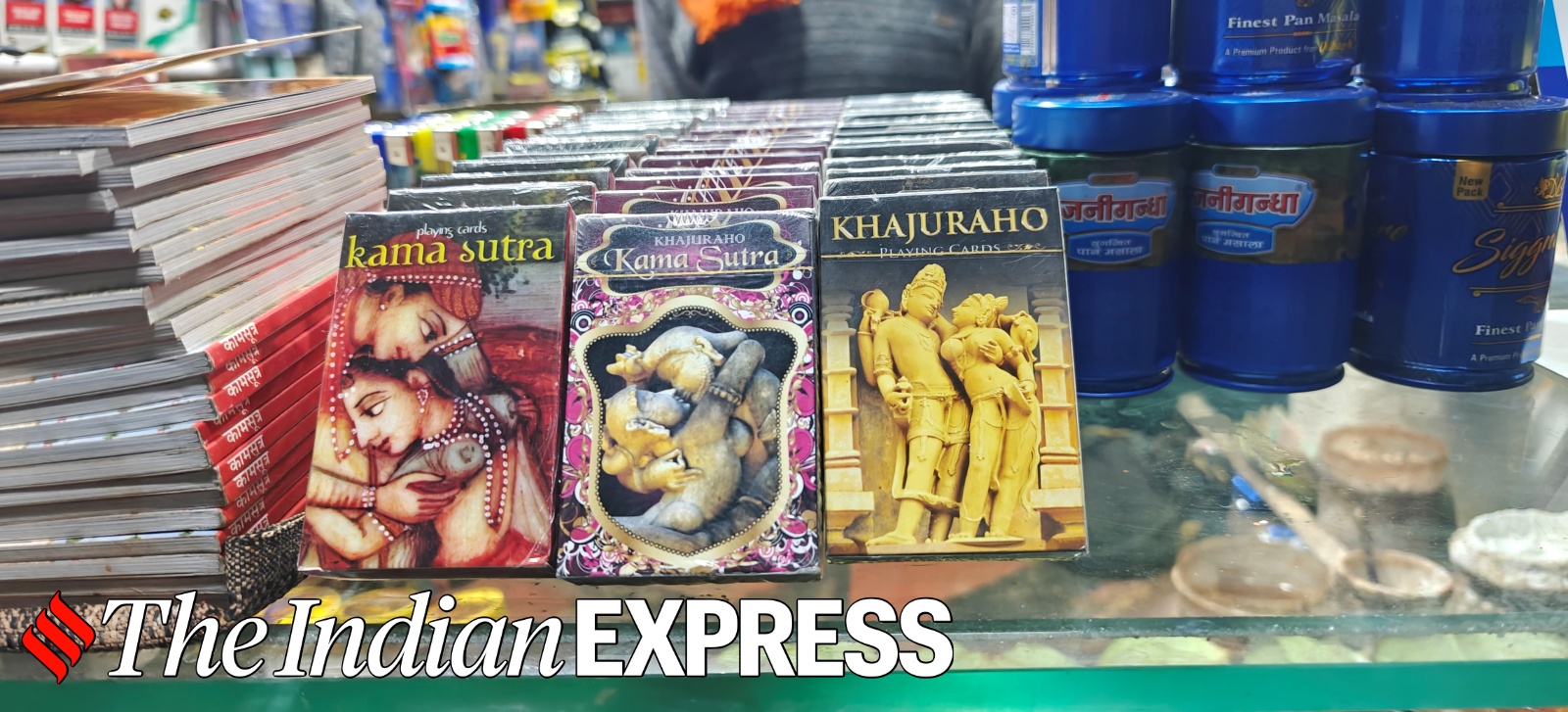
The initial encounter with Khajuraho’s souvenir trade can be a jolt to the unprepared. Imagine stepping into a quaint shop in a town steeped in centuries of history, only to be greeted with a proposition like, "Madam, we have all the positions available – onesome, twosome, threesome, group – which one do you want?" This isn’t the dialogue one typically associates with a purveyor of keychains, sculptures, bottle openers, fridge magnets, or even playing cards. Yet, in Khajuraho, these everyday items are presented with a playful, albeit direct, categorization, drawing inspiration from the town’s most famous artistic legacy.
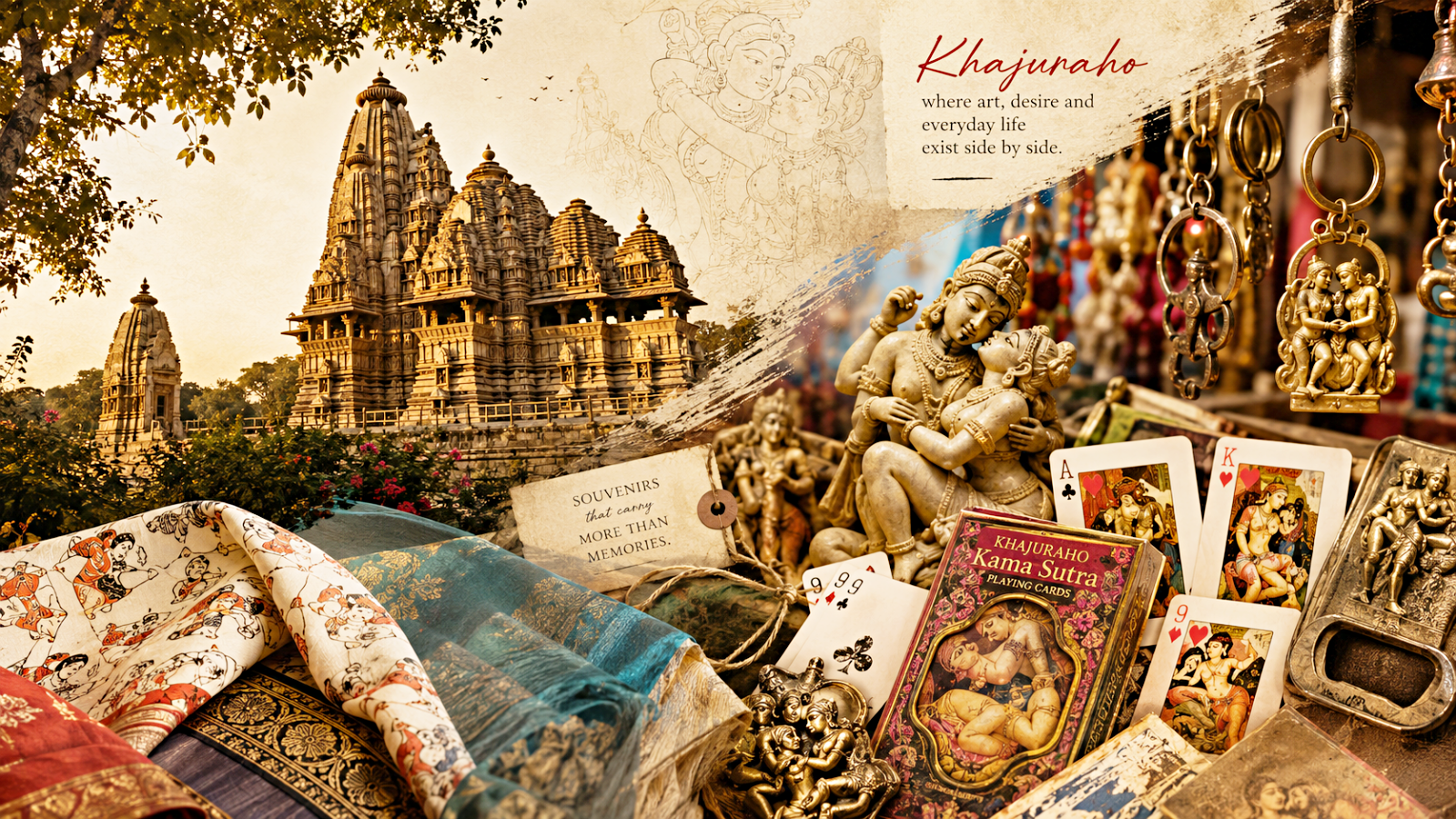
While visitors might mentally prepare for the erotic artworks adorning the 10th and 11th-century CE temple complexes, the ubiquity of their replicas in various forms—from playful keychains to intricate playing card decks—catches many off guard. These are not mere erotic trinkets, conjured from the realm of fantasy, nor is the entire market solely dedicated to explicit imagery. Khajuraho’s bazaar is a dynamic space that also offers authentic Chanderi sarees, exquisite metal crafts, and a wealth of other traditional artifacts, gemstones, and keepsakes.
"It’s a space where you can buy an authentic Chanderi saree in one shop, a piece of ancient-style metal craft in the next, and a unique temple-inspired souvenir right after, all while sipping chai with vendors who double as local history storytellers," explains Ajay Verma, Chief Experience Officer at the EaseMyTrip Foundation. This description highlights the multi-faceted nature of the Khajuraho shopping experience, where historical narratives and tangible crafts intertwine.
A New Normal: Navigating Intimacy in the Public Sphere
In a society where discussions surrounding intimacy can still be hushed, Khajuraho’s unapologetic display of such themes is bound to elicit surprise, and the author is no exception. Ananya Srivastava, who frequented the UNESCO World Heritage site as a child, shares a similar sentiment. "I still remember seeing a white-colored saree with positions depicted in black and red," she recalls, a vivid memory that remains fresh even years later.
Srivastava advocates for parents to embrace Khajuraho as an educational opportunity. She believes that the site can serve as a platform for introducing children to age-appropriate discussions about intimacy and sexuality, thereby counteracting misinformation often gleaned from the internet or pornography. This perspective underscores a growing awareness of Khajuraho’s potential as a space for open dialogue, rather than just a tourist destination.
The author’s encounter with a married couple from Bhopal, celebrating their anniversary, further illustrates the societal dichotomy. In hushed tones, the wife confessed that the trip held a secondary motive: reigniting the spark in their decade-long marriage. "My husband has brought so many souvenirs. Of course, we’ll show them off to our friends, but we’ll have to hide them properly. What if our elders see this? What would they think?" she mused, acknowledging that outside the unique cultural bubble of Khajuraho, such open expressions of intimacy can still be considered taboo.
Nitin Jain, owner of the 51-year-old legacy shop, Kuber Showroom, notes the diverse clientele. Some individuals purchase these pieces in bulk for personal spaces like rooms or farmhouses. He even recounts a substantial order from an erotic-themed hotel in Brazil, which sought a souvenir for each of its rooms, indicating the international appeal and diverse applications of Khajuraho-inspired art.
However, not everyone finds the imagery particularly startling. Hemant Joshi, CEO of Atithi Foundation, a tourism policy think tank, states, "I personally did not find this uncomfortable or surprising; the sculptures are part of Khajuraho’s history, and it is natural that some memorabilia draws on them." He emphasizes that the erotic imagery represents a small fraction of the temple art and should not define the market or the destination. This sentiment is echoed by local shop owners like Lucky, who observes, "By the time they come to the shop, they have already seen the temple complex, and the shock has fizzled out." He adds that the detailed explanations provided by guides at the temple complex about the true meaning, lore, and historical significance behind the structures often shift tourists’ perspectives.
The Art of Casual Commerce: Everyday Transactions Amidst Explicit Imagery
The ease with which one can spot an erotic item in Khajuraho’s bazaars is matched only by the seemingly nonchalant manner in which they are sold. For the casual observer, the transaction might appear as mundane as purchasing everyday groceries. The sellers, accustomed to the vibrant and sometimes explicit nature of their wares, present them with a remarkable blend of humor, cultural context, and genuine warmth.
Manish Sharma, Co-Founder of Key Communications, observes, "What stands out is the effortless way sellers present even the most explicit souvenirs, with humour, cultural context, and genuine warmth, enabling visitors to engage, explore, and understand the essence of the temples without hesitation or awkwardness." This approach is not merely about politeness; it’s a well-adopted strategy that fosters comfort and encourages engagement.
Shopkeepers are mindful of the diverse audience they cater to. Nitin Jain explains, "We don’t put the erotic souvenirs on display out in the front," ensuring that families, pilgrims, and women tourists do not feel awkward. Hari Narayan Sharma, a seller at Shiv Handicraft Emporium for 32 years, admits, "Of course, there’s always a bit of hesitation." He has a golden rule: for female customers, he always seeks permission before offering to show them the erotic sculptures, a gesture that demonstrates respect and sensitivity.
A Historical Evolution: From Ancient Art to Modern Souvenirs
The perception of Khajuraho has evolved significantly over time. Anurag Shukla, a tour guide since 1996, notes that until the late 1990s, the temples were primarily viewed through an erotic lens, with guides often catering to the curiosity of European tourists. Later, the "tantric" explanation—a more spiritual interpretation—gained prominence, offering a deeper understanding of the art.
Shukla, a maths graduate who found his calling in historical architecture, has spent years researching the town’s sculptures. He highlights the influence of scholars like Devangana Desai, whose research on the erotic imagery at Khajuraho helped dispel misleading narratives.
The souvenir market, however, operates on a simpler principle: supply and demand. Initially, sellers noticed tourists’ interest in antiques, leading to the sale of old decorative pieces. As architectural protection rules were less stringent, some artisans began crafting their own small sculptures. The materials evolved from plaster of Paris to stone, then bronze and brass, culminating in the ubiquitous keychains, cards, and magnets seen today.
Nitin of Kuber Handicraft points out that these smaller, more accessible souvenirs have gained significant traction in the last four to five years. Previously, the market was dominated by larger, more expensive stone sculptures. Now, for a modest price, visitors can take home a tangible piece of Khajuraho. While some brass products are now sourced from other regions, local artisans continue to carve larger stone sculptures within Khajuraho itself, contributing to a diverse and evolving souvenir economy.
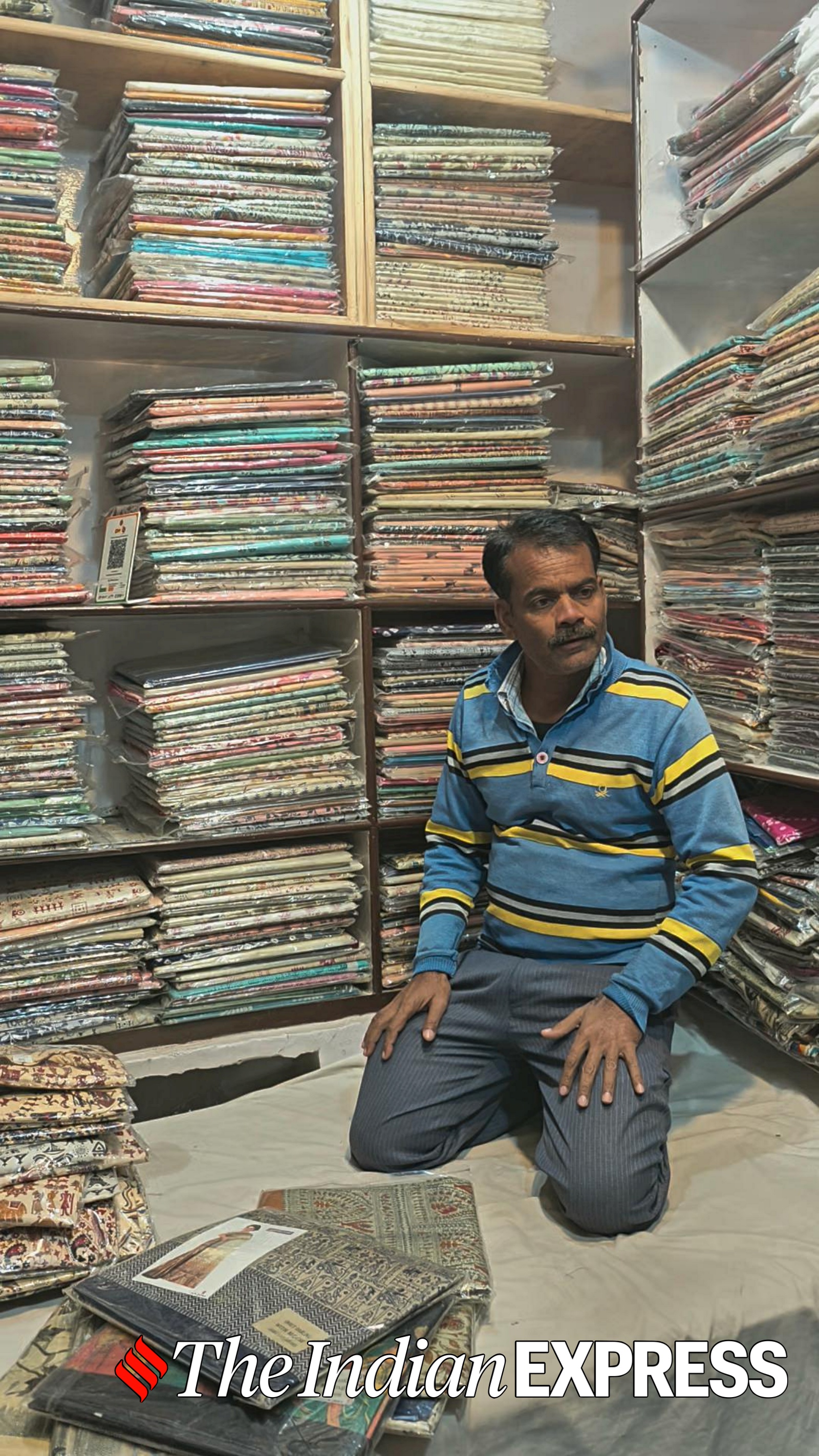
These items, whether brass products from afar or intricately carved stone pieces, all become part of the Khajuraho souvenir ecosystem. It’s worth noting that the popular "Kamasutra" books sold in the market are often not based on the original text but are compilations of erotic images designed to boost sales, a commercial adaptation rather than scholarly representation.
An intriguing observation made by Shukla is the absence of a sex market or prostitution in Khajuraho, despite its global association with erotic sculptures. He attributes this to the town’s ability to maintain the integrity of its heritage, ensuring that the erotic nature of the sculptures remains confined to tourism and historical appreciation.
Beyond Eroticism: A Broader Appeal
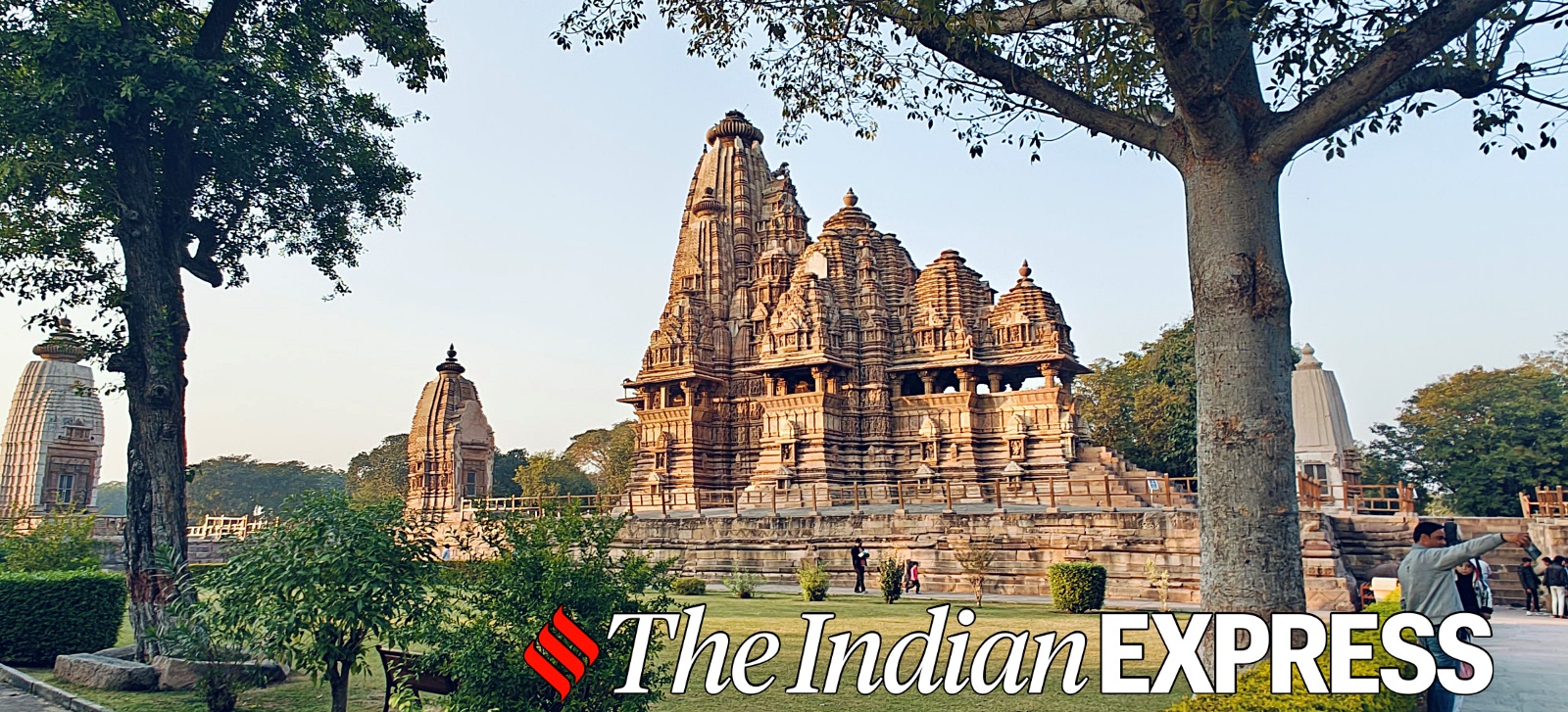
While the erotic sculptures are the most talked-about aspect of Khajuraho, the town’s appeal extends far beyond them. Shreya, who chose Khajuraho for her wedding in 2023, opted for the destination precisely because it offered a unique experience, away from the typical wedding circuits. "Khajuraho was a place where there was not much crowd… even the city, it has limited crowd," she shares, emphasizing the desire for her guests to experience something novel.
Her wedding celebrations were interspersed with explorations of the local markets, where the popular bamboo sarees became a highlight. "The quality is also good, and it’s dirt cheap. My mother-in-law’s friends loved them so much that they bought around 20 sarees from the local market," she recounts. This highlights the growing appeal of Khajuraho’s textile offerings and the burgeoning wedding and hospitality industry in the temple town. Shreya’s return visits to Khajuraho reinforce her feeling of tranquility and a sense of needing to "slow down."
A Sense of Comfort and Belonging
The town, globally recognized for its erotic sculptures, managed to make the author and her companion feel completely unsexualized. Wandering through the markets, passing carts laden with unabashed replicas, browsing jewelry, and laughing at novelty keychains, they never felt scrutinized or judged.
While Khajuraho’s bazaars initially surprised with their unique souvenirs, the town left a more profound impression: a sense of comfort and belonging. The author concludes, "I might continue to call it desi Vegas, but for me, Khajuraho will always be much more than that—a tiny town that somehow made us feel completely at home." This sentiment encapsulates the unexpected warmth and welcoming atmosphere that Khajuraho offers, transcending its sensationalized reputation to reveal a destination that embraces its heritage with a nuanced and inviting spirit.
