

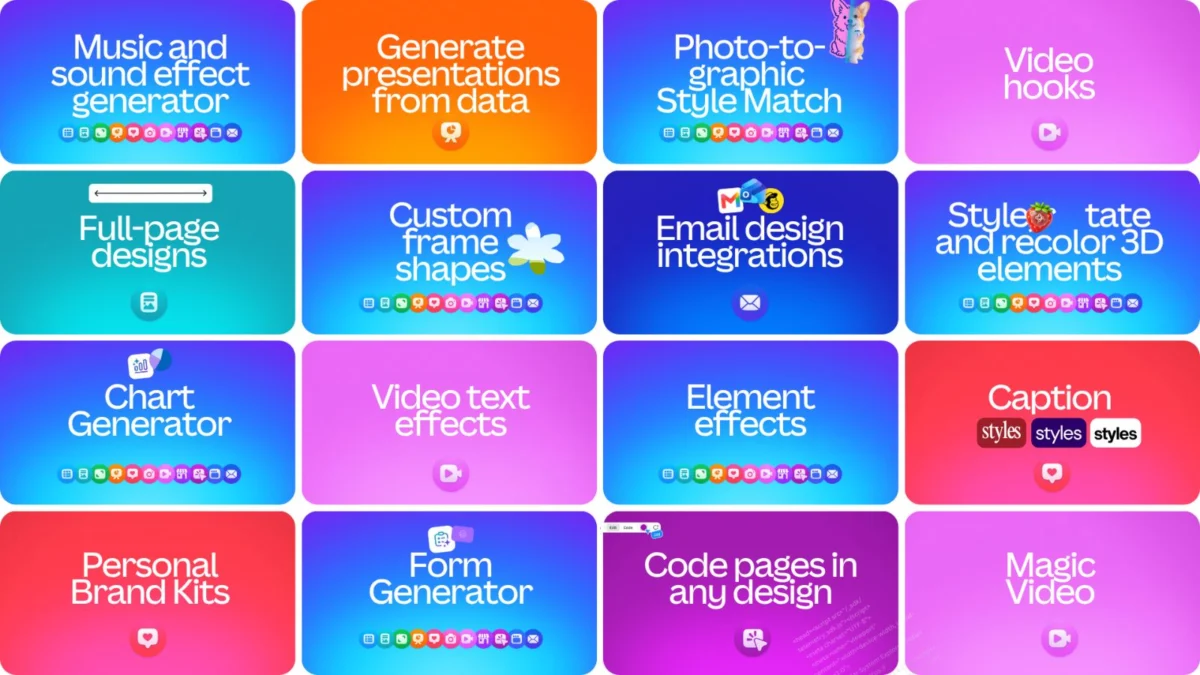
New Delhi, September 4, 2026 – In a strategic move poised to significantly reshape the digital productivity landscape, online design behemoth Canva has announced a sweeping array of updates and features across its Visual Suite. Marking its 100th Visual Suite feature launch since the beginning of 2026, the company is doubling down on its commitment to empowering users with an integrated, intuitive platform that seamlessly blends design with everyday productivity. The extensive enhancements span core offerings including Docs, Presentations, Sheets, Whiteboards, and Websites, positioning Canva as a formidable challenger to established giants in the productivity software market.
The announcement, made on Thursday, September 3rd, underscores Canva’s accelerating pace of innovation, averaging nearly one significant Visual Suite upgrade every other day this year. This aggressive development trajectory is fueled by the platform’s burgeoning global user base and its expanding utility beyond traditional graphic design into critical business and educational workflows. The company’s latest data reveals staggering adoption metrics, with over 100 million people now utilizing Canva Presentations monthly, and a remarkable one billion designs being created on the platform each month. This surge in usage highlights Canva’s successful pivot from a mere design tool to an indispensable visual communication and productivity ecosystem.
A notable highlight from the released data points to India’s dominant role in mobile-first creation within the Visual Suite across South Asia. With over 70 percent of Indian users crafting designs and documents directly on their mobile phones, the subcontinent emerges as a critical market and a leading indicator for the global trend towards on-the-go productivity. This mobile-centric adoption is a testament to Canva’s accessible design philosophy and its commitment to meeting users where they work, learn, and create.
Cameron Adams, Canva Co-Founder and Chief Product Officer, encapsulated the company’s ambition, stating, "We’re incredibly proud to see Canva becoming one of the most widely used productivity suites in the world, as people bring more of their everyday work into Canva. Today marks our 100th new feature launch this year alone, a pace of nearly one Visual Suite upgrade every other day. As we often say, we still feel like we’re only 1 per cent of the way there, and we’re just getting started." This statement not only celebrates the current achievements but also casts a long shadow of future innovation and expansion, hinting at a vision far grander than its current impressive footprint.
A Chronology of Innovation: Canva’s Ascent to Productivity Powerhouse
Canva’s journey, which began with the mission to democratize design, has systematically evolved into a comprehensive platform that addresses a much broader spectrum of creative and professional needs. Initially celebrated for its user-friendly interface that allowed anyone, regardless of design expertise, to create stunning visuals, the company gradually expanded its offerings to include templates for presentations, social media graphics, and print materials. This foundational success laid the groundwork for its more ambitious foray into integrated productivity tools.
The strategic shift gained significant momentum with the introduction of core Visual Suite components like Canva Docs, Whiteboards, and Websites. These additions were not merely extensions but represented a deliberate effort to compete directly with established productivity suites by offering visually rich, collaborative alternatives. The year 2026 has marked an unprecedented acceleration in this trajectory, culminating in the 100th feature launch. This rapid development cycle is indicative of Canva’s agile product development methodology and its keen responsiveness to user feedback and market demands.
The company’s commitment to continuous improvement and expansion has transformed its platform from a niche design utility into a versatile workspace. This relentless pursuit of innovation has allowed Canva to incrementally chip away at the market share of traditional productivity software, primarily by offering a more visually engaging and collaborative experience that resonates deeply with modern work culture. The integration of AI capabilities and a strong emphasis on mobile accessibility have been central to this evolution, allowing Canva to capture a diverse user base, from individual creators and small businesses to large enterprises and educational institutions. This chronological progression underscores a deliberate strategy to build an all-encompassing visual operating system for the world.
Unpacking the Data: Canva’s Unprecedented Scale and Global Reach
The data unveiled by Canva provides a compelling narrative of its profound impact and expansive reach across the globe, solidifying its position as a transformative force in digital productivity. The sheer volume of user engagement speaks volumes about the platform’s utility and appeal.
Presentations Redefined: The revelation that over 100 million people now utilize Canva Presentations every month is a staggering figure that places it among the most widely adopted presentation tools worldwide. This metric highlights a significant shift in how individuals and organizations approach visual storytelling. No longer confined to static, text-heavy slides, users are leveraging Canva’s intuitive interface and rich template library to create dynamic, visually captivating presentations for everything from investor pitches and marketing campaigns to educational lectures and personal portfolios. The fact that approximately 3,000 presentations are created every minute on the platform further illustrates the ubiquitous nature of Canva in modern communication. This rapid creation cycle points to its efficiency and ease of use, enabling users to quickly translate ideas into impactful visual narratives.
A Billion Designs and Beyond: The milestone of over one billion designs being created on Canva each month is a testament to the platform’s unparalleled versatility and widespread adoption across diverse use cases. This includes everything from social media graphics, flyers, and posters to complex documents, spreadsheets, and websites. This massive output signifies Canva’s success in democratizing design, making professional-quality visual communication accessible to individuals and businesses of all sizes, regardless of their design background. It underscores the platform’s role as a creative engine for millions globally, fueling everything from grassroots movements to corporate branding efforts.
Mobile-First Dominance: India Leads the Charge: Perhaps one of the most significant insights from the data is the overwhelming preference for mobile device usage among Visual Suite users, with over half of all users worldwide engaging with Canva on their smartphones or tablets. This trend is particularly pronounced in South Asia, where India leads with an astonishing over 70 percent of users creating on their mobile phones. This mobile-first inclination is not merely a convenience but a strategic advantage for Canva. In markets like India, where smartphone penetration far outstrips desktop ownership, optimizing for mobile ensures unparalleled accessibility and fosters creation on the go.
India’s leadership in mobile usage underscores its role as a key market for Canva and a harbinger of global trends. The ease of use, combined with the ubiquitous nature of smartphones, empowers a vast population of entrepreneurs, students, and professionals in India to engage in visual communication without the need for expensive hardware or complex software. This data point is crucial for Canva’s product development roadmap, reinforcing the importance of intuitive mobile interfaces, robust app performance, and features tailored for smaller screens and touch interactions. It highlights how Canva is not just adapting to mobile but actively shaping the future of mobile productivity, particularly in emerging economies with a rapidly growing digital-first population.
Industry analysts are taking note. Dr. Anya Sharma, a prominent technology and market analyst, commented, "Canva’s strategic focus on integrating AI across its visual suite, coupled with its unwavering commitment to mobile-first development, positions it as a formidable challenger to legacy productivity tools. The sheer volume of user engagement data they’re presenting underscores a deep understanding of modern work dynamics and the evolving needs of a global, digitally-native workforce."
Official Responses and Strategic Vision
The leadership at Canva views these developments not as an endpoint, but as a significant step in a much longer journey. Cameron Adams’ assertion that the company is "only 1 per cent of the way there" is more than just a motivational mantra; it’s a profound declaration of boundless ambition and an unwavering commitment to continuous, disruptive innovation. This statement implies a roadmap that extends far beyond the current capabilities, envisioning a future where Canva’s Visual Suite is even more deeply integrated into every facet of digital work and life, pushing the boundaries of what is possible with visual communication and productivity. It suggests a strategic trajectory towards anticipating and shaping future user needs, rather than merely responding to them.
The company’s focus on productivity offerings is a clear signal of its intent to diversify its utility beyond traditional design tasks. By integrating robust features for documentation, data analysis, and collaborative brainstorming, Canva is actively courting a broader user base, including professionals who traditionally rely on separate software for these functions. This strategic pivot aims to consolidate multiple workflows into a single, cohesive, and visually engaging platform.
Reinforcing this enterprise-level utility, Corey Pomkoski, Senior Director of Brand and Creative Operations at Docusign, offered a powerful endorsement. "By meeting users where they already work, we’ve empowered hundreds of marketers to create everything from ePublications and social ads to event promotions. Our small design team can now focus on building and evolving the system, not designing every pixel. Canva is foundational to how we scale design across Docusign worldwide." This testimony from a major enterprise underscores Canva’s effectiveness in streamlining large-scale marketing and branding efforts, freeing up specialized design teams to focus on strategic initiatives rather than repetitive tasks. It highlights how Canva fosters efficiency, maintains brand consistency across diverse campaigns, and optimizes resource allocation within large organizations, proving its value far beyond individual creators.
This confluence of massive user adoption, aggressive feature development, and strong enterprise endorsements paints a picture of a company relentlessly pursuing a vision where visual communication is not just an aesthetic enhancement but a core component of all productivity. The official responses from Canva’s leadership and key clients reinforce the idea that the platform is rapidly evolving into an indispensable operating system for the visual economy.
What’s New with the Visual Suite: A Deep Dive into Feature Enhancements
The latest suite of updates is designed to enhance functionality, collaboration, and user experience across all key components of the Visual Suite, catering to the increasingly sophisticated demands of modern digital work.
Docs: Elevating Professional Communication
Canva Docs has emerged as a versatile tool for a wide range of professional documents, from internal briefs to comprehensive reports and client proposals. The new update brings a significant upgrade in visual layouts and professional formatting controls. Users can now enjoy immersive, edge-to-edge visuals, transforming standard documents into compelling narratives. The introduction of automatic page breaks and expanded style options ensures that working documents can be effortlessly converted into presentation-ready materials, maintaining a polished and professional aesthetic without requiring extensive manual adjustments. This fusion of design and document creation empowers users to craft visually striking and structurally sound communications with unprecedented ease.
Sheets: Dynamic Data Visualization and Analysis
Canva Sheets is now equipped with a more robust set of tools for project tracking and converting raw data into engaging charts and visual representations. A major enhancement is the integration of new AI capabilities, which allow users to analyze data more intelligently and automatically generate polished charts and tables, ready for immediate use in presentations or reports. To ensure greater control and collaborative efficiency, Sheets now features public filters, enabling shared viewing without altering the original data, along with options for hiding columns and grouping rows for better organization and clarity. These features collectively make Sheets a powerful tool for visual data storytelling, bridging the gap between raw data and actionable insights.
Whiteboards: Enhanced Collaboration and Fluidity
Canva Whiteboards, designed for dynamic brainstorming and planning sessions, has been made faster and more collaborative than ever. Streamlined panning and mobile pasting significantly improve navigation across the infinite canvas, making it easier for teams to articulate and organize ideas without technical hurdles. A standout feature, "Follow Collaborators," allows team members to instantly jump to where someone else is working, fostering real-time engagement and shared focus. One-click reactions provide immediate feedback and facilitate quick decision-making. Crucially, Whiteboards can now be seamlessly converted into a presentation or a document with just a single click, providing unparalleled flexibility in transforming ideation into actionable outputs.
Presentations: Mastering Delivery and Impact
The updates to Canva Presentations focus not just on creation, but also on the art of delivery. New tools assist users in both preparation and live presentation. An estimated presenting timer helps speakers plan their pacing effectively, while one-click presenting allows for instant live delivery. The platform now automatically generates presenter notes, transforming a finished deck into a comprehensive script with ready-to-use talking points. These enhancements are designed to empower presenters to deliver their message with confidence and precision, ensuring maximum impact.
Websites: Powerful and Customizable Web Presence
Canva’s Website builder continues to gain traction, with over one million websites now published monthly. The latest updates make the platform even more powerful and versatile. New navigation features support richer sites with up to 20 sections, allowing for more complex and comprehensive web presences. Enhanced SEO controls, expanded domain management options, and more customizable buttons provide teams with greater control over their online identity and visibility. The company also highlighted the success of "Canva Code," which has facilitated the creation of over six million coded websites to date, demonstrating the platform’s dual capability for both no-code visual building and more technical web development.
Implications: Reshaping the Productivity Landscape
The extensive updates to Canva’s Visual Suite carry significant implications for the competitive landscape of productivity software, the future of work, and the empowerment of users globally.
Competitive Landscape: Canva’s aggressive expansion into Docs, Sheets, and Presentations positions it as a direct and formidable competitor to established giants like Microsoft Office Suite (PowerPoint, Word, Excel) and Google Workspace (Slides, Docs, Sheets). Canva’s primary advantage lies in its inherently visual, collaborative, and intuitive interface, which often contrasts with the steeper learning curves or more functional aesthetics of legacy software. While traditional suites may offer deeper, more specialized functionalities for power users, Canva aims for broad accessibility and seamless integration, appealing to a generation of users who prioritize visual communication and ease of use. The enhanced Whiteboards also put it in direct competition with dedicated online collaboration tools like Miro and Mural.
The Future of Work and Visual Communication: These updates align perfectly with evolving workplace trends, particularly the rise of remote and hybrid work models. The need for visually engaging communication, collaborative ideation, and accessible tools that transcend geographical boundaries has never been greater. Canva’s integrated suite facilitates these needs by providing a unified platform where teams can design, document, analyze, and present, fostering creativity and efficiency in a distributed environment. The platform’s emphasis on AI integration for tasks like data analysis and content generation further signals its commitment to augmenting human creativity with intelligent automation, pointing towards a more efficient and visually driven future of work.
Empowering the Non-Designer: At its core, Canva has always been about democratizing design. These new productivity features extend that mission to "democratizing productivity." By embedding professional-grade formatting, AI-driven insights, and sophisticated collaborative tools within an easy-to-use visual interface, Canva empowers individuals and small businesses without dedicated design or IT teams to produce high-quality documents, data visualizations, and web presences. This accessibility can significantly lower barriers to entry for entrepreneurship, enhance educational outcomes, and professionalize communication for countless users globally.
Mobile-First Strategy and Global Growth: The data underscoring mobile dominance, especially in markets like India, reinforces Canva’s strategic foresight in prioritizing mobile development. This approach is not just about convenience; it’s about tapping into vast, underserved markets where smartphones are the primary, and often only, computing device. By perfecting the mobile creation experience, Canva is poised for continued explosive growth in emerging economies, solidifying its status as a truly global platform.
Potential Challenges and Future Directions: As Canva continues to expand its feature set, potential challenges include maintaining performance and stability across increasingly complex functionalities, ensuring robust data security and privacy, and deepening enterprise-level integrations to meet the specific demands of large corporations. Looking ahead, Canva’s "1 per cent of the way there" philosophy suggests further exploration into advanced AI capabilities, potentially including more sophisticated content generation, personalized design recommendations, and even integration with emerging technologies like augmented or virtual reality for immersive collaboration and presentation experiences. The continued emphasis on vertical-specific solutions and deeper API integrations could also unlock new avenues for growth and utility.
In conclusion, Canva’s 100th Visual Suite feature launch for 2026 is far more than a routine product update. It represents a bold declaration of intent to redefine the boundaries between design and productivity, offering a powerful, integrated, and accessible platform poised to shape how individuals and organizations create, collaborate, and communicate in the digital age.
