

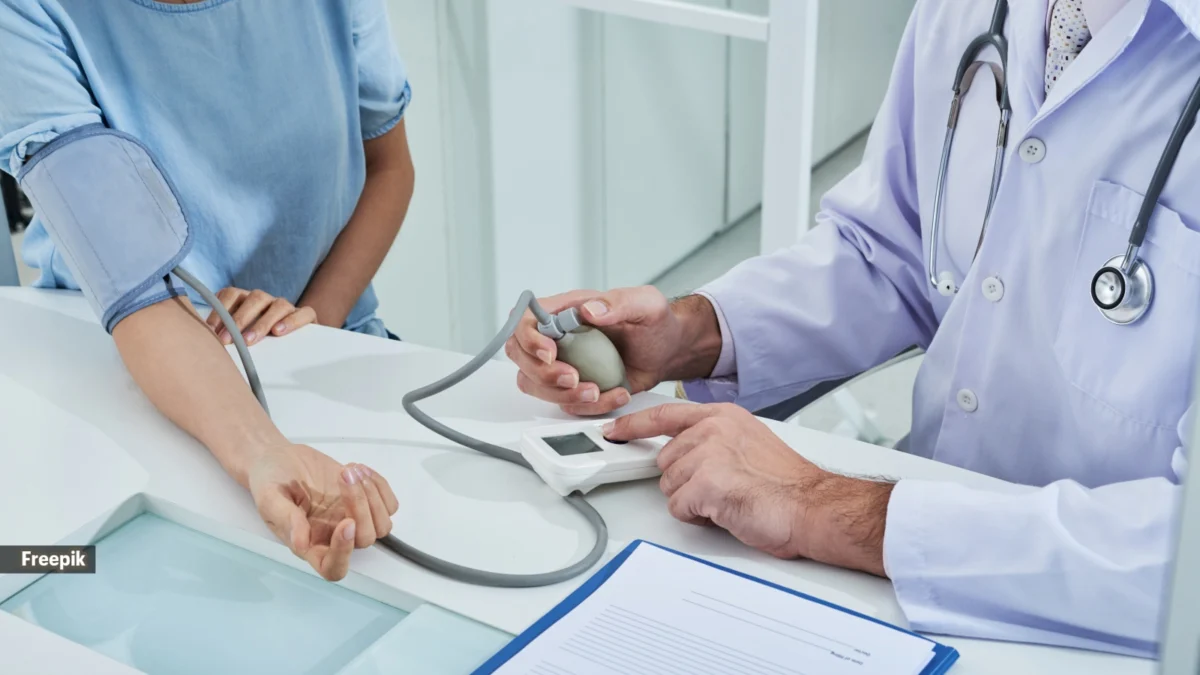
New Delhi – September 8, 2026 – A single blood pressure reading can often spark a wave of concern, particularly when the numbers hover just above what is commonly considered the "normal" range. For many, a reading of 137/86 mmHg, coupled with a pulse of 70 beats per minute, presents a moment of pause. While not within the ideal normal parameters, this isolated figure does not automatically signal the presence of hypertension. To decipher these numbers and understand when to seek professional medical advice, we delve into the complexities of blood pressure with insights from Dr. Aseem Dhall, Director & HOD of Cardiac Sciences at ISIC Multispeciality Hospital.
The Anatomy of a Blood Pressure Reading: Deciphering 137/86
A blood pressure measurement consists of two key figures, each representing a distinct phase of your heart’s activity.
- Systolic Pressure (The Top Number – 137 mmHg): This number reflects the pressure within your arteries when your heart muscle contracts and forcefully pumps blood out to the rest of your body. It’s the peak pressure generated during each heartbeat.
- Diastolic Pressure (The Bottom Number – 86 mmHg): This figure represents the pressure in your arteries when your heart muscle relaxes between beats. During this phase, the heart refills with blood, and the arteries experience a lower pressure.
Dr. Dhall emphasizes the importance of both numbers: "Both numbers are critical. An individual can present with a higher systolic pressure, a higher diastolic pressure, or an elevation in both. Healthcare professionals analyze the overall pattern of readings rather than fixating on a single number. Generally, the higher of the two readings is considered when assessing the broader category of blood pressure."
According to current American guidelines, a reading of 137/86 mmHg falls within the Stage 1 hypertension category. This classification is based on a systolic reading between 130 and 139 mmHg and a diastolic reading between 80 and 89 mmHg. However, it is crucial to understand that a single reading is insufficient for a formal diagnosis of hypertension.
The accompanying pulse rate of 70 beats per minute is generally considered within the normal resting range for adults. A typical resting pulse rate for adults falls between 60 and 100 beats per minute.
The Importance of Context: Why One Reading Isn’t a Diagnosis
The notion that a single elevated blood pressure reading equates to a definitive diagnosis of hypertension can be a source of unnecessary anxiety. Dr. Dhall likens a solitary blood pressure measurement to a snapshot in time, rather than a comprehensive medical assessment. "Blood pressure naturally fluctuates throughout the day," he explains. "It can be influenced by a myriad of factors, including your recent activities, your emotional state, and even the precise method used to take the measurement."
This inherent variability means that a reading of 137/86 on one occasion might be a transient elevation, not indicative of a chronic condition. The key lies in establishing a pattern. "If a reading is higher than usual, it is beneficial to repeat it and meticulously maintain a record of readings taken under correct conditions," advises Dr. Dhall. "Physicians often rely on a series of repeated readings in a clinical setting, home blood pressure monitoring, or sometimes a 24-hour ambulatory monitoring to confirm if blood pressure is consistently elevated before making a diagnosis or initiating treatment."
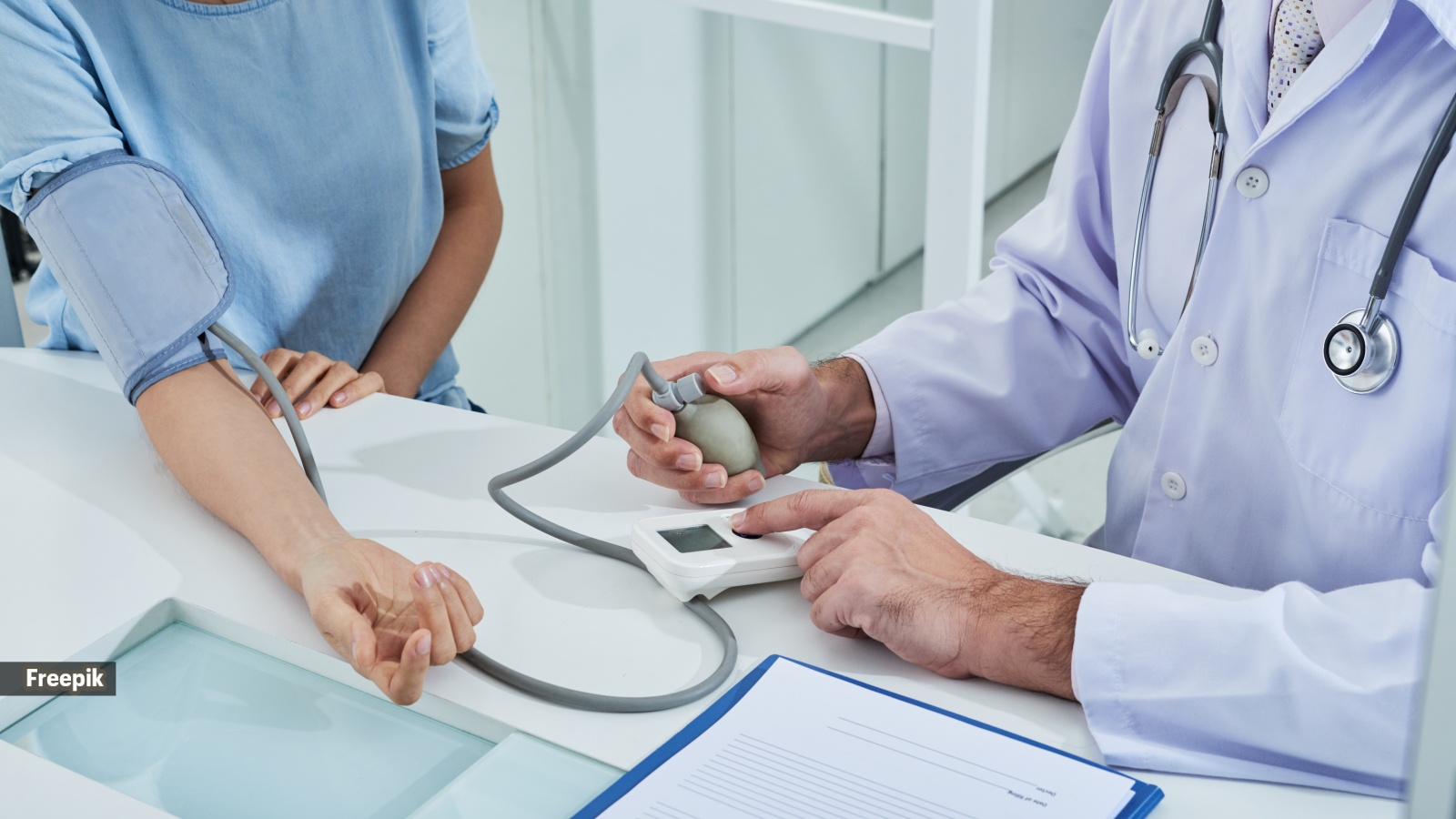
Therefore, if you encounter a reading of 137/86 mmHg on a single occasion, it is prudent to avoid immediate alarm. Instead, focus on re-measuring your blood pressure under appropriate conditions and observing the trends over time.
Transient Influences: Everyday Factors That Can Affect Your Reading
Several common, everyday factors can temporarily elevate your blood pressure readings, leading to numbers that might appear concerning at first glance. Understanding these influences can help you interpret your readings more accurately and identify potential triggers.
- Stress and Anxiety: Emotional distress, whether acute or chronic, can trigger the body’s "fight or flight" response, leading to a surge in blood pressure. Even the anxiety associated with having your blood pressure taken can influence the outcome.
- Recent Physical Activity: Engaging in strenuous exercise shortly before a blood pressure measurement can temporarily increase systolic and diastolic pressures. It is advisable to rest for at least 5-10 minutes before taking a reading.
- Caffeine Consumption: The stimulant properties of caffeine, found in coffee, tea, and certain sodas, can cause a temporary increase in blood pressure. The effect can vary among individuals, but it’s generally recommended to avoid caffeine for at least 30 minutes before a measurement.
- Smoking: Nicotine is a vasoconstrictor, meaning it narrows blood vessels, which can lead to a significant, albeit temporary, rise in blood pressure.
- Poor Sleep: Insufficient or poor-quality sleep can disrupt the body’s regulatory mechanisms, including those that control blood pressure, potentially leading to higher readings.
Beyond physiological factors, the mechanics of taking a blood pressure reading itself can also introduce inaccuracies. Seemingly minor procedural errors can lead to misleading results:
- Talking during the measurement: Vocalization can increase intra-thoracic pressure, affecting the reading.
- Legs crossed or not supported: This can impede circulation and influence the measurement.
- Arm not properly supported: The arm should be at heart level for an accurate reading.
- Incorrect cuff size: A cuff that is too small or too large can produce inaccurate readings.
- Measuring without resting: As mentioned, adequate rest before measurement is crucial.
To ensure the most reliable measurement, Dr. Dhall offers practical advice: "Sit quietly for a few minutes before checking your blood pressure. Ensure your back is supported, your feet are flat on the floor, and your arm is resting comfortably at heart level. Avoid talking during the measurement." Adhering to these simple steps can significantly improve the accuracy of your readings.
When to Consult a Healthcare Professional: Identifying Persistent Concerns
While a single reading of 137/86 mmHg is not an immediate cause for alarm, there are clear indicators that warrant a conversation with your doctor. The threshold for concern shifts when blood pressure readings become consistently elevated over time.
"If your readings are consistently at or above 140/90 mmHg when measured in a clinical setting, or around 135/85 mmHg or higher when measured at home, it is advisable to discuss these trends with a healthcare professional," states Dr. Dhall.
It is important to reiterate that crossing these numerical thresholds does not automatically mandate the initiation of medication. The decision to prescribe medication is a nuanced one, based on a comprehensive evaluation of a patient’s overall health profile. "Treatment decisions are not made based on a single reading alone," Dr. Dhall clarifies. "Doctors meticulously consider the average of your blood pressure readings, alongside other critical factors such as your age, your medical history, and your overall cardiovascular risk."
Current guidelines from organizations like the American Heart Association (AHA) and the American College of Cardiology (ACC) provide a framework for treatment decisions. For instance, medication is generally recommended for average blood pressure readings of 140/90 mmHg or higher. However, in individuals with a higher cardiovascular risk profile, treatment might be considered even at lower blood pressure levels. This highlights the personalized nature of hypertension management.

Implications of Elevated Blood Pressure: Beyond the Numbers
Understanding the implications of persistently elevated blood pressure is crucial for proactive health management. Hypertension, or high blood pressure, is often termed the "silent killer" because it typically presents with no overt symptoms in its early stages. However, left unmanaged, it can silently wreak havoc on your body’s vital organs.
- Cardiovascular Disease: The most significant risk associated with hypertension is its contribution to heart disease. Chronically high blood pressure forces the heart to work harder, leading to thickening of the heart muscle and eventually weakening it. It also damages the arteries, making them less flexible and more prone to plaque buildup (atherosclerosis). This increases the risk of heart attacks, heart failure, and stroke.
- Stroke: High blood pressure is a leading risk factor for stroke. The increased pressure in the arteries can cause them to rupture or become blocked by blood clots, leading to damage to the brain.
- Kidney Disease: The delicate blood vessels in the kidneys are particularly vulnerable to the damaging effects of high blood pressure. Over time, hypertension can impair the kidneys’ ability to filter waste products from the blood, potentially leading to kidney failure.
- Vision Problems: High blood pressure can damage the blood vessels in the eyes, leading to vision impairment and even blindness.
- Peripheral Artery Disease (PAD): Atherosclerosis, exacerbated by hypertension, can affect the arteries in the legs and feet, leading to pain, cramping, and impaired circulation.
A Proactive Approach to Blood Pressure Management
The takeaway from a reading of 137/86 mmHg with a pulse of 70 bpm is one of informed vigilance. It’s a signal to pay attention to your cardiovascular health, but not necessarily a cause for panic.
The recommended course of action is clear:
- Repeat and Record: Re-measure your blood pressure on different occasions, ensuring you follow the recommended guidelines for accurate readings. Maintain a log of these measurements, noting the date, time, and any relevant factors (e.g., prior activity, stress levels).
- Understand the Context: Be aware of the transient factors that can influence your readings and try to minimize their impact before measurement.
- Consult Your Doctor: If your repeated readings consistently show elevated numbers, or if you have any underlying health conditions or concerns, schedule an appointment with your healthcare provider. They will be able to interpret your readings in the context of your overall health and recommend the most appropriate course of action, which may include lifestyle modifications, further monitoring, or, if necessary, medication.
Disclaimer: This article is intended for informational purposes only and is based on information from the public domain and expert consultations. It is not a substitute for professional medical advice. Always consult your healthcare practitioner before making any decisions related to your health or starting any new routine.
