

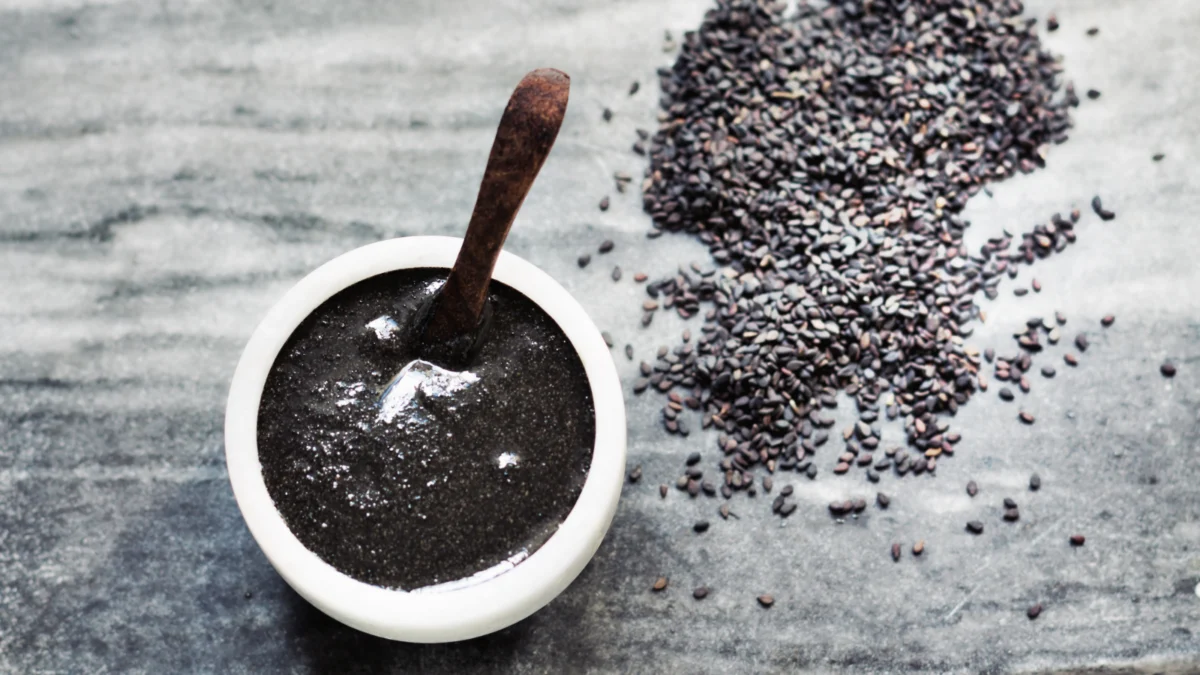
New Delhi – September 4, 2026 – For generations, the humble black sesame seed, affectionately known in India as kala til, has been a quiet staple in kitchens across the nation. Often relegated to a mere garnish or a component of festive sweets, its profound nutritional significance has frequently been overlooked. However, a closer examination reveals that these minuscule seeds are veritable powerhouses, packed with an impressive array of essential nutrients that contribute significantly to overall well-being. From their rich profile of healthy fats and plant-based proteins to their abundant fibre content and crucial minerals like calcium, magnesium, iron, and zinc, kala til offers a compelling case for its elevated status in contemporary diets.
This in-depth exploration delves into the multifaceted benefits of black sesame seeds, drawing upon insights from leading nutritionists and medical professionals. We will unpack their unique biochemical composition, explore their historical presence in traditional Indian culinary practices, and examine the scientific evidence supporting their health-promoting properties. Furthermore, we will address practical considerations for incorporating these nutrient-dense seeds into daily meals, emphasizing the importance of mindful consumption and balanced dietary habits.
The Nutritional Blueprint: Decoding the Composition of Kala Til
The remarkable health benefits of black sesame seeds are intrinsically linked to their complex and nutrient-rich composition. These tiny powerhouses are not merely a source of flavour and texture; they are a concentrated package of bioactive compounds that work synergistically to support human health.
Dr. Seema Dhir, Unit Head and Senior Consultant of Internal Medicine at Artemis Hospitals, highlights the presence of "natural plant compounds including antioxidants that help protect cells from oxidative stress." This antioxidant capacity is a critical defense mechanism against cellular damage, a process implicated in aging and the development of chronic diseases.
Beyond antioxidants, Dr. Dhir points to the "unsaturated fats, which, when replacing less healthy fats in the diet, may benefit heart health." The prevalence of monounsaturated and polyunsaturated fatty acids in black sesame seeds positions them as a heart-healthy alternative to saturated and trans fats, contributing to improved cholesterol profiles and reduced risk of cardiovascular ailments.
Furthermore, the fibre content of black sesame seeds plays a pivotal role in digestive health. "They also contain fibre, which may promote digestion and better blood sugar control when consumed with balanced meals," Dr. Dhir explains. Dietary fibre is essential for maintaining a healthy gut microbiome, facilitating regular bowel movements, and moderating the absorption of sugars, thereby preventing sharp spikes in blood glucose levels.
Adding to this comprehensive nutritional profile, Meenakshi Aggarwal, a Clinical Dietician at MAIINS, Marengo Asia Hospitals, Gurugram, emphasizes the presence of "lignans, which have antioxidant properties." Lignans are a group of polyphenols found in various plants, and their potent antioxidant and anti-inflammatory effects have been extensively studied. In the context of black sesame seeds, lignans contribute to their overall protective qualities against cellular damage and inflammation.
According to the Indian Food Composition Tables (IFCT), a substantial serving of 100 grams of black sesame seeds provides approximately 506 kilocalories, a notable 19.2 grams of protein, and an impressive 17.2 grams of dietary fibre. This caloric density underscores the importance of portion control, a point reiterated by Dr. Dhir. "The seeds are high in calories, so portion size is important, especially for people watching their total calories," she advises. This highlights the need for a balanced approach, where the benefits of these nutrient-dense seeds are harnessed without contributing to excessive calorie intake.
A Legacy of Wellness: Historical Context and Culinary Integration
The integration of kala til into the Indian diet is not a recent phenomenon; it is deeply rooted in the country’s rich culinary heritage and traditional medicinal practices. For centuries, these seeds have been a cornerstone of Ayurvedic principles, recognized for their warming properties and their ability to nourish and strengthen the body.
Historically, black sesame seeds were employed in various formulations and preparations aimed at improving vitality, promoting healthy skin and hair, and supporting reproductive health. Their use extended beyond mere culinary applications, often featuring in tonics, pastes, and poultices prescribed for a range of ailments.
In the realm of cuisine, kala til has found its way into a diverse array of dishes. They are a quintessential ingredient in chutneys, lending a nutty depth and subtle crunch. Til gul, a popular sweet enjoyed during the Makar Sankranti festival, showcases the seeds in a delightful blend of jaggery and sesame, symbolizing prosperity and good fortune. They are also commonly roasted and ground into powders used to thicken gravies and curries, adding a distinct flavour profile and nutritional boost. Furthermore, the oil extracted from black sesame seeds, known for its robust aroma and high smoke point, has been a traditional cooking medium in many Indian households.
This long-standing presence in both the kitchen and the apothecary speaks volumes about the perceived and actual value of kala til within Indian culture. While modern scientific research is now providing empirical validation for these age-old observations, the traditional wisdom surrounding these seeds continues to offer valuable insights into their holistic health benefits.
Scientific Validation: Unpacking the Health-Promoting Properties
The contemporary scientific community is increasingly recognizing and validating the health benefits associated with the regular consumption of black sesame seeds. Research is shedding light on how the unique nutritional profile of kala til translates into tangible improvements in various physiological functions.
Cardiovascular Health: The unsaturated fatty acids, particularly oleic and linoleic acids, present in black sesame seeds are instrumental in promoting cardiovascular well-being. These fats help to lower LDL (bad) cholesterol levels while potentially increasing HDL (good) cholesterol. Furthermore, the magnesium content in sesame seeds plays a crucial role in regulating blood pressure, contributing to a reduced risk of hypertension and its associated complications. The lignans, with their antioxidant properties, also help to prevent the oxidation of cholesterol, a key step in the formation of arterial plaque.
Bone Health: Black sesame seeds are an exceptional plant-based source of calcium, a mineral vital for strong and healthy bones. A significant portion of the body’s calcium is stored in the bones, and adequate intake is crucial to prevent conditions like osteoporosis, particularly in older adults and postmenopausal women. The magnesium and phosphorus also found in sesame seeds further support bone mineral density and structural integrity.
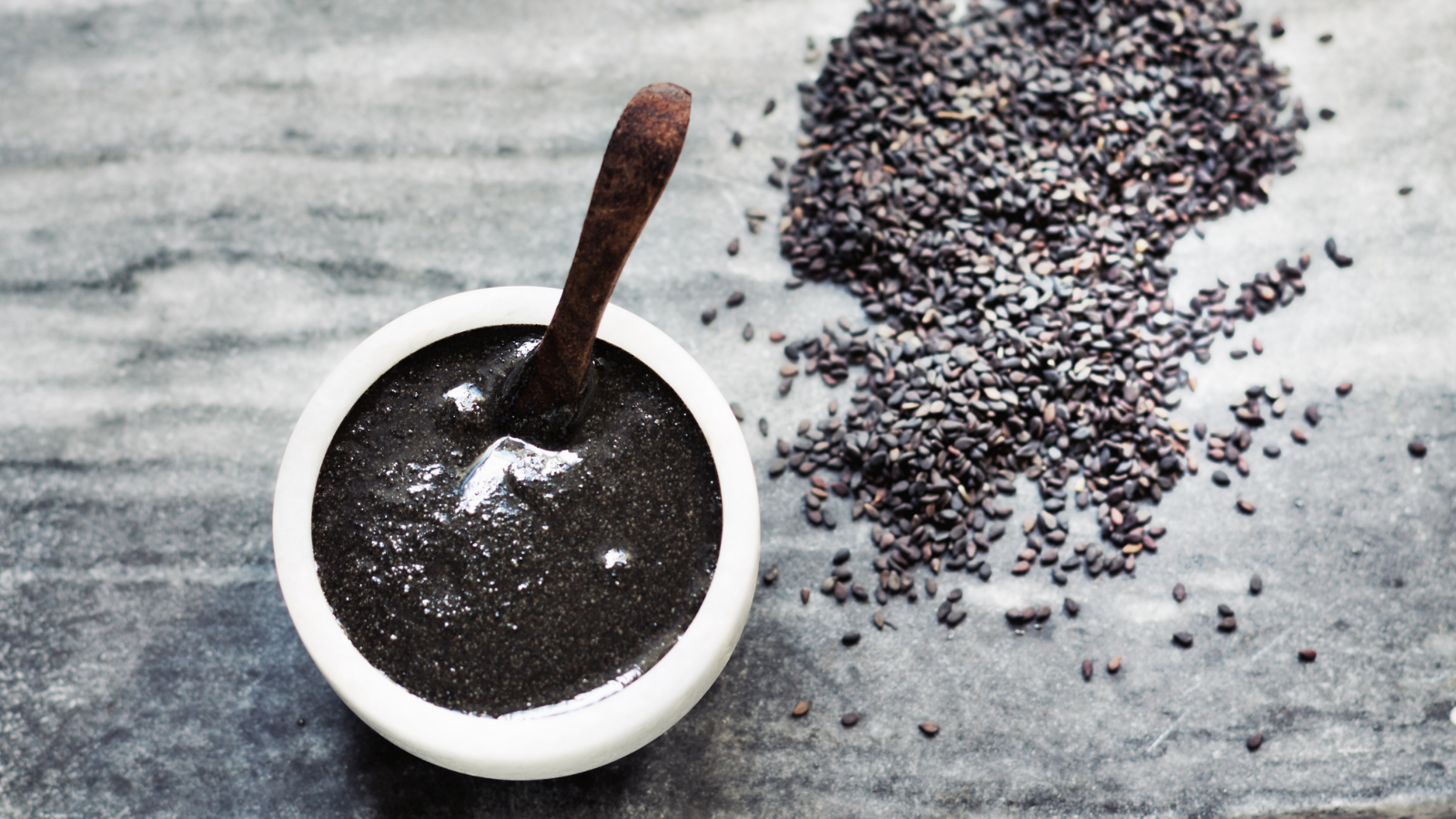
Antioxidant Powerhouse: The rich array of antioxidants, including sesamol, sesamin, and sesamolin, present in black sesame seeds offers potent protection against oxidative stress. Oxidative stress, caused by an imbalance between free radicals and antioxidants in the body, can damage cells and contribute to chronic diseases such as cancer, heart disease, and neurodegenerative disorders. These antioxidants neutralize free radicals, thereby mitigating cellular damage and promoting overall cellular health.
Digestive Well-being: The high dietary fibre content of black sesame seeds is a significant contributor to digestive health. Fibre adds bulk to stool, promoting regular bowel movements and preventing constipation. It also acts as a prebiotic, feeding beneficial gut bacteria, which are essential for a healthy gut microbiome. Furthermore, the fibre can help regulate blood sugar levels by slowing down the absorption of glucose into the bloodstream.
Blood Sugar Management: For individuals managing diabetes or seeking to prevent its onset, black sesame seeds can be a valuable dietary addition. The fibre content helps to slow down glucose absorption, preventing sharp spikes in blood sugar after meals. The magnesium present in sesame seeds has also been linked to improved insulin sensitivity, which is crucial for effective blood sugar regulation.
Skin and Hair Health: The vitamins and minerals found in black sesame seeds, such as vitamin E, zinc, and iron, are known to contribute to healthy skin and hair. Vitamin E is a powerful antioxidant that protects skin cells from damage, while zinc is essential for skin repair and collagen production. Iron is vital for carrying oxygen to the hair follicles, promoting healthy hair growth and preventing hair loss.
Anti-inflammatory Properties: The lignans and other bioactive compounds in black sesame seeds possess anti-inflammatory properties. Chronic inflammation is a root cause of many diseases, and incorporating anti-inflammatory foods into the diet can help to mitigate this risk.
Practical Integration: Incorporating Kala Til into Your Daily Diet
While the health benefits of black sesame seeds are undeniable, their effective integration into a balanced diet requires practical guidance and mindful consumption. As emphasized by experts, these seeds are a nutrient-dense addition, but they are not a panacea.
Dr. Seema Dhir offers straightforward advice on how to effortlessly incorporate kala til into daily meals: "One of the easiest ways to add black sesame to your diet is by sprinkling it over salads, veggies, yoghurt, soups or homemade snacks." This simple yet effective method allows individuals to harness the nutritional benefits without requiring significant culinary overhauls.
Meenakshi Aggarwal provides further clarity on practical serving sizes: "A practical serving is 1-2 tablespoons (10-20 g) daily, added to yoghurt, salads, chutneys, smoothies or Indian dishes." This recommendation ensures that individuals can reap the rewards of black sesame seeds without exceeding caloric goals.
Dietician Diksha Gulati, Head-Nutritionist at PB Health, echoes the sentiment of balanced inclusion: "They can be a valuable addition to a healthy diet, but no single food is a magic solution. Their benefits come from consistent inclusion within an overall nutritious lifestyle." This statement underscores the holistic approach to health, where individual foods play a role within a broader framework of healthy eating habits.
Here are some specific ways to incorporate black sesame seeds:
- Breakfast Boost: Sprinkle on oatmeal, yogurt, or smoothie bowls.
- Savory Sensations: Add to stir-fries, roasted vegetables, or as a topping for soups.
- Salad Sparkle: Lightly toast and sprinkle over green salads for a nutty crunch.
- Baked Goods: Incorporate into bread dough, muffins, or cookies.
- Chutney and Dips: A key ingredient in many traditional Indian chutneys, or blend into hummus or other dips.
- Homemade Snacks: Mix into energy balls or granola bars.
It is crucial to remember the disclaimer provided: "This article is based on information from the public domain and/or the experts we spoke to. Always consult your health practitioner before starting any routine." This reinforces the importance of personalized dietary advice and professional consultation for any significant changes to one’s diet, especially for individuals with pre-existing health conditions.
The Broader Implications: A Shift Towards Nutrient-Dense Staples
The growing appreciation for black sesame seeds signifies a broader trend towards rediscovering and re-integrating traditional, nutrient-dense foods into modern dietary patterns. In an era often dominated by processed and refined foods, the resurgence of interest in ingredients like kala til highlights a growing awareness of the profound impact of whole, unprocessed foods on health and well-being.
The scientific validation of their benefits provides a robust foundation for dietary recommendations, empowering individuals to make informed choices about their nutrition. As research continues to unravel the complex biochemical interactions of these seeds, their role in preventative healthcare and chronic disease management is likely to expand.
Moreover, the economic and cultural implications of promoting indigenous superfoods like black sesame seeds are significant. Supporting their cultivation and consumption can foster agricultural diversity, empower local farming communities, and preserve traditional culinary heritage.
In conclusion, the unassuming black sesame seed, or kala til, is far more than a culinary afterthought. It is a testament to the power of nature’s bounty, offering a rich tapestry of nutrients that can profoundly enhance health when incorporated mindfully into a balanced and varied diet. As we continue to explore and embrace the wisdom of traditional foods, kala til stands as a shining example of an underappreciated powerhouse ready to take its rightful place in promoting holistic well-being.
